Dark Spot Ingredients by Mark Type Guide
Match brown PIH to niacinamide plus TXA, red PIE to azelaic acid, melasma-like patches to TXA, and protect results with SPF 50.
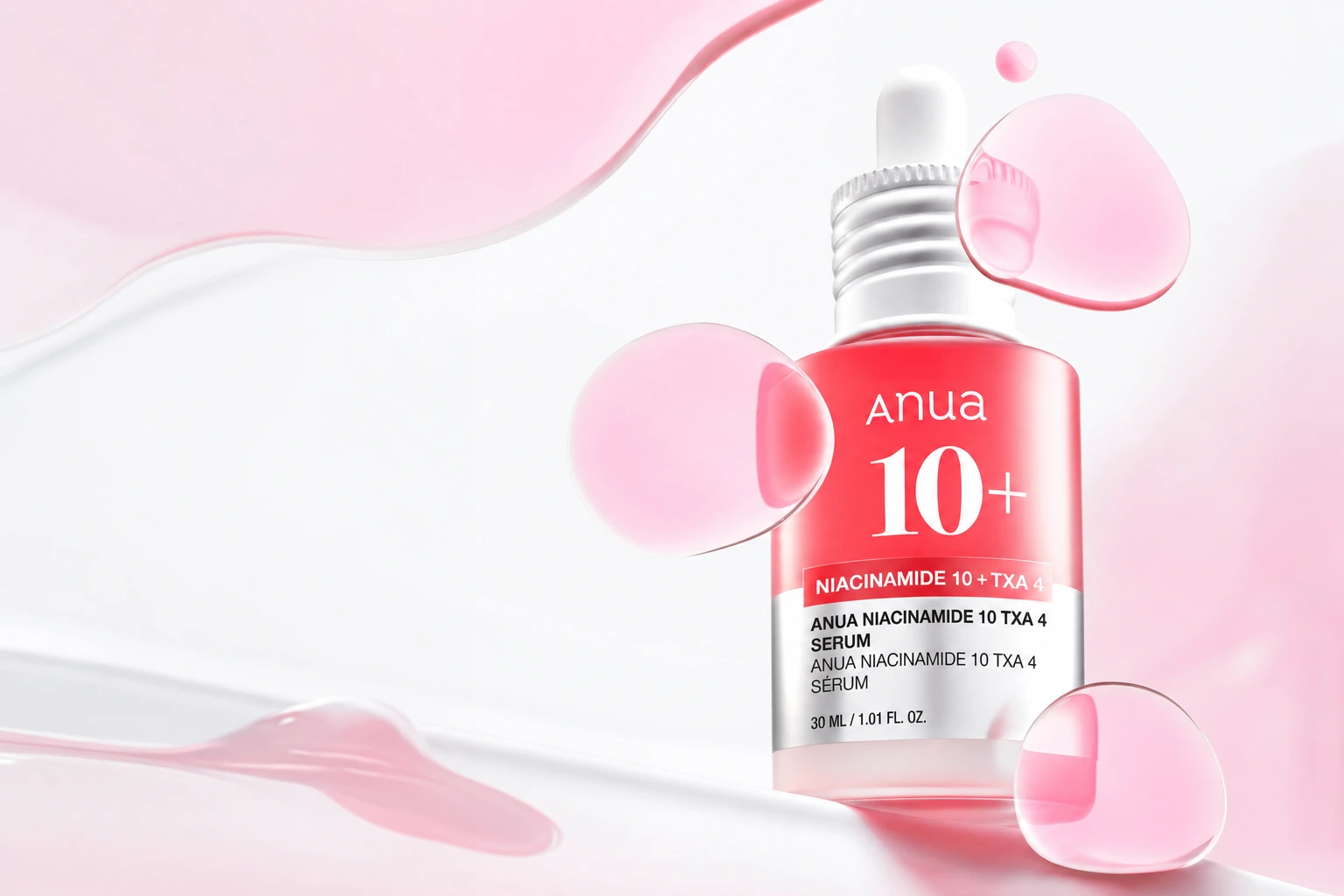
The best Korean serum for hyperpigmentation is the one matched to the mark: brown spots need pigment-pathway support, red marks need calming support, and stubborn patches need consistency. For brown post-inflammatory hyperpigmentation, Niacinamide 10 TXA 4 Serum for Brightening and Dark Spots pairs 10% niacinamide with 4% tranexamic acid. For red or pink post-inflammatory erythema, Azelaic Acid 10 Hyaluron Redness Soothing Serum is the better Anua match because it is formulated around 10% azelaic acid, soothing ingredients, and hydration.
Hyperpigmentation routines fail most often when every mark is treated as a generic dark spot. A brown acne mark, a red acne mark, a hereditary freckle, and a melasma-like cheek cluster do not respond the same way because they do not come from the same visible process. Use color, timing, and pattern first. Then choose the active.
How do you identify your dark spot type?
Identifying your dark spot type can help guide your skincare routine choices and photoprotection plan.
Hereditary flat freckles are different. Tranexamic acid is less effective for hereditary flat freckles because their pigment distribution is genetically determined (Altameet, 2026).
Skin turnover also explains why a serum rarely changes discoloration in a few days. Skin renewal cycles commonly run 30 to 56 days (MDPI, 2024).
Which ingredients fit vascular spots and melasma?
Tranexamic acid inhibits vascular signaling pathways and slows pigment production.
Tranexamic acid slows pigment production by inhibiting plasminogen activation (Altameet, 2026). The same source notes tranexamic acid inhibits vascular signaling pathways to treat PIE and melasma-like clusters.
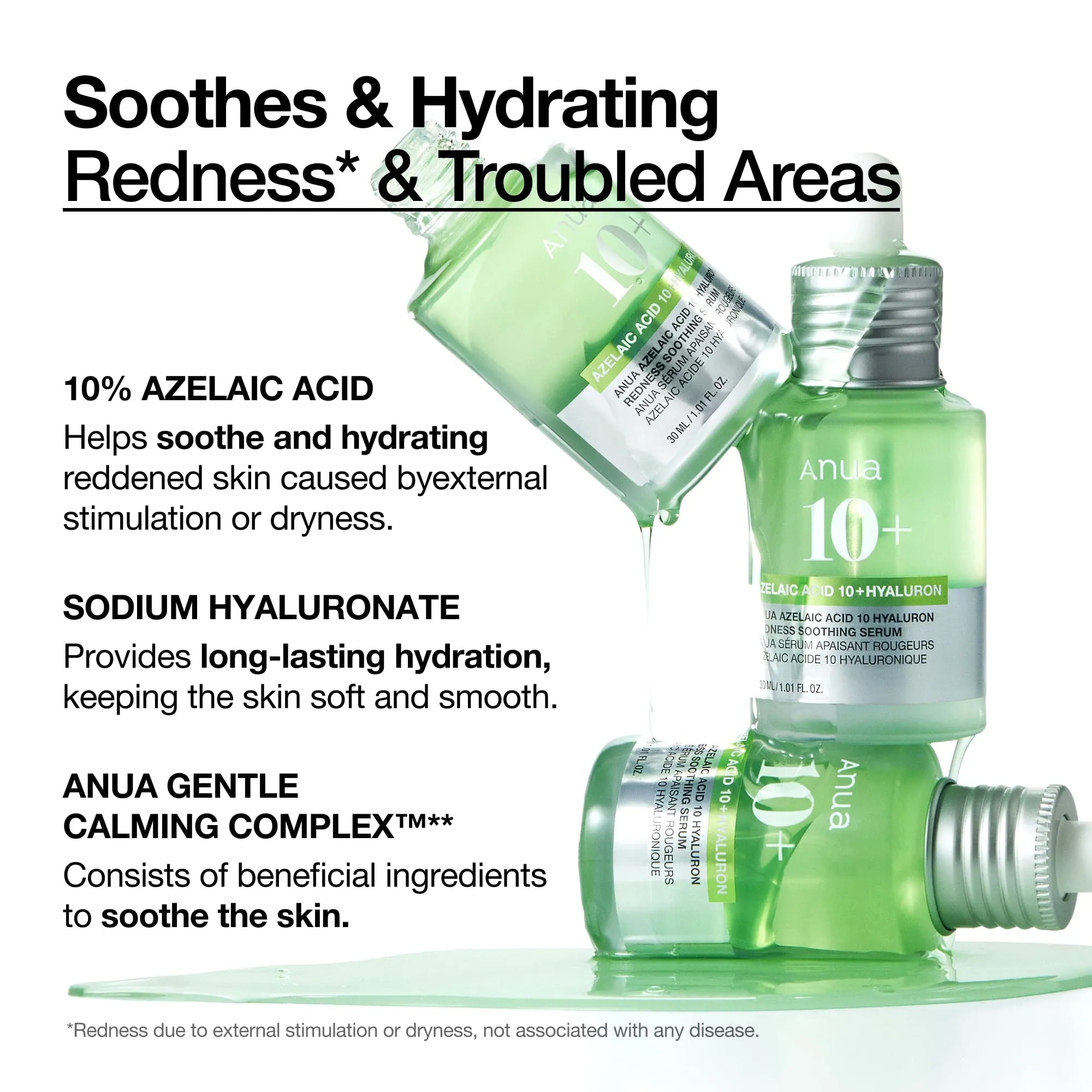
For troubled areas, gentle serums can offer hydrating support.
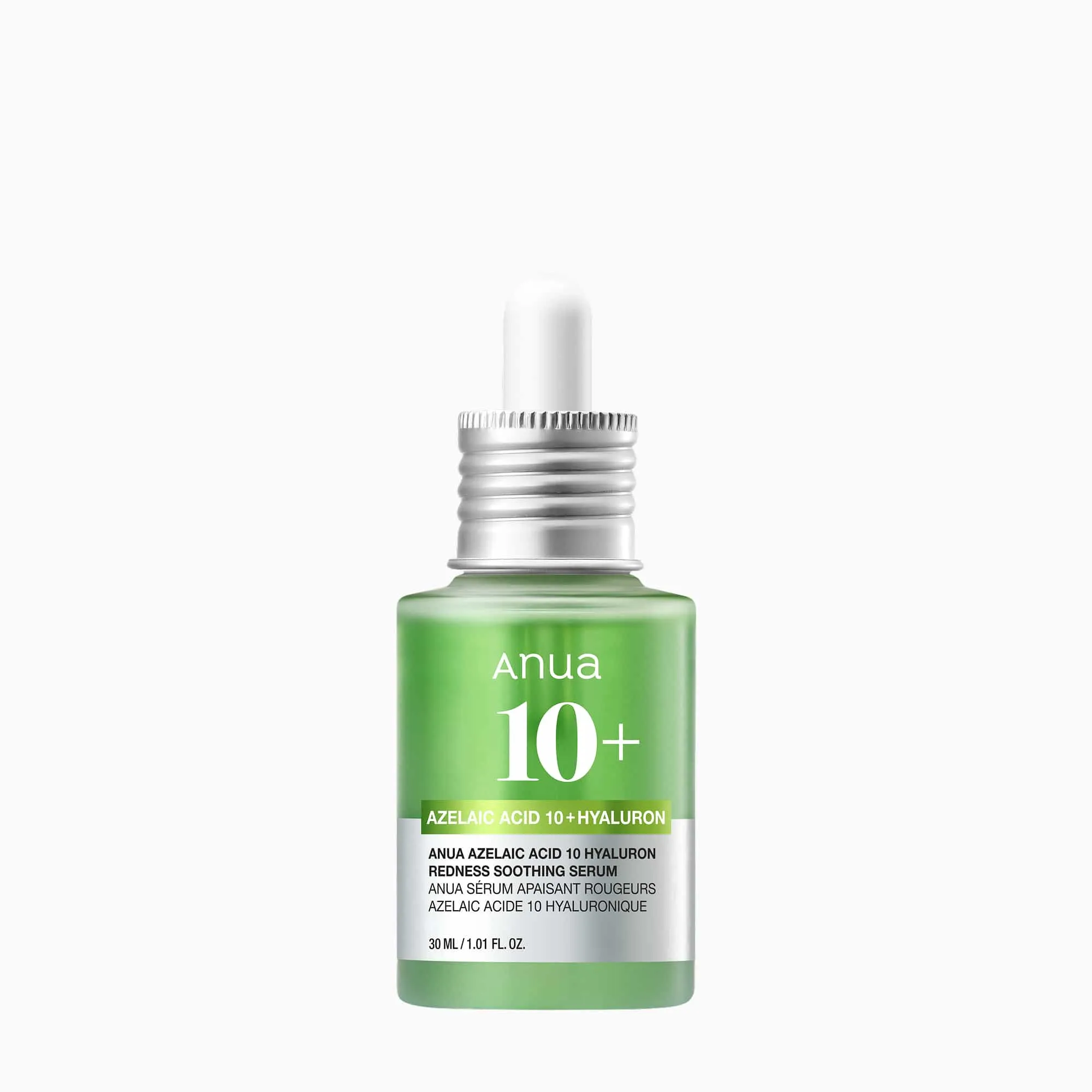
Azelaic Acid 10 Hyaluron Redness Soothing Serum
A lightweight serum formulated with soothing and hydrating ingredients, suitable for sensitive skin, helps improves redness and troubled areas.
That does not mean every patch is melasma or that a cosmetic serum replaces care from a dermatologist. If discoloration is spreading, sharply patterned, pregnancy-associated, medication-associated, or resistant after several renewal cycles, professional evaluation is the safer next step.
Daily sunscreen matters in every vascular or pigment routine.
What targets inflammatory acne marks?
Fresh inflammatory acne marks need calming first, then pigment support once the breakout is no longer actively irritated.
If a mark is still raised, tender, itchy, or actively breaking out, treat it as inflammation before treating it as a dark spot.
Tranexamic acid has a role here, but concentration alone should not drive the decision. A 2024 dermatology review reported that 10% tranexamic acid concentrations have been used to significantly reduce inflammatory acne papules (PMC, 2024). That does not mean every routine should chase the highest percentage.
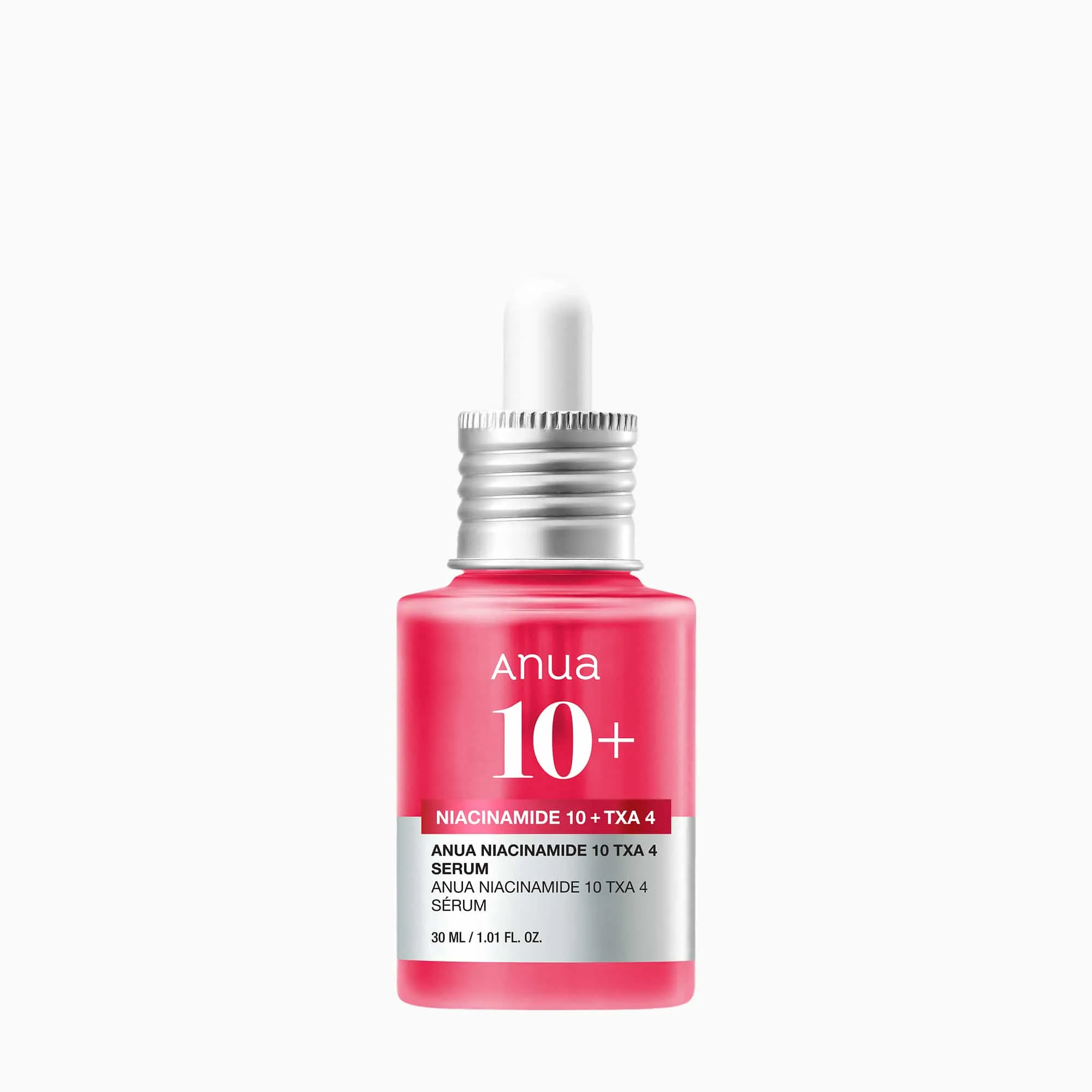
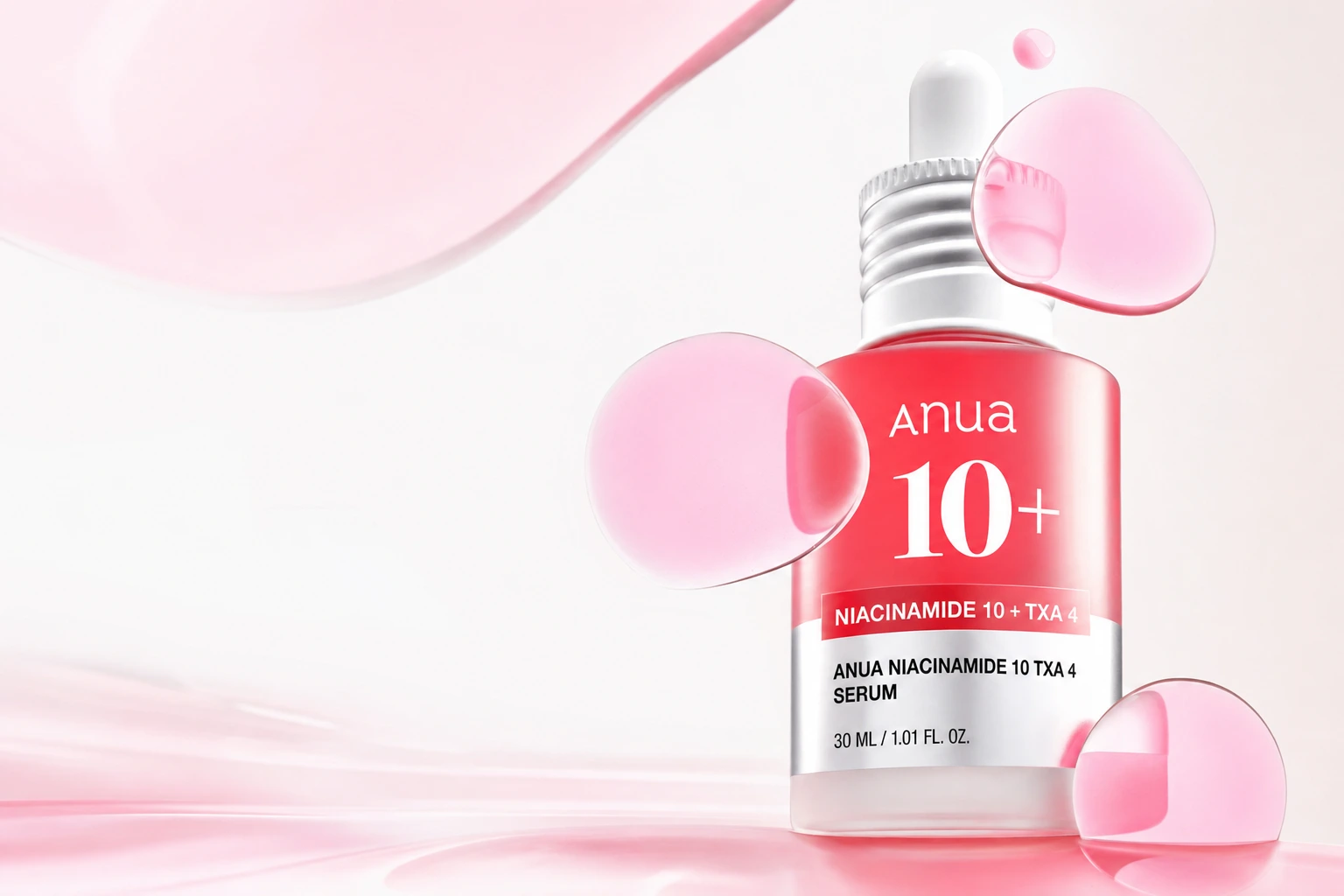
Niacinamide 10 TXA 4 Serum for Brightening and Dark Spots
A serum formulated with 10% Niacinamide and 4% TXA, designed to look more radiant and balanced.
A simple acne-mark routine can look like this:
- Cleanse gently without scrubbing the marked area.
- Apply a mark-matched serum: azelaic acid for red marks, niacinamide plus TXA for brown marks.
- Use moisturizer if the skin feels tight, dry, or easily flushed.
- Apply SPF 50 in the morning, especially when using brightening actives.
- Reassess after 8 to 12 weeks, not after a few applications.
What formulation details affect results?
Good brightening formulas balance concentration, pH compatibility, and tolerance instead of relying on one high-strength active.
For TXA, the 2026 recommended cosmetic concentration in the US market is 3%, and formulations exceeding 5% may trigger FDA OTC drug classification under MoCRA (Altameet, 2026). This regulatory context matters because “higher” is not always the most practical or compliant choice for a cosmetic daily routine.
The evidence also supports realistic timelines. In a 2024 clinical evaluation, a topical protocol using 3% Tranexamic Acid (TXA) showed a 13% reduction in dark spot intensity and an 8% improvement in skin luminosity after 8 weeks (MDPI, 2024). That study used a protocol, not an Anua product claim, but it supports the broader point that TXA-based routines are measured over weeks.
Compatibility is another reason niacinamide and TXA are often paired. TXA remains biochemically stable in a pH range of 5.0 to 6.5, while niacinamide is typically formulated around pH 5.5 to 5.8 (Altameet, 2026). That overlap explains why a niacinamide serum can pair well with a TXA toner when the rest of the routine is not overloaded.
The pairing of niacinamide and tranexamic acid is generally compatible when the skin tolerates both products. The more important question is whether your total routine already includes exfoliating acids, retinoids, benzoyl peroxide, vitamin C, or multiple high-active products.
Alternate instead of layering if:
- Your skin stings when you apply moisturizer.
- The same routine already includes retinol or exfoliating acids.
- You are using a strong vitamin C product in the morning.
- Your marks are red and irritation-prone rather than mainly brown.
- You are new to 10% niacinamide or TXA.
For a dedicated routine structure, see the Niacinamide and TXA Dark Spot Routine Guide. If buying from a marketplace or unfamiliar seller, the How to Spot Fake Anua Products Before You Buy guide can help you check packaging and seller signals before starting a routine.
How can TXA fit into a retinol break?
Tranexamic acid is a lead active in brightening products.
Tranexamic acid is a popular ingredient choice for maintaining a skincare routine while addressing dark spots.
If you are pregnant, trying to conceive, breastfeeding, using prescription acne care, or managing a diagnosed pigment condition, ask a clinician before using retinoids or changing a treatment plan.
A brightening serum can be chosen based on individual skincare goals.
How do you choose the right brightening serum?
Choose the serum by mark color, tolerance, and formula style, then give the routine at least two renewal cycles.
The K-beauty market has moved strongly toward TXA. Approximately 60% of new K-beauty brightening launches in 2026 use TXA as a lead active (Altameet, 2026). That popularity does not make TXA the answer for every mark, but it does explain why users now see TXA in toners, serums, ampoules, and spot products.
Formula style matters too. A Skinsort product comparison lists Niacinamide 10 TXA 4 Serum for Brightening and Dark Spots as having 51 ingredients, while VT Cosmetics TX Toning Essence is listed with 23 ingredients (Skinsort, 2024). That is not automatically good or bad. It signals different formulation philosophies: multi-active synergy versus a more minimalist formula.
Use this decision table when choosing among common brightening actives:
| Main concern | Ingredient direction | Good fit when | Watch-out |
|---|---|---|---|
| Brown PIH after acne | Niacinamide plus TXA | Spots are flat and brown | Do not judge results before 8 weeks |
| Red or pink PIE | Azelaic acid or TXA | Redness follows breakouts | Avoid harsh exfoliation on reactive skin |
| Melasma-like patches | TXA plus strict sunscreen | Patches look symmetrical or clustered | Seek professional care if persistent |
| Diffuse dullness | Niacinamide, vitamin C, hydration | Tone looks flat without defined spots | Too many actives can increase irritation |
| Fresh acne inflammation | Barrier support, azelaic acid, gentle routine | Marks are still red or irritated | Brightening is secondary until calm |
| Freckles | Sunscreen and realistic expectations | Spots are long-standing and genetic | Topicals may have limited visible effect |
For mild early PIH in your 20s, a multi-active Korean ampoule is not automatically overkill, but it can be unnecessary if the spots are faint and the routine is already active-heavy. Start with one mark-matched serum, protect with sunscreen, and add complexity only if your skin tolerates the base routine.
Build a mark-matched brightening routine
Choose a serum by mark color and keep sunscreen consistent while the active works across several renewal cycles.
FAQS