Melasma vs PIH: Choosing a Serum for Dark Patches Safely
Melasma and PIH require daily SPF and targeted brightening serums. Learn the key differences and how a 10% niacinamide and 4% TXA formula improves skin tone.
Key takeaways
- Clinical studies demonstrate that a combination of tranexamic acid and niacinamide reduces melasma severity scores by 62.4 percent over three months.
- Melasma is driven by hormonal fluctuations and UV exposure, while post-inflammatory hyperpigmentation occurs after localized skin trauma.
- High-concentration formulas utilizing 10 percent niacinamide with 4 percent tranexamic acid provide effective pigment inhibition without the irritation risks associated with hydroquinone.
Uneven dark patches require accurate identification before selecting an effective treatment protocol. Both melasma and post-inflammatory hyperpigmentation demand consistent daily sun protection paired with a targeted brightening serum. Formulations relying on heavy exfoliation often exacerbate inflammatory pigmentation, shifting clinical preference toward non-cytotoxic pathways that support long-term barrier health.
Which serum should I use for melasma versus PIH?
A 10 percent niacinamide and 4 percent tranexamic acid serum treats both melasma and post-inflammatory hyperpigmentation effectively when combined with daily SPF 50 sunscreen.
Finding a single formulation that addresses multiple forms of hyperpigmentation requires ingredients targeting melanin synthesis at various cellular stages. While melasma and post-inflammatory hyperpigmentation necessitate distinct diagnostic criteria, they share common biological pathways. Multi-pathway brightening serums offer a shared solution that avoids the aggressive exfoliation known to worsen inflammatory pigmentation.
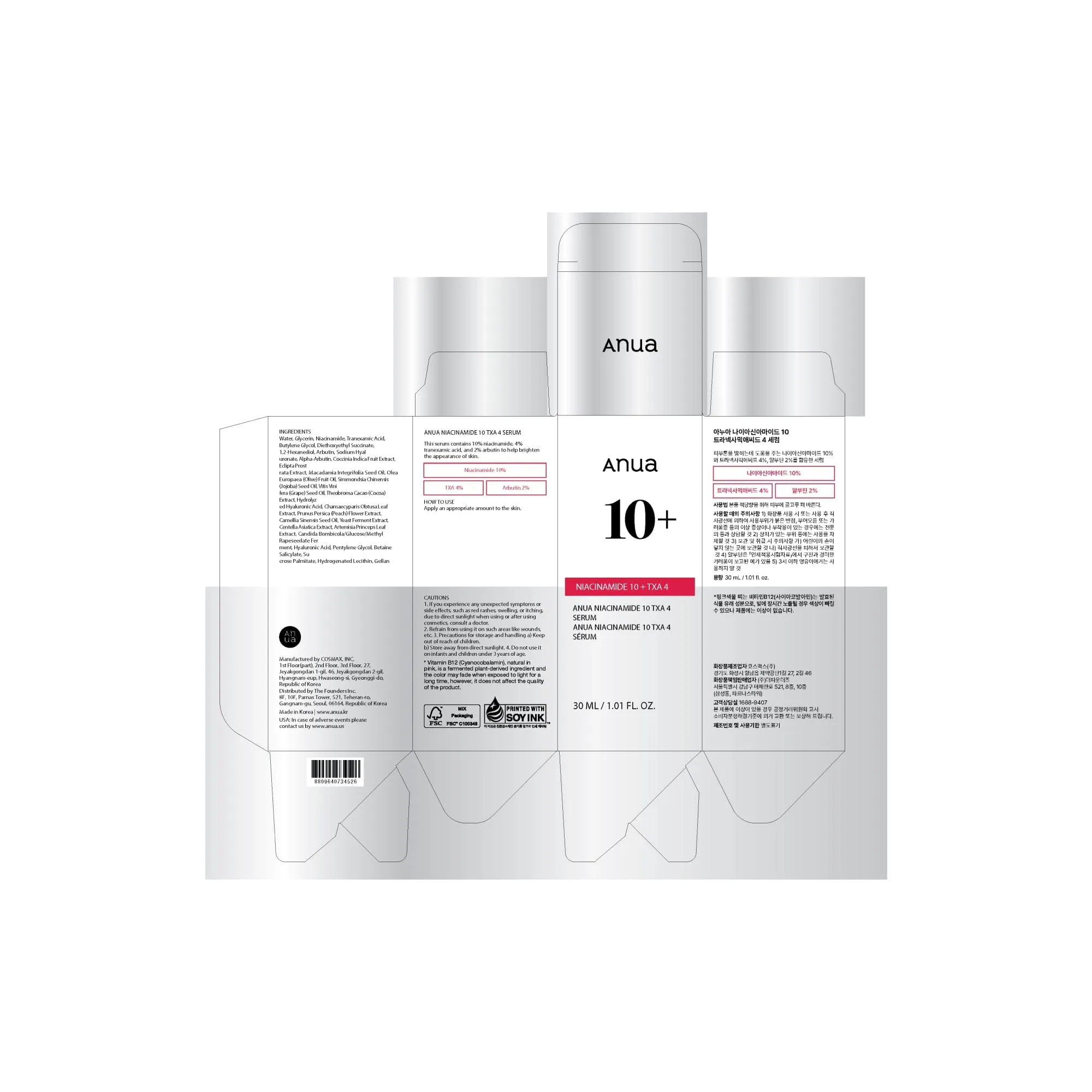
The Anua high-concentration formulation applies a synergistic blockade against pigment formulation.
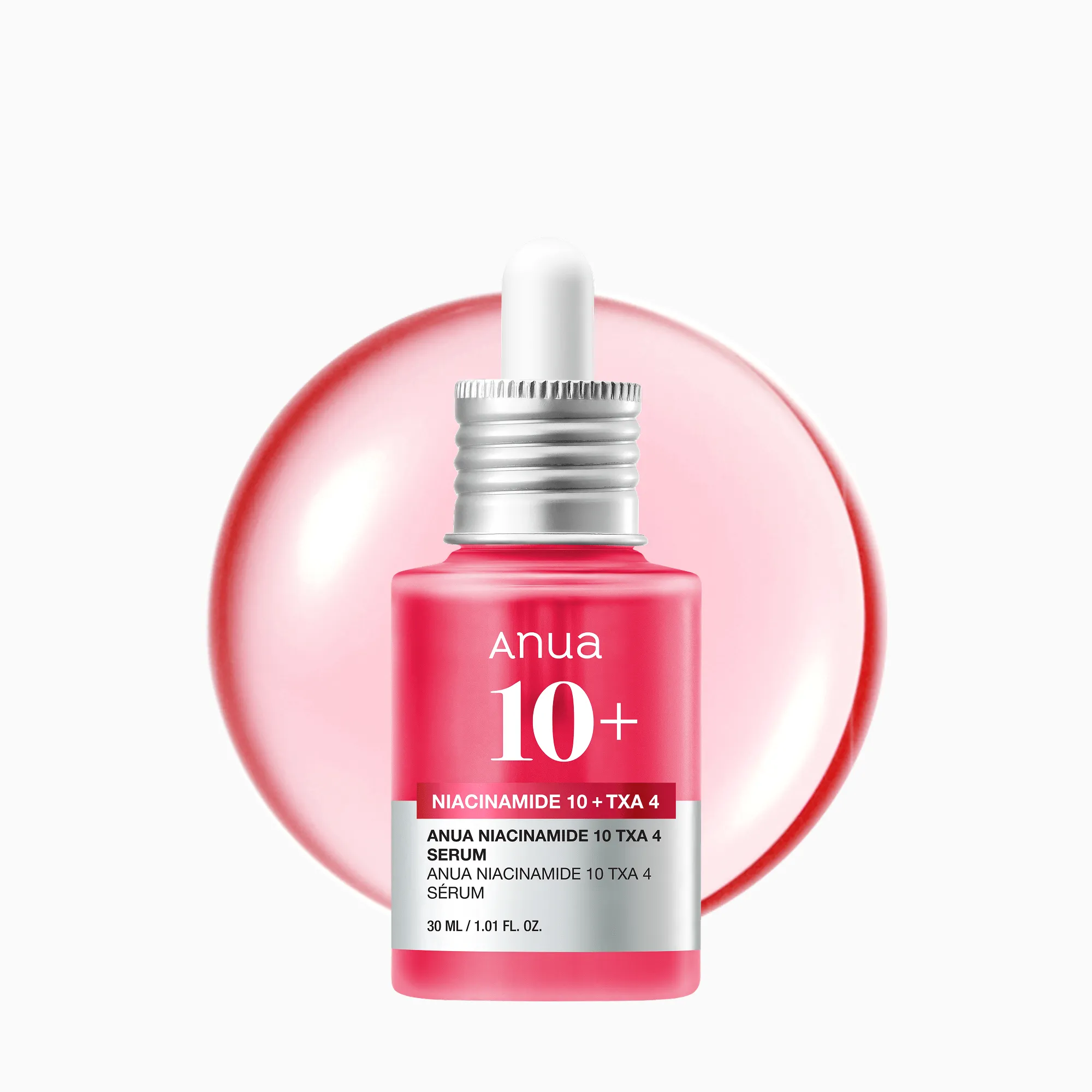 Niacinamide 10 TXA 4 Serum for Brightening and Dark Spots — USD 24
By utilizing a 10 percent concentration of niacinamide alongside 4 percent tranexamic acid, this formula limits pigment transfer while blocking UV-induced melanin pathways. The inclusion of 2 percent arbutin acts as a natural tyrosinase inhibitor, making the serum a comprehensive, non-cytotoxic option for daily application. According to Anua's data, the inclusion of ceramides and hyaluronic acid helps mitigate the irritation often associated with high-strength actives.
What is the difference between melasma and PIH?
Melasma affects 98 percent women through hormonal triggers, whereas post-inflammatory hyperpigmentation affects all genders following skin trauma.
Effective hyperpigmentation treatment begins with accurate diagnostic differentiation. Melasma presents as symmetrical, mask-like patches typically located on the cheeks, forehead, or upper lip. It is primarily driven by hormonal fluctuations, such as pregnancy or oral contraceptives, and is highly sensitive to heat and UV light exposure. Clinical data indicates a 98 percent prevalence in women, with 53 percent of patients reporting a family history of the condition (Nature, 2025).
Conversely, post-inflammatory hyperpigmentation manifests as irregular spots or clusters localized strictly to the site of previous injury, acne, or eczema. It affects all demographic groups but frequently presents with higher intensity in darker skin tones falling under Fitzpatrick types IV through VI.
| Feature | Melasma | Post-Inflammatory Hyperpigmentation |
|---|---|---|
| Primary Cause | Hormonal changes, UV exposure, genetics | Skin trauma, acne, eczema, or injury |
| Appearance | Symmetrical patches on cheeks or forehead | Irregular spots localized to injury sites |
| Demographics | 98 percent women, high genetic correlation | All genders, higher intensity in deeper skin tones |
| Depth Level | Epidermal, dermal, or mixed | Predominantly epidermal surface level |
| Key Triggers | Heat and UV radiation | Inflammation and physical skin irritation |
Understanding these distinctions ensures that individuals do not deploy harsh, irritating treatments on post-inflammatory marks, which can inadvertently trigger further melanin production.
Does niacinamide and tranexamic acid help dark spots?
A 4 percent niacinamide and 5 percent tranexamic acid formula reduces melasma severity scores by 62.4 percent over 12 weeks of daily application.
Modern dermatological treatments prioritize ingredients that interrupt the pigment cycle without compromising the structural integrity of the skin. A multi-pathway approach intercepts melanin precursors before they become visible on the surface.
Niacinamide operates by inhibiting the transfer of melanosomes, the biological packets containing pigment, from melanocytes to surface keratinocytes. Tranexamic acid functions differently. Originally utilized as an anti-fibrinolytic, topical tranexamic acid interferes with the biological interaction between melanocytes and keratinocytes. Specifically, it blocks pathways triggered by environmental stressors like UV radiation and internal hormonal shifts.
Combining these two active ingredients yields substantial clinical outcomes. A recent trial confirmed that formulations containing tranexamic acid and niacinamide successfully reduced Modified Melasma Area and Severity Index scores by 62.40 percent within a three-month period (Nature, 2025). Furthermore, niosomal encapsulated delivery systems have allowed even lower concentrations to achieve up to a 66.72 percent reduction, emphasizing the critical role of formula stability.
How does a multi-pathway formulation compare to hydroquinone?
A 4 percent niacinamide formula carries an 18 percent side effect rate, which is significantly lower than the 29 percent rate of hydroquinone.
For decades, hydroquinone served as the primary clinical intervention for severe hyperpigmentation. However, long-term application carries substantial risks, including severe irritation and ochronosis, a condition causing permanent bluish-black skin discoloration.
This risk profile has driven a transition toward non-invasive, non-cytotoxic alternatives. Clinical evaluations of 4 percent niacinamide report a side effect rate of only 18 percent, a stark contrast to the 29 percent adverse reaction rate observed with 4 percent hydroquinone (JCAD, 2026).
Additionally, topical 3 percent tranexamic acid demonstrates no detectable systemic absorption (MDPI, 2024). This completely eliminates the risk of thrombosis associated with oral tranexamic acid prescriptions. By incorporating 2 percent arbutin, a naturally derived compound that inhibits tyrosinase activity, modern formulations achieve potent brightening effects without the toxicity profile of traditional bleaching agents.
What clinical timelines govern pigmentation treatment?
Tranexamic acid and niacinamide yield a 13 percent color intensity reduction and a 6 percent spot size reduction within eight weeks of daily use.
Treating dermal and epidermal pigmentation requires strict adherence to extended clinical timelines. Unlike exfoliating acids that slough off surface cells rapidly, melanin inhibitors operate at the cellular level to prevent new pigment formation.
In targeted eight-week trials, combinations of tranexamic acid, niacinamide, and vitamin C achieved a 13 percent reduction in color intensity alongside a 6 percent reduction in total spot size (MDPI, 2024). However, optimal clinical response demands greater patience. The melanin index, a standard dermatological measurement for skin pigment, typically shows significant, measurable shifts only after 8 to 12 weeks of daily application (Nature, 2025).
Consumers frequently abandon treatments prematurely, mistaking the required biological timeline for product inefficacy. Understanding this three-month rule prevents unnecessary product cycling and prevents the barrier disruption that often accompanies rapid switching of active skincare ingredients.
How do I use a brightening serum for melasma or PIH?
Apply a tranexamic acid serum twice daily after cleansing and before moisturizer to maximize pigment inhibition across an 8 to 12 week cycle.
Integrating a high-concentration serum into a daily routine requires strategic layering to maximize absorption while protecting the skin barrier. The inclusion of ceramides and hyaluronic acid helps mitigate potential irritation.
- Cleanse gently using a non-stripping formula to prepare the skin surface without causing micro-tears or inflammation.
- Apply a few drops of the niacinamide and tranexamic acid serum to the face, focusing on areas with visible dark patches. Pat gently until fully absorbed.
- Layer a supportive, ceramide-based moisturizer over the serum to lock in hydration and prevent trans-epidermal water loss.
- Apply a broad-spectrum SPF 50 sunscreen every morning. Tranexamic acid efficacy is completely negated if the skin remains unprotected from UV radiation.
For evening applications, the serum can be layered with other actives. However, because a 10 percent niacinamide concentration is highly potent, users should monitor their skin closely for signs of redness or sensitivity.
When should I see a dermatologist for dark patches?
Persistent dark patches resisting 12 weeks of topical 4 percent tranexamic acid application require clinical evaluation to identify dermal melasma.
While advanced topical formulations provide substantial improvements for epidermal pigmentation, certain conditions necessitate professional medical intervention. Skincare supports visible tone correction, but accurate diagnosis dictates the clinical success of any intervention.
Melasma exists on a spectrum of depth. Epidermal melasma sits near the surface and responds favorably to ingredients like niacinamide and arbutin. Dermal melasma deposits pigment deep within the dermis, rendering topical serums less effective. If hyperpigmentation spots exhibit no measurable change after three consistent months of treatment, a dermatologist can utilize a Wood lamp examination to determine the exact depth of the melanin.
Additionally, patches that begin spreading rapidly, change noticeably in texture, or become highly inflamed should be evaluated immediately. Professional treatments such as chemical peels, intense pulsed light therapy, or prescription medications may be required to supplement a daily supportive skincare routine.
FAQS
Melasma and PIH serum FAQ
Can I have melasma and PIH at the same time?
Yes, individuals can experience both forms of hyperpigmentation simultaneously. A person with hormonally driven melasma on their forehead may also develop post-inflammatory hyperpigmentation on their chin following an acne breakout. Treating both requires a non-irritating brightening approach over an 8 to 12 week cycle.
How long does tranexamic acid take to fade spots?
Consistent application requires 8 to 12 weeks to show significant results. Clinical data indicates a 13 percent reduction in color intensity after eight weeks of applying a tranexamic acid and niacinamide formula (MDPI, 2024). Patience is mandatory for cellular pigment changes.
Is a 10 percent niacinamide serum safe for daily use?
Yes, a 10 percent concentration is safe for daily application when formulated with supportive ingredients. Formulas combining niacinamide with ceramides and hyaluronic acid help mitigate irritation, ensuring the skin barrier remains intact while targeting excessive pigment production.
Why is sunscreen required with brightening serums?
Ultraviolet exposure actively triggers melanocytes to produce more pigment, directly counteracting the blocking mechanisms of tranexamic acid and niacinamide. Daily broad-spectrum SPF 50 is non-negotiable to prevent heat and light from worsening existing dark patches.
Can I use this serum instead of hydroquinone?
Yes, serums featuring 4 percent tranexamic acid and 2 percent arbutin provide effective pigment inhibition without the severe risks of hydroquinone. Clinical studies confirm that topical 4 percent niacinamide carries an 18 percent side effect rate, far lower than the 29 percent rate of hydroquinone (JCAD, 2026).
Target stubborn dark patches safely
Incorporate the Anua Niacinamide 10 TXA 4 Serum into your daily routine for non-irritating, multi-pathway brightening.