Glass Skin Routine by Skin Type: A K-Beauty Step-by-Step Guide
Glass skin is a look of hydration and light reflection, not a permanent skin change. Here is a calm, dermatology-informed K-beauty routine you can adapt for oily, dry, combination, and sensitive skin.
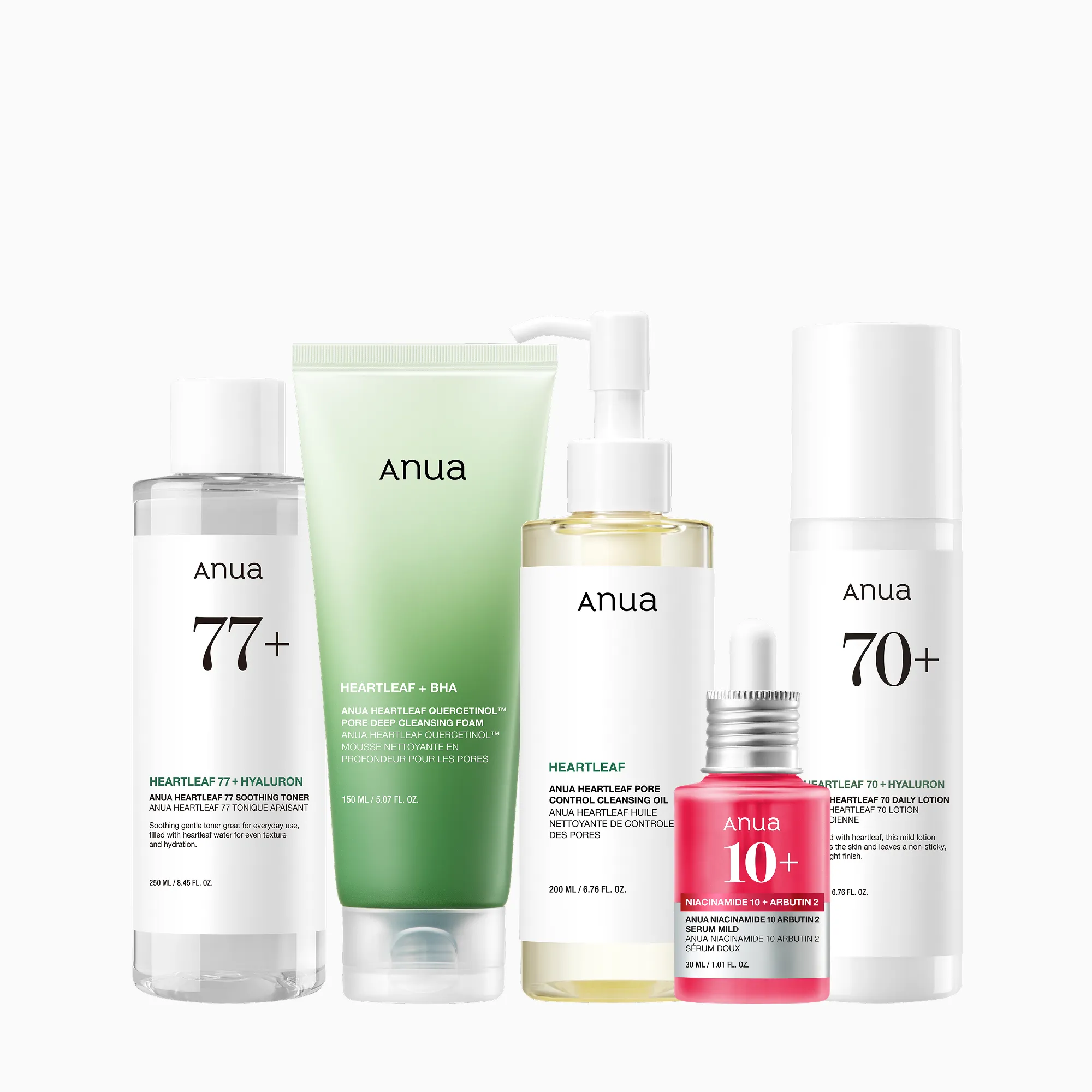
A glass-skin routine is a layered Korean approach built around hydration and a healthy skin barrier, where well-moisturised, smooth skin reflects light to look dewy and luminous, and you adapt the same step order to suit oily, dry, combination, or sensitive skin.
What "glass skin" actually means
Glass skin is a cosmetic look of smooth, evenly toned, hydrated skin that reflects light like a clean pane of glass, not a medical category or a permanent transformation. The effect comes mostly from moisture and a smooth surface: as Dermstore explains, glass skin "has more to do with a lit-from-within healthy glow than it does with the physical feel of the skin," and "the look is achieved with ample moisture content in the skin" (Source).
That framing matters for expectations. You are optimising hydration, barrier health, and the way light bounces off a smooth surface, so results build with consistent care and ease off if you stop. Think of it as a maintainable look rather than a one-time fix.
The canonical glass-skin step order
The reliable sequence is cleanse, then hydrating toner, then essence or serum, then moisturiser, and finally sunscreen in the morning. Dermatologists confirm the underlying principle that "the sequence in which you apply your skin care products affects how well the products work," recommending you wash with a gentle cleanser, apply any treatment, then moisturiser and sunscreen (Source). K-beauty simply adds light, water-based hydrating layers (toner and essence) between cleansing and moisturiser.
A common worry is that this means a rigid ten-step ritual. It does not. The AAD's guidance is that "more is not more" and that "consistency matters more than a 10-step routine" (Source). Layering helps, but a streamlined, consistent version of these steps is what actually delivers the look.
| Step | Purpose | AM | PM |
|---|---|---|---|
| Cleanse | Remove debris without stripping | Light/rinse | Gentle or double cleanse |
| Hydrating toner | First water-based hydration layer | Yes | Yes |
| Essence / serum | Targeted hydration and glow ingredients | Yes | Yes |
| Moisturiser | Seal in water, support barrier | Yes | Yes (or richer) |
| Sunscreen | Protect even, luminous result | Yes | — |
| Treatment / mask | Boost hydration or recovery | Optional | Optional |
Cleanse gently so you do not strip the glow
Glass skin starts with a low-stripping cleanse, because a harsh wash undermines the barrier you are trying to support. Dermatologists advise using "a gentle, non-abrasive cleanser," noting that "harsh cleansing or scrubbing can irritate the skin" (Source). The goal is clean, comfortable skin, not a tight, squeaky finish.
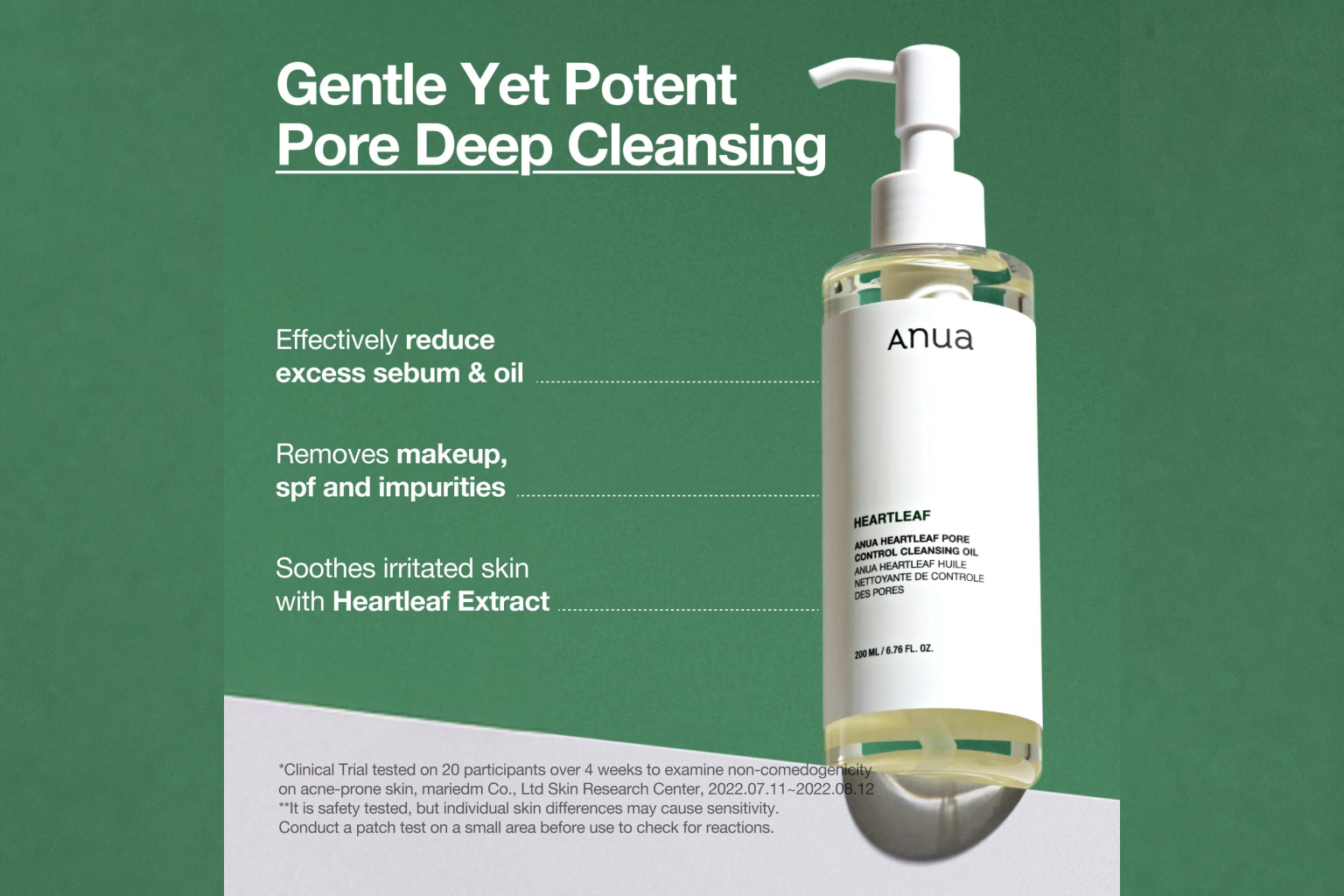
A hydrating gel cleanser is an easy way to keep that balance, and at night oily or makeup-wearing skin can double cleanse (an oil or balm first, then the gel) while dry or sensitive skin often does well with a single evening wash.
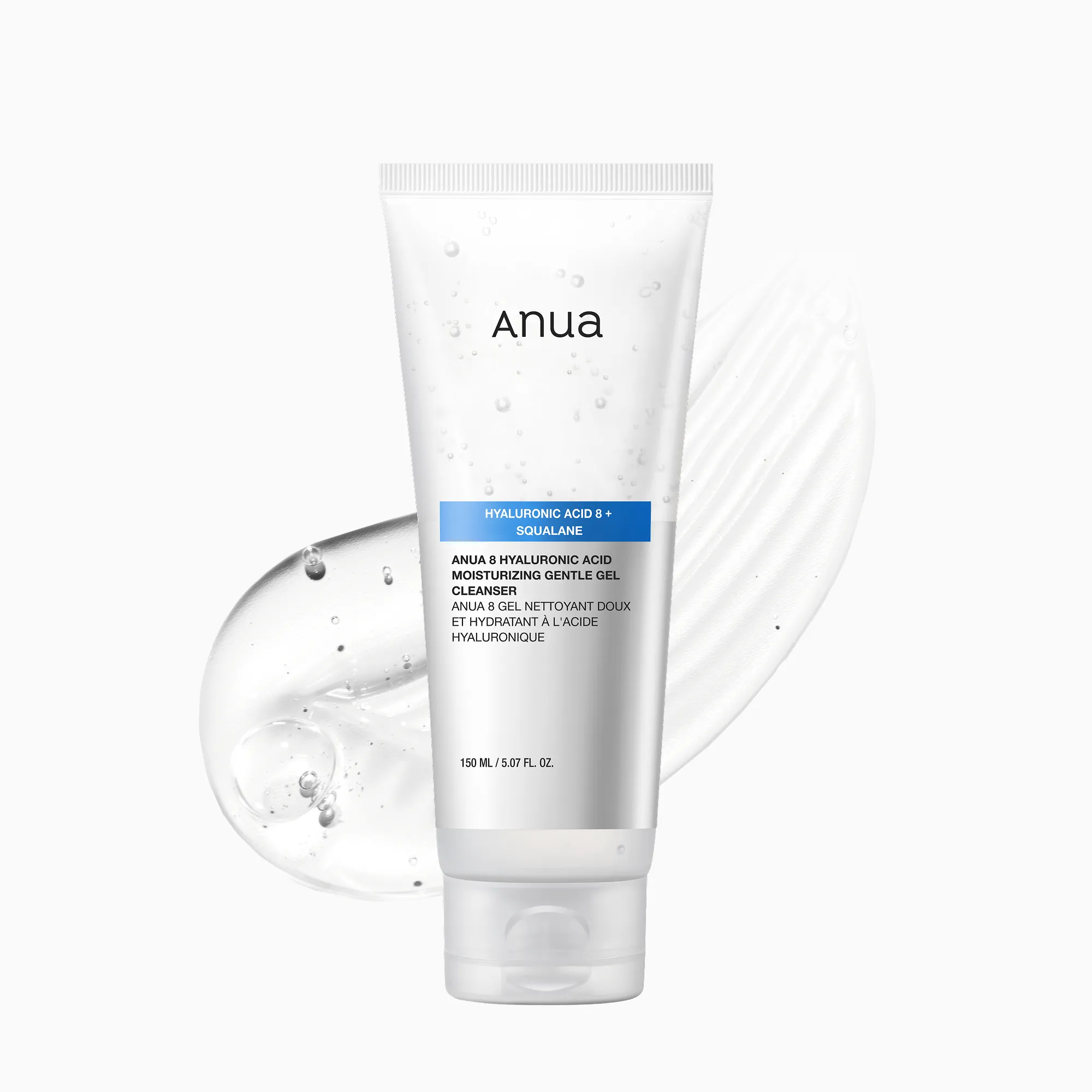
8 Hyaluronic Acid Moisturizing Gentle Gel Cleanser
A low-stripping gel cleanser with hyaluronic acid that cleans without leaving skin tight, a calm first step for any glass-skin routine.
Build hydration: the glow ingredients that matter
Hydration is the engine of glass skin, and a few well-studied ingredients carry most of the work. Hyaluronic acid is the headline humectant: it "acts as a biologic humectant, thus retaining water in the skin," and in a six-week study a topical HA serum produced a 134% increase in skin water content immediately after application and a sustained 55% increase at week six, with the investigator observing increased light reflection from the face (Source). That light reflection is exactly the glass-skin effect.
Niacinamide supports the barrier so hydration lasts: research notes that "it is established that NIA reduces transepidermal water loss and improves skin hydration and pliability" (Source). For texture and tone, dermatologists highlight ceramides, "which keep your skin hydrated," and hyaluronic acid, "which improves skin texture and reduces the appearance of fine lines" (Source). PDRN (polynucleotides) and heartleaf are popular K-beauty companions for a comfortable, calm feel layered alongside these humectants.
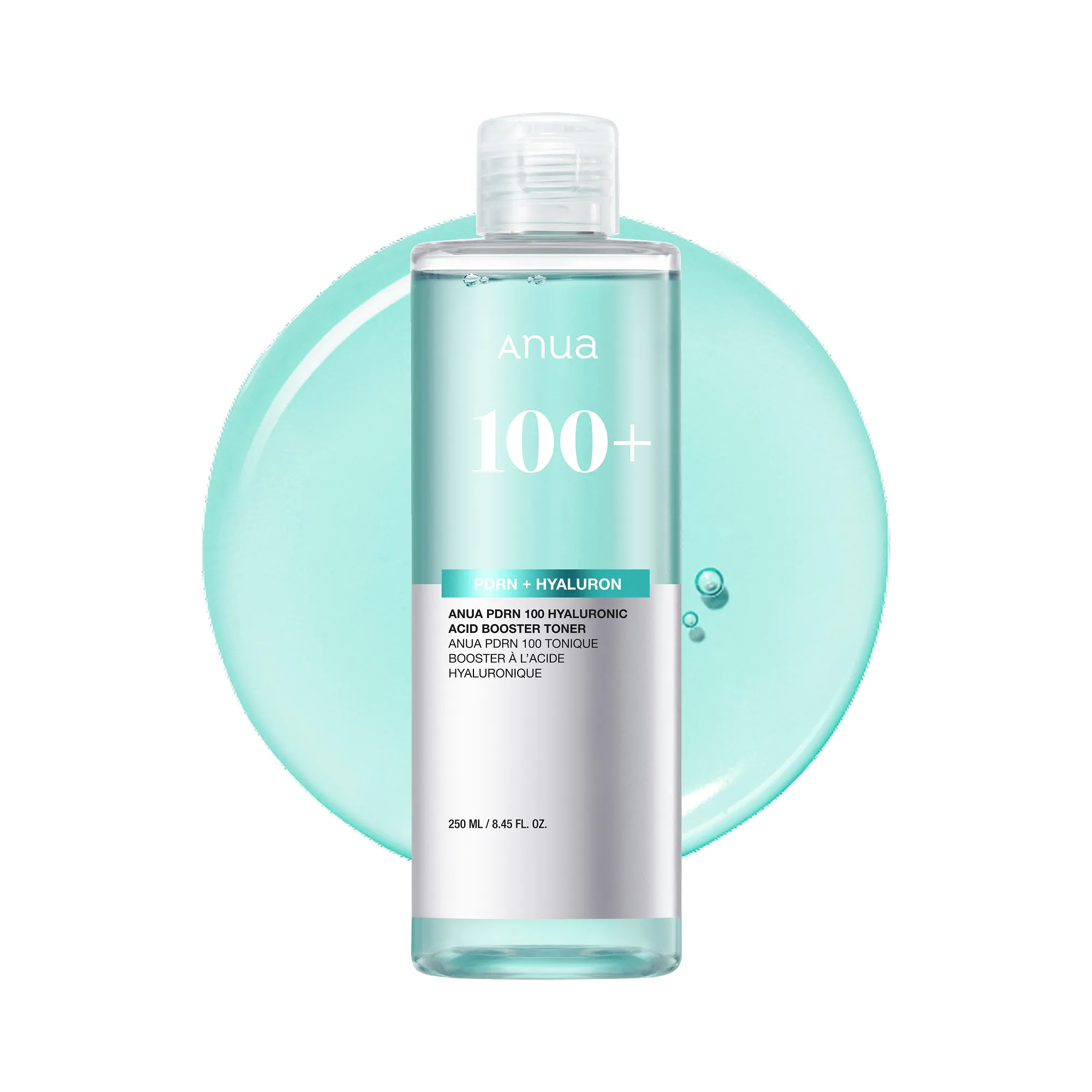
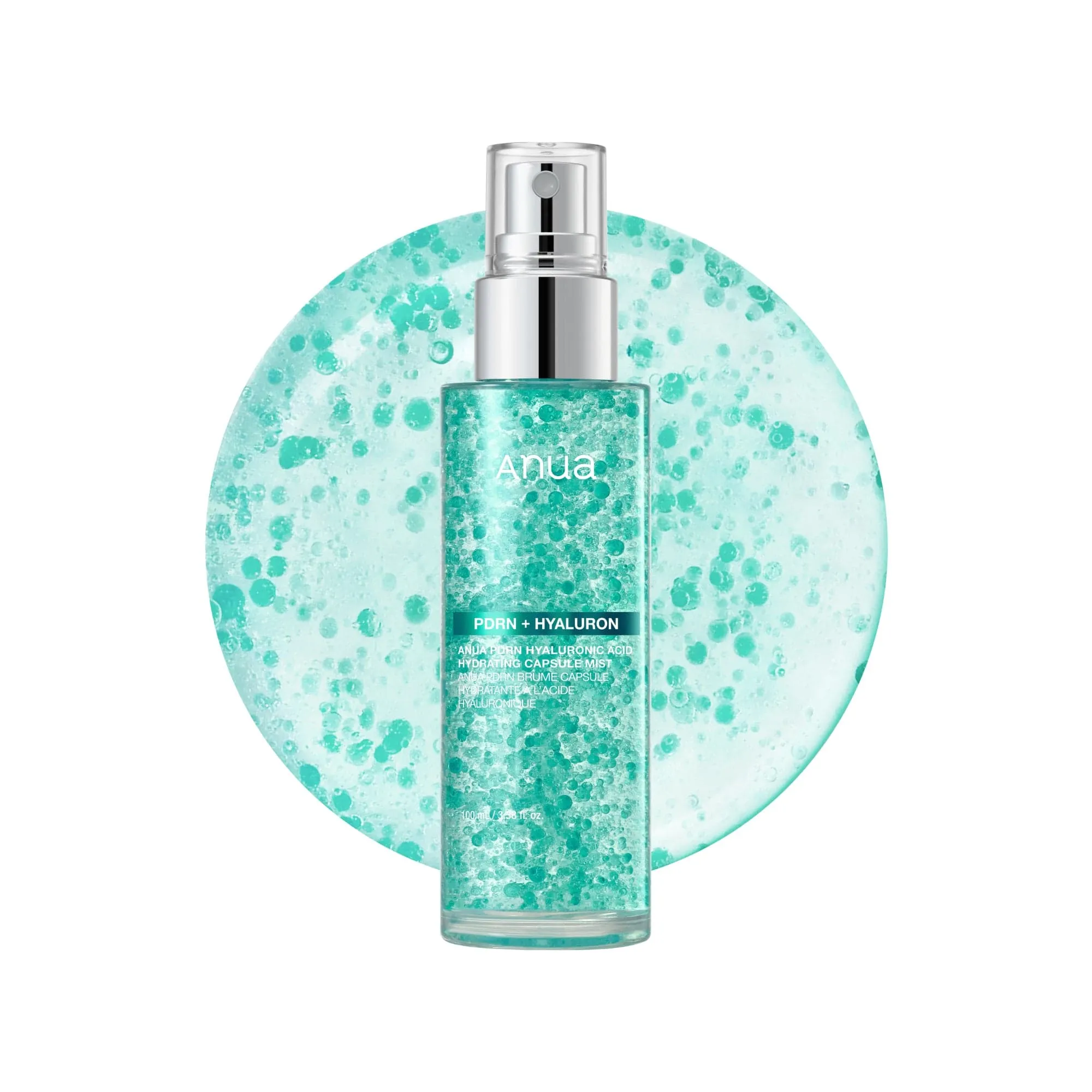
PDRN 100 Hyaluronic Acid Booster Toner
A hydrating booster toner pairing PDRN with hyaluronic acid, designed as the first watery layer that plumps and preps skin for serum and moisturiser.
A step-by-step glass-skin routine
Here is the core routine to follow daily, adjusting richness and cleansing by skin type and time of day.
- Cleanse with a gentle, low-stripping cleanser; double cleanse at night only if you wear makeup or sunscreen.
- Press in a hydrating toner as your first water-based layer, patting gently rather than wiping.
- Apply an essence or hydrating serum (hyaluronic acid, PDRN) to build moisture and glow.
- Lock it in with a moisturiser suited to your skin type, lighter for oily, richer for dry.
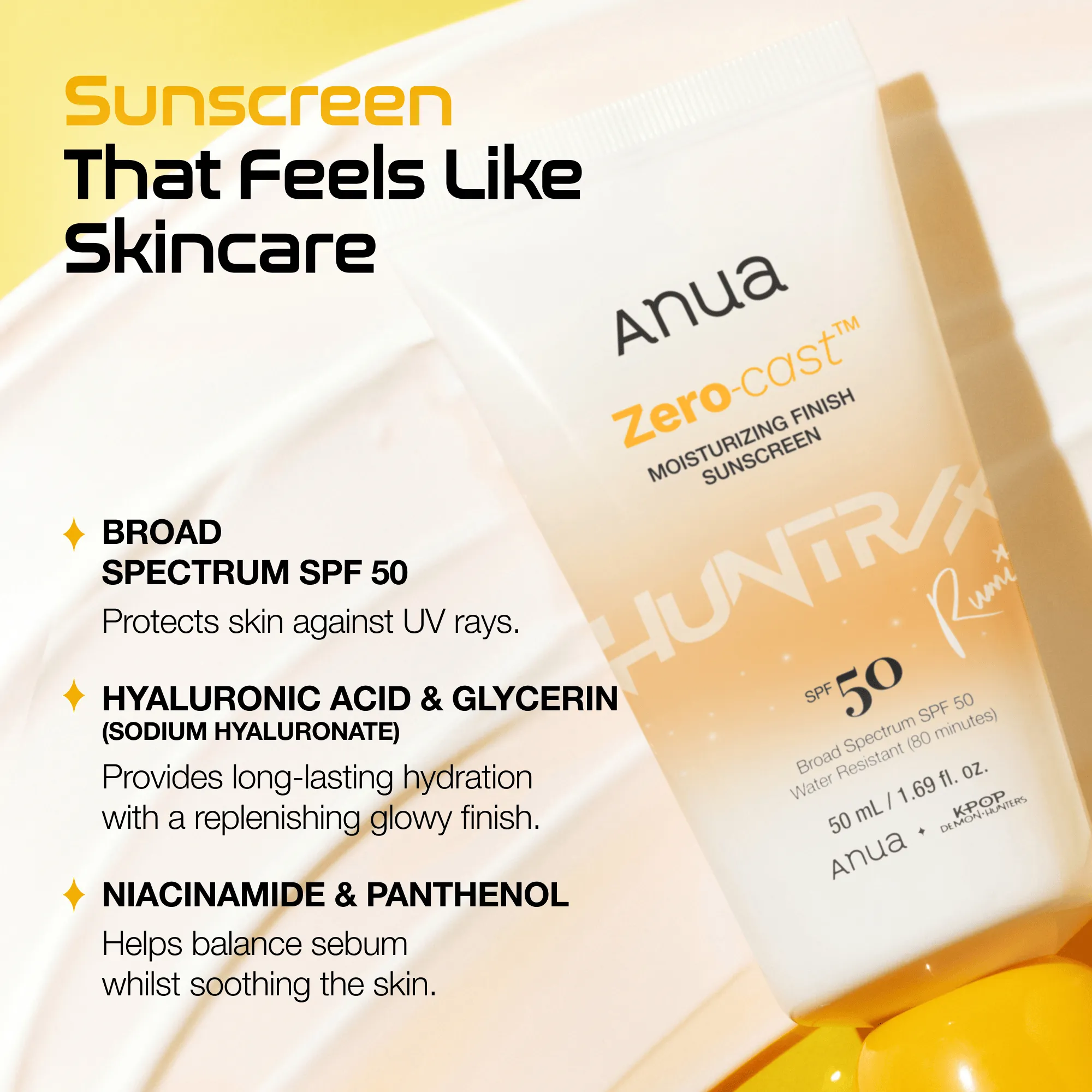
- In the morning, finish with a broad-spectrum sunscreen; at night, swap in a treatment, mask, or patch as needed.
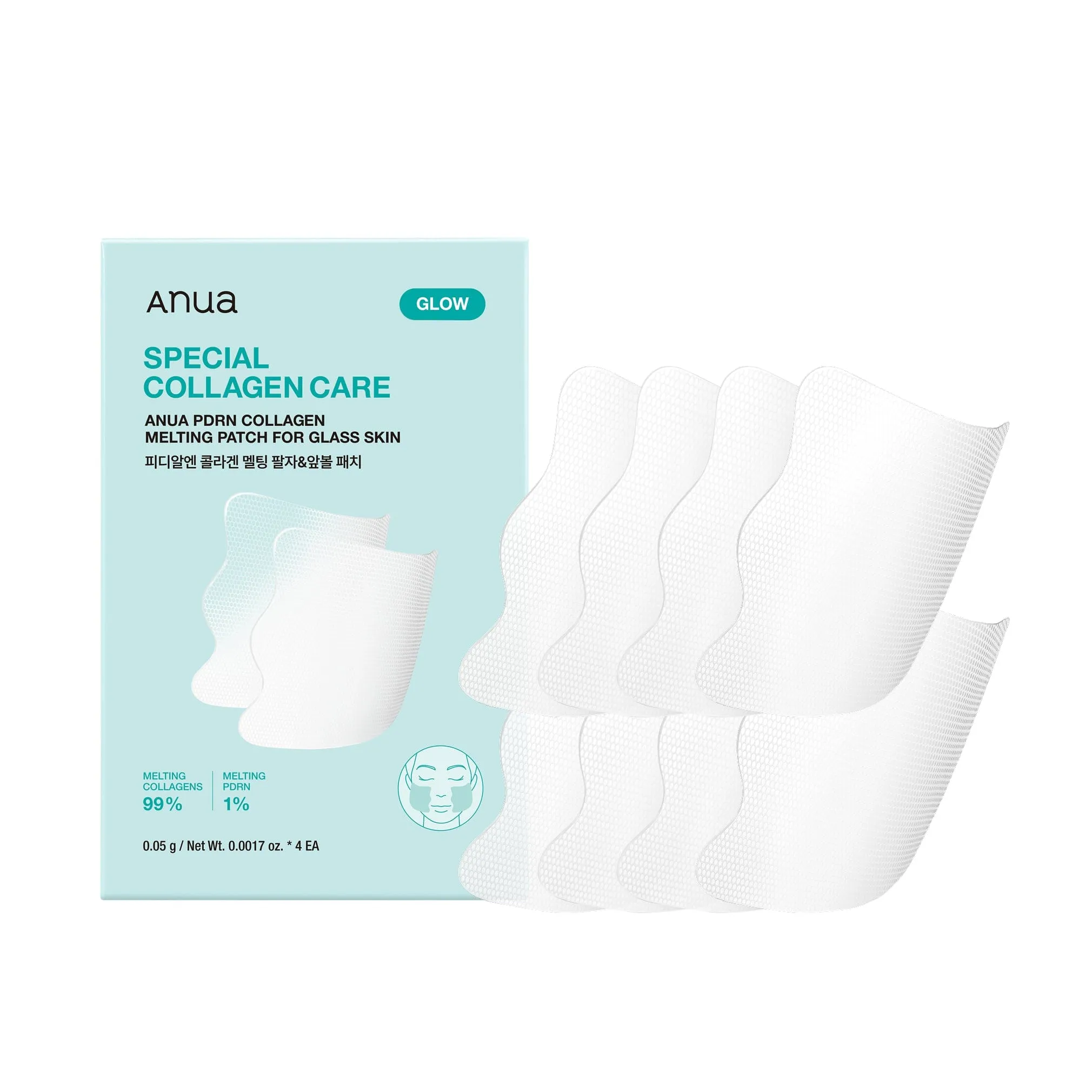
For an occasional PM boost, an overnight patch adds a focused hydration step before bed without changing your base routine.
PDRN Collagen Melting Patch For Glass Skin 4ea
An overnight melting patch for a targeted, dewy hydration step on nights when skin wants extra recovery.
Adapt the routine to your skin type
The steps stay the same; what changes is texture, layering, and how much you cleanse. Use the table as a starting point and adjust to how your skin feels.
| Skin type | Cleanse | Hydration layers | Moisturiser | Notes |
|---|---|---|---|---|
| Oily | Gel cleanse AM/PM | Light, watery toner + serum | Lightweight gel-cream | Avoid heavy oils that look greasy rather than dewy |
| Dry | Gentle once at night | Extra toner + essence layer | Richer cream | Layer hydration while skin is still damp |
| Combination | Gel cleanse, focus T-zone | Even layers, lighter on T-zone | Medium, zone as needed | Balance shine and dry patches |
| Sensitive | Mild single cleanse | Calming, fragrance-light layers | Soothing barrier cream | Introduce one new product at a time |
For sensitive, redness-prone skin especially, a calming heartleaf toner keeps the hydrating layers comfortable. Dermatologists advise that fragrance-free options are "safer and gentler for sensitive skin" and that you "introduce one new product at a time" so you can spot what your skin tolerates (Source).
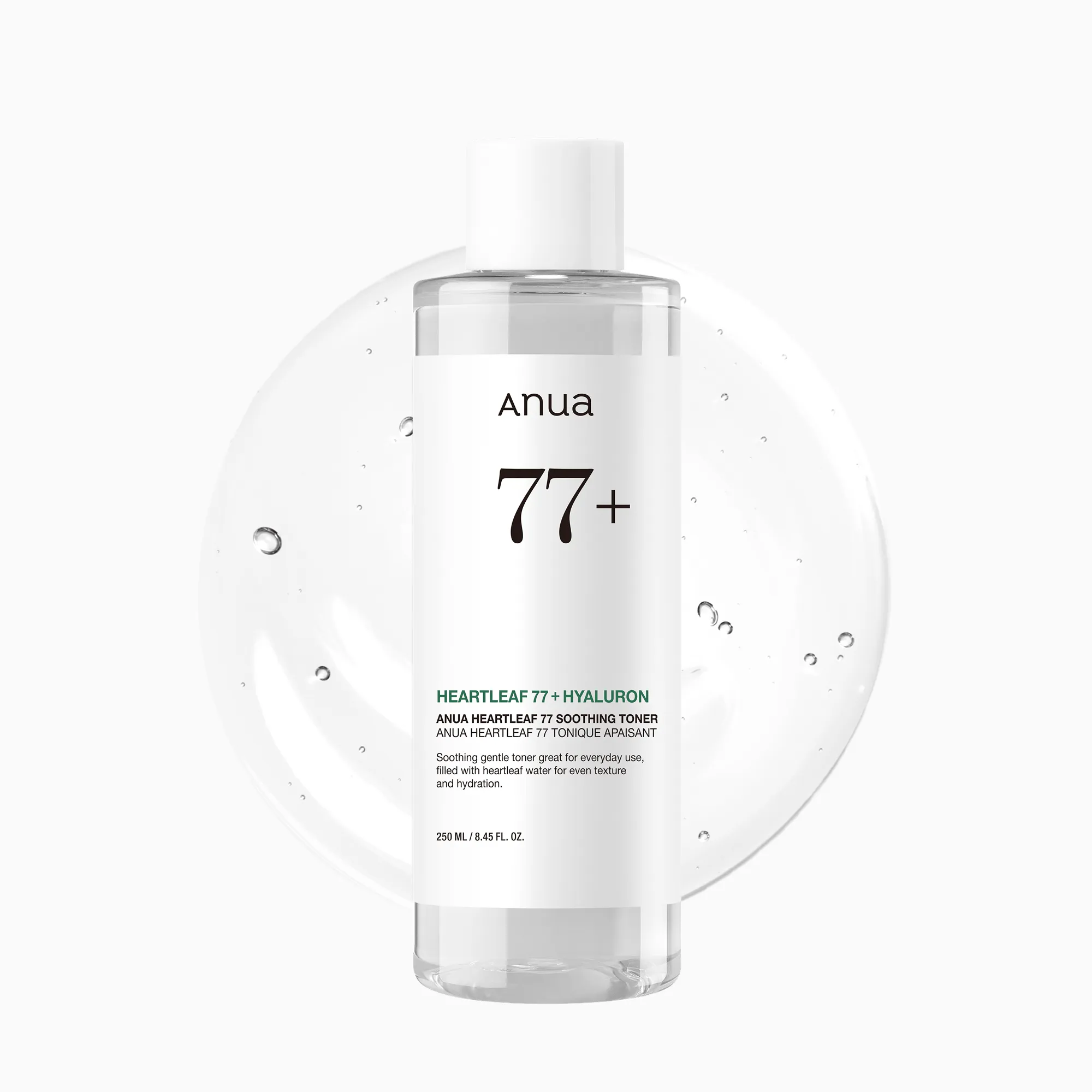
Heartleaf 77 Soothing Toner
A calming heartleaf toner for sensitive or redness-prone skin, used as a gentle hydrating layer that keeps the routine comfortable.
Protect the result with daily sunscreen
Morning sunscreen is what keeps glass skin even and luminous over time, not just a box to tick. In a four-year randomised trial, participants using sunscreen daily showed "24 percent less skin aging than those in the discretionary group," with the benefit seen across all daily users regardless of age (Source). Protecting against uneven tone and texture preserves the smooth, light-reflecting surface your hydration layers create.
Start your glass-skin routine
Explore Anua's hydrating sets and barrier-friendly steps to build a dewy, glass-skin routine for your skin type.
Frequently asked questions
FAQS
Frequently asked questions
Is glass skin permanent?
No. Glass skin is a look produced by hydration and light reflection, and it relies on ample moisture in the skin rather than a permanent change (Source). It builds with consistent care and softens if you stop your routine, so think of it as something you maintain.
Which ingredient matters most for glass skin?
Hydration leads, and hyaluronic acid is the standout humectant. A topical HA serum raised skin water content by 134% immediately after application and held a 55% increase at week six, with visible improvement in light reflection (Source). Pairing it with barrier-supporting niacinamide helps that hydration last.
Do I need a full 10-step routine?
No. Dermatologists note that "more is not more" and that "consistency matters more than a 10-step routine" (Source). A streamlined cleanse, toner, serum, moisturiser, and sunscreen done daily outperforms a long routine used sporadically.
Will a glass-skin routine make oily skin worse?
Not if you adjust the textures. Oily and combination skin can use lightweight, watery hydrating layers and a gel-cream rather than heavy oils, so skin looks dewy instead of greasy. The same step order applies; only the formulas change.
How does sunscreen help glass skin?
Daily sunscreen protects the even, smooth surface that makes skin reflect light. In a four-year trial, daily sunscreen users showed 24% less skin aging than discretionary users (Source), helping preserve the luminous result your hydration steps create.