Double Cleansing Morning vs Night: Who Needs Both?
Most skin benefits from double cleansing at night after SPF or makeup, while morning usually needs one gentle cleanse unless skin feels oily.
What is the double cleansing method?
Double cleansing is a skincare regimen that has seen increasing adoption in recent years.
As of 2024, 52% of regular skincare users adopted double cleansing at least three times weekly, according to Dataintelo. A structured double-cleansing regimen can improve post-cleanse moisture barrier metrics by up to 41% according to Dataintelo.
The key is not cleansing more often. The key is matching the cleanse to what is actually on your skin. A sunscreen-heavy day calls for more removal power than a morning after a gentle nighttime routine.
Why is nighttime double cleansing usually essential?
Nighttime double cleansing is useful because SPF, makeup, and pollutants remain on the skin until they are removed during nighttime double cleansing.
Dataintelo identifies nighttime double cleansing as important for removing SPF, makeup, and pollutants. That does not mean every night requires the same intensity. A full-face makeup day, outdoor SPF day, or heavy pollution exposure creates a stronger case than a bare-skin indoor day.
Night cleansing should leave skin clean but not stripped.
Do you need a morning double cleanse?
Most people do not need a morning double cleanse.
A single gentle cleanse is typically sufficient in the morning to preserve the skin’s natural moisture barrier, according to Kyomi Skin.
How do you choose the best oil cleanser for double cleansing?
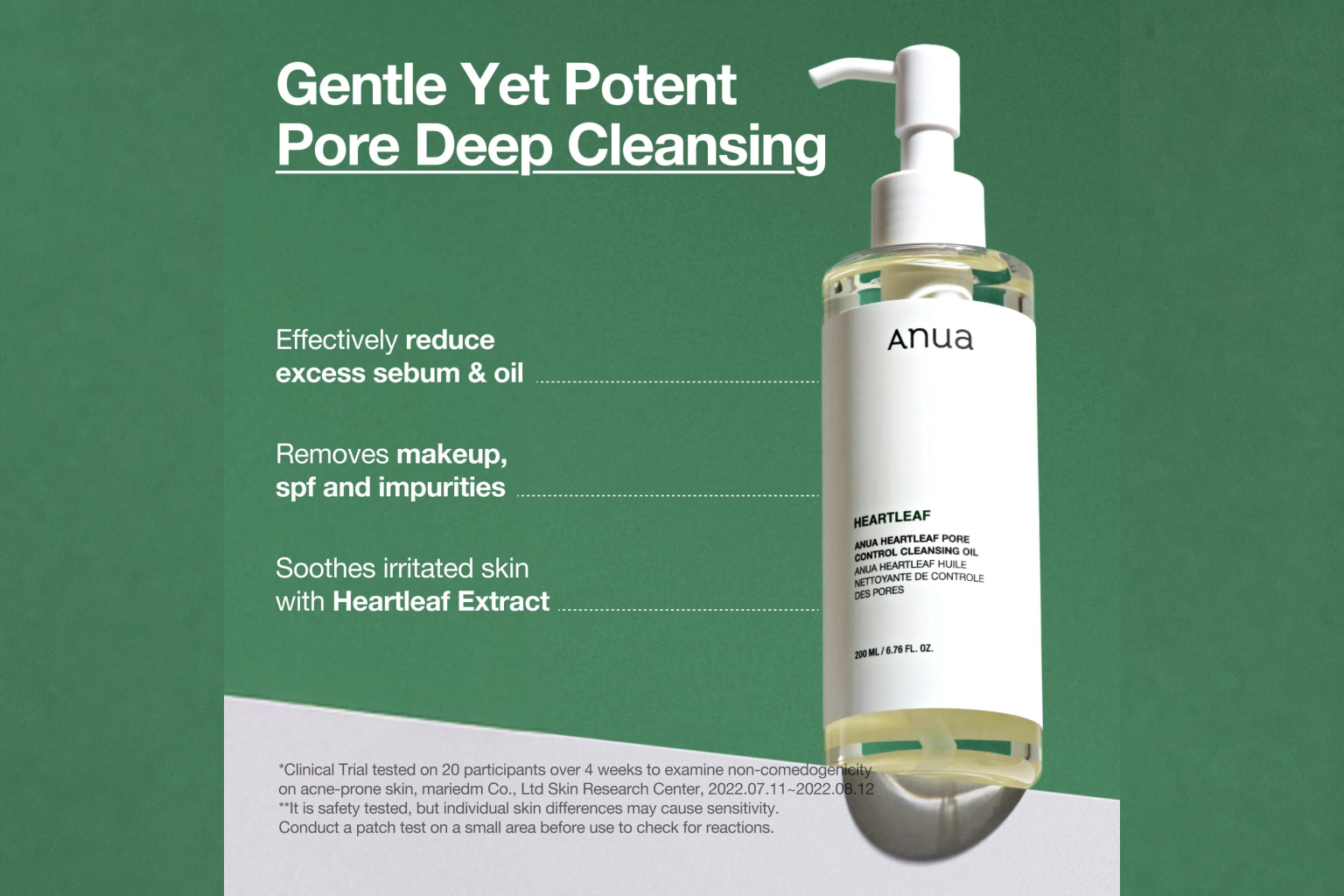
The best oil cleanser for double cleansing rinses cleanly, removes sunscreen, and leaves skin comfortable before the foam step.
Look for behavior on the skin, not just ingredient buzzwords. A good first cleanse should spread easily over dry skin, dissolve sunscreen without hard rubbing, emulsify when water is added, and rinse without a greasy film. The second cleanser should finish the job without making skin feel squeaky.
Helpful criteria include:
- Rinse-off behavior: The oil should turn milky with water and rinse without heavy residue.
- Makeup and SPF removal: It should break down water-resistant sunscreen, base makeup, and sebum-prone areas.
- Barrier comfort: Skin should feel clean, not hot, tight, or rough.
- Pore routine fit: People focused on blackheads should check whether the oil step clears buildup without leaving a coated feeling.
- Second-step pairing: The oil step should be part of a structured double-cleansing regimen.
Are comedogenic ingredients in oil cleansers always a problem?
Comedogenic risk depends on formula, contact time, rinse-off quality, and whether a second cleanse removes leftover residue.
A rinse-off oil cleanser does not behave like a leave-on facial oil. It is massaged briefly, emulsified, and removed. That means acne-prone users should focus less on one isolated ingredient and more on how the full formula performs after rinsing.
Still, some patterns are worth watching. If blackheads or closed comedones increase after starting an oil cleanser, the issue may be a heavy residue, incomplete emulsification, too much product, or skipping the second cleanse. People prone to congestion often do better when the oil step rinses clean and the water-based step finishes without stripping.
The phrase “pore control” should not be treated as a medical promise. It is best read as a routine goal: remove buildup thoroughly enough that pores look cleaner, while keeping the barrier comfortable.
What should lash-extension wearers know before double cleansing?
Lash-extension wearers should avoid oil-based cleansers near extensions because oils can weaken cyanoacrylate adhesive bonds.
Professional lash adhesives commonly rely on cyanoacrylate bonds. Oil-based cleansers can degrade those bonds and lead to premature shedding, according to Lash Affair. The risk is not limited to rubbing oil directly on the eyes. Oils applied to the forehead or cheeks can migrate toward the lash line overnight and affect adhesive retention (Lash Affair, 2026).
Lash aftercare sources also recommend a different cleansing schedule. Prolash recommends washing extensions every 2 to 3 days with specialized, oil-free foam cleansers, while City Lifestyle notes a 24-hour dry curing period after application.
If you wear lash extensions, keep these rules separate from your face-cleansing routine:
- Do not massage cleansing oil through the lash line.
- Avoid heavy oils around the eyes, forehead, and upper cheeks before sleep.
- Use a lash-specific oil-free foam cleanser on the extension area.
- Ask your lash technician what cleanser is compatible with the adhesive they use.
- Treat balms as oil-based unless the brand and lash technician confirm compatibility.
When does a double-cleansing set make sense?
A double-cleansing set makes sense when you wear daily SPF, remove makeup at night, or want fewer decisions at the sink.
A paired set reduces guesswork because the first and second steps are meant to work in the same routine. That is useful if your main issue is not wanting a complicated shelf, but still needing reliable removal at night.
Anua centers ingredient-driven skincare around extracting the essence of each ingredient and using active ingredients at meaningful concentrations. In cleansing, that approach matters because the routine has to remove residue while keeping skin comfortable enough for the rest of your skincare.
Choose a two-step set if:
- You wear sunscreen most days.
- You use makeup, tinted SPF, or long-wear base products.
- You notice clogged-looking pores around the nose or chin.
- One cleanser leaves residue, but stronger foams make skin tight.
- You want a repeatable night routine instead of mixing unrelated cleansers.
Build a night cleanse that matches daily SPF
Choose Anua cleansers when your evening routine needs sunscreen and makeup removal without adding extra morning steps your skin may not need.
FAQS