PDRN for Wrinkles and Anti-Aging: A Korean Skincare Guide
PDRN skincare supports the look of fine lines through hydration and barrier repair, while a nightly retinol step does the heavier anti-aging work. Here is how to set realistic expectations and build a routine around both.
PDRN skincare supports the look of wrinkles mainly by hydrating and helping the skin barrier, so it pairs best with a nightly retinol step rather than replacing it.
PDRN has become one of the most searched ingredients in Korean anti-aging, but the way it works in a serum or patch is different from the way it works in a clinic. This guide separates topical cosmetic PDRN from injectable polynucleotides, explains where each fits, and shows how to build a calm routine that pairs PDRN hydration with retinol for fine lines.
What is PDRN and how does it work on aging skin?
PDRN is a DNA-derived compound that supports tissue repair, and in skincare it mostly acts as a soothing, hydrating, barrier-supporting ingredient.
In regenerative medicine, PDRN is a low-molecular-weight mixture of deoxyribonucleotides obtained through an extraction process from fish sources such as trout sperm, and it is studied as a "prodrug" for impaired wound healing in conditions like diabetes, burns, and ischemia (PMC). Reviews describe its repair activity as working largely through activation of the adenosine A2A receptor and a nucleotide salvage pathway, which together encourage cell migration, new blood-vessel formation, and reduced inflammation (PMC).
That biology is promising, but most of it comes from injected or systemically administered PDRN in wound models, not from a cosmetic serum. A topical study of a purified plant-derived PDRN found it could help heal skin wounds and strengthen the skin barrier (PMC), which is closer to what a cosmetic product can realistically offer: comfort, hydration, and a more resilient-looking surface rather than a measured change in deep wrinkles.
Topical PDRN vs injectable polynucleotides: what is the real difference?
Topical PDRN is a cosmetic hydration-and-repair step, while injectable polynucleotides are a clinical aesthetic treatment with stronger evidence for elasticity and wrinkles.
The clearest anti-aging data comes from injectables. A review of polynucleotides in aesthetic medicine notes that polynucleotide injections, derived from salmon, significantly improved skin elasticity, reduced wrinkles, and enhanced skin firmness in patients with neck skin aging (PMC). A separate expert consensus on highly purified polynucleotides extracted from trout gonads cites a clinical trial on 143 patients that demonstrated improved skin elasticity and hydration, with high patient and physician satisfaction (PMC).
Those results involve a needle placing material into the dermis, which is not what happens when you spray or pat on a serum. A cosmetic PDRN product sits on and within the upper skin and is best judged on hydration, smoothness, and comfort. Reading injectable studies as if they describe a serum is the most common way people end up disappointed.
| Feature | Topical cosmetic PDRN | Injectable polynucleotides (clinical) |
|---|---|---|
| Where it works | Skin surface and barrier | Placed into the dermis by a clinician |
| Realistic role | Hydration, soothing, look-of repair | Elasticity, firmness, wrinkle support |
| Evidence base | Emerging, mostly barrier and hydration | Clinical trials in elasticity and wrinkles |
| Who applies it | You, at home | A trained medical professional |
Can a PDRN serum or patch really help fine lines?
A PDRN serum, mist, or patch can make fine lines look softer by keeping skin plump and hydrated, but it does not remodel deep wrinkles the way clinical treatments do.
Hydration matters more than people expect for the look of early aging. Fine, crepey lines often look deeper on dehydrated skin and softer when the surface is well-moisturized, so a PDRN product that pairs the ingredient with hydrators is a sensible daily step for mature or dehydrated skin. This is supportive, appearance-level care, consistent with the barrier-strengthening role seen for topical PDRN (PMC).
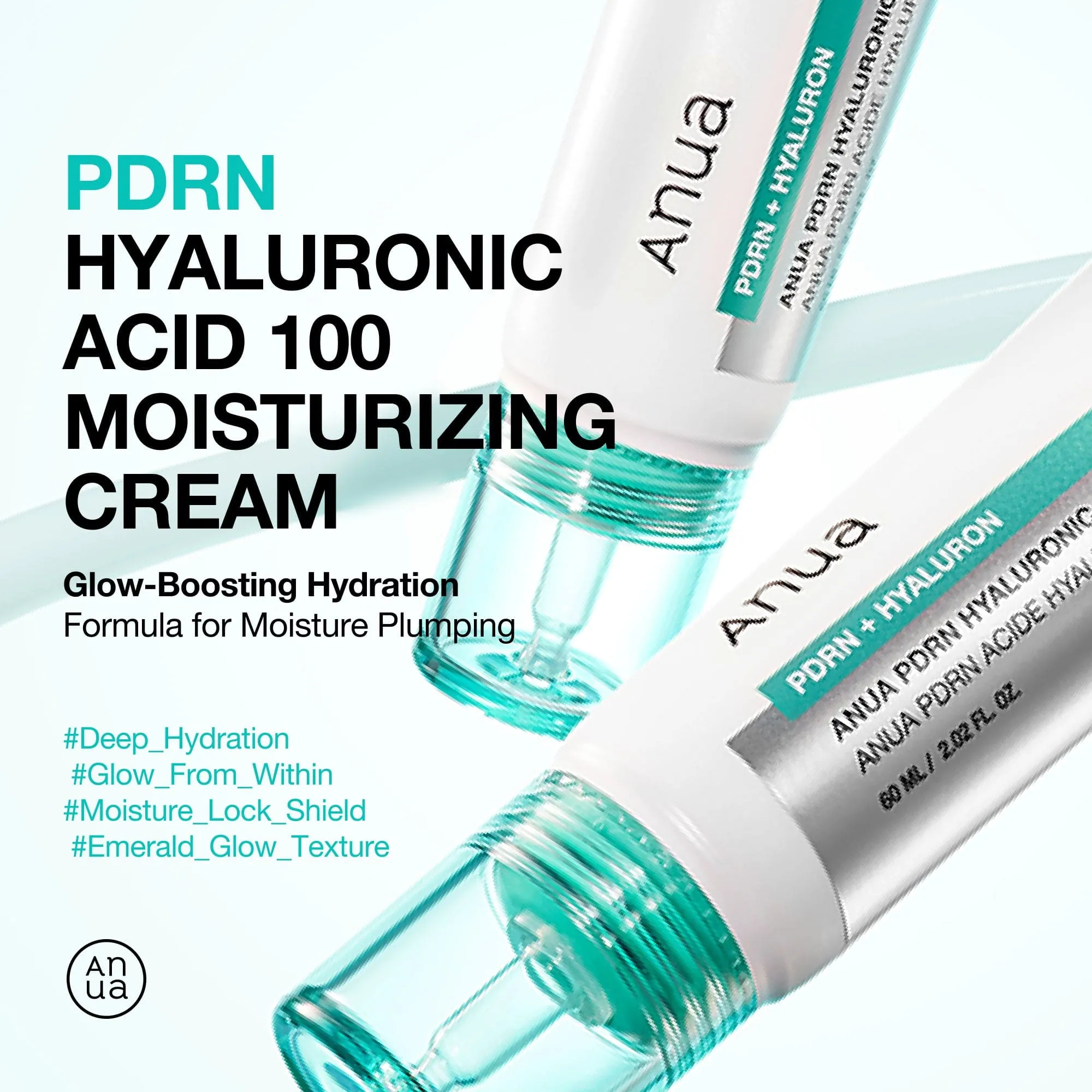
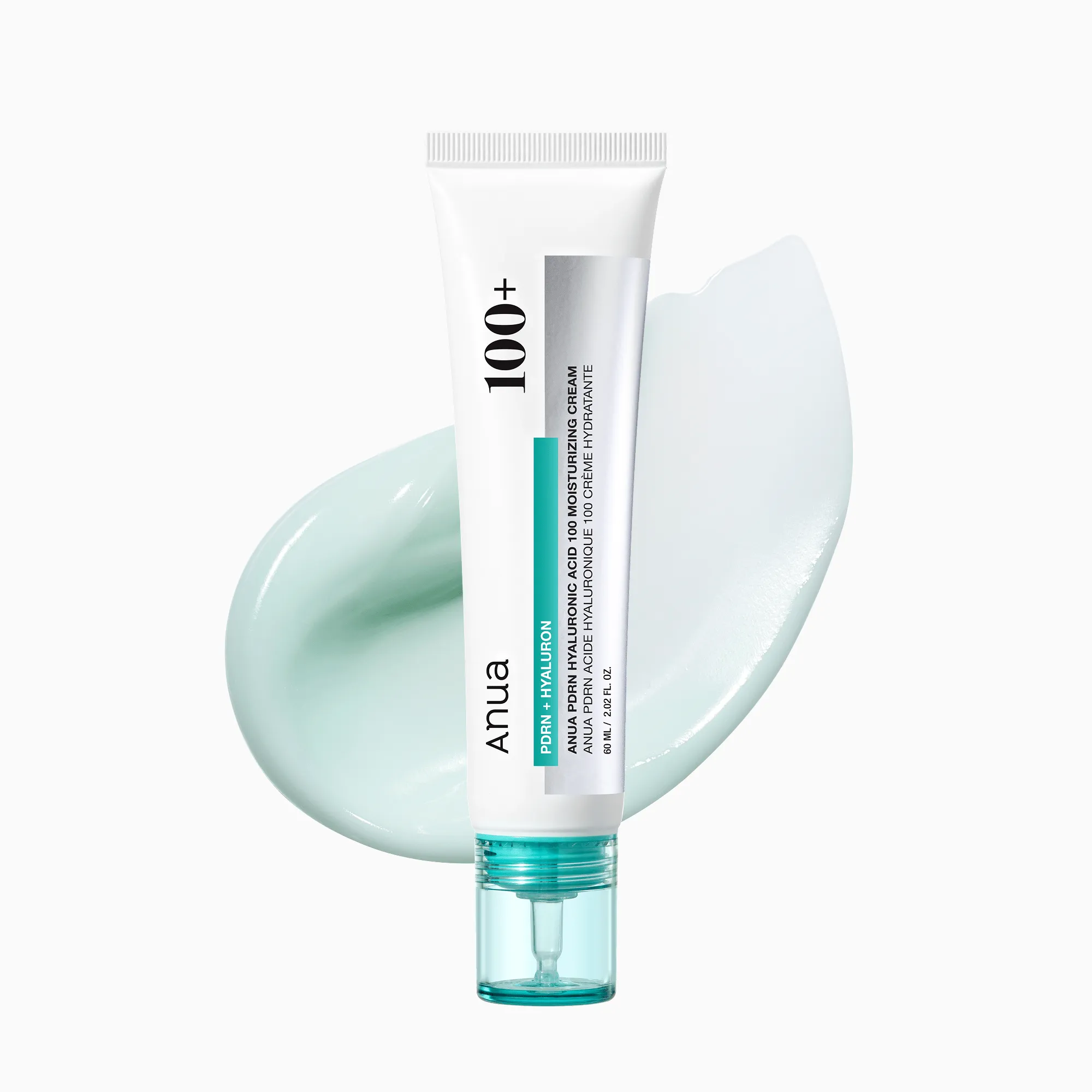
For a layered hydration approach, a set that combines a PDRN serum with complementary steps can simplify a beginner anti-aging routine.
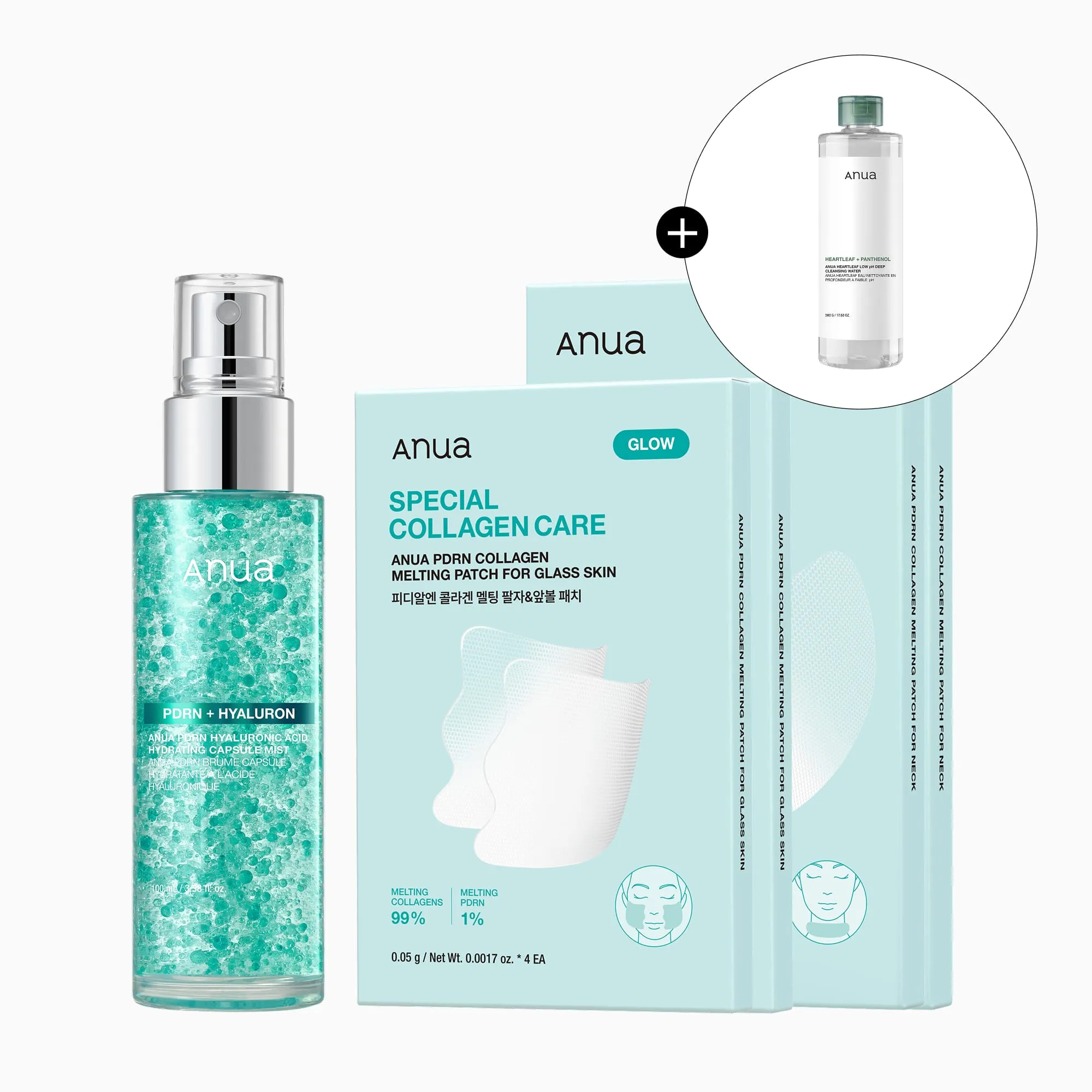
PDRN Collagen Wrinkle Smoothing Set
A PDRN and collagen routine set focused on hydration and the smoothed look of fine lines for mature or dehydrated skin.
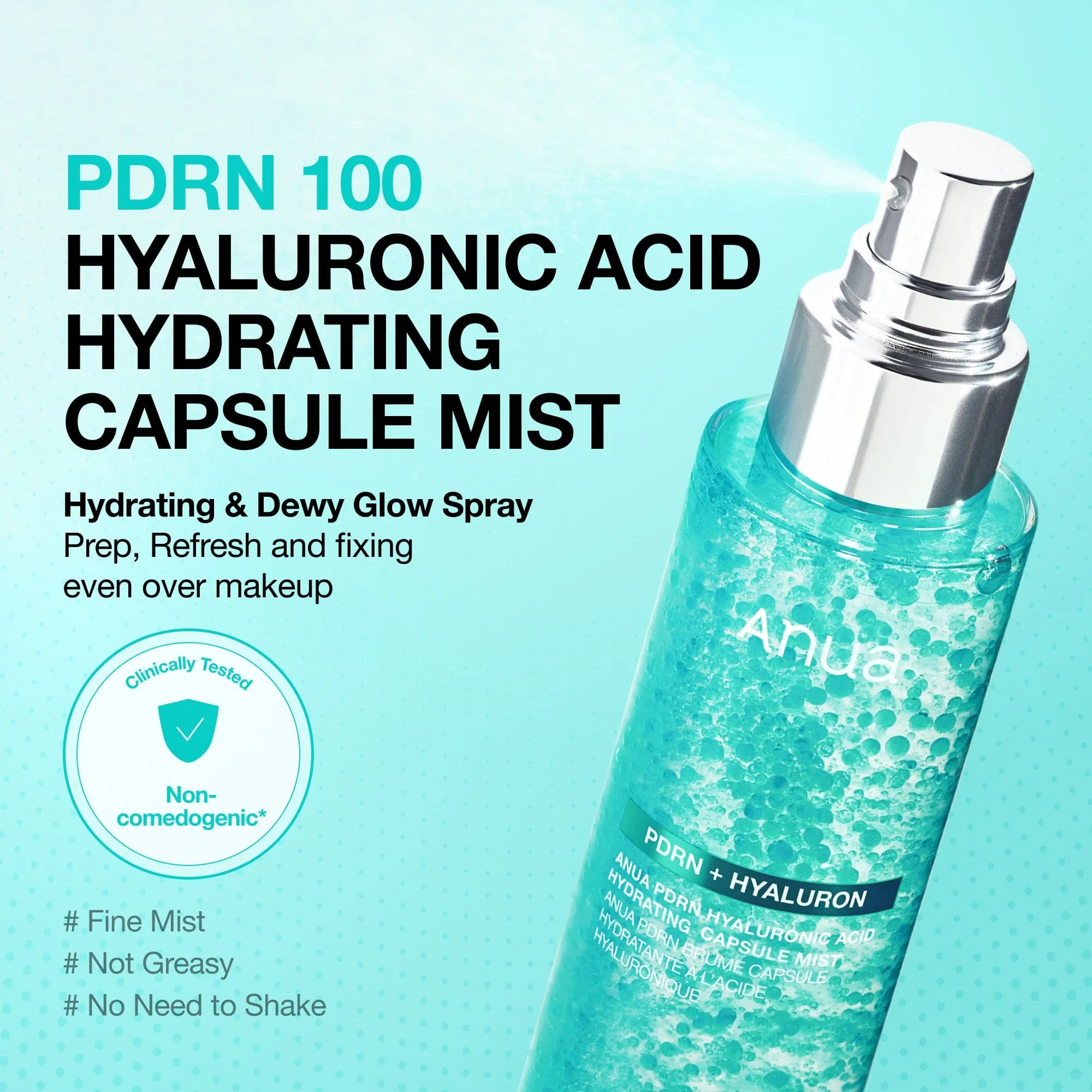
A facial mist is an easy way to add PDRN and hyaluronic acid hydration throughout the day without disturbing makeup, while an overnight patch concentrates hydration on areas that look tired in the morning.
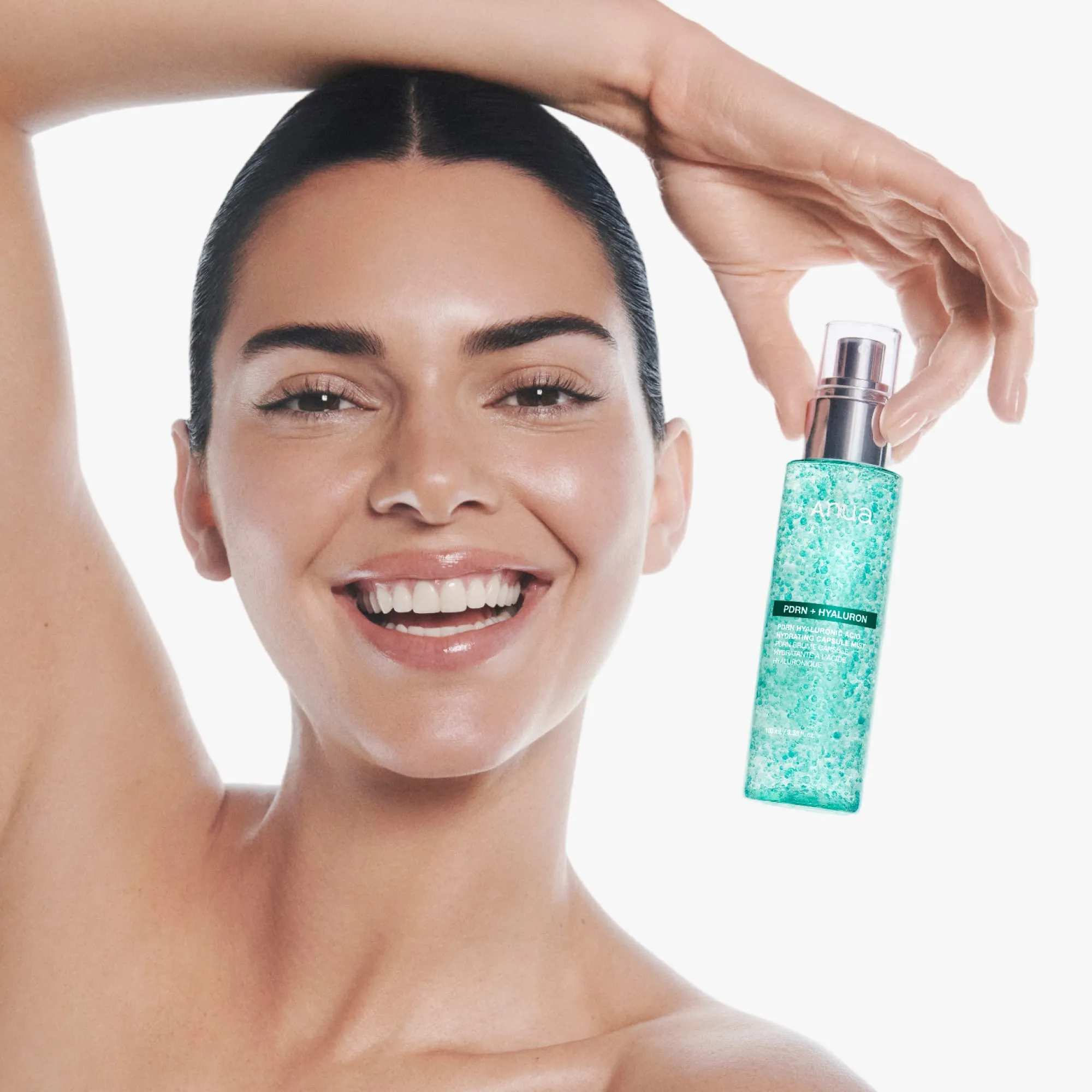
PDRN Collagen Glow Facial Serum Spray
A PDRN and hyaluronic acid hydrating mist for a dewy, plumped look that you can reapply through the day.
PDRN vs retinol for wrinkles: which does what?
For measurable wrinkle and photoaging improvement, retinol has the stronger topical evidence, while PDRN supports hydration and tolerability alongside it.
Retinol is one of the most studied at-home anti-aging actives. An in vivo study comparing topical retinol strengths found that retinol treatment induced a stepwise increase in epidermal thickness and boosted stratum corneum proteins, with 0.3% retinol shown to be better tolerated than 1% retinol, reporting fewer and milder adverse events (PMC). That is why a lower 0.3% strength is a practical starting point: it aims for remodeling benefits while keeping irritation manageable.
The two ingredients are not rivals; they cover different jobs. Retinol drives renewal and the look of fine lines, while PDRN-style hydration helps skin tolerate that work and stay comfortable. Used together at the right times, they are complementary.
| Goal | Better-fit step | Why |
|---|---|---|
| Look of fine lines, renewal | Retinol (PM) | Stronger topical evidence for photoaging |
| Hydration, plumpness, comfort | PDRN serum, mist, or patch | Supports barrier and a smoother surface |
| Soothing during retinol adjustment | PDRN hydration | Helps offset dryness from actives |
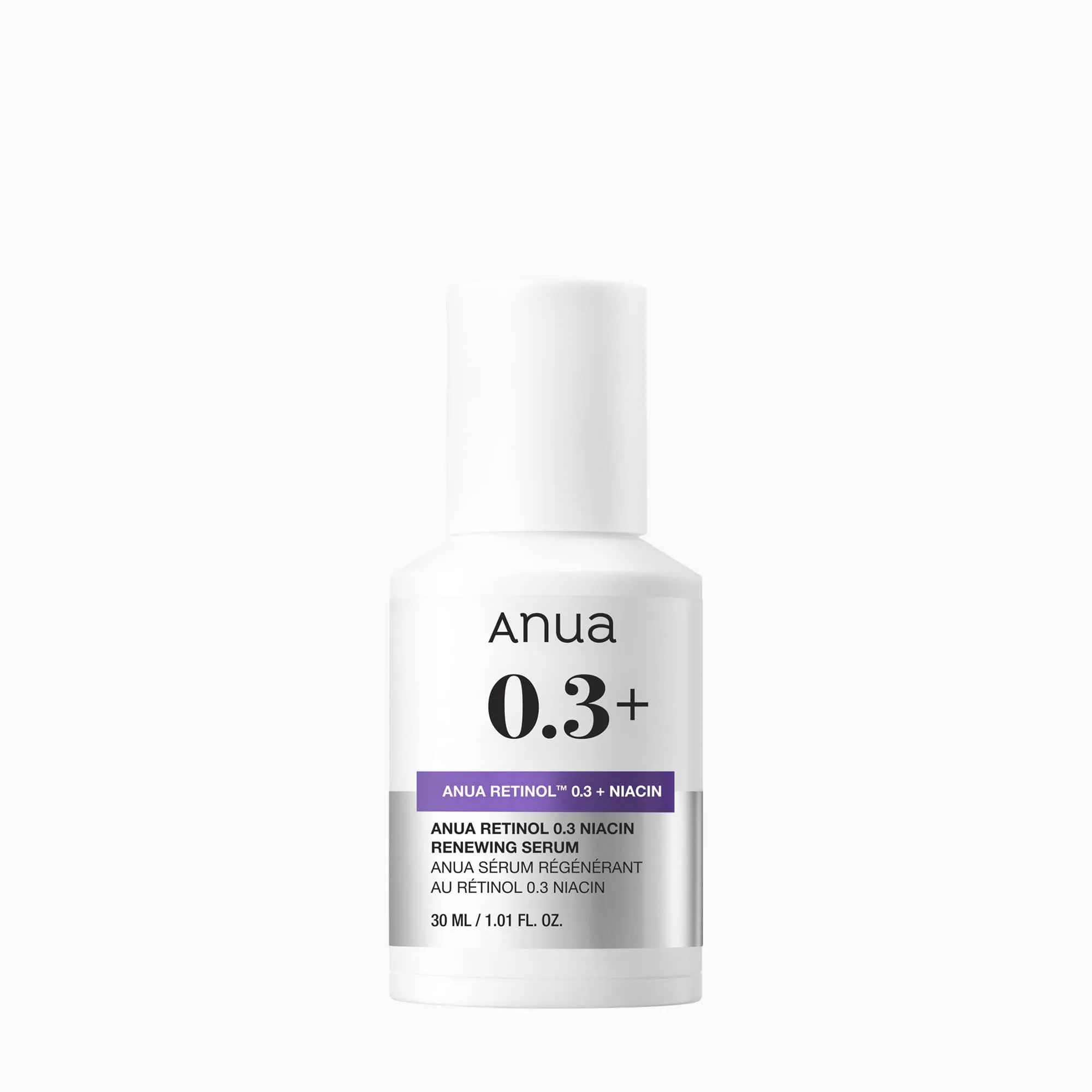
Nano Retinol™ 0.3% + Niacin Renewing Serum
A 0.3% retinol serum with niacinamide for the look of fine lines and texture, designed for nightly use as skin adjusts.
How do you build a Korean anti-aging routine with PDRN and retinol?
Keep PDRN hydration in the morning and across both routines, and reserve the retinol step for night, then protect everything with daily sunscreen.
The simplest structure that respects both ingredients separates them by time of day. PDRN hydration is gentle enough for morning and evening, while retinol belongs at night and benefits from a buffering hydration layer as skin adjusts.
- AM: Cleanse, then apply a PDRN hydration step such as the serum spray for a plumped base.
- AM: Seal with moisturizer and finish with broad-spectrum sunscreen every day.
- PM: Cleanse, then on retinol nights apply a thin layer of Nano Retinol 0.3% to dry skin.
- PM: Follow with PDRN hydration and moisturizer to keep the barrier comfortable.
- PM (off nights): Skip retinol and use a PDRN overnight patch or extra hydration instead.
Start retinol 2 to 3 nights a week and increase only as your skin tolerates it. If a full deep-hydration system is easier to follow than assembling steps, a complete PDRN routine set keeps the moisture side consistent while retinol does the targeted work.
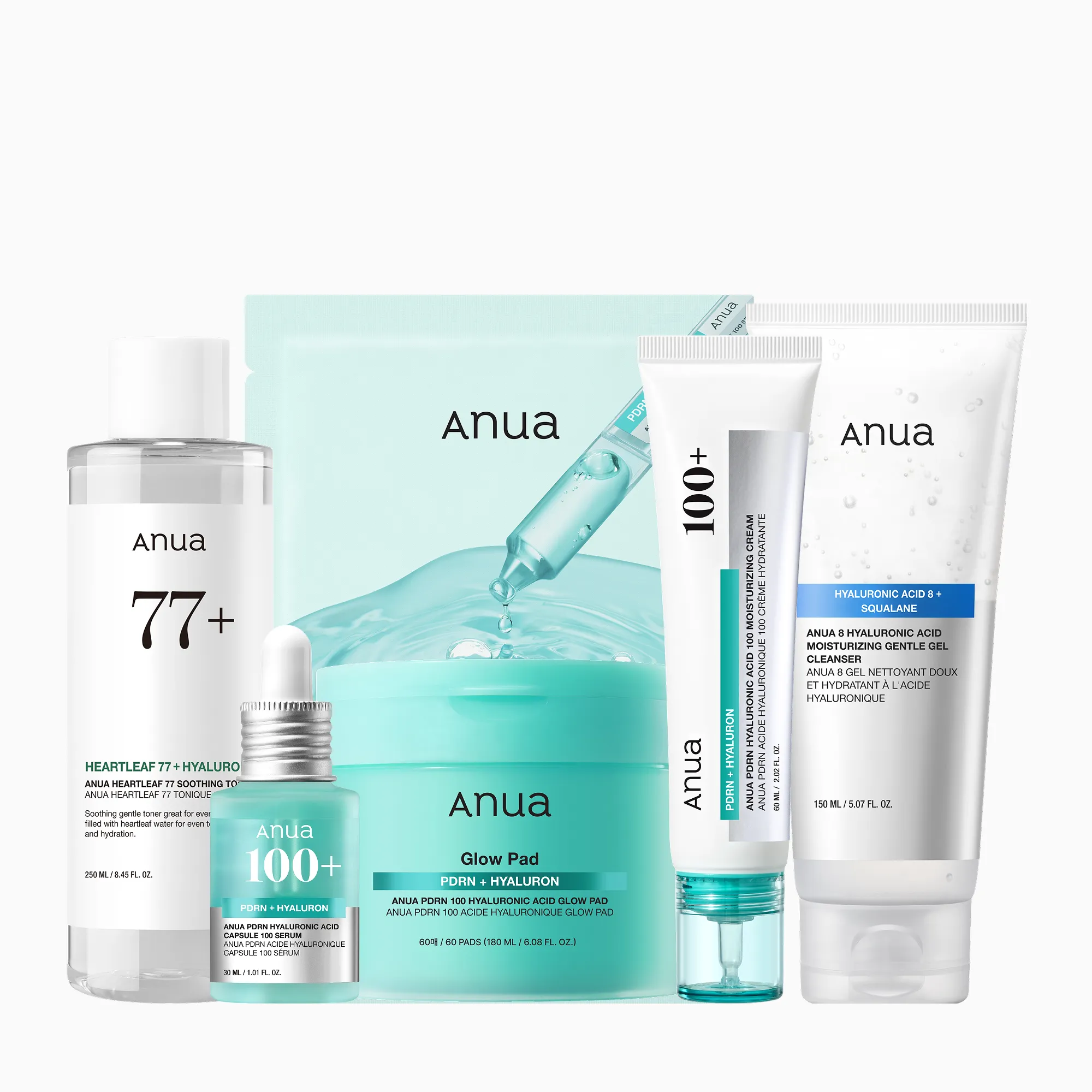
Korea No.1 PDRN Set
A deep-hydrating PDRN routine set that keeps the moisture and barrier side of an anti-aging routine simple and consistent.
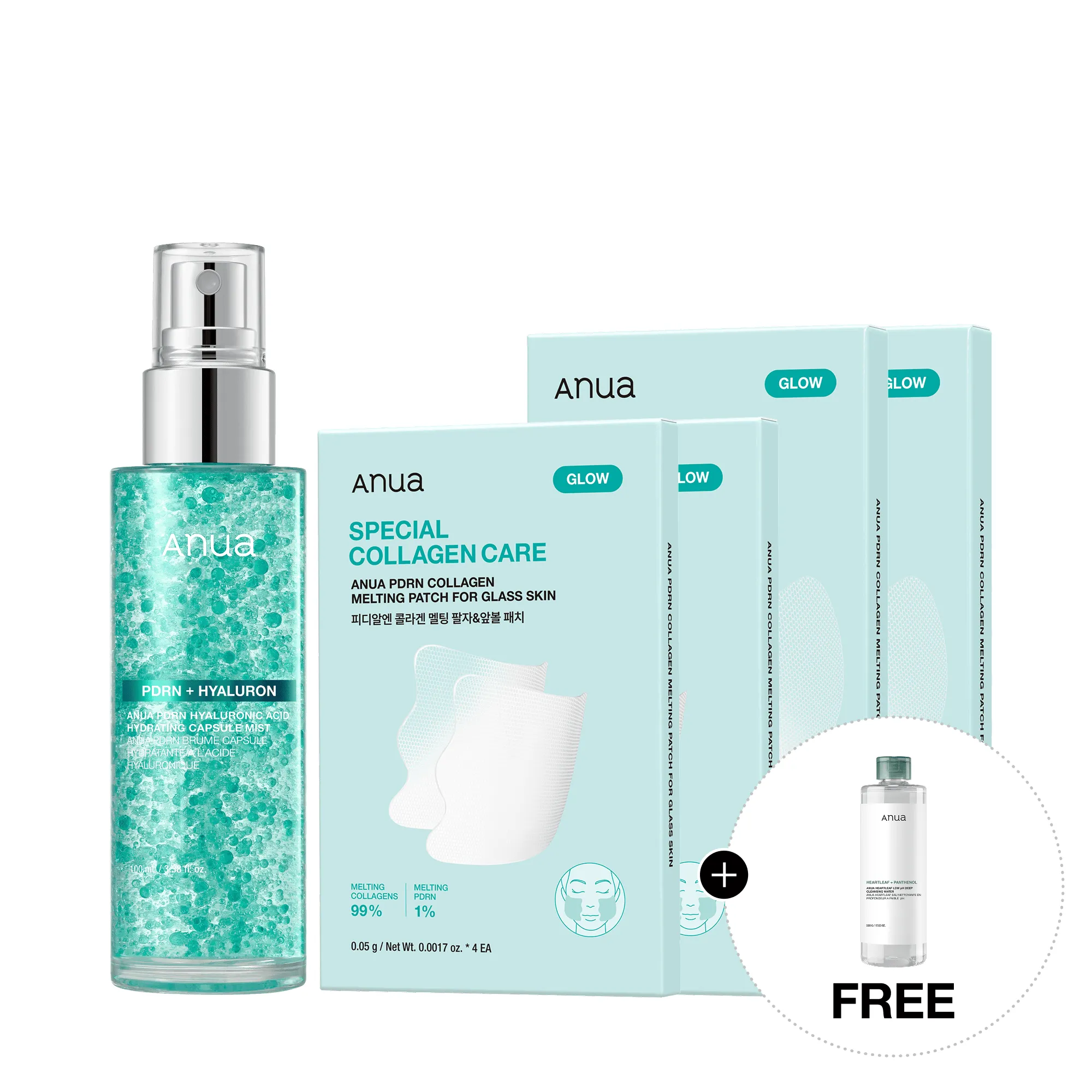
For mornings after a retinol night, a PDRN collagen melting patch can target areas that look creased or tired without adding another active.
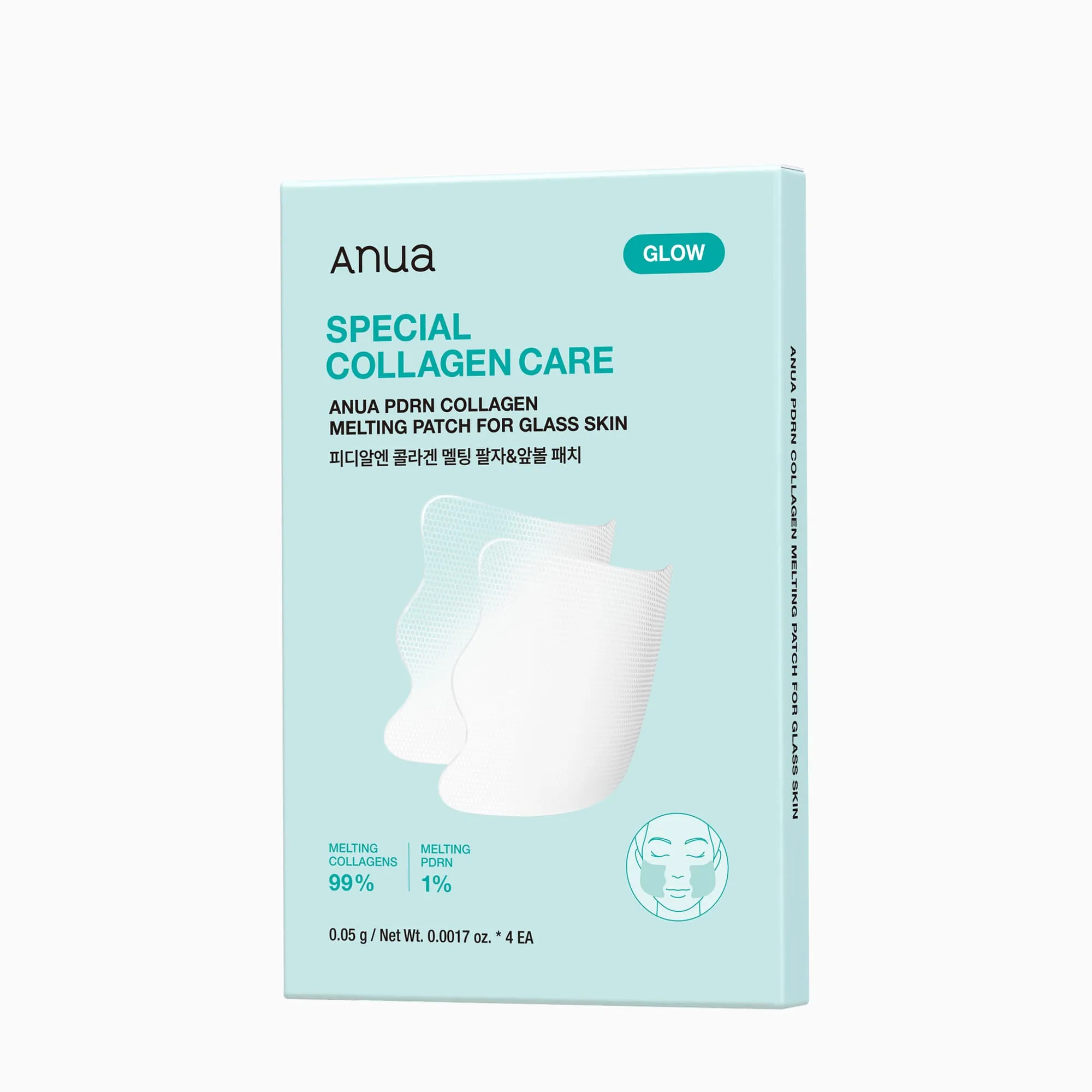
PDRN Collagen Melting Patch For Glass Skin 4ea
An overnight PDRN collagen patch that concentrates hydration on tired-looking areas for a smoother morning finish.
What is a realistic timeline and what should you avoid?
Expect surface hydration and comfort within days, but allow 8 to 12 weeks of consistent use before judging fine-line or texture changes.
Hydration-led changes from PDRN, such as a plumper, dewier look, can show up quickly because they reflect water content at the surface. Renewal-led changes from retinol are slower, since they depend on the skin's turnover cycle, which is why dermatology guidance generally frames retinoid results in terms of months rather than days. The biggest mistake is judging an anti-aging routine after one or two weeks.
Two things undermine results most often. First, skipping sunscreen: UV exposure drives photoaging, so an anti-aging routine without daily SPF works against itself. Second, over-layering actives, which can leave skin irritated and force you to stop everything. If retinol causes stinging or flaking, reduce frequency and lean on PDRN hydration rather than pushing through. Persistent irritation, or wrinkles you want meaningfully reduced, are conversations for a dermatologist, who can discuss prescription retinoids or in-clinic polynucleotide treatments that sit beyond what skincare can do.
Build a calmer anti-aging routine
Pair PDRN hydration with a gentle nightly retinol step and give it time. Shop Anua skincare to assemble a simple, evidence-led routine for the look of fine lines.
FAQS