How to Layer Niacinamide and Retinol Over 40
Layer niacinamide before retinol, then seal with a cushioning cream for a calmer routine for dull, mature skin over 40.
Most mature, dull skin routines work best when the order stays simple: niacinamide first, retinol second, moisturizer last. Anua’s PDRN hydration products fit around stronger actives by adding lightweight glow before makeup or richer comfort after retinol, without making the routine feel crowded.
Why combine niacinamide and retinol after 40?
Niacinamide and retinol can be paired after 40 because they address dull tone, texture, and visible aging from different angles.
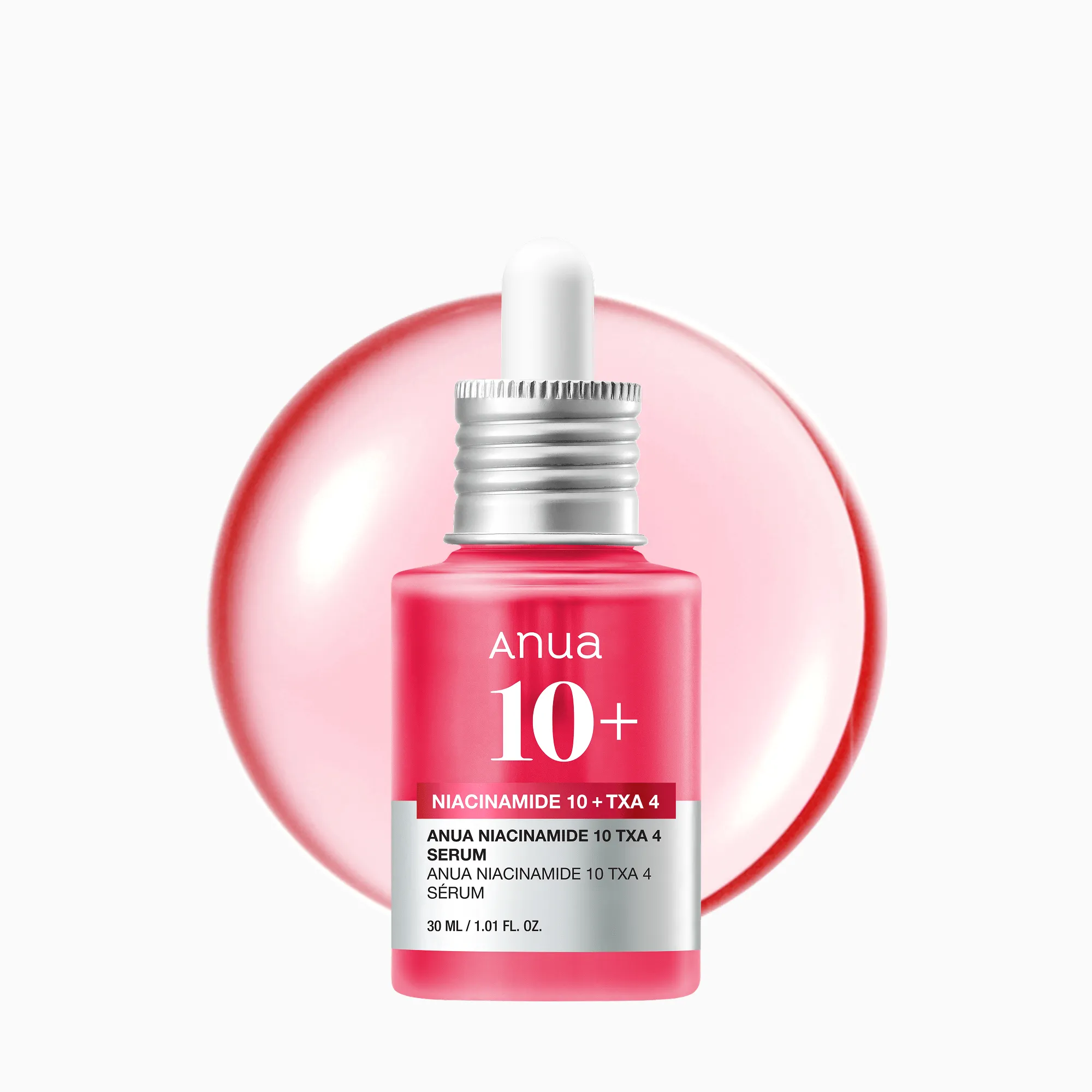
A 2022 clinical case study found that a combination of 0.5% pure retinol and niacinamide improved wrinkles and skin texture over 12 weeks (Journal of Drugs in Dermatology, 2022). That matters for mature skin because dullness after 40 often shows up as more than one concern at once: uneven tone, dehydration lines, rough texture, and a less reflective surface.
Niacinamide is especially useful when dullness looks yellow or sallow. Research involving women aged 40 to 60 found that a 5% niacinamide concentration improved skin yellowing (WebMD). When used together, niacinamide and retinol can address multiple visible concerns such as texture and uneven tone.
For a routine combining these ingredients:
- Use niacinamide alongside your retinol step.
- Follow with a moisturizer to help manage skin hydration.
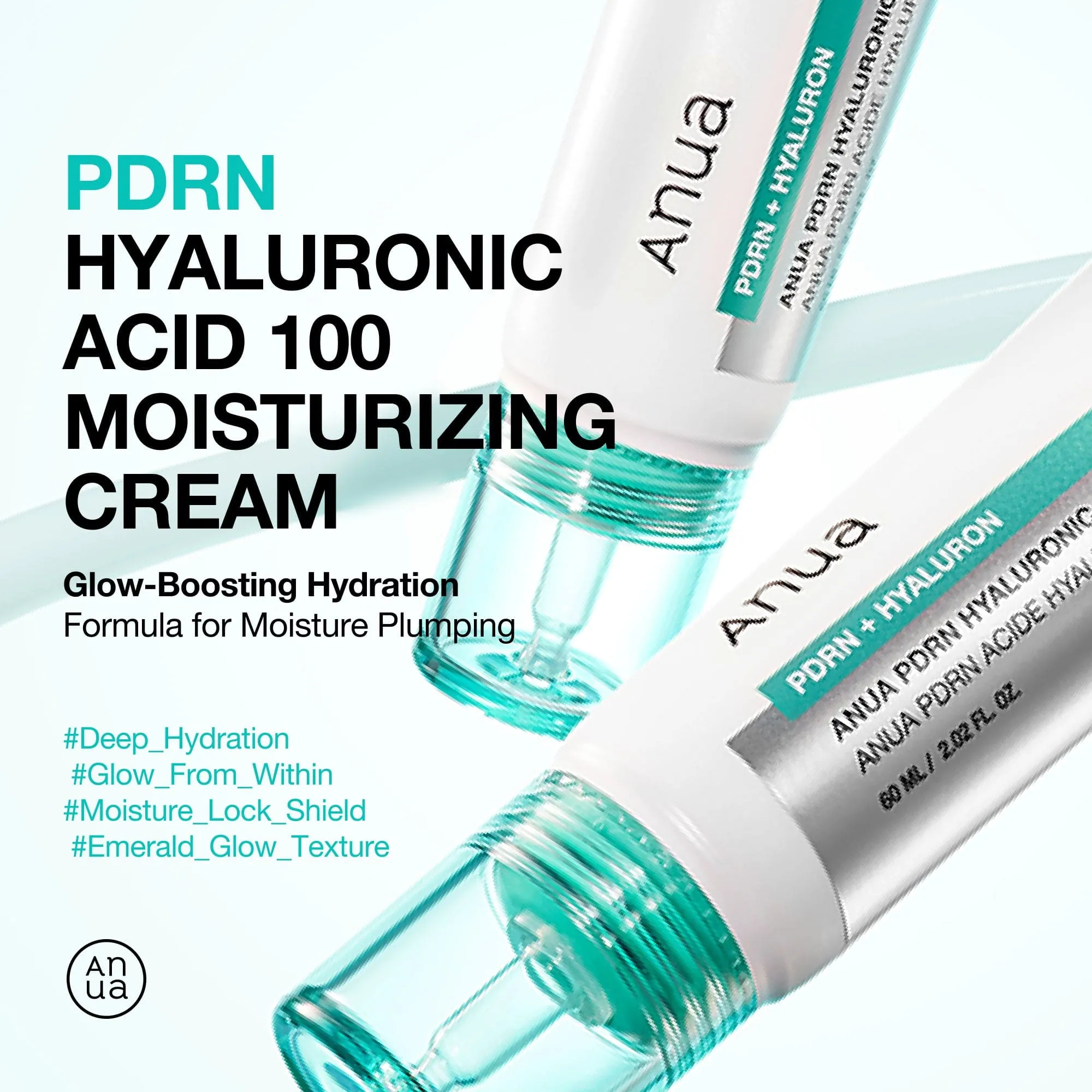
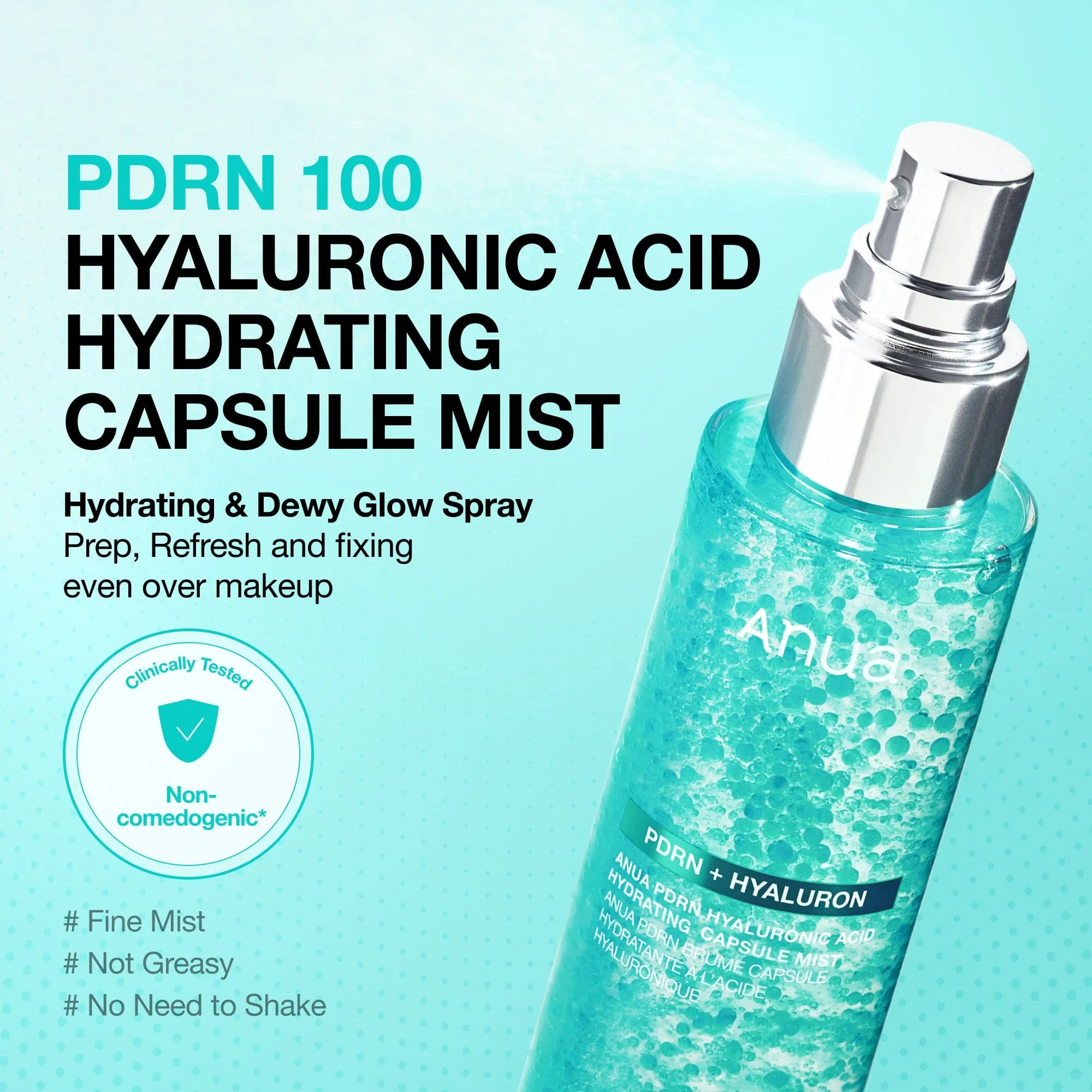
For a daytime companion, consider focusing on hydration without retinol. The PDRN Collagen Glow Facial Serum Spray and the PDRN Hyaluronic Acid 100 Moisturizing Cream can be used to help keep the skin feeling hydrated.
Which Anua PDRN product fits a mature retinol routine?
Anua offers hydration and moisturizing options that can be integrated into a routine.
Both products are designed as supportive additions. The difference is format: a serum spray offers a lighter application, while a cream is used to help maintain skin moisture.
| Routine need | PDRN Collagen Glow Facial Serum Spray | PDRN Hyaluronic Acid 100 Moisturizing Cream |
|---|---|---|
| Suggested use | Used as a hydration layer | Applied after treatments or on recovery nights |
| Skin feel | Lightweight and quick to apply | Richer, moisture-sealing texture |
| Best for | Mature skin needing radiance | Mature skin needing hydration |
For hydration support, choose the PDRN Collagen Glow Facial Serum Spray. It is a serum spray designed for skin radiance.
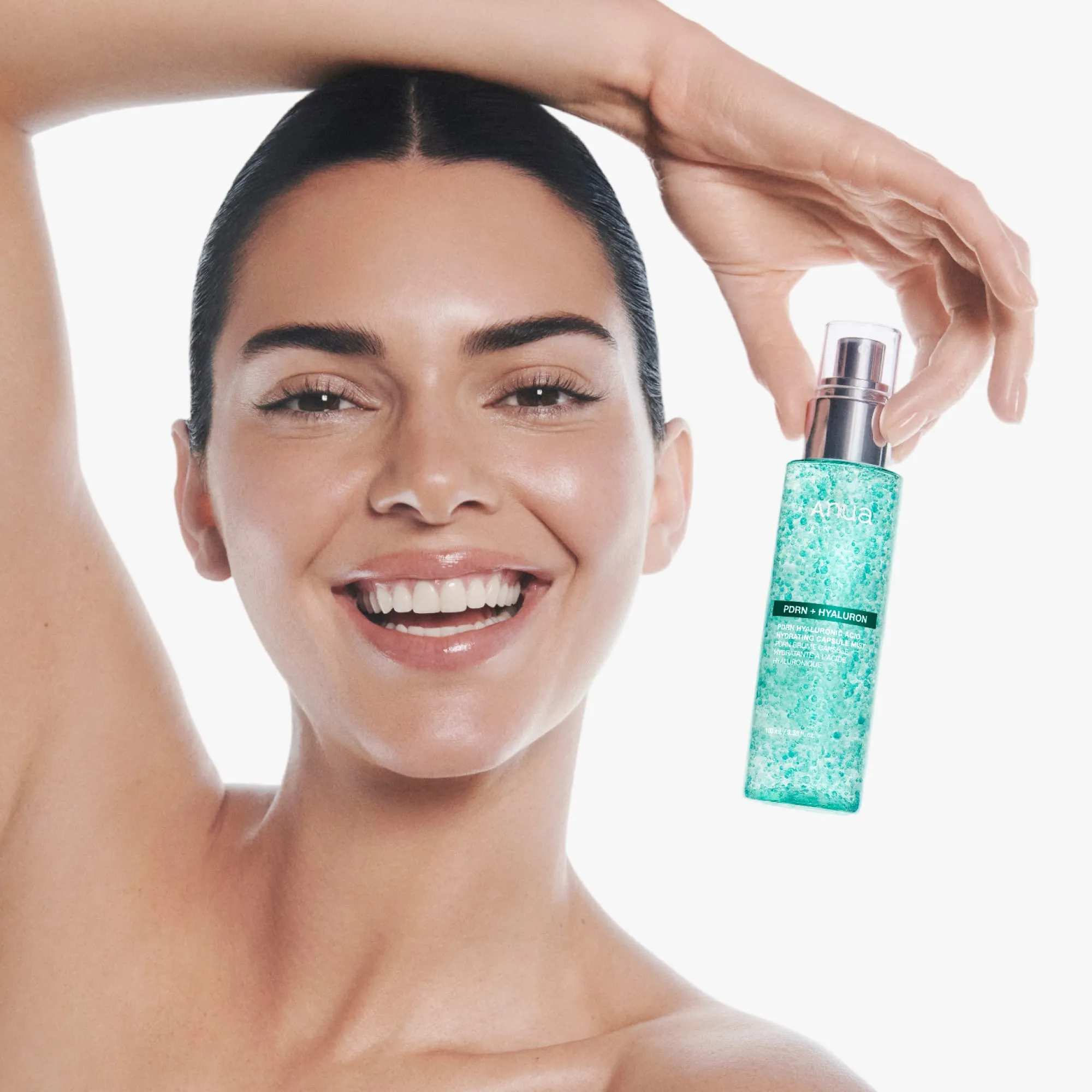
PDRN Collagen Glow Facial Serum Spray
A serum spray infused with PDRN to help boost skin radiance.
For the moisturizing step, choose the PDRN Hyaluronic Acid 100 Moisturizing Cream. It is a facial cream designed to help skin feel hydrated.
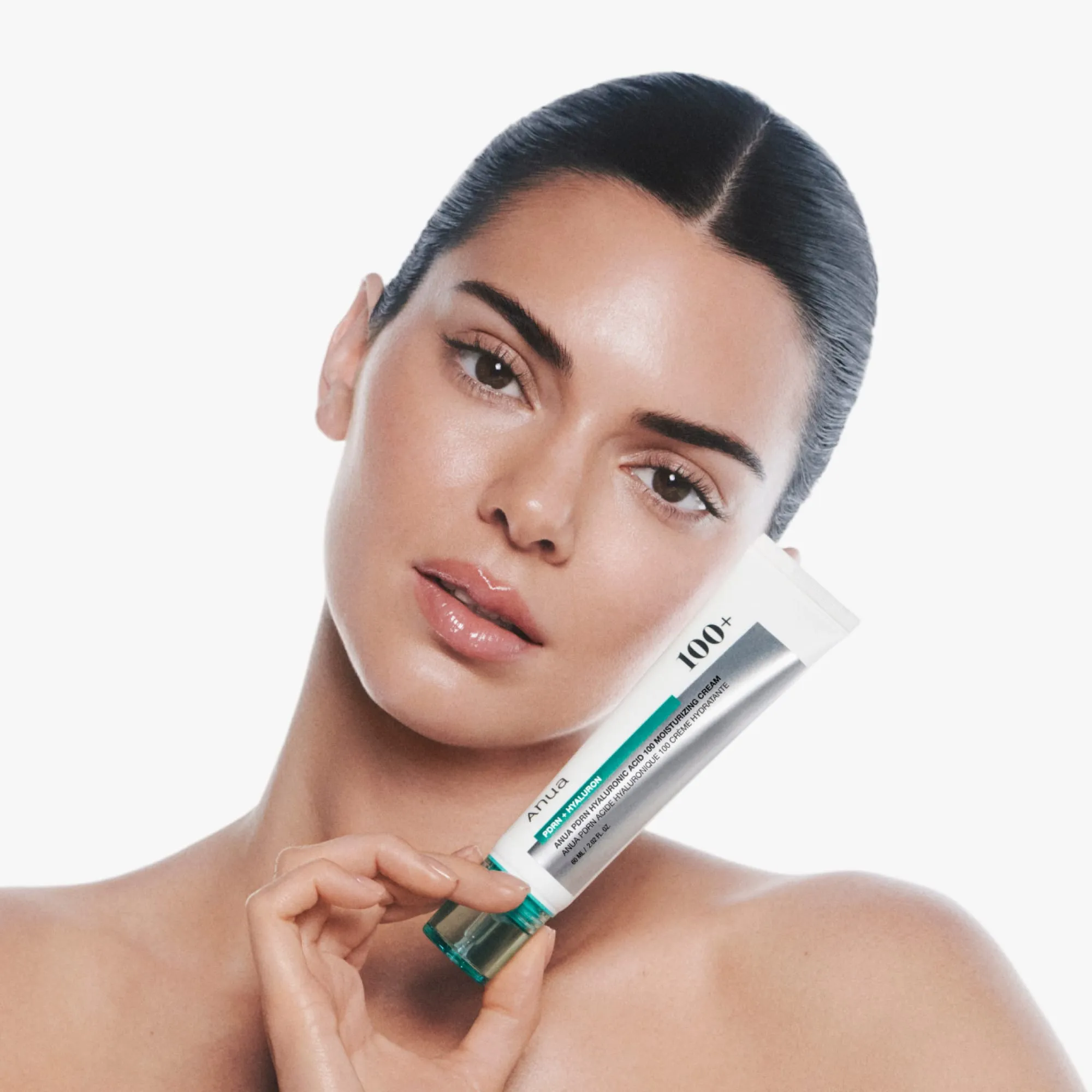
PDRN Hyaluronic Acid 100 Moisturizing Cream
A facial moisturizer formulated to help hydrate and support the skin.
How do you layer niacinamide and retinol at night?
Water-based niacinamide serums should be applied before retinol treatments (DRMTLGY). To support tolerance, the Sandwich Method involves applying moisturizer both before and after retinol. Keep the routine simple on retinol nights, as mature skin often does better with fewer layers.
- Cleanse your face.
- Apply niacinamide first. Use a niacinamide product as the base layer before your retinol treatment.
- Apply retinol. Follow your product instructions for the amount to apply.
- Apply moisturizer. Follow with your preferred moisturizer as the final step of your evening routine.
If your skin is sensitive, use the Sandwich Method. Apply a thin moisturizer layer first, then retinol, then another moisturizer layer on top. This technique (DRMTLGY, 2026) is used to help reduce the potential for irritation from retinol.
Skip exfoliating acids, scrubs, and additional strong actives on retinol nights if your skin feels warm, tight, or visibly red. A calmer routine is usually more sustainable than pushing through irritation.
How often should mature skin use niacinamide and retinol?
Niacinamide can often be used daily, while retinol should start at 2 to 3 nights weekly for better tolerance.
DRMTLGY notes that niacinamide can generally be used twice daily to help maintain the skin barrier, while retinol should be introduced gradually at 2 to 3 times per week (DRMTLGY, 2026). For mature skin, frequency matters more than intensity. A routine you can keep for months is more useful than a high-strength routine you abandon after two irritated nights.
A practical starting rhythm involves introducing retinol gradually, often starting at 2 to 3 times per week. On other nights, focus on hydration and moisture recovery to support the skin barrier.
Retinol results require patience. WebMD notes that significant visible improvements from retinol typically require six months or longer (WebMD, 2026). Consistency is important, as visible changes to skin texture and appearance are typically observed over several months of regular use.
A long-term approach is necessary when using retinol:
- After 12 weeks: visible improvements in texture and tone may begin to appear based on clinical observation (Journal of Drugs in Dermatology, 2022).
- After 6 months: significant visible changes from retinol are typically measured (WebMD, 2026).
What should you change if skin feels dry, dull, or irritated?
Dryness, pilling, and tightness usually call for fewer active nights, more cushion, or a lighter daytime hydration layer.
Mature skin does not need a complicated correction plan when retinol feels harsh. First reduce frequency, then add moisture, then simplify the rest of the routine. If redness, burning, swelling, or persistent peeling continues, pause retinol and consult a dermatologist.
| What you notice | Likely routine issue | Adjustment |
|---|---|---|
| Tightness after retinol | Moisturizer layer is too light | Use PDRN Hyaluronic Acid 100 Moisturizing Cream as the final step |
| Dull skin by midday | Morning hydration is wearing off | Mist PDRN Collagen Glow Facial Serum Spray before sunscreen or over makeup when appropriate |
| Makeup pilling | Too many layers or not enough dry-down time | Use fewer layers and let each step settle before makeup |
| Flaking around mouth or nose | Retinol reached sensitive folds | Avoid those areas and use the Sandwich Method |
| Stinging with every application | Barrier may be stressed | Stop retinol temporarily and use bland hydration until skin feels calm |
The simplest rule is to rotate instead of layer when skin is irritated. Use niacinamide and moisturizer on recovery nights, then return to retinol only when the skin feels comfortable again.
What does a simple morning routine look like with retinol at night?
A morning routine after retinol should focus on hydration, comfort, and sunscreen rather than more strong active ingredients.
Retinol belongs in the night routine for most users. The morning routine should help the skin feel comfortable enough to stay consistent. A short morning sequence can be cleanser or rinse, lightweight hydration, moisturizer if needed, and sunscreen.
For dull mature skin, the PDRN Collagen Glow Facial Serum Spray works as a fast hydration layer before sunscreen or makeup. If skin feels dry, follow with PDRN Hyaluronic Acid 100 Moisturizing Cream before sunscreen.
A simple AM and PM structure:
| Time | Routine |
|---|---|
| Morning | Gentle cleanse or rinse, PDRN Collagen Glow Facial Serum Spray, moisturizer if needed, sunscreen |
| Retinol night | Cleanse, niacinamide, retinol, PDRN Hyaluronic Acid 100 Moisturizing Cream |
| Recovery night | Cleanse, niacinamide or hydration, PDRN Hyaluronic Acid 100 Moisturizing Cream |
Build a calmer retinol support routine
Pair your active night routine with lightweight PDRN glow support and a cushioning moisturizer, so mature skin feels hydrated while you stay consistent.
FAQS