How to Layer Azelaic Acid With Retinol for Acne Marks
Start with 2 to 3 retinol nights weekly, use azelaic acid on alternate nights or before moisturizer if tolerated, and wear SPF 50 daily.
Why Pair Azelaic Acid with Retinol?
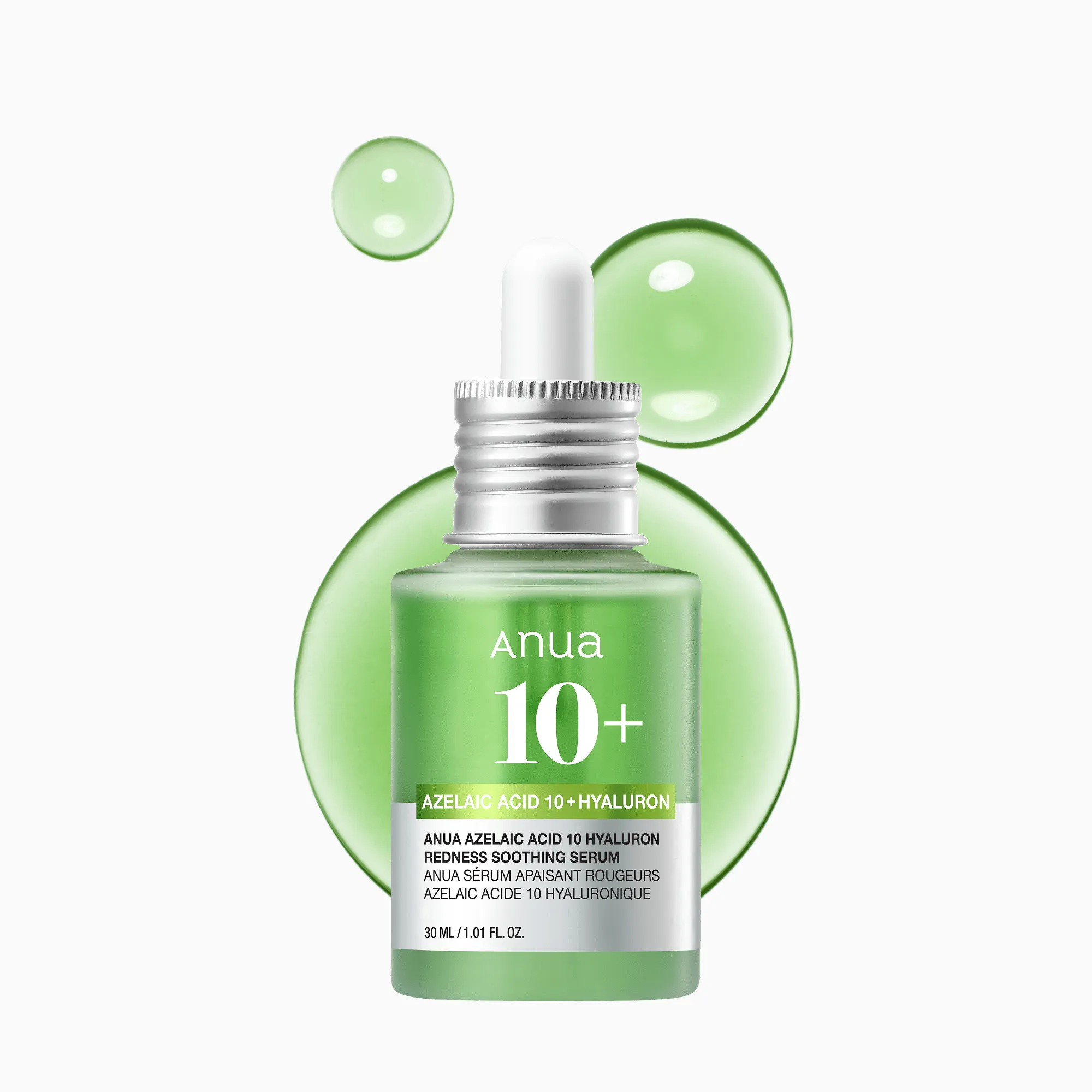
Azelaic acid inhibits tyrosinase activity and is known to cause less irritation than high-dose retinoids, making it an effective choice for a routine that targets both breakouts and lingering pigment.
According to a 2026 clinical analysis by The Method, azelaic acid manages acne while blocking the enzymes responsible for dark marks. Nightly application of 0.1 percent tretinoin alone has shown a 60 percent reduction in hyperpigmented lesions over 24 weeks (Cosmoderma, 2025). However, high-strength retinoid monotherapy can lead to higher levels of skin irritation.
Adding azelaic acid into a routine provides a secondary mechanism to block pigment production with a lower risk of irritation than high-strength retinoid monotherapy. This makes the pairing highly effective for individuals dealing with active breakouts alongside post-inflammatory hyperpigmentation (PIH).
What Are the Clinical Benefits of Combining Azelaic Acid and Retinol?
Combining 15 percent azelaic acid and 0.05 percent tretinoin can lead to a 60 percent reduction in acne lesions over 12 weeks.
Research published in Cosmoderma (2025) confirms that combining azelaic acid with retinoids like tretinoin or adapalene yields measurable improvements in both inflammatory lesions and post-inflammatory hyperpigmentation. This approach helps clear existing breakouts while addressing the pigment they leave behind.
How to Properly Layer Azelaic Acid and Retinol
Layering must be performed based on molecular weight and ascending pH by applying thinner formulas before thicker creams to prevent neutralizing active ingredients.
General principles for layering involve following molecular weight and pH levels to ensure product efficacy (Treasurescape, 2026). By organizing products from thinnest to thickest consistency, users can maintain a stable routine.
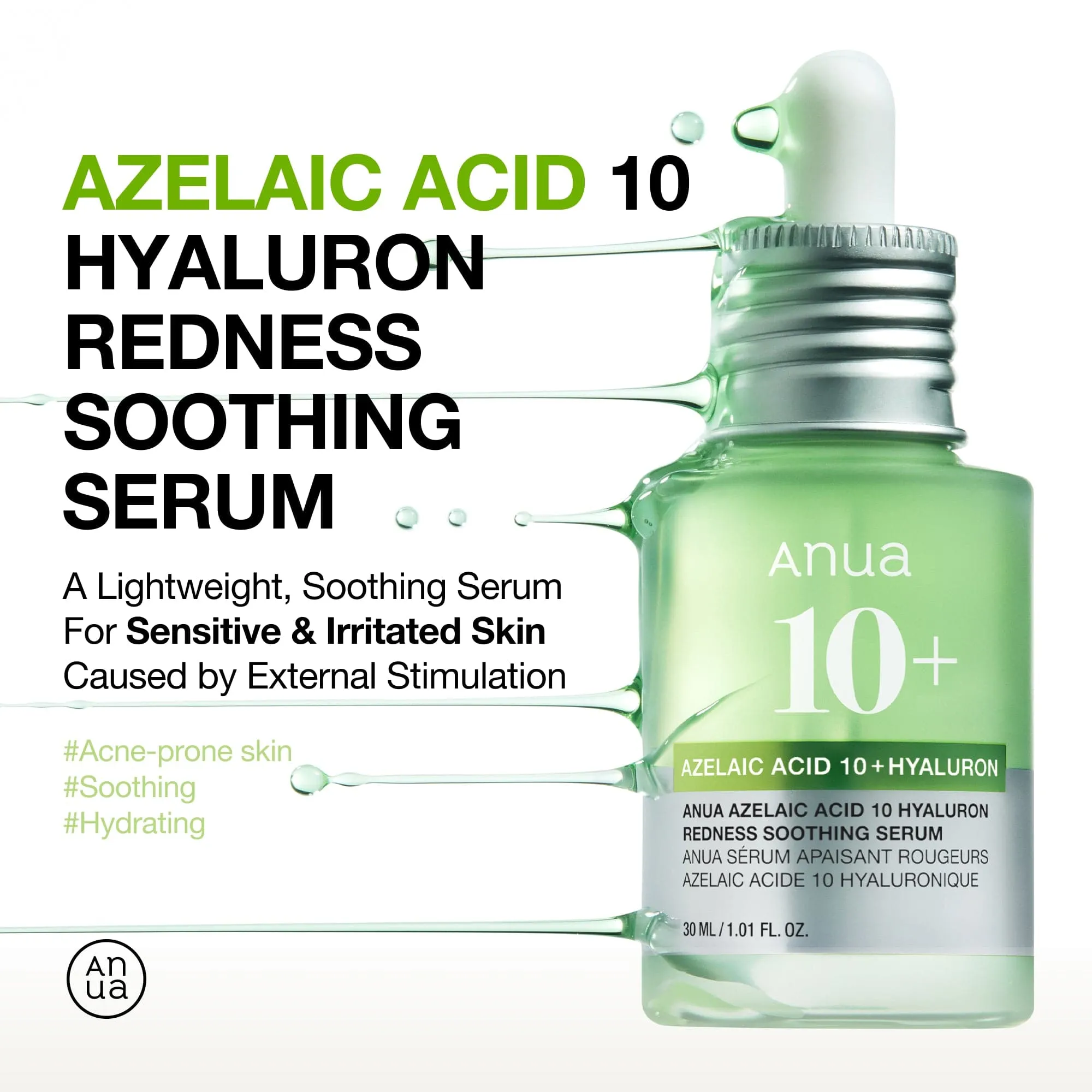
- Start with the thinnest serum to ensure optimal absorption of active ingredients.
- Layer your retinoid following the thinner serum, as per the molecular weight principle.
- Apply a thicker cream or moisturizer to seal in the previous layers.
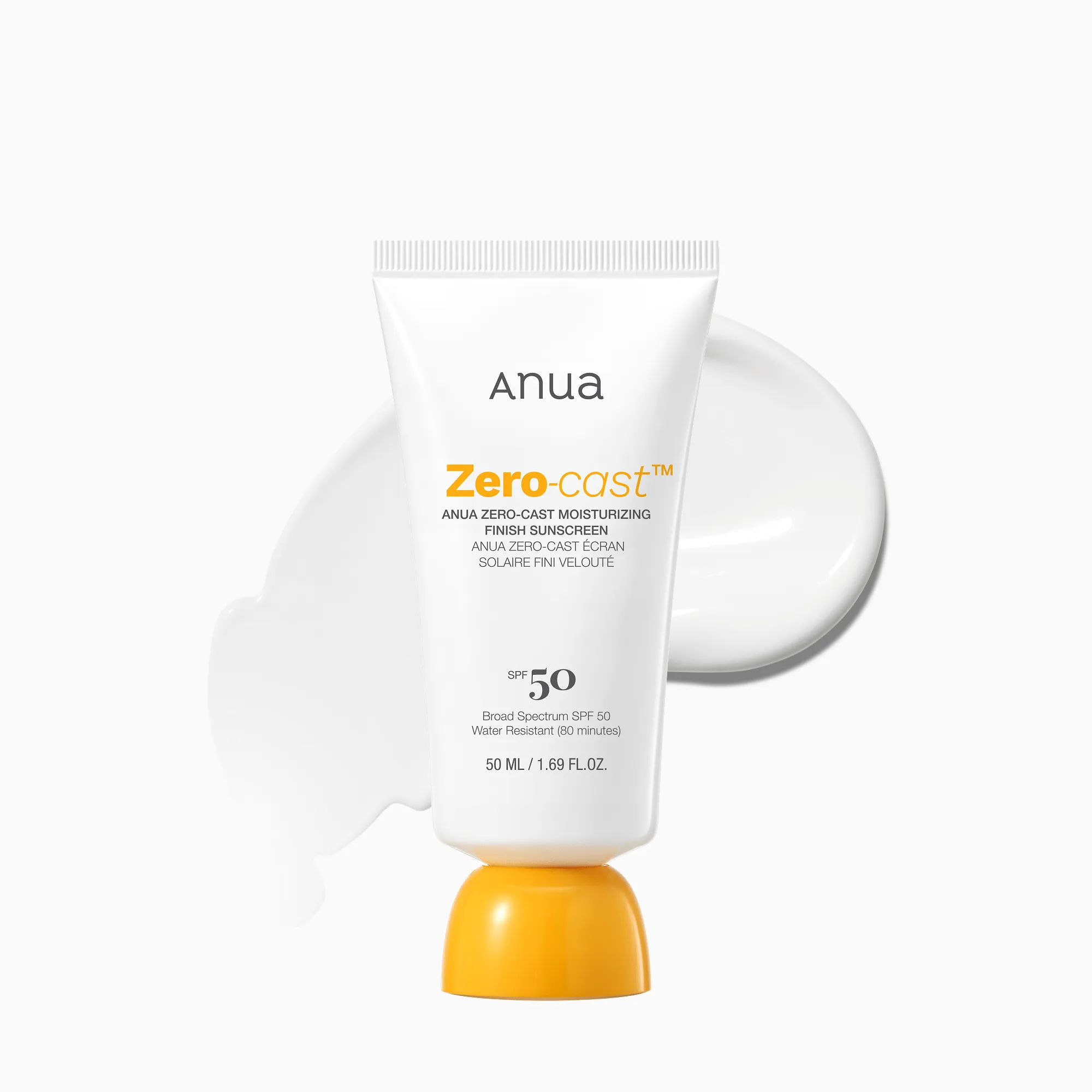
- Apply sunscreen daily to protect the skin during the day.
Timeline: When Will Your Acne Marks Fade?
Improvement in active acne lesions typically occurs within eight weeks, whereas full efficacy for fading post-inflammatory hyperpigmentation requires 12 to 16 weeks of consistency.
Clinical data from Cosmoderma (2025) indicates that pigment fades significantly slower than active inflammation resolves. A consistent routine is required to achieve full efficacy in fading post-inflammatory hyperpigmentation.
Utilizing brightening ingredients in combination with soothing actives can help address dark spots effectively.
Combining these actives helps manage stubborn post-inflammatory hyperpigmentation (PIH). Maintaining a consistent regimen with various actives can support overall skin health over time.
FAQS
Frequently Asked Questions
Which Korean serums pair with mineral SPF50+ PA++++?
Serum layering should follow the principle of applying products from thinnest to thickest consistency for better integration. Choosing complementary ingredients can provide additional support when used in conjunction with a standard routine.
How long for niacinamide to fade acne marks?
Visible improvement in acne lesions can occur in 8 weeks, while full efficacy for fading post-inflammatory hyperpigmentation requires 12 to 16 weeks of consistency (Cosmoderma, 2025).
Build Your Routine
Find the right serums to target acne marks and soothe redness.