Post-Acne Mark Ingredient Pairing Matrix
Brown PIH responds to niacinamide plus TXA, while red post-acne marks fit azelaic acid. Use this serum matrix by mark color and tolerance.
What serum pairing fits each type of post-acne mark?
Brown PIH, red PIE, sensitive skin, and stubborn mixed marks each need a different serum route based on pigment, redness, and tolerance.
Post-acne marks are not all the same biological problem. Brown or black marks are tied to melanin overproduction that lingers after a breakout.
For brown marks, a logical route is niacinamide plus tranexamic acid. A combination of 10% niacinamide and 4% tranexamic acid can achieve up to a 66.72% reduction in hyperpigmentation scores over 12 weeks (Nature, 2025). That pairing is effective because tranexamic acid inhibits plasminogen, and niacinamide at 10% concentrations boosts the efficacy of tranexamic acid in treating hyperpigmentation.
For red or pink marks, azelaic acid is a logical first route. It is often considered relevant for acne marks with redness and acne-prone skin concerns. It is also useful when the skin is reactive, because redness-prone routines often fail from overlayering before they fail from ingredient choice.
| Mark or skin pattern | Main visible issue | Best serum route | Why it fits |
|---|---|---|---|
| Brown or black marks | Melanin overproduction | Niacinamide plus tranexamic acid | Tranexamic acid inhibits plasminogen, and 10% niacinamide boosts its efficacy |
| Red or pink marks | Redness and inflammation | Azelaic acid | Azelaic acid fits redness-prone, acne-prone skin and can support a calmer-looking routine |
| Sensitive skin with marks | Barrier stress plus discoloration | Azelaic acid plus hydration | Hydrating support helps offset dryness or tightness from active use |
| Stubborn mixed marks | Pigment plus uneven tone | TXA, niacinamide, and low-dose vitamin C | A low-dose booster can support a multi-pathway brightening routine |
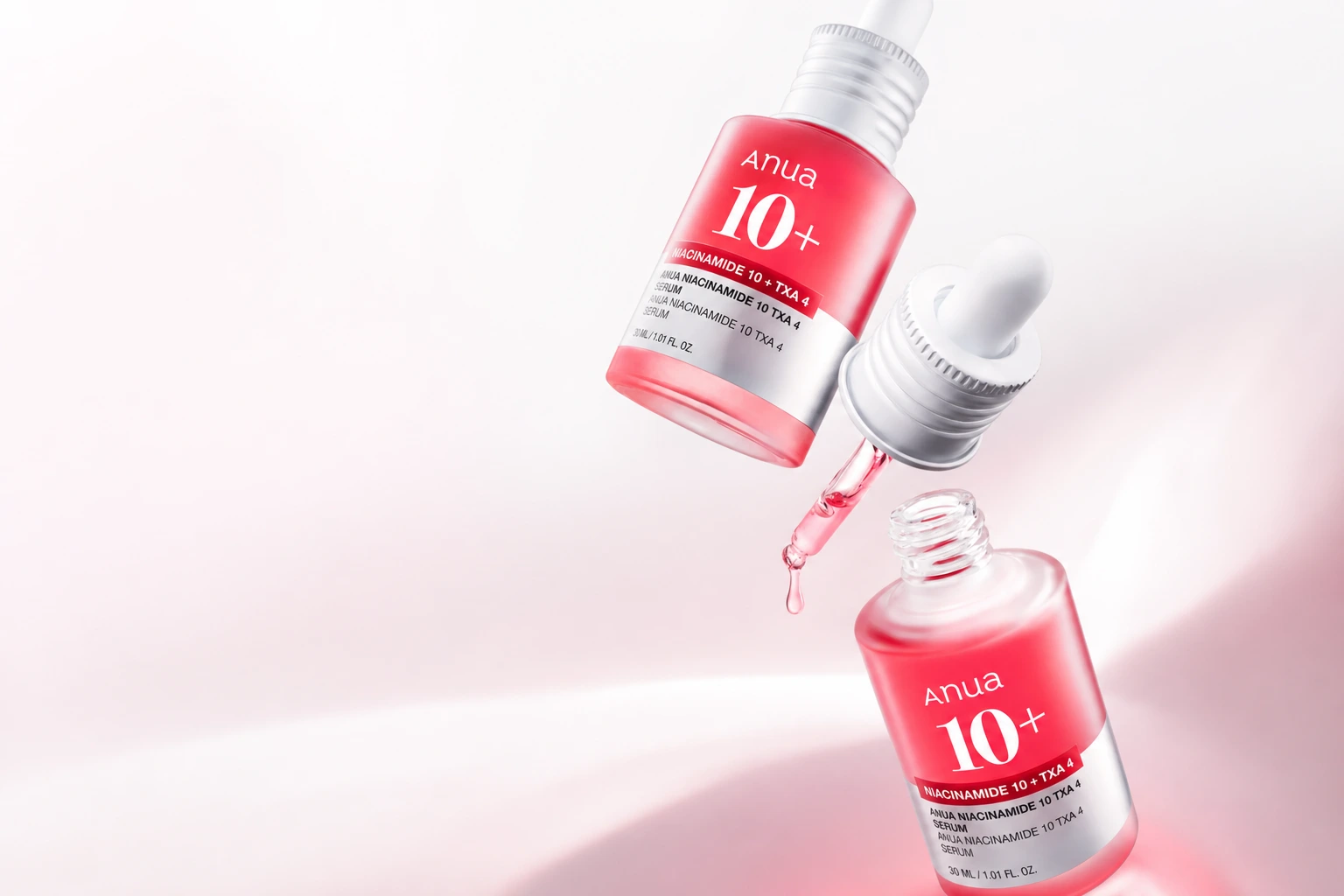
Anua’s two most relevant options map cleanly to this matrix. Anua Niacinamide 10 TXA 4 Serum is the better fit for brown or black post-acne marks tied to melanin overproduction.
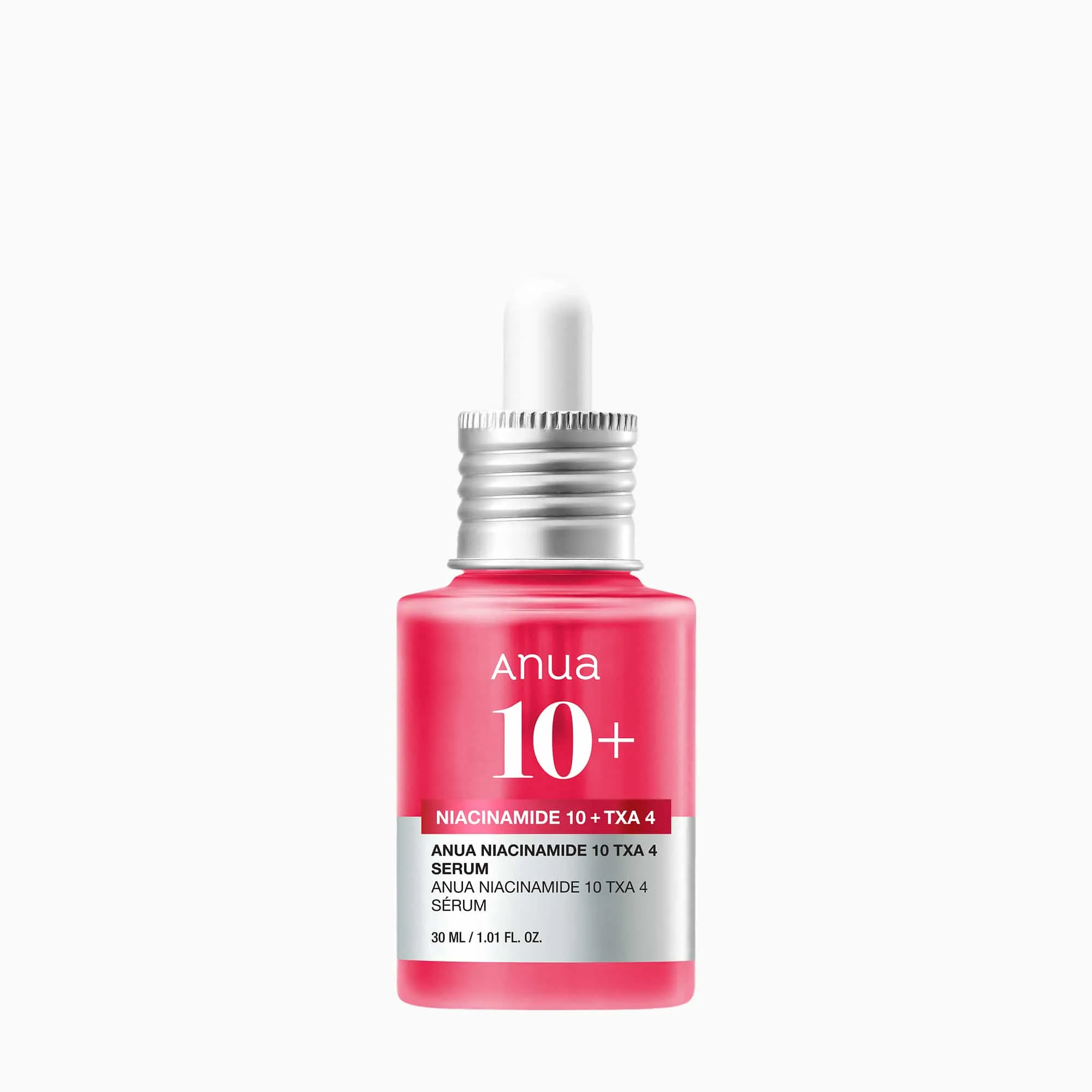
Niacinamide 10 TXA 4 Serum for Brightening and Dark Spots
A serum formulated with 10% Niacinamide and 4% TXA, designed to look more radiant and balanced.
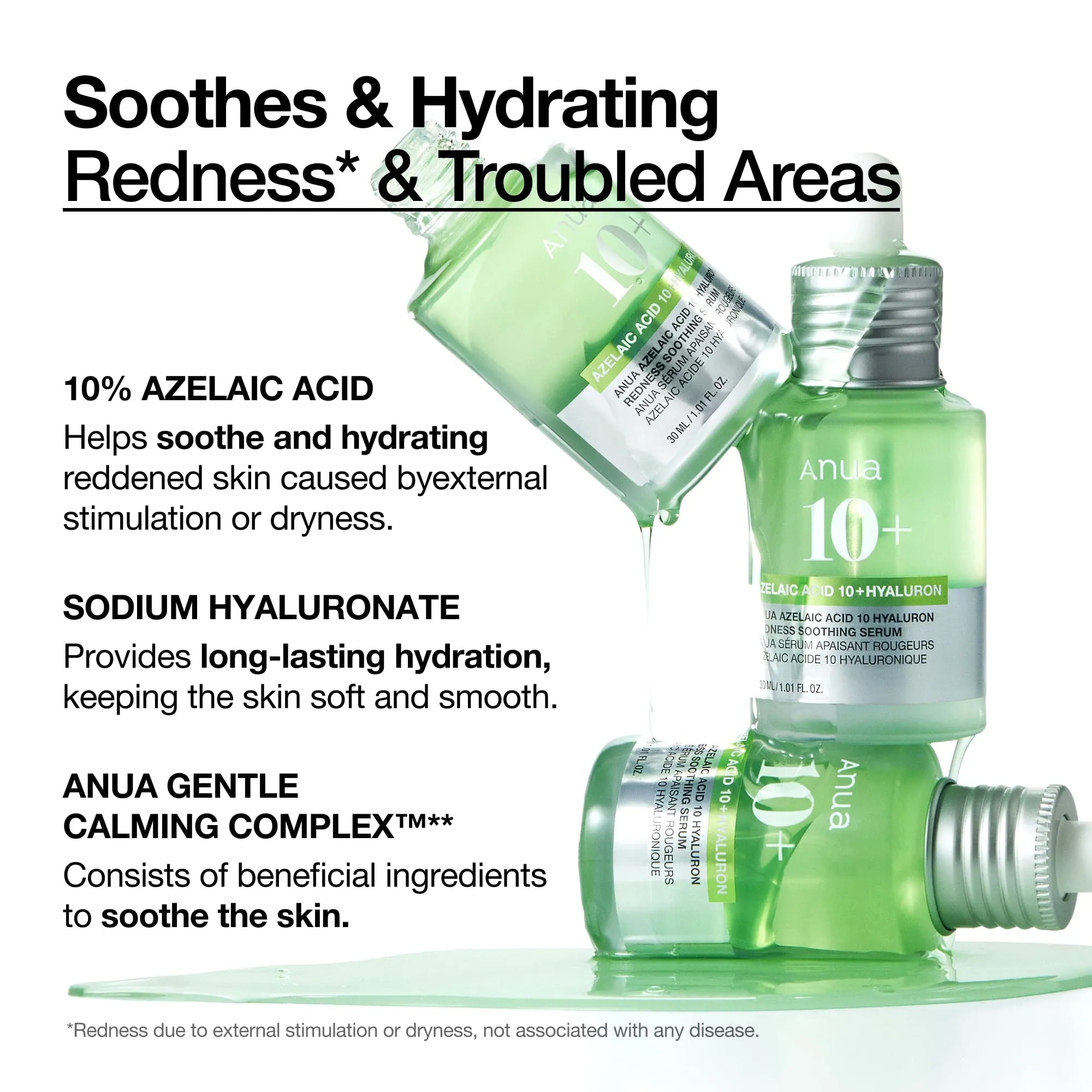
An azelaic acid serum like this redness soothing option can be a better fit when post-acne marks look red, flushed, or irritated.
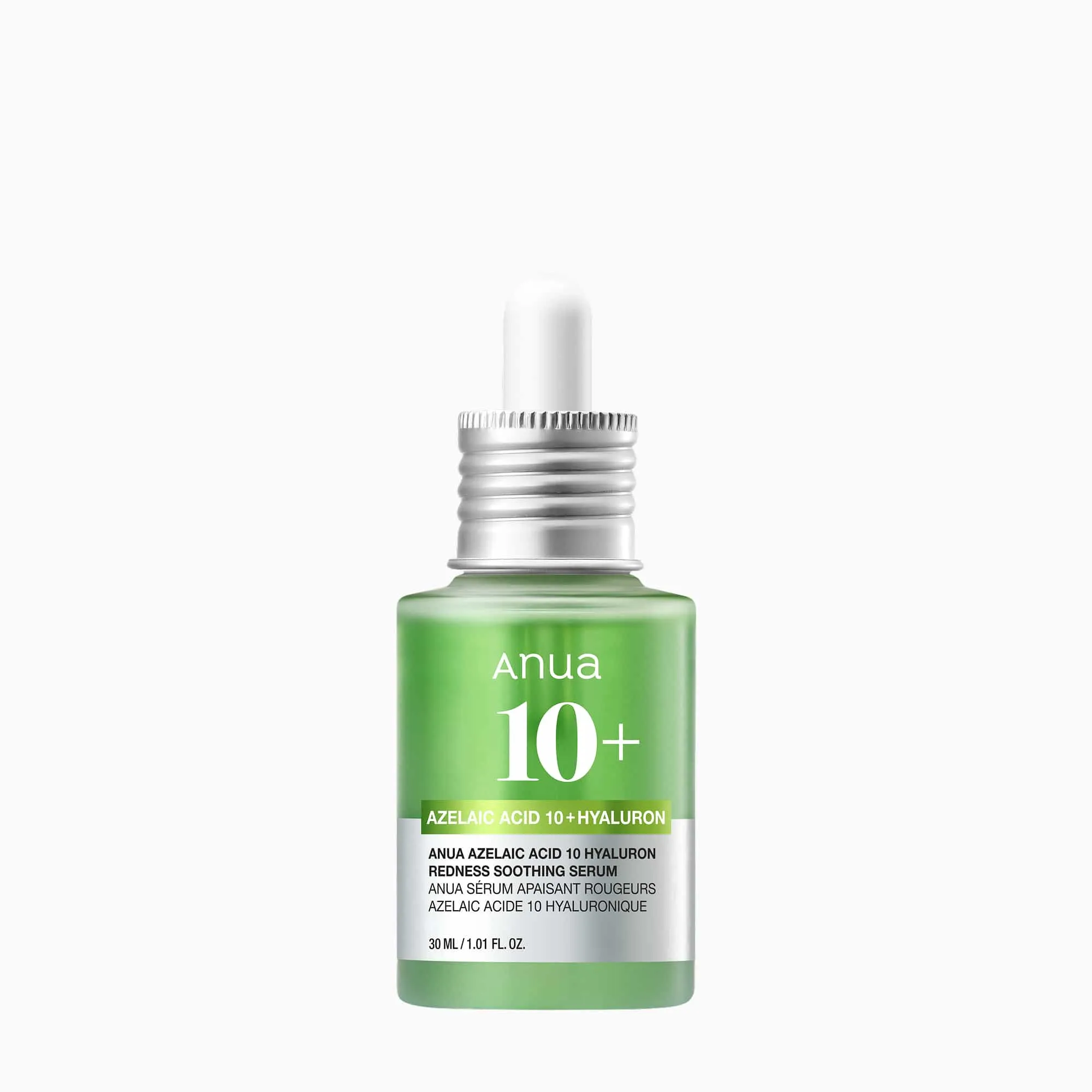
Azelaic Acid 10 Hyaluron Redness Soothing Serum
A lightweight serum formulated with soothing & hydrating ingredients, suitable for sensitive skin, helps improves redness and troubled areas.
For a deeper routine built around pigment-focused care, see the Niacinamide and TXA Dark Spot Routine Guide. If sensitivity and calming are the larger issue, the Anua Heartleaf 77 Line Guide for Calm, Clear Skin can help you build a gentler support routine around active serums.
How do tranexamic acid and azelaic acid compare?
The ingredient decision becomes clearer when you compare what each active is trying to change. Tranexamic acid is used for treating acne marks. Azelaic acid is often chosen when the mark has an acne-prone component.
Many home routines now start with gentler pathways before considering other options. Azelaic acid is effective for treating post-inflammatory erythema, redness, and sensitive, acne-prone skin.
The safest interpretation is not that one ingredient is always better. Niacinamide and tranexamic acid combinations are usually aligned to pigment. Azelaic acid is usually aligned to redness.
How should active serums and sunscreen be paired?
A split routine can help keep the regimen manageable.
- Consider applying vitamin C in the morning.
- Apply other active serums in the evening.
- If your skin stings or flakes, use actives less frequently.
- Keep sunscreen non-negotiable during the day.
Vitamin C needs more nuance. Using it as a booster in a broader blend can simplify a regimen.
If you use a separate vitamin C serum, keep the first month simple. Start vitamin C in the morning three to four times weekly, and avoid adding exfoliating acids or retinoids on the same nights until your skin is calm. If the skin remains comfortable, increase slowly. If redness intensifies, pause the newest active rather than changing every product at once.
For sunscreen pairing, texture matters. A lightweight sunscreen is practical for consistent protection across the treatment window.
When should post-acne marks start fading?
Post-acne mark fading usually starts with reduced intensity by weeks 2 to 4, followed by more visible size changes near week 8.
Post-acne marks fade slowly because pigment and redness resolve on biological timelines. The skin turnover cycle typically lasts 30 to 56 days, so a mark may look less dark before it looks smaller (MDPI, 2024). That distinction matters because many people stop too early when the mark has started improving but has not fully cleared.
| Time point | What improvement can look like | What to do |
|---|---|---|
| Weeks 2 to 4 | Darkness or redness intensity may begin to soften | Keep the routine stable and avoid adding extra actives too quickly |
| Week 8 | Spot size may begin to look smaller, not just lighter | Compare photos under the same lighting rather than checking daily |
| Week 12 | TXA and niacinamide combinations tend to reach peak visible benefit | Reassess whether the routine is enough or whether professional care is needed |
Clinical data on hyperpigmentation treatments found early pigment intensity improvement first, with visible changes in spot size taking longer (MDPI, 2024). The same source notes that size reduction is slower because it requires keratinocyte migration, not only pigment pathway interruption.
For niacinamide plus TXA, 12 weeks is the more realistic benchmark. A niacinamide and tranexamic acid pairing showed reduction in hyperpigmentation after a 12-week course (Nature, 2025). That does not mean every individual mark clears fully in three months, but it does support 12 weeks as a fair evaluation window before deciding the routine has failed.
Dermatologist care becomes more important when marks are very dark, expanding, associated with ongoing acne, or unchanged after consistent use. It is also worth getting professional guidance if you are considering hydroquinone, chemical peels, lasers, or if you have a history of irritation from pigment treatments.
What routine should you choose for your mark color and tolerance?
Choose niacinamide plus TXA for brown PIH, azelaic acid for red PIE, and a slower alternating schedule for sensitive skin.
A good post-acne mark routine should be boring enough to repeat. That means one primary serum route, a moisturizer if needed, and sunscreen every morning. When the routine becomes a stack of pigment actives, exfoliating acids, retinoids, and strong vitamin C, irritation can make marks look worse even when the ingredients are individually useful.
For mostly brown or black marks, start with Niacinamide 10 TXA 4 Serum for Brightening and Dark Spots. Apply it once daily, then add moisturizer and sunscreen in the morning routine. If your skin tolerates it well, keep the formula consistent for 12 weeks before judging final results.
For mostly red or pink marks, start with Azelaic Acid 10 Hyaluron Redness Soothing Serum in the evening. Use it after cleansing, then follow with moisturizer. If your skin is reactive, apply a light moisturizer first, then the serum, then another thin moisturizer layer.
For mixed marks, do not start both serums twice daily at the same time. A more tolerable pattern is pigment serum in the morning and azelaic acid at night, or alternating nights if your skin is easily irritated. If you also use vitamin C, place it in the morning and avoid pairing it with other new actives until you know your tolerance.
If you are buying Anua products from third-party marketplaces, use the How to Spot Fake Anua Products Before You Buy guide before starting a 12-week routine. Consistency only helps when the product is authentic and stored properly.
Build a calmer post-acne mark routine
Choose the serum route that matches your mark color, then keep the routine consistent long enough to judge real fading.
FAQS