Soothing Gel Face Wash for Sensitive Skin
A soothing gel face wash suits sensitive skin when you want a light, clean rinse without the coated feel of cream cleansers.
Key takeaways
- A soothing gel face wash is usually the best texture for sensitive skin that wants a clean rinse without a heavy afterfeel.
- Gel cleansers led the global facial cleanser market in 2025 with 38.81% share, while cream cleansers remain useful for very dry skin.
- A gel cleanser is often chosen for daily cleansing to help remove residue without leaving a heavy film.
A soothing gel face wash works best when sensitive skin feels tight after foaming cleansers but coated after cream cleansers. The goal is a daily wash that removes oil residue, rinses clean, and leaves skin comfortable enough for moisturizer, sunscreen, or treatment steps.
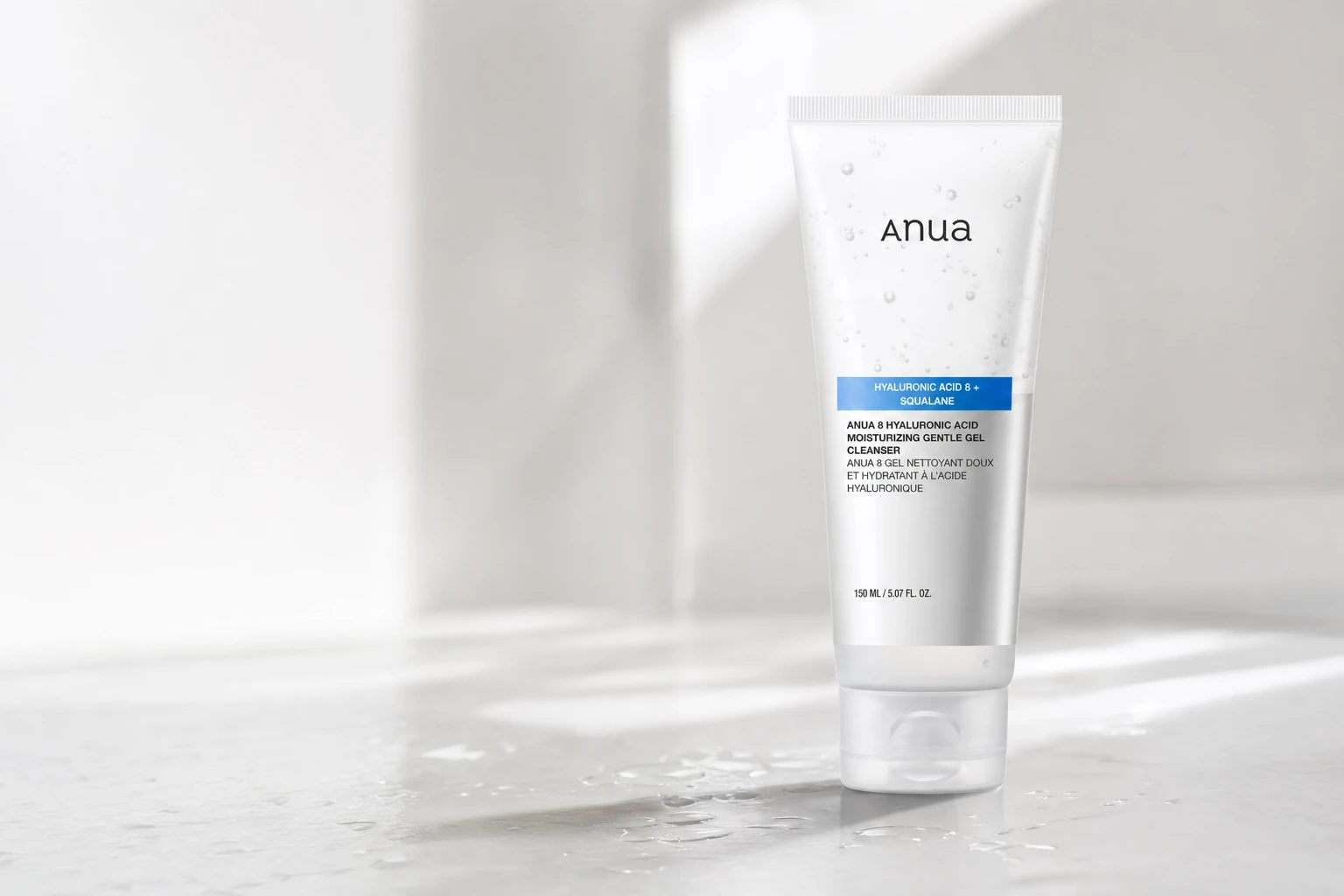
For that use case, 8 Hyaluronic Acid Moisturizing Gentle Gel Cleanser is the Anua cleanser to consider. It is designed to minimize irritation, help balance skin pH level, and support a healthy moisture barrier with a gel format that feels light on the skin.
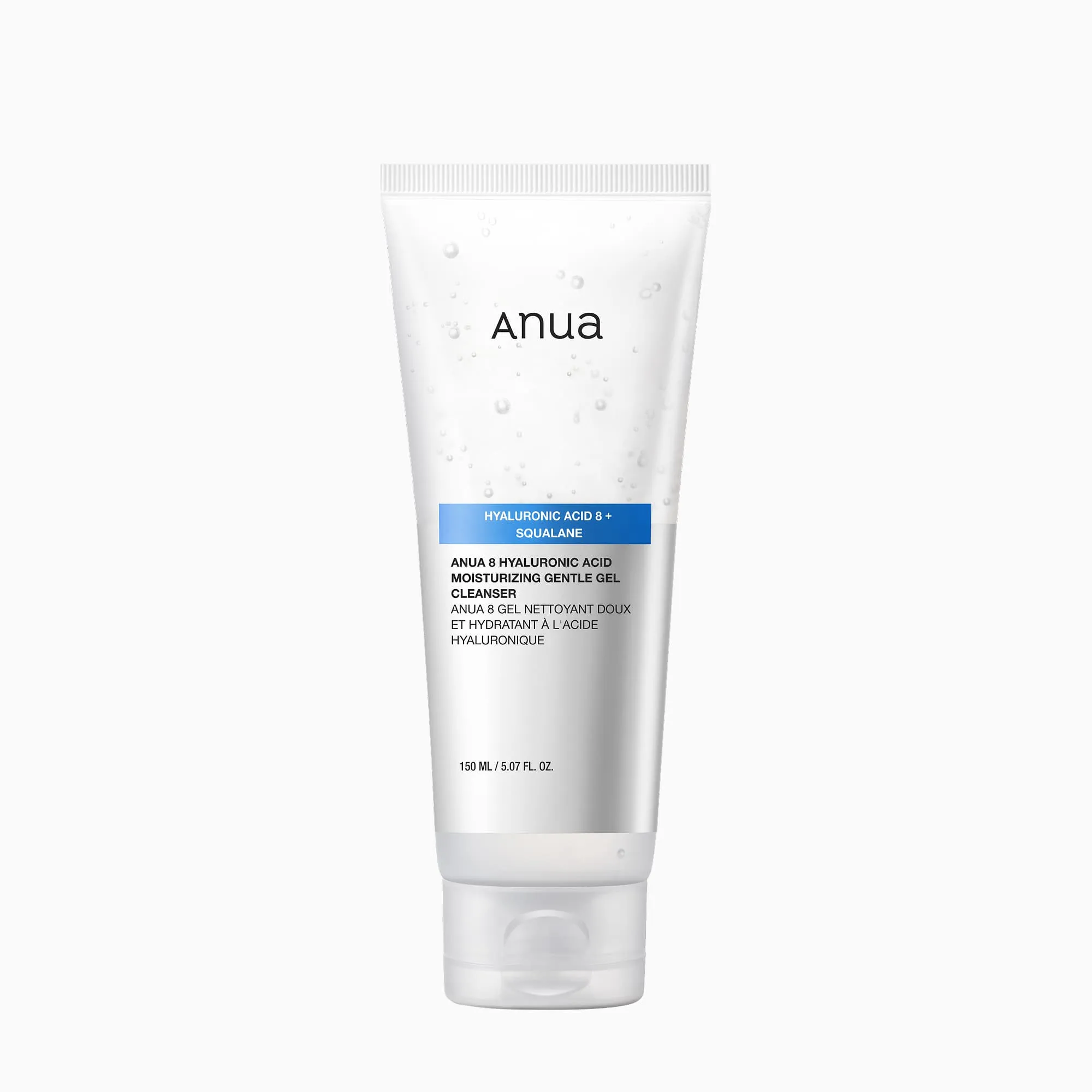
8 Hyaluronic Acid Moisturizing Gentle Gel Cleanser
A low-foam gel cleanser for sensitive skin that prefers a clean, non-heavy rinse.
What does sensitive skin need from a daily face wash?
Sensitive skin needs a cleanser that removes daily residue without stripping the barrier or leaving a heavy film behind.
Sensitivity is common enough that cleanser texture matters. According to a 2024 market report on U.S. facial cleansers, 31.7% of United States adults were reported to suffer from allergies or eczema, conditions that often make the skin barrier feel more reactive (Vyansai Intelligence, 2024). This prevalence of skin sensitivity helps explain why gentle, non-drying facial cleansers have moved from niche products to everyday basics.
A daily cleanser for this skin profile should do three things well:
- Clean oil residue, sunscreen residue, and light daily buildup without a squeaky finish.
- Rinse off without leaving skin feeling coated, waxy, or congested.
- Preserve comfort so the rest of the routine can do its job.
A gel texture is especially helpful for people who dislike both extremes: high-foam cleansers that leave a tight feeling and rich creams that leave a moisturizing film. The right gel cleanser gives the skin a clean starting point without making the face feel bare or over-washed.
If your skin also reacts to UV filters or feels warm after sun exposure, pair a gentle cleanse with a barrier-minded sunscreen routine.
Why are gel cleansers ideal for daily use?
Gel cleansers are ideal for daily use when you want a water-light wash that rinses clean and avoids creamy residue.
Global Market Insights reported that gel cleansers accounted for a 38.81% share of the global facial cleanser market in 2025 (Global Market Insights, 2025). That growth matches a practical skin-care preference: many people want a cleanser that feels fresh but not harsh.
The appeal comes from the way a gel cleanser behaves on skin. It spreads easily with water and creates a light cleansing slip. This can be preferable because the sensation of foam is not the same as gentleness. A cleanser can feel dramatic while washing and still leave skin tight afterward.
A low-foam gel cleanser is different. It gives the user the sensory cue of cleansing, then rinses away without the thick cushion of a cream cleanser or the slippery residue that some richer formulas leave behind.
Which ingredients matter in a soothing face wash?
A soothing face wash should combine mild cleansing with humectants that support hydration during and after rinsing.
The cleanser does not need a long actives list to be useful. For sensitive skin, the more important question is whether the formula cleans without creating a tight, over-cleansed feeling. Humectants are especially relevant because they attract and hold water on the skin’s surface.
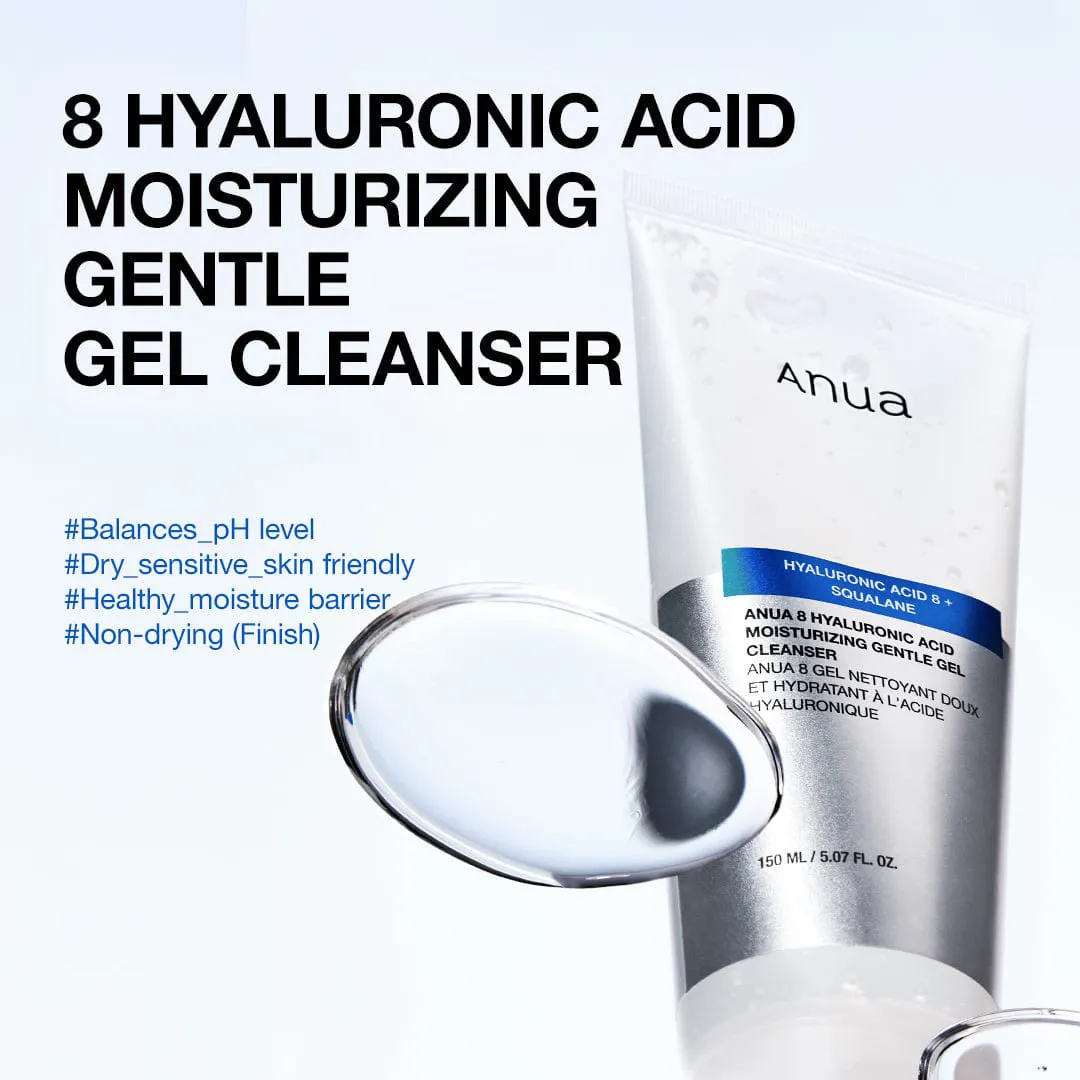
8 Hyaluronic Acid Moisturizing Gentle Gel Cleanser uses 8 kinds of hyaluronic acid. In a rinse-off cleanser, hyaluronic acid supports a more comfortable cleansing experience by helping the formula feel hydrating rather than squeaky. The product is also positioned for pH-level balance, which matters for users who want a daily cleanser that does not leave the skin feeling disrupted.
For sensitive skin, look for these signals on a cleanser page or label:
- Low-foam or gentle gel texture.
- Hydrating ingredients such as hyaluronic acid.
- pH-balancing language.
- Sensitive-skin or dry-sensitive-skin positioning.
- A finish described as non-drying or clean-rinsing.
Those signals are more useful than chasing the strongest foam. If your routine includes treatment steps such as retinol, niacinamide, or PDRN, keep cleansing simple so the skin is not irritated before actives are applied. For treatment layering context, see Anua’s guides to layering niacinamide and retinol over 40 and PDRN serum concentration and safe layering rules.
How do gel, cream, and milky cleansers compare?
Gel cleansers feel lightest, cream cleansers feel richest, and milky cleansers sit between them for rinse feel.
Cream-based washes still have a clear role. A face wash and cleanser market size report for 2026-2033 published by Grand View Research reflects ongoing demand for richer cleanser textures (Grand View Research). The best choice depends less on the word “gentle” and more on the afterfeel your skin prefers.
Choose gel if your skin feels congested after cream cleansers, if you dislike a film after rinsing, or if you want a gentle gel cleanser for daily use before moisturizer. Choose cream if your skin is very dry, flaky, or more comfortable when a cleanser leaves a cushion behind.
When does a gel cleanser beat a cream cleanser?
A gel cleanser beats a cream cleanser when sensitive skin wants hydration support without a coated or heavy afterfeel.
The clearest sign is how your skin feels five minutes after rinsing. If a cream cleanser makes your face feel protected and calm, it may be the right texture. If it makes your skin feel coated, greasy, or like moisturizer is sitting on top of leftover cleanser, a gel cleanser is usually a better daily match.
This is also where price and versatility matter. The personal care price index rose 4.5% as of February 2026 (Vyansai Intelligence, 2026), so a cleanser that works for both morning and evening routines can be easier to justify than a niche texture used only occasionally.
How should you shop for a sensitive-skin cleanser in 2026?
Shop by texture, rinse feel, and barrier comfort first, then use ingredients to confirm the cleanser fits your skin.
The cleanser market is moving toward gentler, more comforting formats. Global Market Insights noted 2025 launches such as Cetaphil’s Nourishing Oil to Foam and Dove’s Calming Ritual, both examples of mainstream brands responding to demand for soothing cleansing experiences (Global Market Insights, 2025).
That trend can make the shelf more confusing. “Gentle,” “hydrating,” and “for sensitive skin” can appear on gels, creams, milks, oils, and foams. To choose well, start with the finish you want after rinsing.
- Decide whether you want a clean rinse, a soft milky finish, or a richer cream afterfeel.
- If you want the cleanest finish, prioritize low-foam gel cleansers over dense foaming cleansers.
- Check for hydration support, such as hyaluronic acid, especially if your skin feels tight after washing.
- Look for pH-balancing or non-drying positioning if your skin is reactive.
- Use moisturizer soon after cleansing so hydration is sealed in rather than left to evaporate.
If your answer to the first step is “clean rinse,” 8 Hyaluronic Acid Moisturizing Gentle Gel Cleanser is the most relevant Anua pick on this page. It is built around the exact texture preference this category serves: light gel cleansing, low foam, and a comfortable non-drying finish.
Choose the gel cleanser that rinses clean
Shop Anua’s daily gel cleanser if your sensitive skin prefers a light wash without the heavy finish of cream cleansers.
FAQS