How to Choose a Korean Toner by Skin Concern
A modern Korean toner hydrates and treats rather than stripping skin like an old astringent. Use this concern-by-concern guide to match redness, dullness, dark spots, blemishes, pores, or dehydration to the right toner.
The best Korean toner is the one matched to your main skin concern: pick a calming heartleaf formula for redness, a niacinamide toner for dullness and dark spots, a BHA toner for clogged pores, an azelaic-cica toner for blemishes, or a PDRN and hyaluronic acid toner for dehydration.
What does a modern Korean toner actually do?
A modern Korean toner is a watery, low-irritation step that delivers hydration and targeted actives, unlike the old alcohol-based astringents that simply stripped oil.
The toners that defined Western drugstore shelves in the past were designed to degrease and "tighten," often leaving skin tight and reactive. The K-beauty approach reframed the category around water-light essences that bind moisture and carry treatment ingredients into a routine. Humectants are central to this: hyaluronic acid has a "unique capacity in retaining water," which is why it anchors so many hydrating toners and helps skin look plump rather than parched (Source).
How do I match a toner to my skin concern?
Start from your single biggest concern, then choose the toner built around the active that addresses it.
The table below maps the six most common concerns to a toner type and a representative Anua formula. Treat it as a starting point: most people have one primary concern and one secondary, so you can rotate a treatment toner with a gentle hydrating one rather than stacking several actives at once.
| Primary concern | Look for | Anua toner |
|---|---|---|
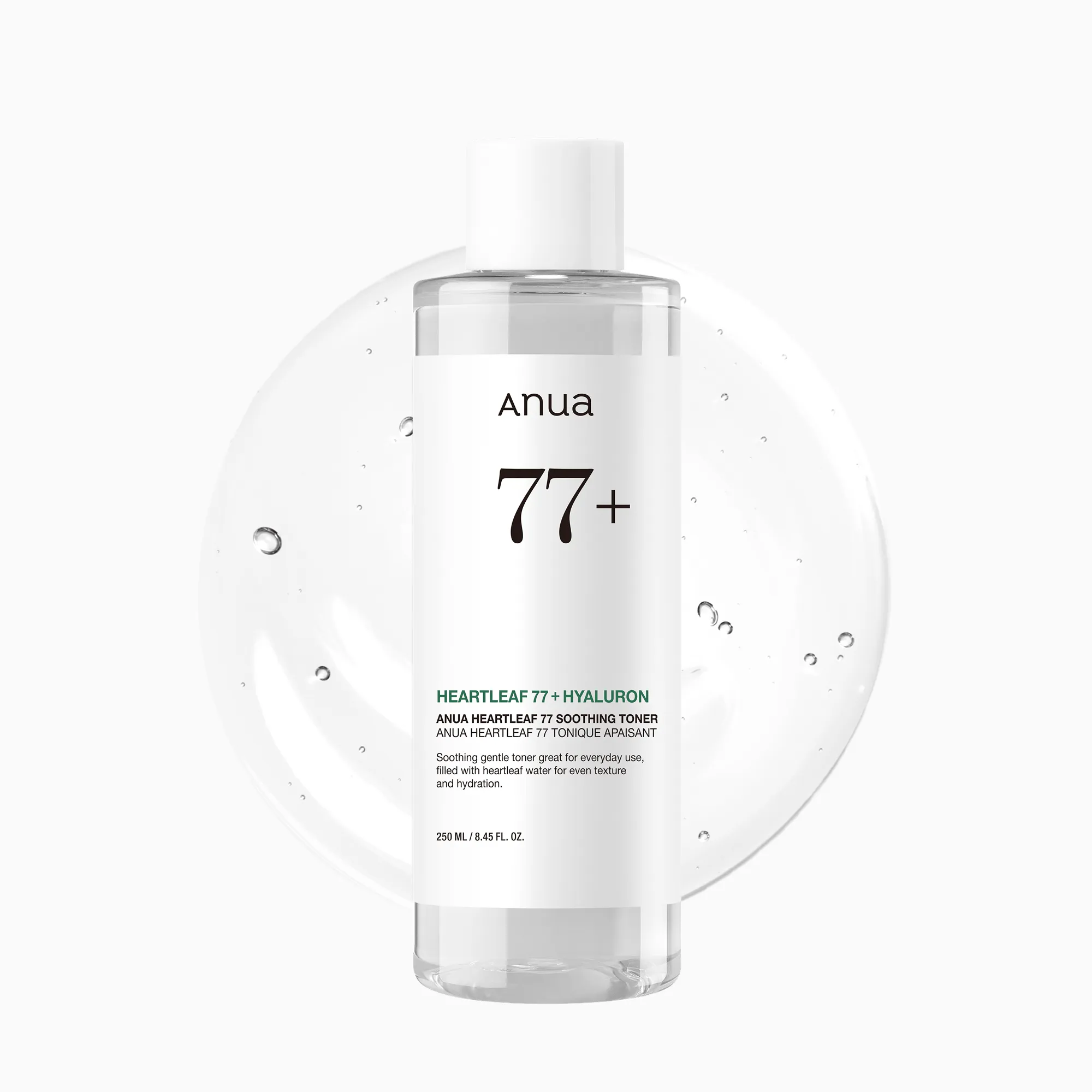
| Redness, sensitivity | Heartleaf (Houttuynia cordata), low actives | Heartleaf 77 Soothing Toner |
| Dullness, uneven tone | Niacinamide | Peach 77 Niacin Essence Toner |
| Dark spots, post-acne marks | Niacinamide + tranexamic acid | Niacinamide Tranexamic Acid Brightening Booster Toner |
| Blemishes, troubled skin | Azelaic acid + cica | Azelaic 3 Cica Skin Clarifying Toner |
| Clogged pores, rough texture | BHA (salicylic acid) | BHA 2% Gentle Exfoliating Toner |
| Dehydration, glass-skin glow | PDRN + hyaluronic acid | PDRN 100 Hyaluronic Acid Booster Toner |
Which toner is best for redness and sensitive skin?
For visibly reactive or easily flushed skin, choose a calming toner built around heartleaf rather than any exfoliating acid.
Heartleaf, or Houttuynia cordata, is a long-used botanical whose anti-inflammatory functions have been reviewed in the dermatologic literature, where its mechanism is described as "closely associated with inflammatory cells, particularly those that secrete cytokines" (Source). In a cosmetic context that translates to a comfortable, low-sting feel and a look of reduced redness, which is exactly what a barrier-stressed routine needs as its toner step.
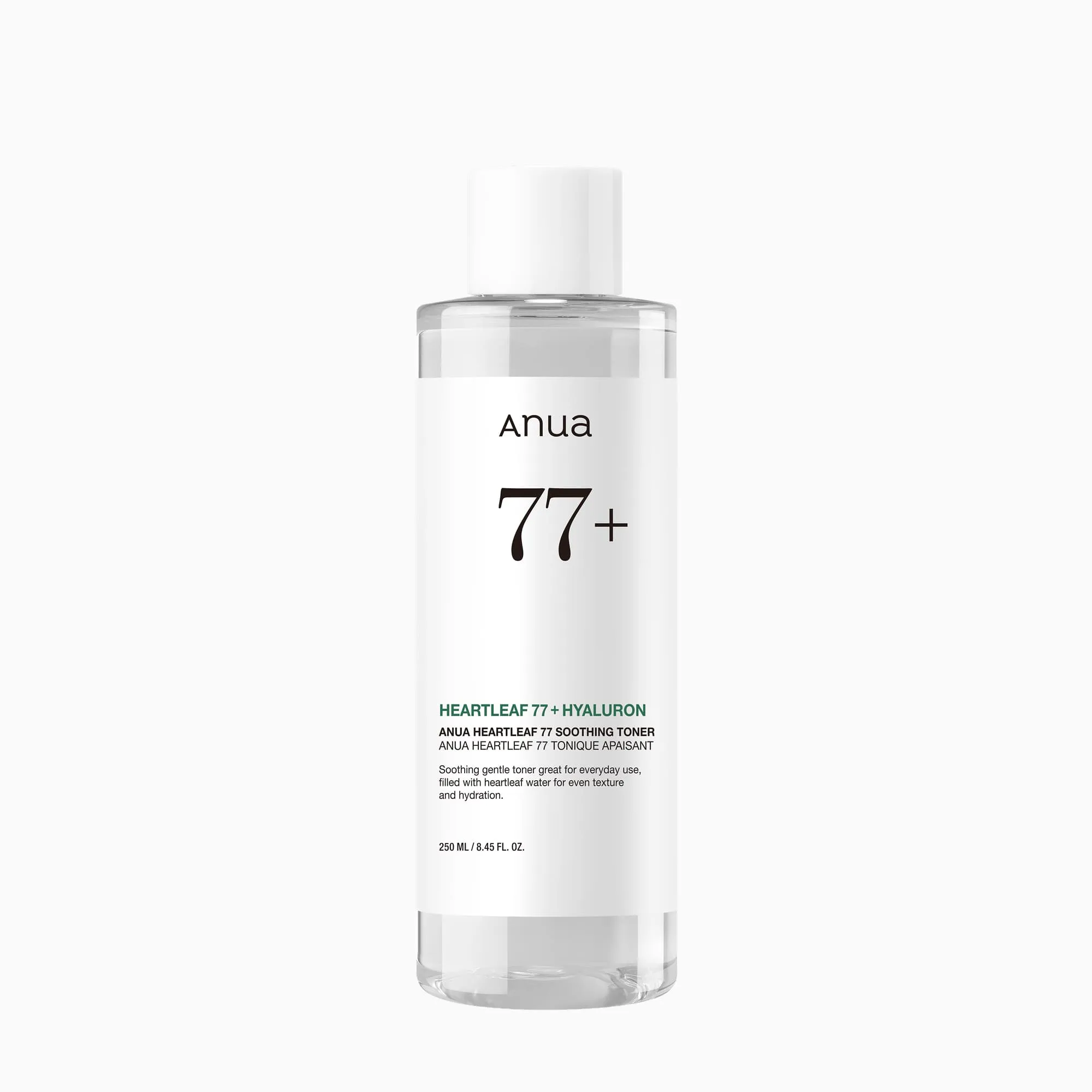
Heartleaf 77 Soothing Toner
A calming heartleaf-forward toner for redness-prone and sensitive skin.
Which toner is best for dullness and dark spots?
For dullness, choose a niacinamide toner; for stubborn dark spots and post-acne marks, choose one that pairs niacinamide with tranexamic acid.
Niacinamide is a well-studied, gentle brightening active. Beyond evening tone, it also supports the barrier by boosting ceramide synthesis, and in clinical work a 4% niacinamide formulation "successfully decreased axillary hyperpigmentation," underlining its role in pigment-related concerns (Source). For marks that linger after breakouts, adding tranexamic acid (TXA) steps things up: reviews report that topical TXA can "significantly reduce pigmentation indices and improve quality-of-life scores in patients with melasma and PIH" (Source).
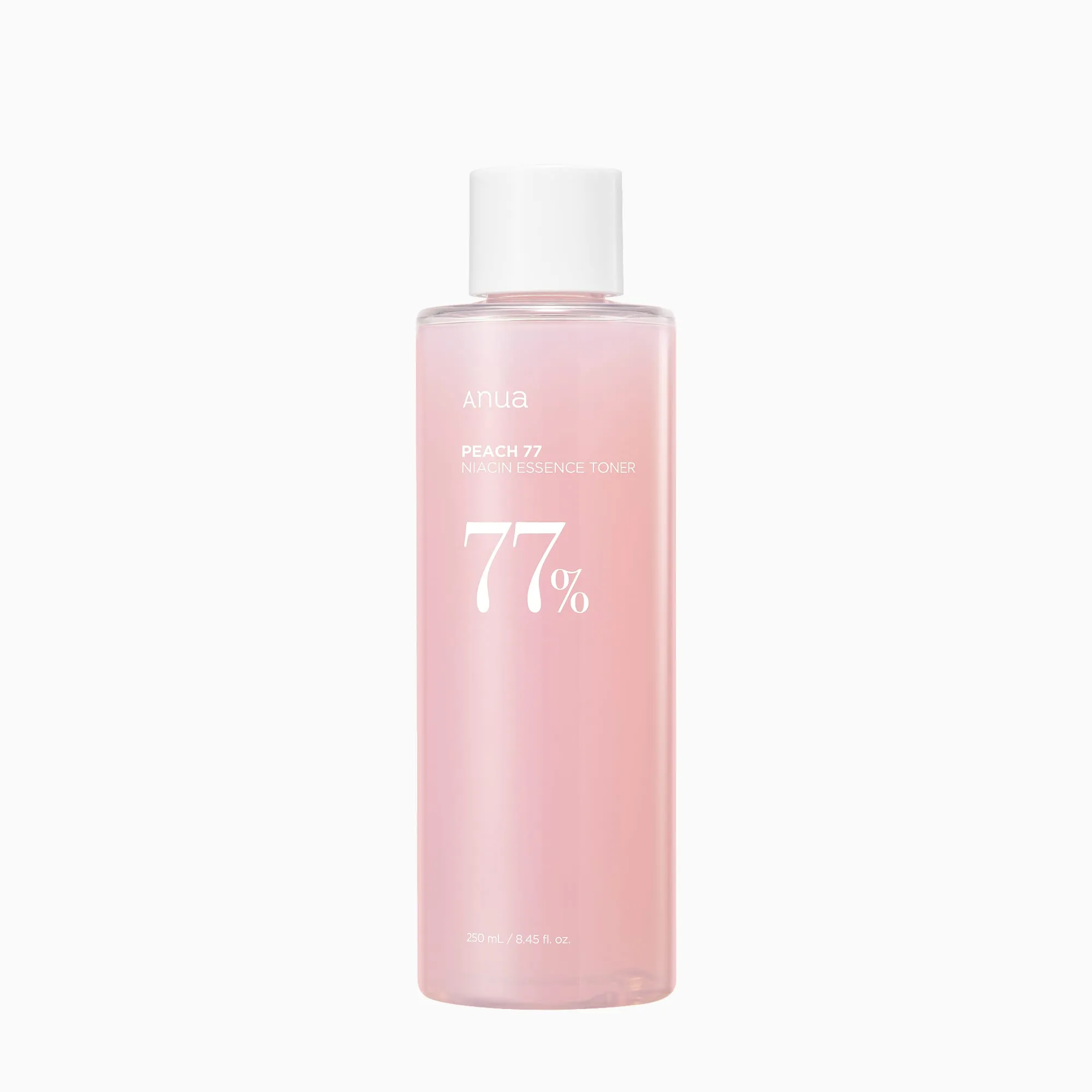
Peach 77 Niacin Essence Toner
A niacinamide essence toner for a brighter, more even-looking complexion.
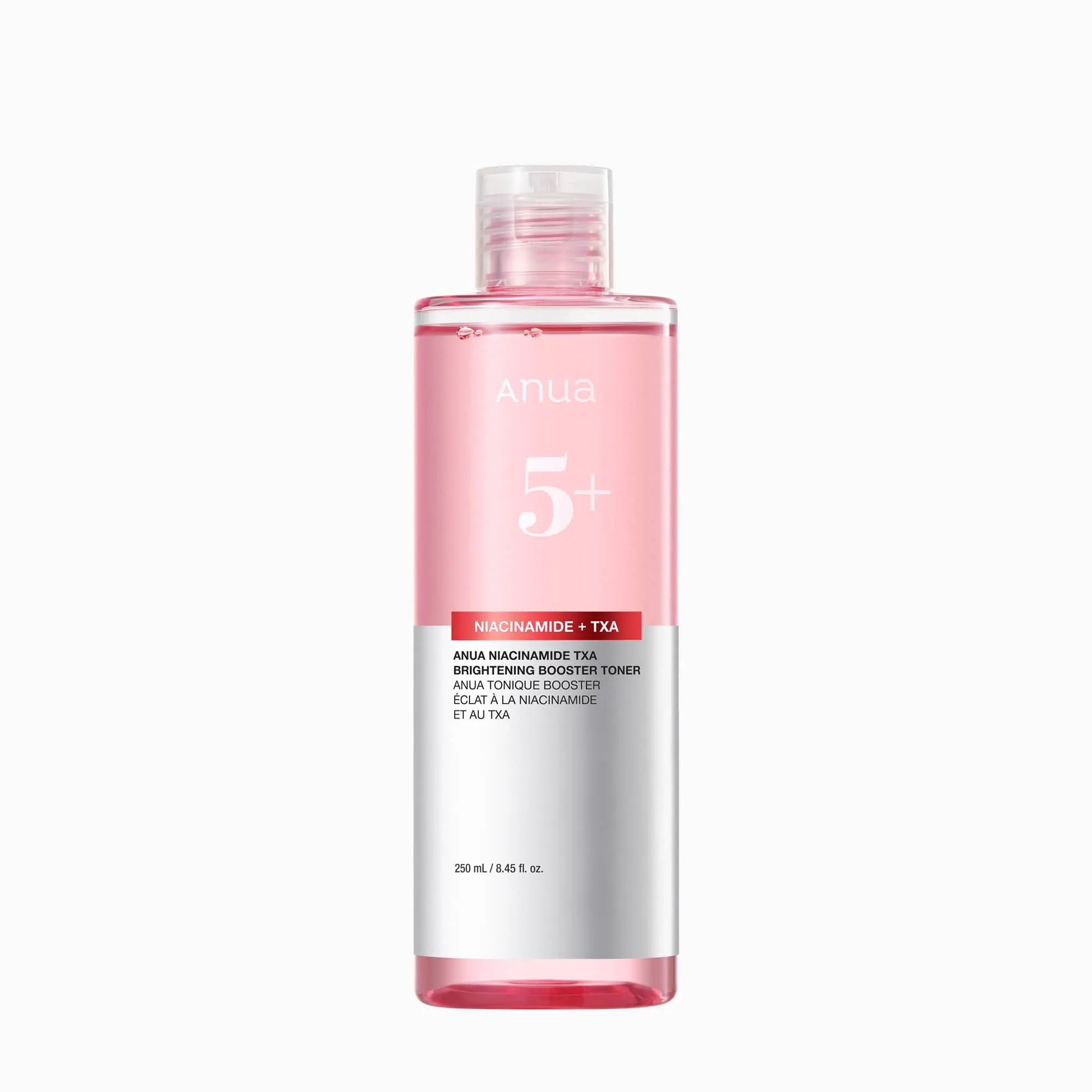
Niacinamide Tranexamic Acid Brightening Booster Toner
Niacinamide paired with tranexamic acid for the look of dark spots and post-acne marks.
Which toner is best for blemishes, pores, and texture?
For troubled, blemish-prone skin lean toward an azelaic-cica toner; for clogged pores and rough texture, reach for a BHA toner.
Azelaic acid is a multitasking active with "antibacterial, anti-keratinizing, antimelanogenic, antioxidant and anti-inflammatory effects" and is FDA-approved for papulopustular rosacea, which is why a low-percentage azelaic-cica toner suits skin that is both broken-out and easily flushed (Source). For pores and bumpy texture, salicylic acid is the classic BHA: in acne it "helps slow down shedding of the cells inside the follicles, preventing clogging," and also helps break down blackheads and whiteheads (Source).
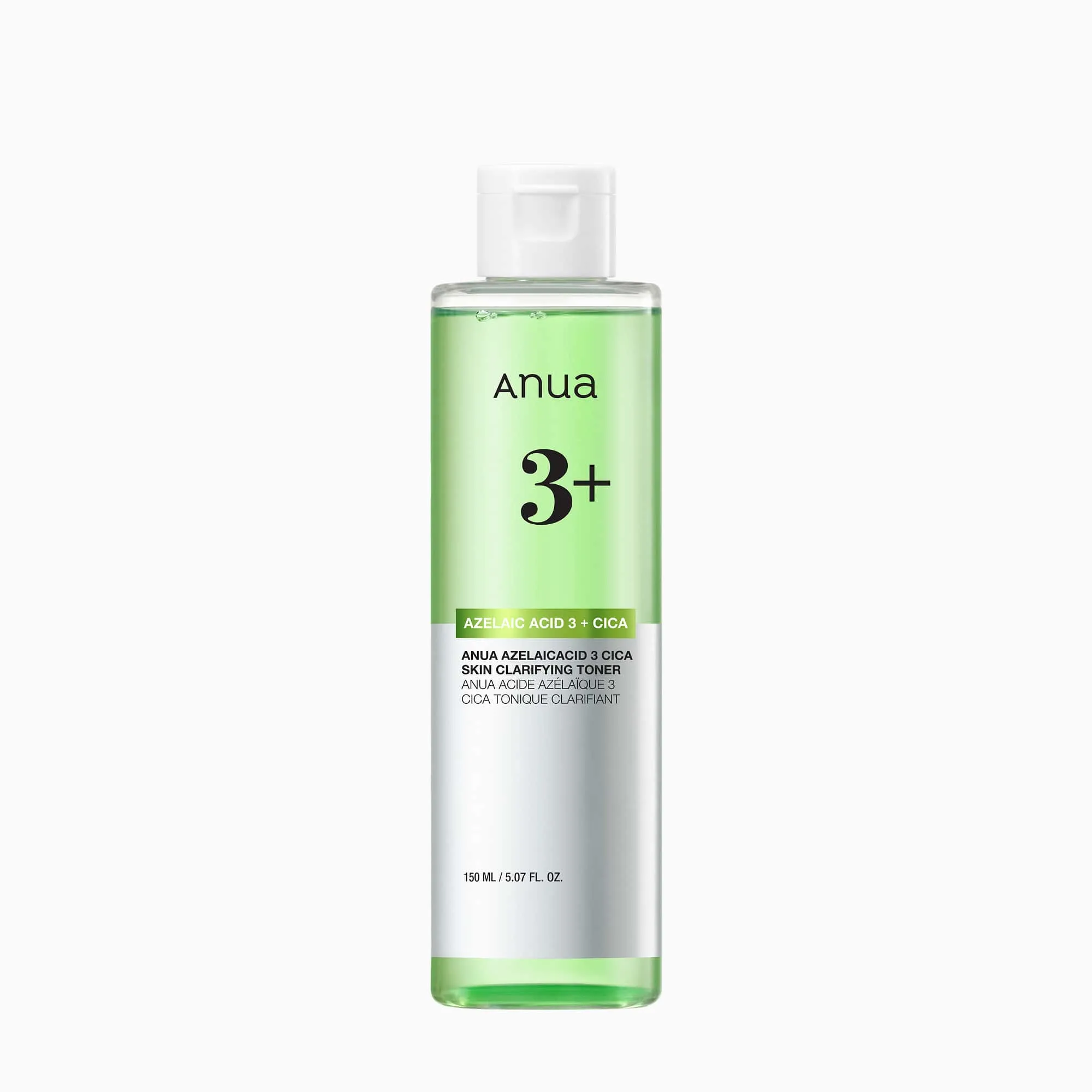
Azelaic 3 Cica Skin Clarifying Toner
Azelaic acid with cica for blemish-prone, easily reddened skin.
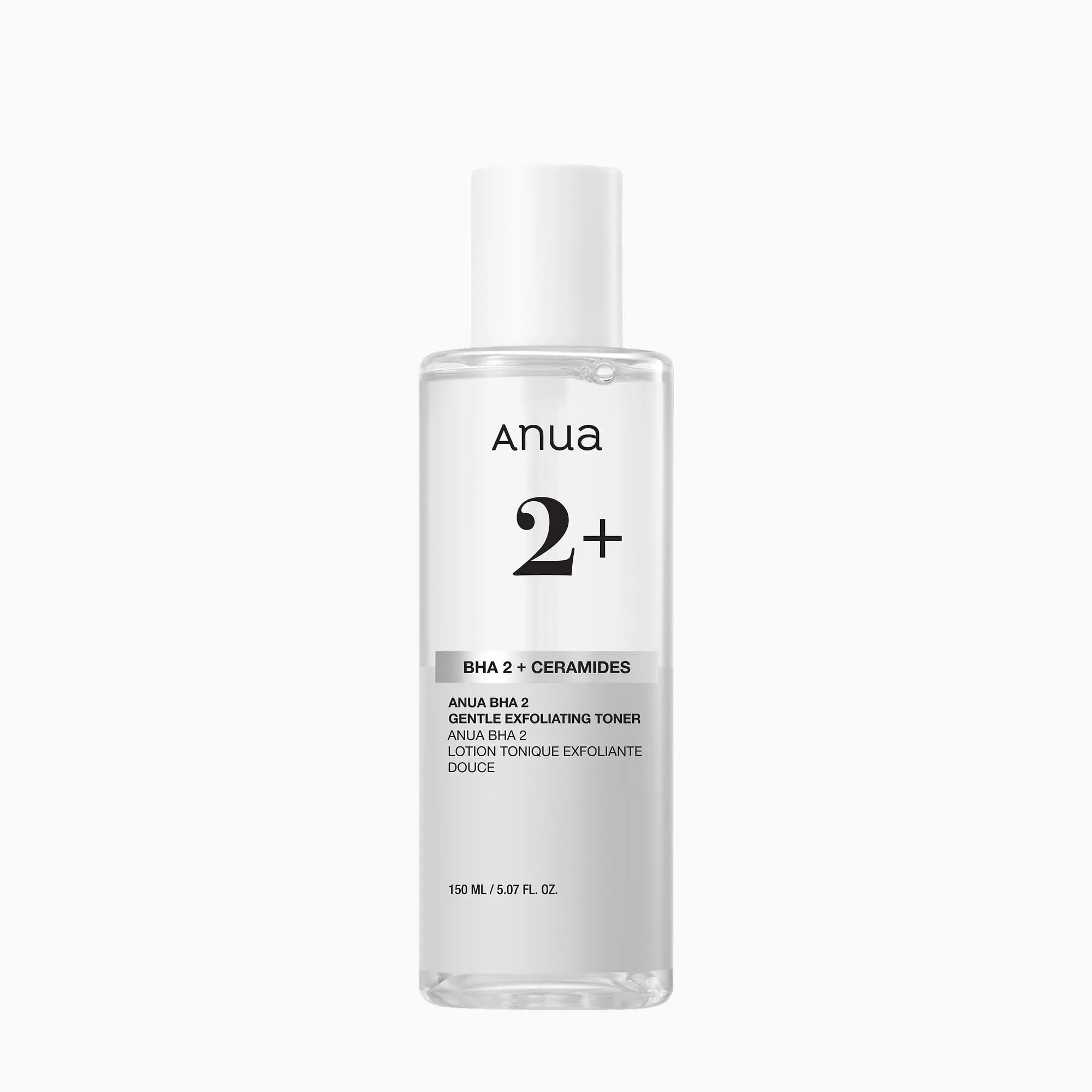
BHA 2% Gentle Exfoliating Toner
A 2% BHA toner to help clear pores and smooth rough texture.
Which toner is best for dehydration and glow?
For tight, dehydrated, or dull-from-dryness skin, choose a humectant-rich toner built around hyaluronic acid and PDRN.
Hyaluronic acid is the workhorse here because it binds and retains water in the upper layers, which is what gives that smooth, glass-skin look after application (Source). A PDRN and HA booster toner layers nicely onto damp skin and pairs well with the rest of a hydrating routine, making it the most universally tolerated option for anyone unsure of their concern.
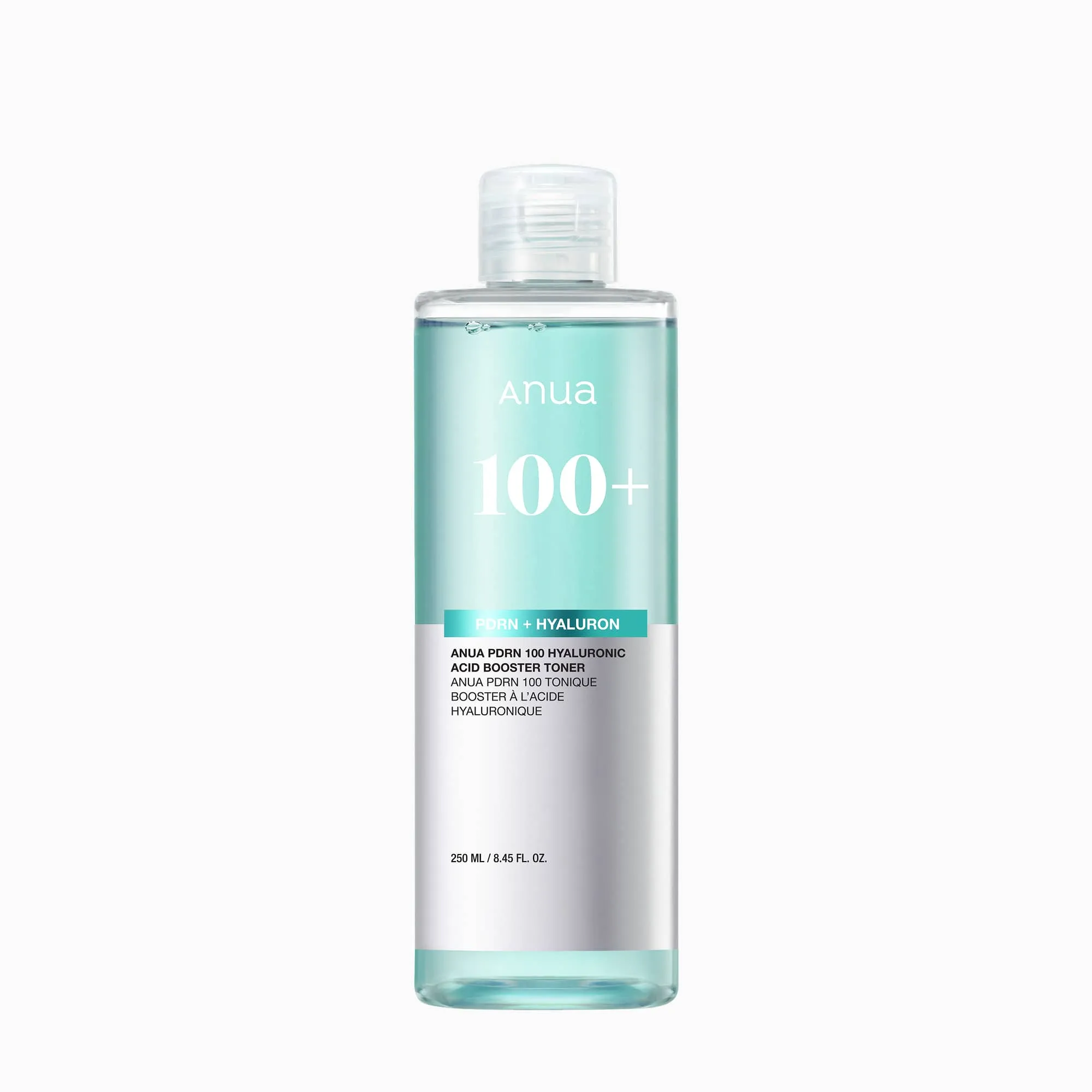
PDRN 100 Hyaluronic Acid Booster Toner
A PDRN and hyaluronic acid toner for a hydrated, glass-skin glow.
How do I layer a toner without over-exfoliating?
Apply your toner on damp skin after cleansing, keep exfoliating acids to a few nights a week, and never stack two acid toners on the same day.
Because salicylic acid can irritate or burn healthy skin when overused, the goal is consistency over intensity, not piling actives on top of each other (Source). A simple, sustainable order looks like this.
- Cleanse, then apply a hydrating or treatment toner while skin is still slightly damp, pressing it in with your palms.
- On exfoliating nights, use your BHA toner first, wait a minute, then follow with a calming or hydrating layer; limit this to two or three nights a week.
- On all other nights, use a soothing or hydrating toner (heartleaf, PDRN-HA) and reserve brightening toners like niacinamide for mornings if you prefer.
- Always finish with moisturizer, and use broad-spectrum SPF every morning whenever you use exfoliating or brightening actives.
Find your toner match
Shop calming, brightening, clarifying, and hydrating Korean toners chosen by skin concern.
FAQS