Korean Cleansing Routine for Blackheads and Congestion
Double cleansing with heartleaf oil, foam cleanser, and 2% BHA helps remove residue, manage excess sebum, and support clogged-looking pores.
A Korean cleansing routine for blackheads should remove oil-soluble debris first, then use foam and BHA only as needed. This order targets congestion without asking one harsh cleanser to do every job.
The routine below centers on Anua’s heartleaf cleansing approach: an oil cleanser for sunscreen, makeup, and oxidized sebum, a water-based cleanser for leftover residue, and a 2% beta hydroxy acid step for dead skin buildup inside clogged-looking pores. It is most relevant for oily, combination, and acne-prone skin, especially when the nose, chin, or forehead develops blackheads, sebaceous filaments, or a rough congested texture.
Why is a dedicated cleansing step helpful for congested skin?
Managing skin congestion involves thorough cleansing to address makeup and surface impurities.
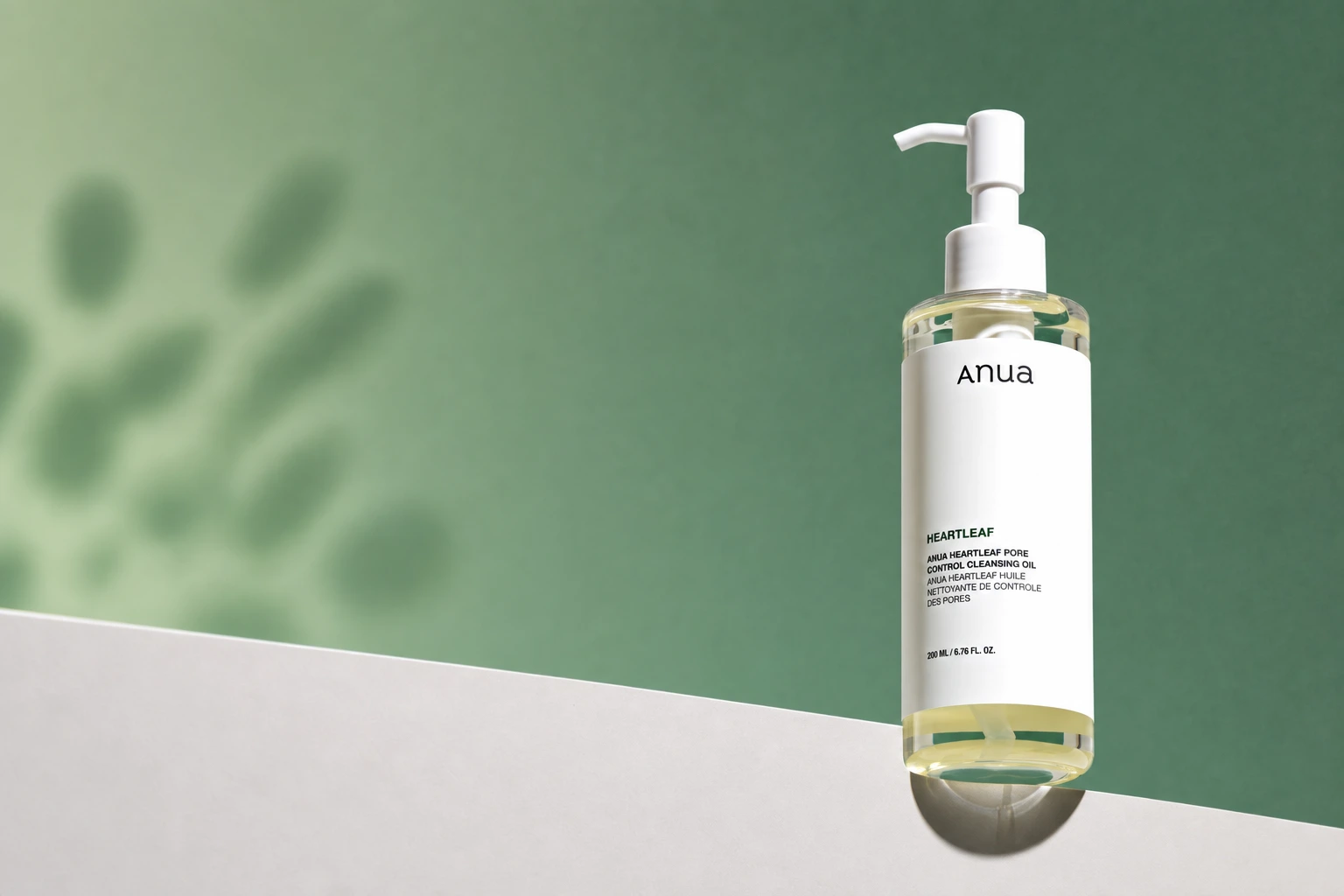
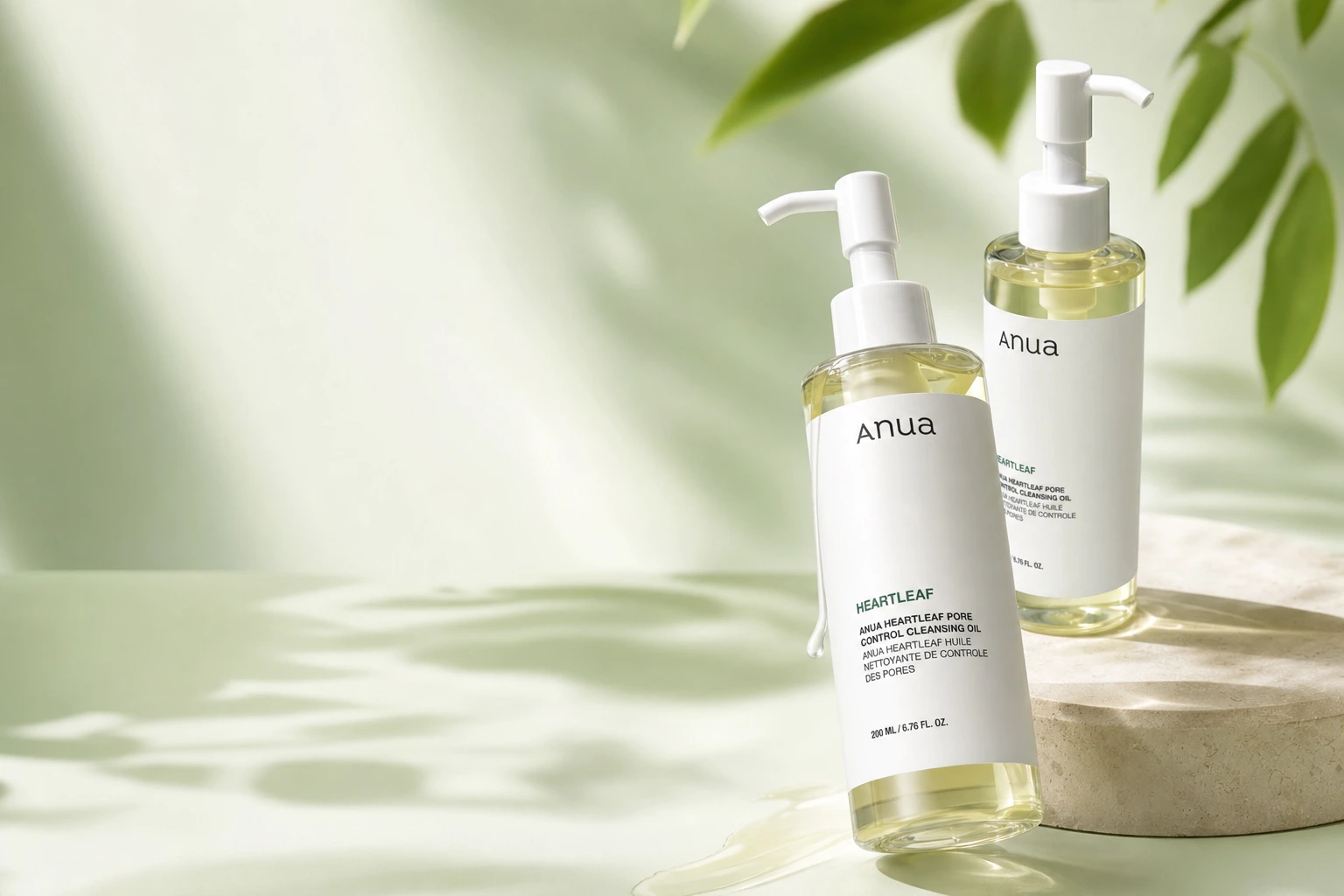
The Heartleaf Pore Control Cleansing Oil is formulated to address makeup, sunscreen, surface oil, and daily impurities. Ensuring thorough removal of those layers is an important part of a daily skincare routine for congested-looking skin.
For a more detailed routine format, Anua’s guide to a Beginner Korean Double Cleansing Routine in 3 Steps explains how different products can be sequenced.
How does heartleaf target sebum and blackheads?
Heartleaf fits congestion routines because Anua uses it in products positioned for sebum care, skin comfort, and cleansing without a stripped finish.
Heartleaf is used in Korean skincare because congested skin often needs more than stripping cleansers. The goal is not to remove every trace of oil. The goal is to keep sebum from building up faster than the skin can shed dead cells.
For congested skin, managing excess sebum is a key part of maintaining a clearer-looking complexion. That does not mean removing every trace of oil; it means keeping the routine clean enough to prevent heavy residue while still supporting comfort.
Anua's Heartleaf cleansing products also give shoppers a practical texture choice. Heartleaf Pore Control Cleansing Oil is the richer first cleanse, while Heartleaf Pore Cleansing Oil Mild is positioned as a lightweight oil cleanser formulated for sensitive skin.
That does not mean heartleaf is a spot treatment or a substitute for acne medication. It means heartleaf-based cleansing can be a good fit when the routine needs to address oil, visible congestion, and skin comfort at the same time.
How do you choose a cleansing oil for congestion?
Selecting a cleansing oil is an important consideration for those concerned with skin congestion.
People with blackheads often avoid cleansing oils because they worry oil will clog pores. The better question is whether the formulation is designed to rinse cleanly, remove sunscreen and makeup, and fit the rest of the routine without heavy residue.
The Heartleaf Pore Control Cleansing Oil is the main Anua fit when you want an oil cleanser for makeup, sunscreen, and surface impurities. If your skin is sensitive-feeling or easily stripped, the Heartleaf Pore Cleansing Oil Mild is the lighter alternative.
Heartleaf Pore Control Cleansing Oil can be integrated into a skincare routine. Its current product price is USD 22.
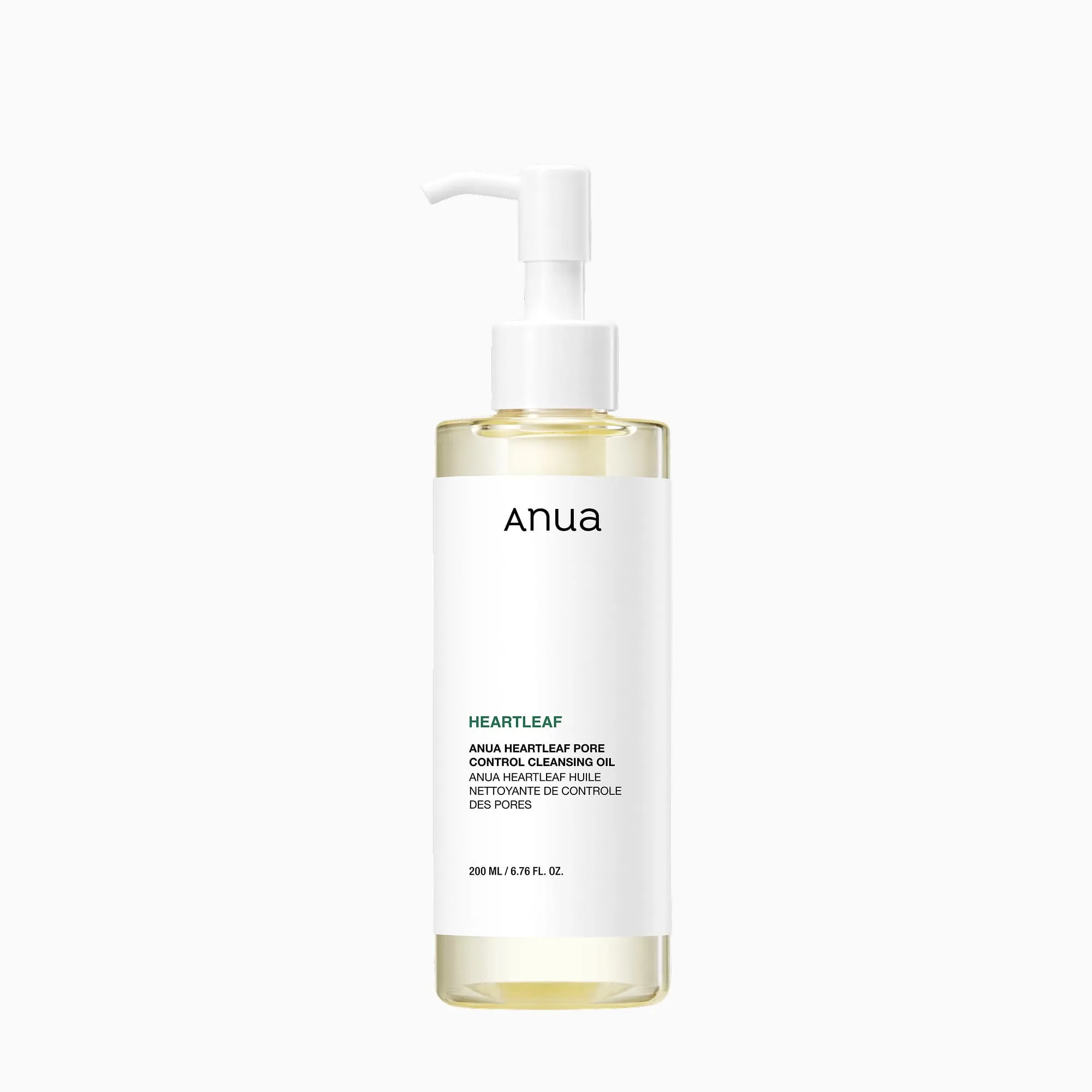
Heartleaf Pore Control Cleansing Oil
Oil cleanser for a blackhead and congestion routine.
The right cleansing oil for your routine is the one you can use consistently without a tight or coated finish.
Which Anua products fit a blackhead routine?
Anua's product lineup includes the Heartleaf Pore Control Cleansing Oil. Its current product price is USD 22.
Heartleaf Pore Control Cleansing Oil
Oil cleanser for a blackhead and congestion routine.
How should you use a Korean cleansing routine for blackheads?
A balanced cleansing routine works best when used consistently and tailored to your skin's tolerance.
More rubbing does not mean cleaner pores, and consistent, gentle care is key for blackhead-prone skin.
When incorporating new products, it is important to monitor how your skin responds to avoid irritation.
What timeline should you expect for clearer pores?
Makeup and sunscreen removal is the first result to judge, while visible pore changes take longer and are best judged after consistent use.
The first result you should expect is a cleaner feel after the first night, especially if you wear sunscreen or long-wear base makeup.
Visible pore changes take longer. Treat the first few weeks as a consistency benchmark, not a reason to scrub harder.
Sebum changes should be judged over a longer window. For people with oily or combination skin, weekly photos in the same lighting are more useful than judging pore appearance every morning.
| Timeframe | What to look for | What not to do |
|---|---|---|
| First cleanse | Less makeup, sunscreen, and surface oil after rinsing | Do not massage until skin turns red |
| First week | Smoother cleansing feel and less surface buildup | Do not add daily BHA immediately |
| Four weeks | More refined-looking pores with consistent use | Do not squeeze pores to speed up results |
| Eight weeks | Better read on excess sebum and shine patterns | Do not abandon moisturizer if skin is oily |
Blackheads can improve, but sebaceous filaments are normal and often return because they are part of the skin’s oil-flow structure. The goal is to make pores look cleaner and less congested, not to create poreless skin.
How should you store and apply cleansing products?
Store cleansing oil away from heat and sunlight, then apply it to dry skin so the formula can dissolve oil-based debris properly.
Application affects results as much as product choice. Oil cleanser should touch dry skin first. If you wet the face before applying it, the oil emulsifies too early and has less time to loosen sunscreen, makeup, and excess sebum.
Use lukewarm water when emulsifying. Hot water can leave the skin feeling stripped, while cold water may make oil harder to rinse clean. The best sign is not squeaky skin. It is skin that feels clean, soft, and ready for the second cleanse or moisturizer.
Storage is simple but important. Keep the bottle capped and store it away from direct sun, shower spray, and long periods of high heat.
A few habits help keep the routine consistent:
- Pump oil into clean, dry hands rather than directly onto a wet face.
- Massage with fingertips, not nails or cleansing tools.
- Emulsify until the oil looks milky before rinsing.
- Use BHA on planned nights instead of whenever pores look more visible.
- Moisturize after BHA, especially if your skin is dry or sensitive.
Build your blackhead routine with Anua
Choose an oil cleanser, second cleanse, and gentle exfoliating toner that match your skin’s tolerance. Keep the routine simple enough to use consistently.
FAQS