Sensitive Skin Sunscreen for Barrier-Stressed Skin
Choose a moisturizing SPF 50 for barrier-stressed skin that feels tight, dry, red, or sting-prone after cleansing.
Key takeaways
- High-protection sunscreen is a practical daily choice for barrier-stressed skin because comfort drives consistent use.
- Consumers with sensitive or reactive skin increasingly prioritize moisturizing formulas that help maintain comfort during daily wear.
- Daily use of SPF 30+ can reduce the incidence of non-melanoma skin cancer and actinic keratosis by roughly 40%.
Why does sun protection matter for compromised skin?
Daily SPF 30+ is a core protective step because it helps manage the long-term risk of skin damage while supporting a consistent daily routine.
For sensitive or barrier-stressed skin, sunscreen is not only a beach-day product. It is a foundational layer for a daily routine, especially for skin that may otherwise feel reactive to environmental exposure.
The public health reason is clear. Daily use of SPF 30+ can reduce the incidence of non-melanoma skin cancer and actinic keratosis by roughly 40% (Dermatology Columbus, 2026). That benefit matters for every skin type, but it is especially relevant when the barrier is already reactive because UV exposure can add another daily stressor.
Consumer demand is moving in the same direction. The U.S. sun care market was valued at $1,977.7 million in 2024 and is projected to grow at a 7.3% CAGR (Grand View Research, 2024). The same market report notes that about 30% of consumers prioritize formulas designed for sensitive or reactive skin, while interest in moisturizing sunscreens has risen 33% compared with standard versions (Grand View Research, 2024).
That shift reflects what sensitive-skin users already know from daily wear. A sunscreen that technically protects but feels greasy, drying, chalky, or sting-prone is less likely to be worn at the right amount or reapplied when needed. The most useful sunscreen for a compromised barrier is the one a person can apply every morning without bracing for discomfort.
Formulations that prioritize wearability help make the protective step feel like part of a daily skincare routine rather than a separate layer to endure.
What is the best sunscreen for sensitive skin in 2025 and 2026?
The best sunscreen for sensitive skin provides high SPF protection and is comfortable enough to apply generously every day.
A practical sensitive-skin sunscreen should focus on cosmetic elegance and wearability throughout the day. For many barrier-stressed users, the finish matters as much as the filter list because the product must be wearable enough for consistent daily use.
The popularity of sunscreens with specialized benefits reflects a growing consumer focus on formulas designed for specific skin needs. High-protection SPF products that focus on cosmetic elegance help ensure the sunscreen remains wearable.
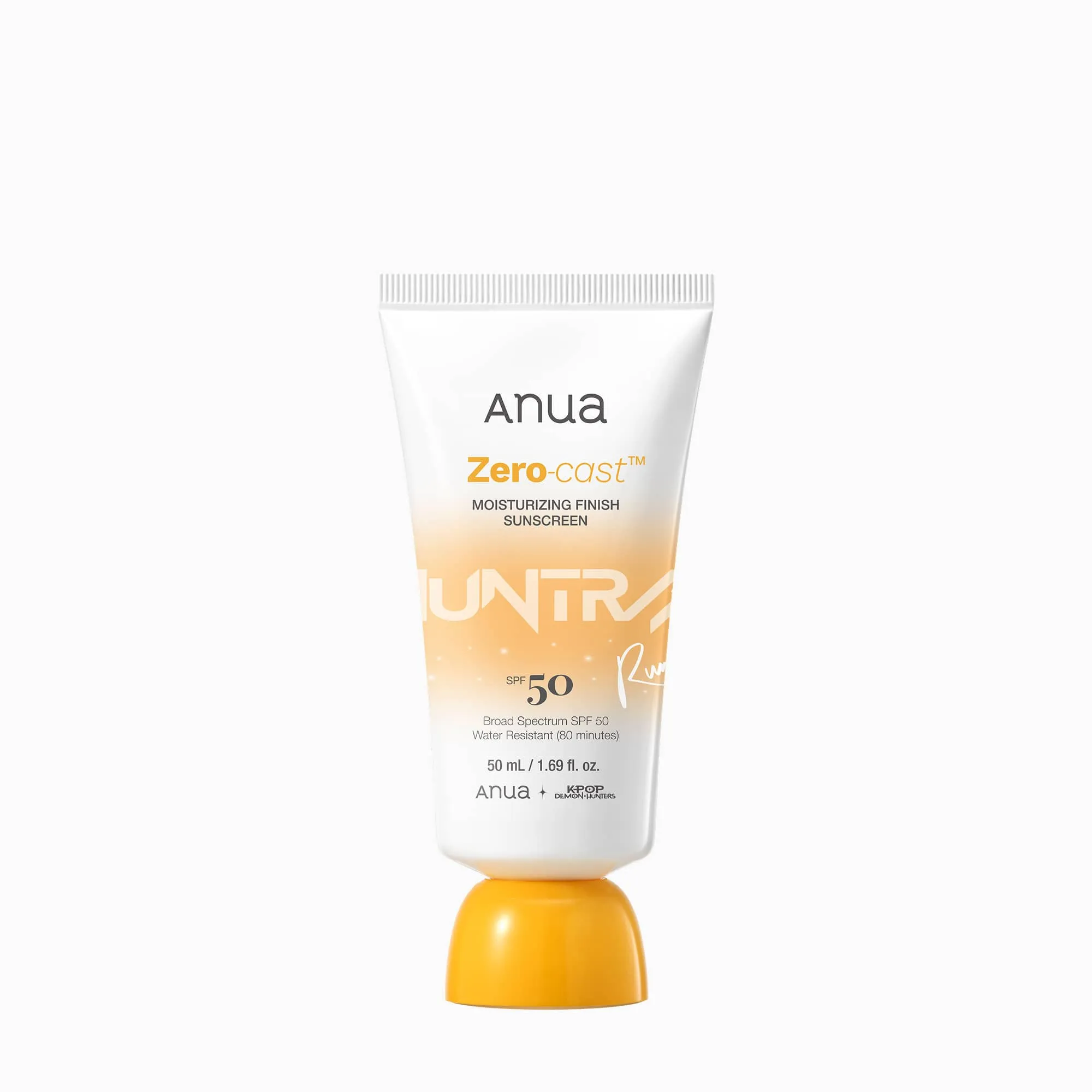
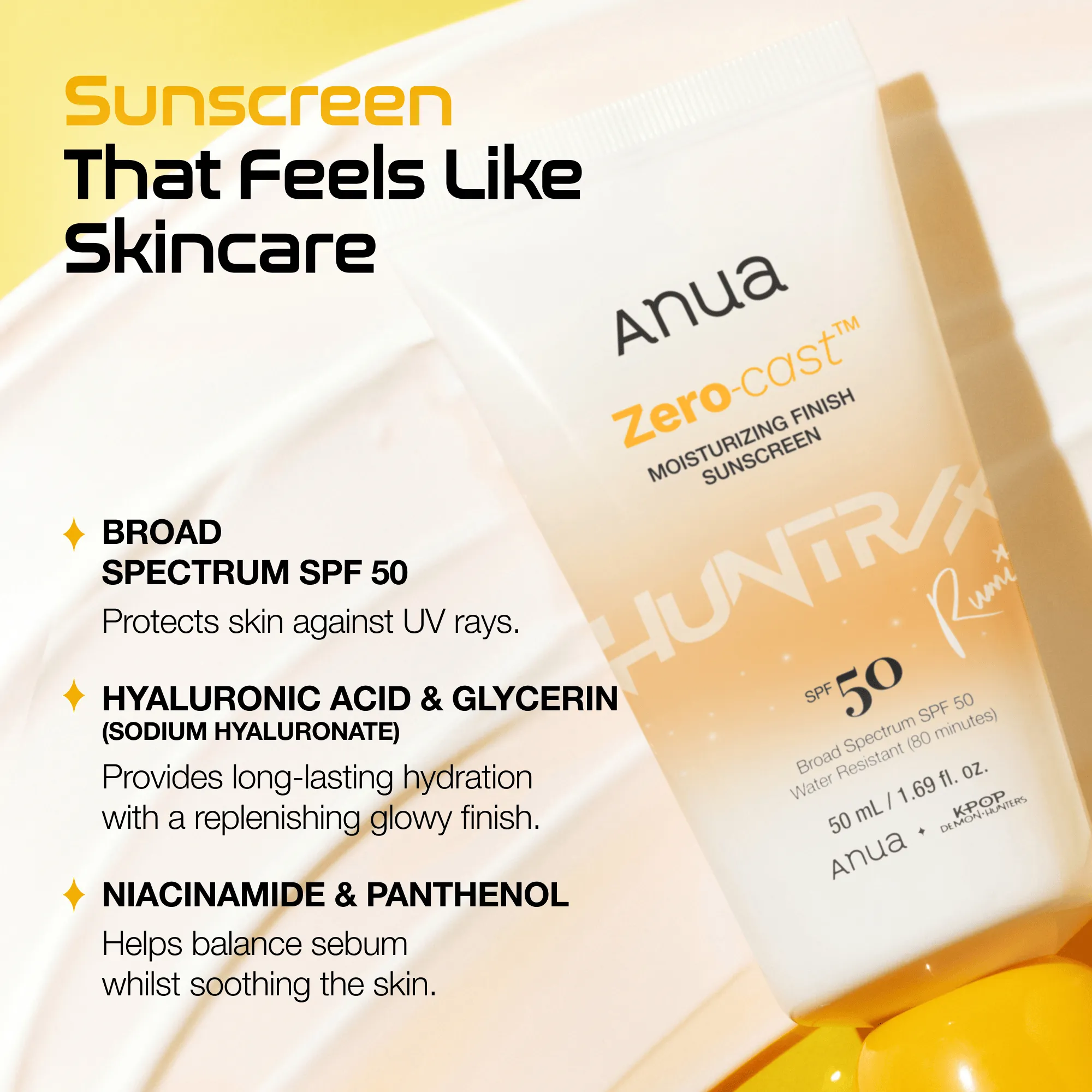
Zero-Cast Moisturizing Sunscreen SPF 50
A moisturizing high-protection sunscreen designed for daily protection and a comfortable finish.
A useful way to choose sensitive skin sunscreen is to prioritize wearability. For barrier-stressed skin, the winning formula is usually the one that provides reliable protection while remaining tolerable for the user's specific skin state.
Use these decision rules when comparing options:
- If skin is reactive, prioritize formulas designed for sensitive or reactive skin types.
- If skin sensitivity is a primary concern, consider formulas designed for reactive skin types.
- Prioritize sunscreens that provide broad-spectrum protection for effective daily use.
A sunscreen can be protective and still fail the routine if it feels wrong on compromised skin. That is why the best sunscreen for sensitive skin is not only the highest SPF number. It is the SPF a person can use consistently without turning the morning routine into another irritation trigger.
Is foam cleanser too harsh for a compromised skin barrier?
A foam cleanser may be too harsh if skin feels tight, stings, turns red, or needs moisturizer immediately after one wash.
Foaming cleansers are not automatically bad, and many people tolerate them well. The problem appears when a cleanser removes more surface comfort than the skin can replace. Barrier-stressed skin is often more reactive to cleansing, requiring a gentle approach to both protection and product removal.
The cleanser and sunscreen choices should be planned together. A sunscreen that needs aggressive removal can push sensitive skin into over-cleansing, while a cleanser that strips the face can make any SPF feel more irritating than it actually is.
| Situation | What it may mean | Routine adjustment | Sunscreen implication |
|---|---|---|---|
| Skin feels tight after one foam cleanse | The cleanser may be too stripping for the current barrier state | Consider simplifying the cleansing step if the skin feels overly stripped | Choose a moisturizing SPF so the morning routine does not start dry |
| Sunscreen feels fine at first, then stings | Skin may be irritated before SPF is applied | Simplify steps for several days and avoid exfoliating actives | Test SPF on calmer skin before deciding it is the cause |
| Makeup or water-resistant SPF needs heavy scrubbing | Removal friction may be adding irritation | Use a gentle cleansing method to ensure the skin is clean without excessive rubbing | Pick daily SPF that removes without repeated rubbing |
| Cheeks flush after cleansing | Cleansing may be worsening redness-prone skin | Adjust the cleansing routine to avoid further irritating the skin | Apply sunscreen after a light hydration layer, not on freshly stripped skin |
| Eye area burns after sunscreen | Product may be migrating or the eye area may be sensitized | Keep sunscreen away from the lash line and avoid rubbing during removal | Ensure the product is applied carefully around sensitive areas like the eyes |
Selecting a cleanser based on current skin state is a key part of maintaining the barrier. Switching to a gentler cleansing method may help maintain surface comfort if a previous routine starts to feel reactive.
For a daily sunscreen routine, the goal is low friction. Apply a comfortable amount in the morning, avoid unnecessary rubbing during the day, and remove it at night with the least aggressive cleanse that still leaves the skin clean. If a cleanser leaves the face tight, the next sunscreen layer has to work harder to feel comfortable.
How should sunscreen fit into a redness or discoloration routine?
Sunscreen is a foundational layer for routines targeting visible concerns like redness or discoloration. It acts as a foundational layer, ensuring the skin remains protected from environmental factors that can influence skin appearance. While it does not replace active-focused steps, it ensures the skin is not further stressed by daily environmental factors.
For combo-dry, rosacea-prone skin, a simple structure is usually easier to tolerate than a crowded routine:
- Cleanse gently, or rinse with water in the morning if skin feels stripped.
- Apply a lightweight hydration layer only where skin feels dry or tight.
- Use targeted treatment products as directed, if the skin currently tolerates them.
- Finish the morning routine with a moisturizing sunscreen that provides high SPF protection.
- Reduce exfoliating or high-friction steps if redness, burning, or flaking increases.
The key is separation of roles. While specialized treatments may be selected for visible concerns, sunscreen remains the daily protection layer required for any routine. If the barrier is stinging, pause the urge to add more actives and first make the cleansing, hydration, and SPF steps tolerable.
What lightweight hydration works under sunscreen for combo-dry redness-prone skin?
Combo-dry, redness-prone skin usually needs a thin hydration layer under SPF only on areas that feel tight or flaky.
The best Korean hydrating cream for combo-dry rosacea-prone skin is not always the richest cream. A heavy repair cream can be helpful at night or during a dry flare, but daytime sunscreen layering works best when the hydration step is thin, even, and not slippery enough to cause pilling.
Use these decision rules:
- If cheeks feel tight but the T-zone gets shiny, apply moisturizer only on the dry zones before sunscreen.
- If sunscreen pills, use less cream underneath and let each layer settle before the next step.
- If skin feels comfortable after cleansing and a hydrating toner or serum, sunscreen alone may be enough in the morning.
- If redness-prone skin burns with every layer, reduce the routine to cleanser, moisturizer if needed, and sunscreen until tolerance improves.
- If a repair cream feels too heavy under SPF, move it to the evening routine and keep the morning routine lighter.
The research report also notes that Centella Asiatica is commonly valued in barrier-support products because of madecassoside content. That can make centella-focused products appealing for eczema-prone or compromised-feeling skin, but the daytime question is still practical: does the layer help sunscreen sit better, or does it make the routine unstable?
For Anua, the product logic is to make the sunscreen step itself feel more skincare-like. A moisturizing sunscreen is useful when someone wants fewer daytime layers because it combines high SPF protection with a hydrating finish. That does not mean everyone should skip moisturizer. It means the sunscreen can carry more of the comfort burden when the skin barrier is already tired.
Why do UV filters and regulations matter for sensitive skin?
U.S. sunscreen filters are regulated as OTC drug actives, so sensitive-skin users often balance protection with filter availability.
In the United States, the FDA regulates sunscreens as over-the-counter drugs (Provision FDA, 2026). That regulatory structure affects which UV filters can appear in U.S.-marketed sunscreen products.
Current U.S. options rely heavily on older approved filters such as Avobenzone and Homosalate, while newer filters such as Tinosorb and Uvinul are common in native Korean formulations but restricted in U.S.-marketed versions (Provision FDA, 2026). A review on U.S. sunscreen modernization notes that regulatory efforts aim to incorporate newer filters that could improve broad-spectrum stability and cosmetic elegance (National Center for Biotechnology Information, 2026).
This does not mean U.S.-marketed sunscreens are unsuitable for sensitive skin. It means formulation skill matters. Texture, film formation, moisturizing support, and how the formula behaves near the eyes can change the wearing experience even when the active filter list looks familiar.
For barrier-stressed skin, judge a sunscreen by the full routine experience:
- Does it feel comfortable over dry cheeks?
- Does it avoid a heavy white cast?
- Does it sit under makeup without repeated rubbing?
- Does it stay put without running into the eyes during normal wear?
- Does it remove with a gentle cleanse at night?
Sunscreens using U.S.-marketed filters can provide high-quality protection while focusing on a moisturizing, daily finish. For sensitive users, that finish can be the difference between owning sunscreen and using sunscreen.
Which sunscreens are recommended for reactive and stressed skin?
Reactive skin usually does best with sunscreens that combine daily UV protection, soothing support, and a finish people will reapply.
The research report identifies several sunscreen comparison points for sensitive and reactive skin. A moisturizing SPF 50 formula is often a suitable choice for users whose skin feels tight or sting-prone after cleansing. EltaMD UV Clear Broad-Spectrum SPF 46 is described as a recommendation for acne and rosacea-prone skin because it contains niacinamide and zinc oxide (Dermatology Columbus, 2026). Round Lab 1025 Dokdo Sunscreen received a safety rating of 79 in early 2026 maternal health assessments (MamaSkin, 2026).
| Sunscreen option | Best fit from the research | Why it matters for sensitive skin |
|---|---|---|
| High-protection moisturizing formulas | Barrier-stressed skin that feels reactive or sensitive | Moisturizing finish supports daily compliance and comfort |
| EltaMD UV Clear Broad-Spectrum SPF 46 | Acne and rosacea-prone skin | Niacinamide and zinc oxide are noted in the recommendation |
| Round Lab 1025 Dokdo Sunscreen | Users researching pregnancy-safe sunscreen options | Safety rating of 79 was reported in early 2026 maternal assessments |
The primary decision point for sensitive skin is often straightforward: choose a sunscreen that provides both reliable UV protection and daily comfort for skin that feels dry or reactive.
Give stressed skin a sunscreen it can tolerate
Choose a moisturizing sunscreen designed for daily comfort and high protection when your skin feels reactive or sensitive.
FAQS