Niacinamide vs Vitamin C vs Retinol: Which Active for Which Concern
A calm, evidence-led comparison of niacinamide, vitamin C, and retinol so you can match the right active to your skin concern. Learn what each does, when to use it, and how to layer without irritation.
Choose by concern, not by hype: reach for niacinamide to support the barrier and the look of oil and tone, vitamin C in the morning for antioxidant defense and brightening, and retinol at night for texture and fine lines.
How do niacinamide, vitamin C, and retinol differ?
They solve different problems, so the better question is "which concern" rather than "which is strongest." Niacinamide (vitamin B3) is a multitasking, well-tolerated active; vitamin C (L-ascorbic acid and its derivatives) is an antioxidant and brightener; retinol is a vitamin-A derivative aimed at texture and fine lines.
Niacinamide works on several fronts at once. A 2024 mechanistic review notes it "effectively penetrates the stratum corneum," boosts ceramide synthesis to preserve the skin barrier, and has been studied for fine lines, hyperpigmentation spots, rough texture, and red blotchiness (Source). That breadth, plus its gentleness, is why it is often the first active people add and the easiest to layer.
Which active is best for dark spots and uneven tone?
For the look of dark spots and uneven tone, niacinamide and vitamin C are the gentler daytime-friendly choices, while retinol supports tone over time through cell turnover.
Vitamin C reduces the look of pigmentation by interacting with copper at tyrosinase-active sites and inhibiting tyrosinase, the main enzyme that converts tyrosine into melanin, "thereby decreasing melanin formation" (Source). Niacinamide approaches pigment differently, and a tranexamic-acid review describes tranexamic acid as a well-tolerated option that interrupts the melanin pathway in melasma and post-inflammatory marks (Source). That pairing is the idea behind a niacinamide-plus-tranexamic-acid serum for the look of brightness and dark spots.
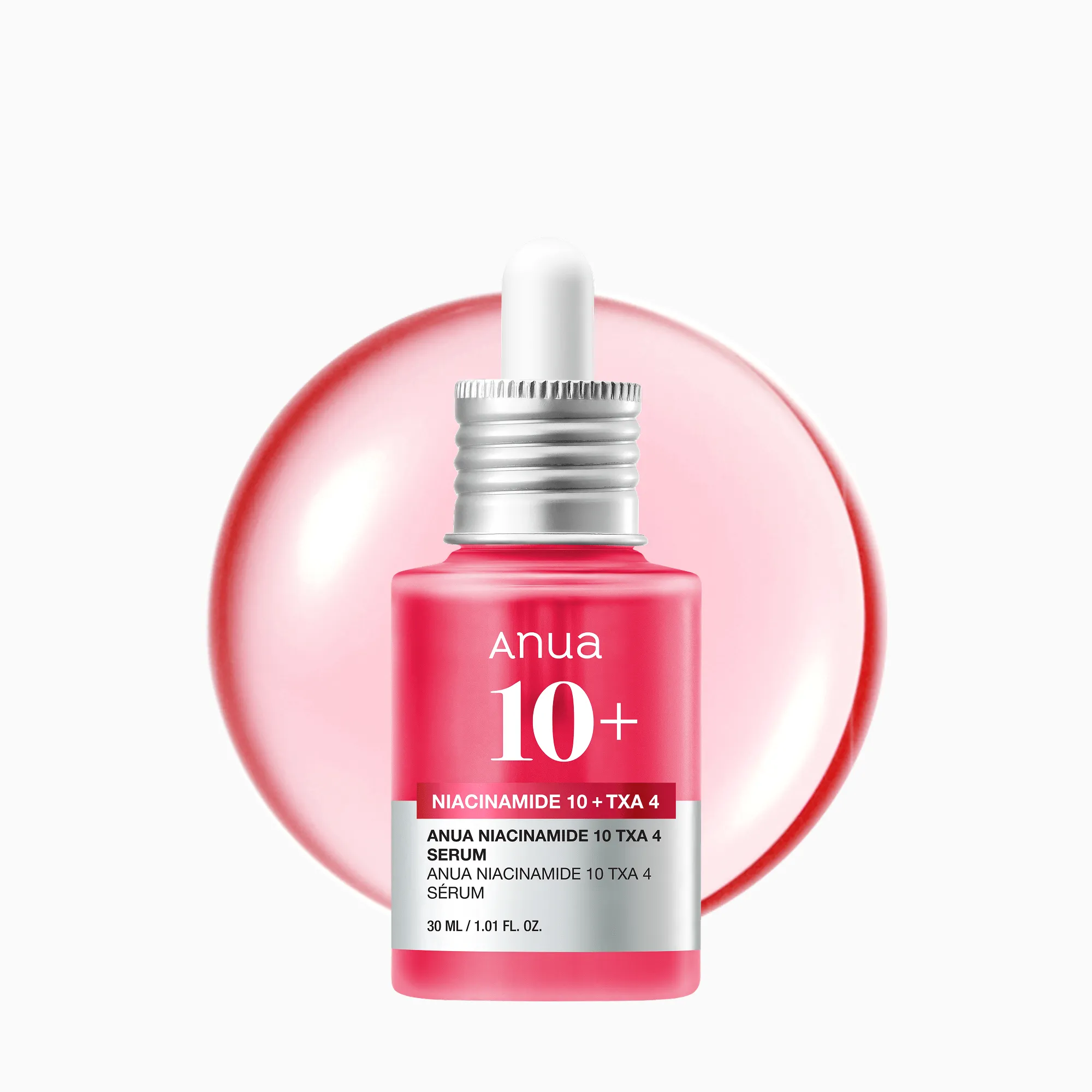
Niacinamide 10 TXA 4 Serum for Brightening and Dark Spots
A 10% niacinamide and 4% tranexamic acid serum aimed at the look of brightness and dark spots, gentle enough for AM or PM.
Why is vitamin C usually a morning step?
Vitamin C earns its morning slot because it is an antioxidant that helps defend skin against daytime oxidative stress, complementing (never replacing) sunscreen.
It is "one of the most potent antioxidants in the skin," neutralizing oxidative stress from sources such as UV and pollution by electron donation, and laboratory work has shown topical 10% vitamin C reduced UVB-induced erythema by 52 percent and apoptotic sunburn-cell formation by 40 to 60 percent (Source). It also supports a brighter, firmer-looking complexion: a clinical study found daily 3% topical vitamin C over four months "led to a significant increase in the density of dermal papillae" (Source).
Anua does not sell a standalone vitamin C serum, so if you want a vitamin-C-themed brightening step, the relevant item is a sheet-mask format you can slot into a calm routine.

Eternal Honmoon Vita Brightening Collagen Mask 4ea
A vitamin-C-themed brightening collagen mask for an occasional fresh, even-looking glow.
When is retinol the right active, and why only at night?
Retinol is the active to reach for when texture and fine lines are the priority, and it belongs in your PM routine because it can irritate and raises sun sensitivity.
Retinoids "spur faster turnover of surface skin cells" and boost collagen, which improves skin tone and reduces fine lines and wrinkles (Source). Because retinoids can make skin more sensitive to sun, dermatologists advise "using it only at night and always using sun protection during the day" (Source). Tolerability is the catch: a clinical review notes that "irritant reactions such as burning, scaling or dermatitis associated with retinoid therapy limit their acceptance by patients" (Source), which is why a low-percentage formula, used a few nights a week to start, is the sensible on-ramp.
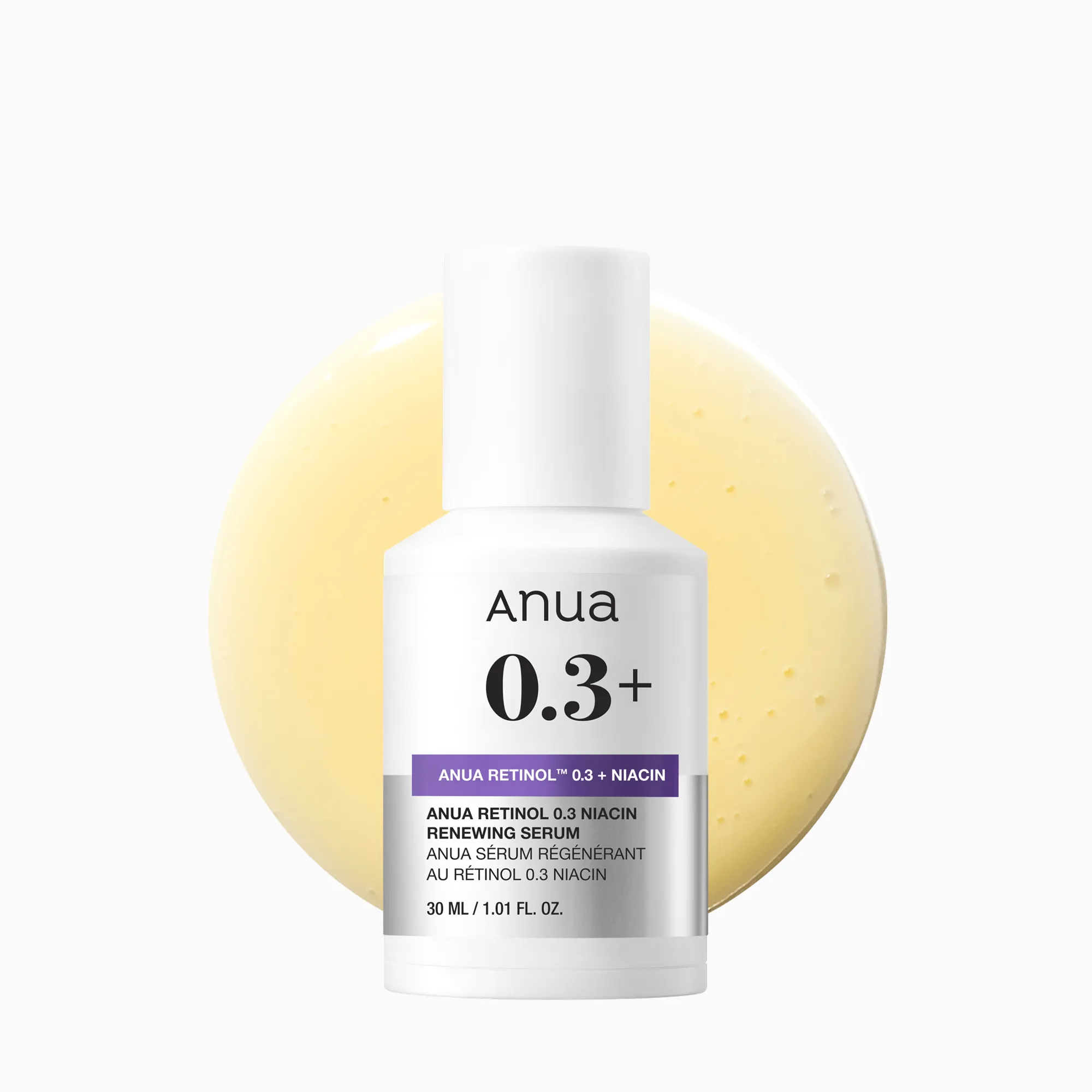
Nano Retinol 0.3% + Niacin Renewing Serum
A 0.3% retinol plus niacinamide renewing serum for PM use, pairing texture support with barrier-friendly niacinamide.
Side-by-side: which active for which concern
Use this as a quick map from concern to active and timing.
| Active | Best-fit concern | When to use | Sensitivity / notes |
|---|---|---|---|
| Niacinamide | Barrier support, look of oil and uneven tone | AM or PM | Gentlest; layers well with most actives |
| Vitamin C | Antioxidant defense, brightening | Usually AM | Can tingle at low pH; pair with SPF |
| Retinol | Texture, fine lines, cell turnover | PM only | Irritation risk; raises sun sensitivity, start slow |
Niacinamide is the connective tissue between the others: it appears alongside tranexamic acid for tone and alongside retinol to keep a renewing routine more comfortable.
How to choose and start without irritating your skin
Pick one concern, choose the matching active, and introduce it slowly. Here is a simple decision routine.
- Name your top concern: barrier and oil-balance or look-of tone (niacinamide), antioxidant brightening (vitamin C, AM), or texture and fine lines (retinol, PM).
- Add one new active at a time, on clean, dry skin, and give it two to four weeks before judging.
- Keep retinol to PM and start two to three nights a week, buffering with moisturizer if your skin feels tight.
- Apply broad-spectrum SPF every morning, especially while using vitamin C or retinol.
- If you want to combine niacinamide and retinol, follow a deliberate layering order rather than piling everything on at once.
Build a routine around your concern
Match the right active to your skin goal and shop gentle, layer-friendly formulas.
FAQS