Tranexamic Acid vs Azelaic Acid for Acne Marks
Tranexamic acid fits brown acne marks and melasma; azelaic acid fits redness and PIE. Compare timelines, tolerability, and Anua serums.
Choose tranexamic acid for brown post-acne marks and azelaic acid for red or pink marks. The color of the mark is the fastest way to pick the right active.
A 12-week randomized clinical trial found 5% tranexamic acid solution and 20% azelaic acid cream comparably effective at reducing the post-acne hyperpigmentation index (PMC, 2026). The practical difference is not only whether an ingredient works. It is what it works on best, how comfortable it feels, and how consistently your skin can tolerate it.
Why are tranexamic acid and azelaic acid popular for hyperpigmentation?
Tranexamic acid and azelaic acid are gaining attention as consumers seek targeted alternatives to older brightening agents.
According to market research, demand for hyperpigmentation treatments continues to expand globally (Straits Research). This growth is driving interest in ingredients like tranexamic acid and azelaic acid in modern formulations.
The simplest decision rule is visual:
- Brown, tan, gray-brown, or shadow-like marks usually point toward tranexamic acid.
- Red, pink, flushed, or irritation-prone marks usually point toward azelaic acid.
- Mixed marks may need a slower routine that prioritizes the most visible concern first.
How do tranexamic acid and azelaic acid compare for fading post-acne marks?
For post-acne hyperpigmentation, 5% tranexamic acid and 20% azelaic acid reduced discoloration similarly over 12 weeks.
The head-to-head clinical comparison matters because it separates ingredient reputation from measured results. In a 12-week randomized trial, 5% tranexamic acid solution and 20% azelaic acid cream were comparably effective in reducing the post-acne hyperpigmentation index (PMC, 2026).
For melasma-prone discoloration, tranexamic acid has a stronger evidence signal in the research report. A cited study found that combining oral and topical 3% tranexamic acid was more effective for melasma than oral and 20% azelaic acid (PMC, 2026). That does not make azelaic acid irrelevant. It means tranexamic acid is often the better first ingredient when the concern is pigment depth, uneven tone, or stubborn brown patches.
| Skin concern | Better first match | Why it fits |
|---|---|---|
| Brown post-acne marks | Tranexamic acid | Clinically studied for post-acne hyperpigmentation |
| Melasma-prone discoloration | Tranexamic acid | Research in the report favors TXA for melasma-focused treatment |
| Red or pink post-acne marks | Azelaic acid | Often preferred for non-brown marks |
| Sensitive, flushed skin | Azelaic acid | Often selected for sensitive skin care |
| Mixed brown and red marks | Start with the dominant color | Avoid adding too many actives before skin tolerance is clear |
Concentration also matters. The research report notes that tranexamic acid concentrations in the 3-5% range can be effective and comparable to other options (PMC, 2026). For shoppers comparing over-the-counter brightening serums, that range is more relevant than chasing the highest possible percentage.
How long does tranexamic acid take to work?
A skincare education source places early visible fading with tranexamic acid at 2 to 4 weeks, with more significant results usually appearing after 6 to 8 weeks of consistent use (The INKEY List, 2026).
The biggest mistake is judging a brightening serum after only a few nights. Consistent daily application is key to evaluating how well an active ingredient works for your skin.
Use these checkpoints instead of checking the mirror every day:
- Week 1: Watch for stinging, dryness, or barrier discomfort.
- Weeks 2-4: Look for early signs of fading or softening of dark spots.
- Weeks 6-8: Compare photos in the same lighting to judge more visible improvement.
Daily sunscreen is part of the treatment plan, not an optional add-on. UV exposure can darken existing marks and slow the visible payoff from brightening ingredients. If cleansing leaves your skin tight before treatment steps, start with a gentler base routine such as a daily face wash for easily irritated skin.
Which ingredient is easier to tolerate on sensitive skin?
Tranexamic acid showed fewer early side effects than 20% azelaic acid, which matters for reactive or easily irritated skin.
In the clinical comparison, tranexamic acid showed a 3.3% side effect rate during the first month, compared with 36.6% for 20% azelaic acid (PMC, 2026). That difference is especially relevant for people who abandon actives because of stinging, burning, or dryness.
The comparison does not mean azelaic acid is always harsh. The azelaic acid concentration in that trial was 20%, whereas lower strengths or alternative formulations may offer a different experience. It does mean reactive skin should treat azelaic acid as an active ingredient, not as a casual hydrating step.
If your skin is easily irritated, build tolerance before increasing frequency:
- Patch test the product on a small area before applying it across the face.
- Start once daily or every other night if your barrier is already stressed.
- Keep exfoliating acids and scrubs out of the same routine until tolerance is clear.
- Add moisturizer before or after the serum if your skin feels tight.
- Use sunscreen each morning while treating any discoloration or redness.
Redness-prone skin also needs restraint with exfoliation. If flaking is part of the problem, compare gentle resurfacing options before adding more actives through a guide such as Glow Pad vs Peeling Gel for flaky sensitive skin.
Which Anua serum should you choose for your mark color?
Anua’s two targeted serums split the decision clearly: TXA for brown marks, azelaic acid for redness and visible irritation.
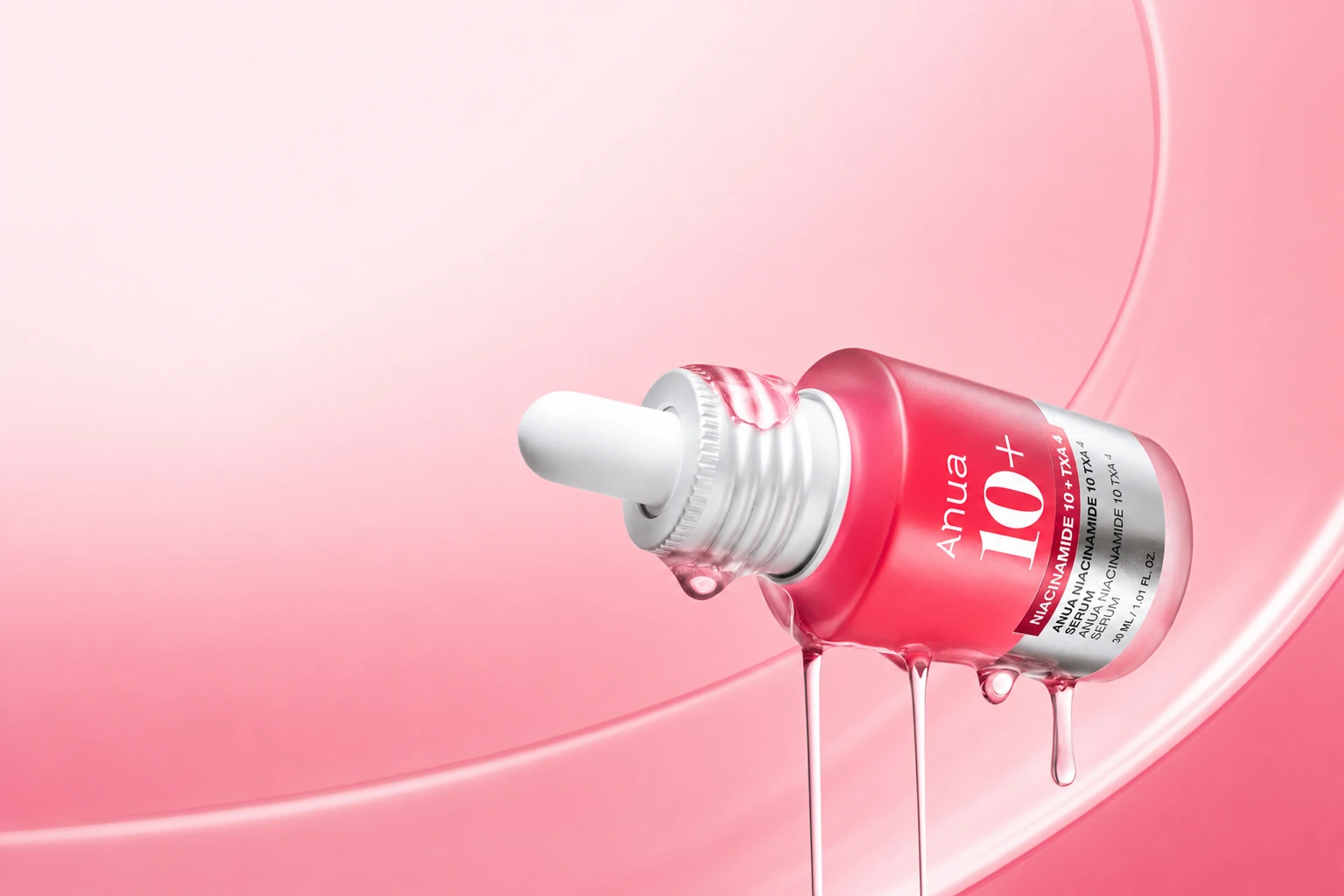
Choose Niacinamide 10 TXA 4 Serum for Brightening and Dark Spots when the concern is brown post-breakout marks, uneven-looking tone, or pigment that lingers after acne has calmed. The formula contains 10% niacinamide and 4% tranexamic acid to help skin feel comfortable.
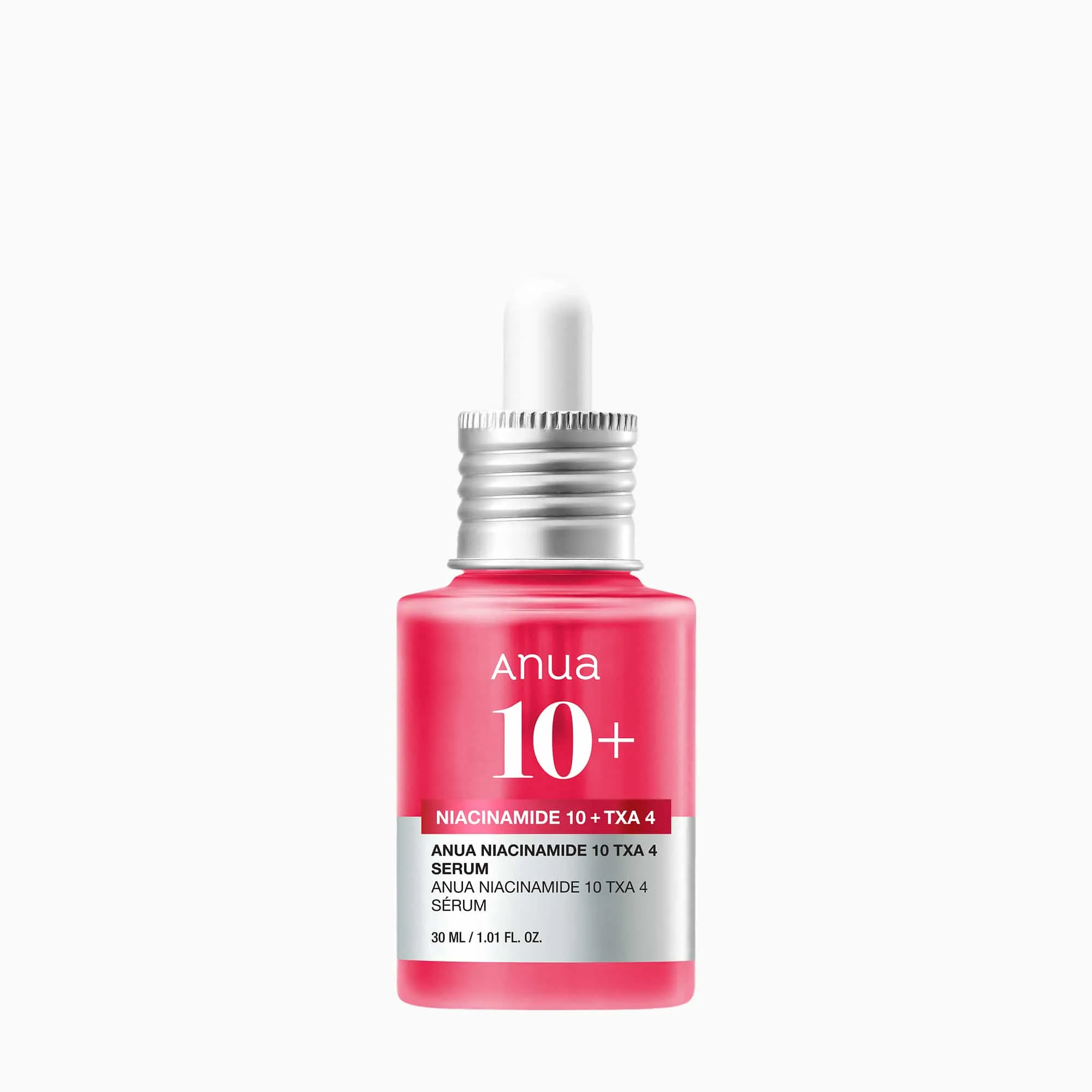
Niacinamide 10 TXA 4 Serum for Brightening and Dark Spots
A brightening serum for post-breakout marks, with 10% niacinamide and 4% tranexamic acid.
The niacinamide and tranexamic acid pairing is more than a label story. A 2014 trial cited in the research report found that combining niacinamide and tranexamic acid significantly reduced facial hyperpigmentation compared with control groups (PMC, 2014). That makes Niacinamide 10 TXA 4 Serum for Brightening and Dark Spots a better fit when the goal is a more even-looking complexion after breakouts.
Choose Azelaic Acid 10 Hyaluron Redness Soothing Serum when the concern is red-toned post-acne marks, visible flushing, or irritated-looking skin. The formula contains 10% azelaic acid to support a calmer-looking complexion.
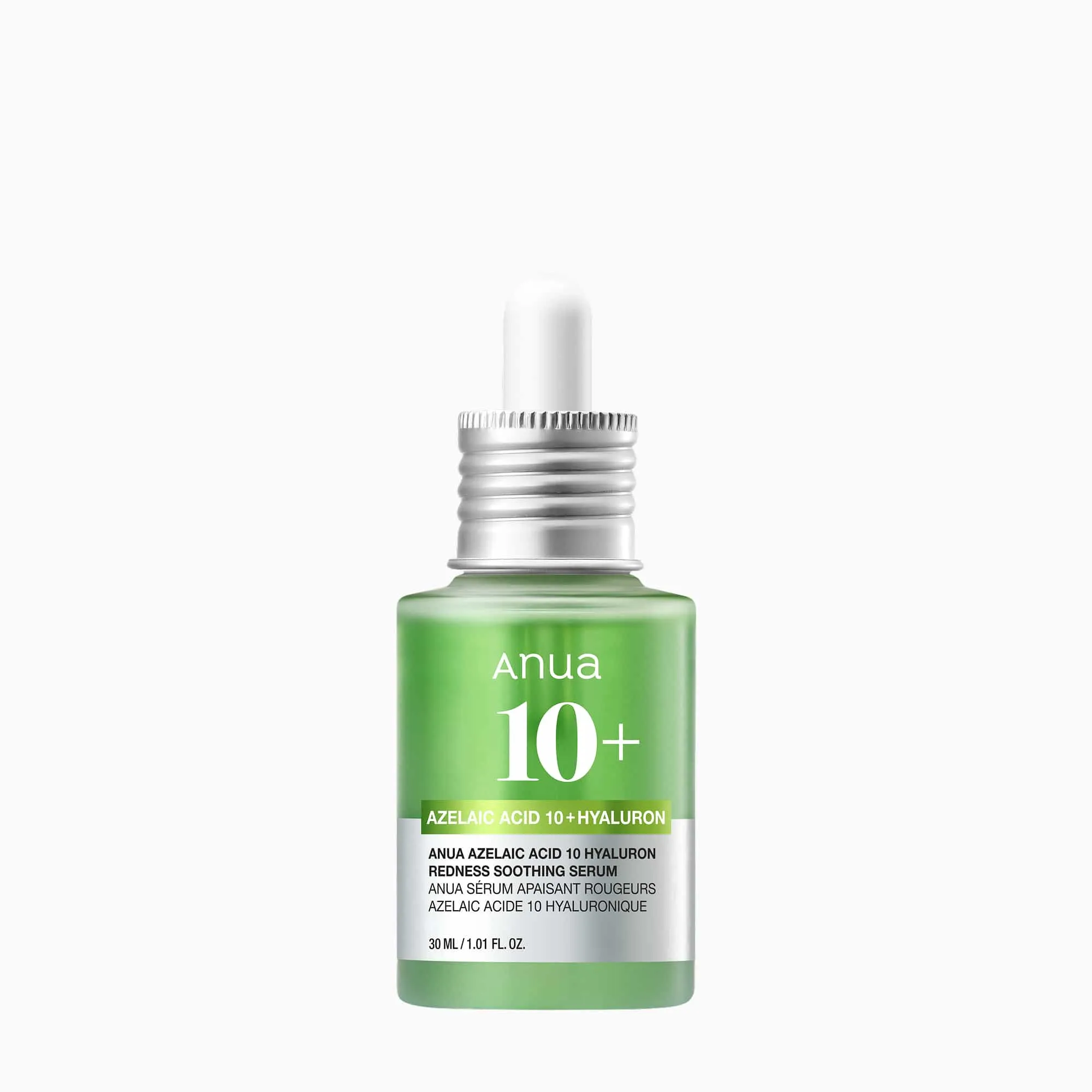
Azelaic Acid 10 Hyaluron Redness Soothing Serum
A redness-focused serum with 10% azelaic acid to support a calmer-looking complexion.
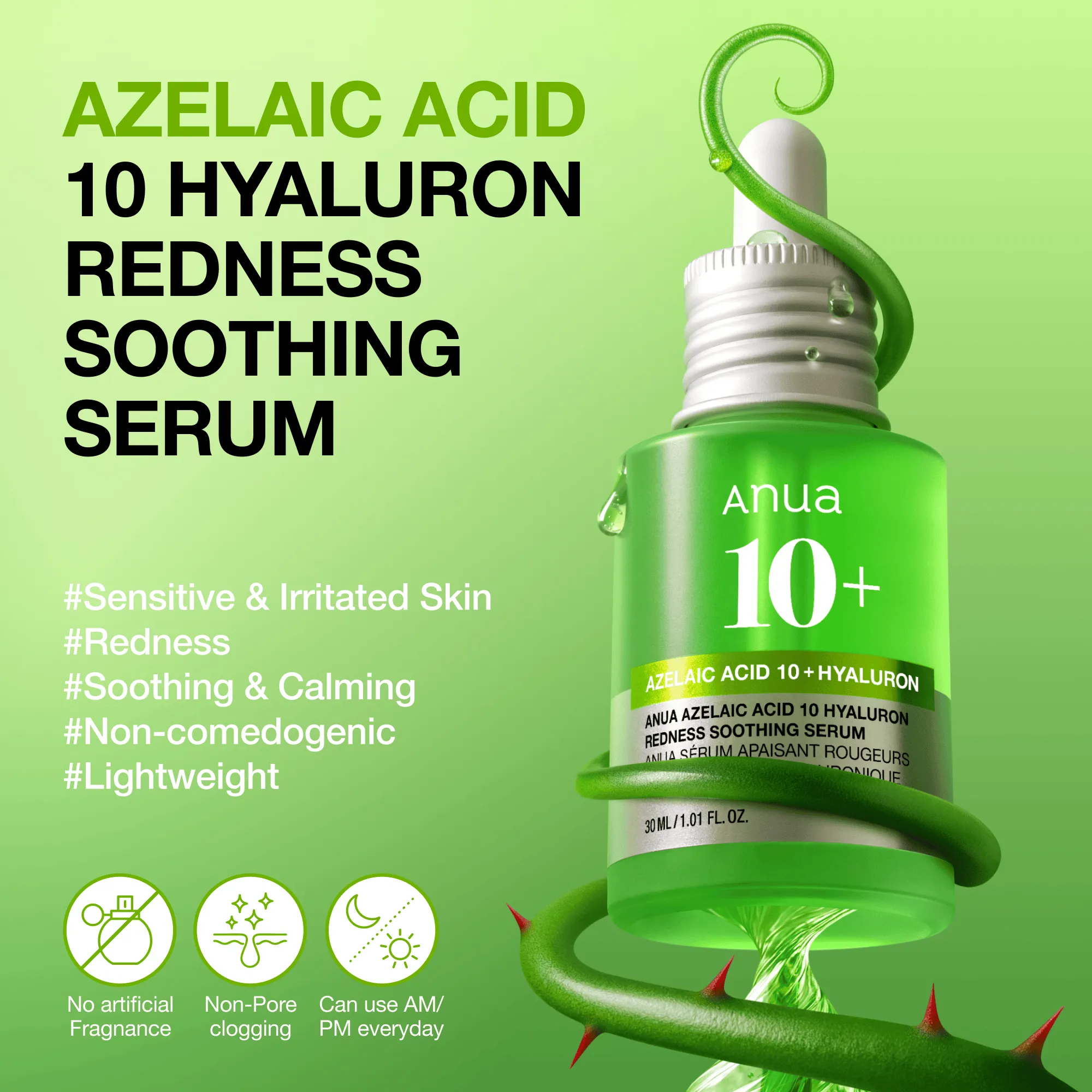
| Decision point | Niacinamide 10 TXA 4 Serum for Brightening and Dark Spots | Azelaic Acid 10 Hyaluron Redness Soothing Serum |
|---|---|---|
| Primary active focus | 10% niacinamide plus 4% tranexamic acid | 10% azelaic acid |
| Best match | Brown marks and uneven tone | Redness and pink post-acne marks |
| Hydration and soothing | Formulated to support skin comfort | Formulated to soothe skin redness |
| Product type | Serum | Serum |
| Current price | USD 24 | USD 24 |
If your routine needs more than one step, keep the serum choice tied to the main visible concern. For broader sensitive-skin routines, the Glass Skin Set vs Redness Soothing Duo comparison can help you decide whether your skin needs tone-evening support, redness support, or a pared-back calming routine.
Match the serum to the color of the mark
Shop Anua’s brightening and redness-focused formulas, then start slowly with daily sunscreen and a patch test.
FAQS