Korean Skincare for Anti-Aging and Firming After 40
PDRN-based Korean skincare supports mature skin with hydration, firmness routines, and Anua formulas at USD 25 for cream or serum spray.
Why is PDRN leading Korean anti-aging skincare for mature skin?
PDRN is a salmon DNA-derived molecule used in Korean skincare to support repair-focused anti-aging routines.
Polydeoxyribonucleotide, usually shortened to PDRN, is a mixture of deoxyribonucleotides extracted from salmon DNA. A Brieflands review describes PDRN as a cosmetic ingredient valued for its ability to mimic human cell signals, which is why it has moved from clinic language into everyday Korean skincare.
For mature skin, the appeal is practical. Mature skin often needs more than a lightweight hydrator because visible dryness, a weaker moisture barrier, dullness, and reduced bounce can appear together. PDRN fits the Korean skincare idea of bio-remodeling, meaning a routine that supports the look and feel of skin structure while keeping the barrier comfortable.
The category shift is visible in beauty trend coverage as well. PDRN is moving from specialized clinical treatments into daily consumer formats such as creams (Vogue, 2026). Ingredient suppliers also describe PDRN as a go-to ingredient for structural repair in 2025 and 2026 (Focus Freda, 2025).
This does not mean topical skincare replaces in-office procedures. A realistic at-home routine focuses on consistent daily support, especially hydration, barrier comfort, and gradual firmness care. If your main concerns are sunscreen removal, congestion, or sensitivity, build the foundation first with a gentle cleanse such as an oil cleanser for sunscreen removal and double cleansing, then add PDRN steps where they fit.
How does PDRN help rebuild collagen and hydration for firmer-looking skin?
Topical PDRN supports mature skin by helping internal hydration pathways and collagen-related firmness over consistent use.
The most relevant mechanism for dry, less elastic skin is hydration from within the skin’s own systems. PDRN is reported to stimulate the HAS2 enzyme, which supports the skin’s internal hyaluronic acid production. Topical PDRN has been reported to increase internal hyaluronic acid production by up to 200% (SeoulCeuticals, 2026).
In a mature skin routine, better hydration can make fine lines look less pronounced, reduce tightness after cleansing, and improve the plump finish many people associate with Korean skincare.
Firmness needs a longer timeline. Consistent topical PDRN use has been reported to increase Type I collagen production by 31% over 8 weeks (SeoulCeuticals, 2026). The same research summary notes that hydration and a dewy glow may be visible within 7 days, while structural firmness changes usually require 6 to 12 weeks of consistent use (SeoulCeuticals, 2026).
A practical way to set expectations:
| Routine milestone | What to look for | Why it matters |
|---|---|---|
| First week | Softer feel, more hydrated finish, dewy glow | Surface moisture changes are usually noticed before firmness |
| Weeks 4 to 8 | Better-looking bounce and smoother texture | PDRN research points to barrier and collagen-related support over time |
| Weeks 6 to 12 | More visible firmness support with consistent use | Structural improvements need repeated application |
For daytime aging prevention, do not separate firming care from sun protection. If your skin is also redness-prone or reactive, a routine that includes a comfortable sunscreen can be more sustainable.
What makes PDRN absorption difficult in topical skincare?
Standard PDRN is a large molecule, so formulas often prioritize low-molecular delivery to improve topical usefulness.
The absorption issue is molecular size. Standard PDRN has a high molecular weight of about 132,000 Daltons, while the commonly cited threshold for passive skin penetration is 500 Daltons (SeoulCeuticals, 2026). That gap explains why not every PDRN product should be judged only by the ingredient name on the label.
For a topical routine, delivery matters. Look for wording such as low-molecular PDRN, capsule delivery, or formulas designed for absorption. These formats are intended to make a large, repair-focused ingredient more compatible with daily skincare textures.
Clinical data also supports the value of molecular design. Low-molecular-weight PDRN significantly improved periorbital skin elasticity and barrier recovery within 4 weeks in clinical research (MDPI). The eye area is a useful reference point because it is often where dryness and reduced elasticity become visible.
The best takeaway is simple: a PDRN formula should be evaluated by both ingredient presence and delivery design. A mature-skin routine benefits most when the product is easy to apply consistently and engineered for the barrier it needs to pass.
Which Anua PDRN formulas fit mature skin best?
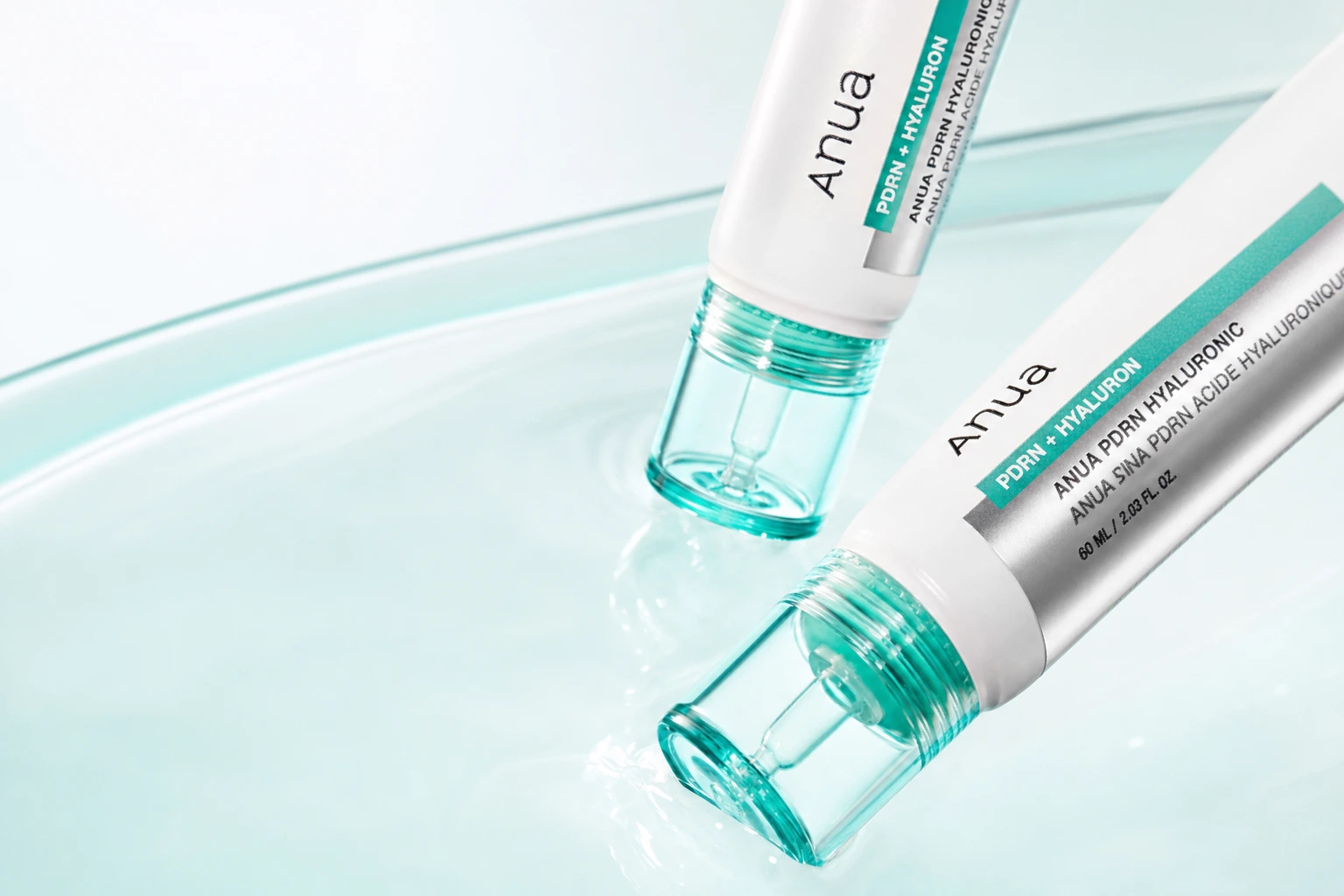
Anua’s PDRN routine pairs a 2,000ppm serum spray for glow with a 100 ppm cream for moisture-barrier support.
For mature skin, the strongest at-home structure is a two-part routine: a fluid PDRN layer after cleansing, followed by a moisturizer that seals hydration. Anua’s PDRN products fit this routine because the serum spray supports radiance and prep, while the cream provides the comforting final layer that dry 40+ skin often needs.
For the moisturizer step, PDRN Hyaluronic Acid 100 Moisturizing Cream is formulated with 100 ppm PDRN and 3% hyaluronic acid (Glamour, 2026). It is best suited to skin that feels dry, flaky, or less resilient after cleansing.
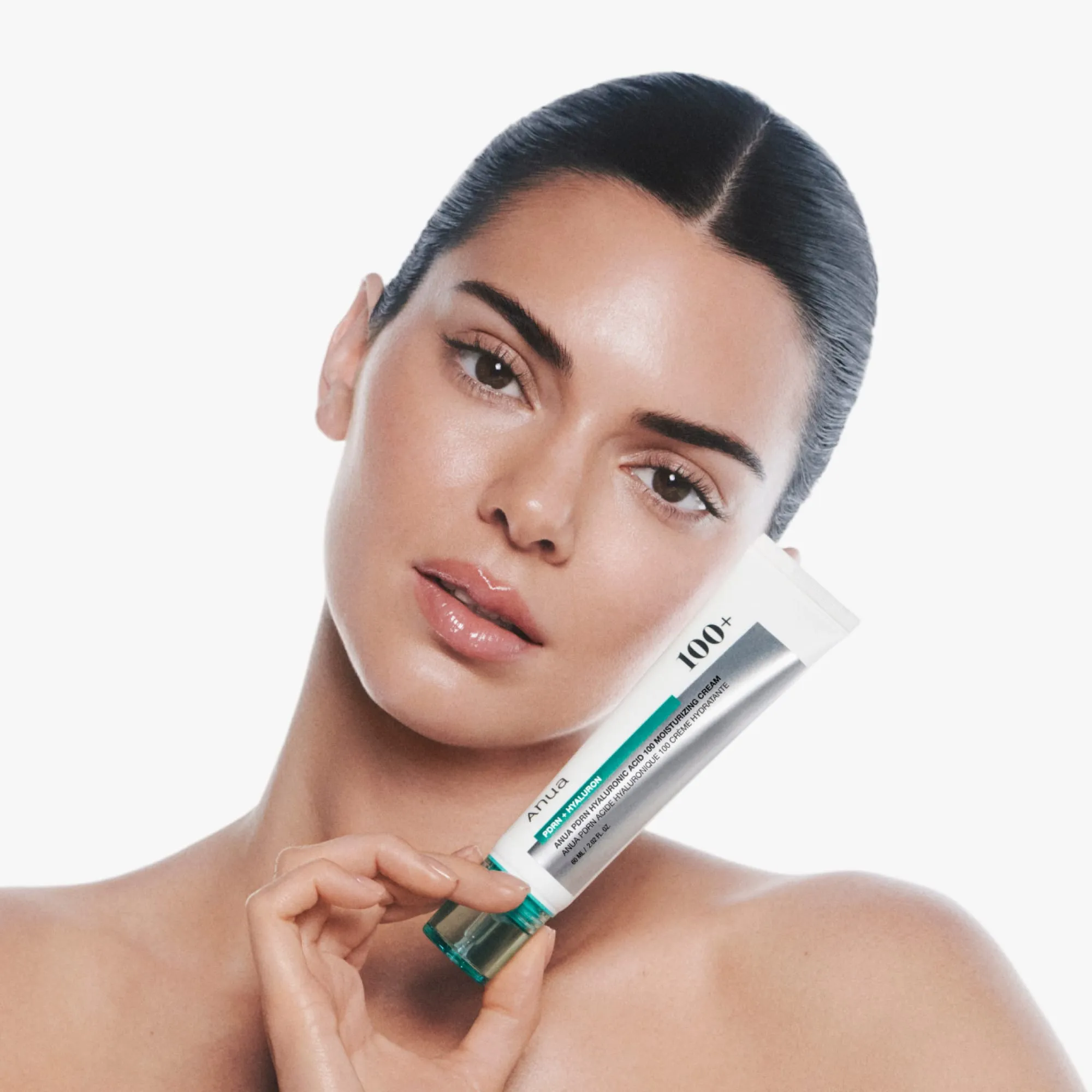
PDRN Hyaluronic Acid 100 Moisturizing Cream
Formulated with PDRN derived from salmon DNA, this facial moisturizer features low-molecular PDRN to help revitalize skin from within.
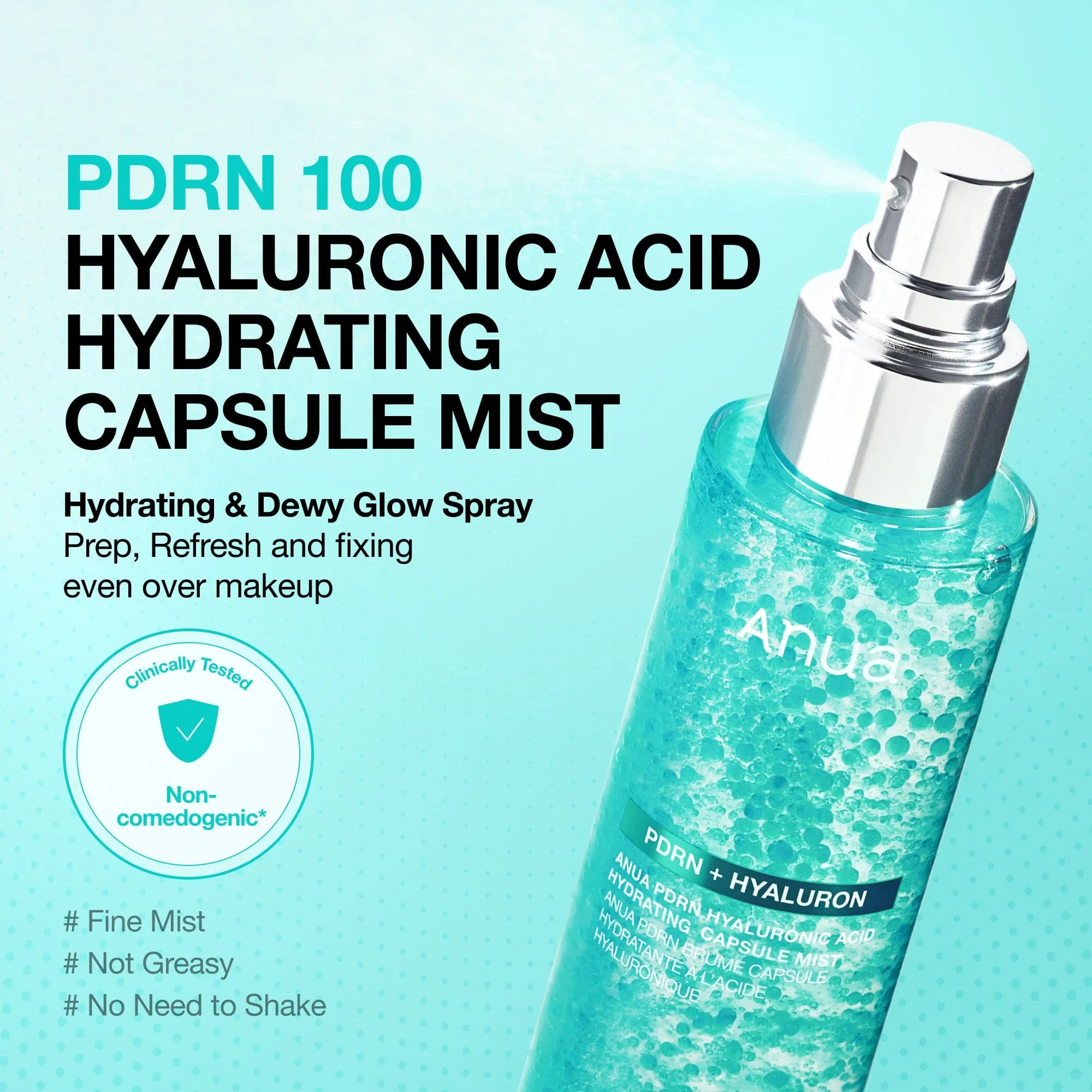
For the first treatment layer or midday refresh, PDRN Collagen Glow Facial Serum Spray contains 2,000ppm of PDRN derived from salmon DNA and uses a capsule mist delivery system to support absorption (Anua, 2026). It is a better fit if dullness, makeup dryness, or loss of glow is your most visible concern.
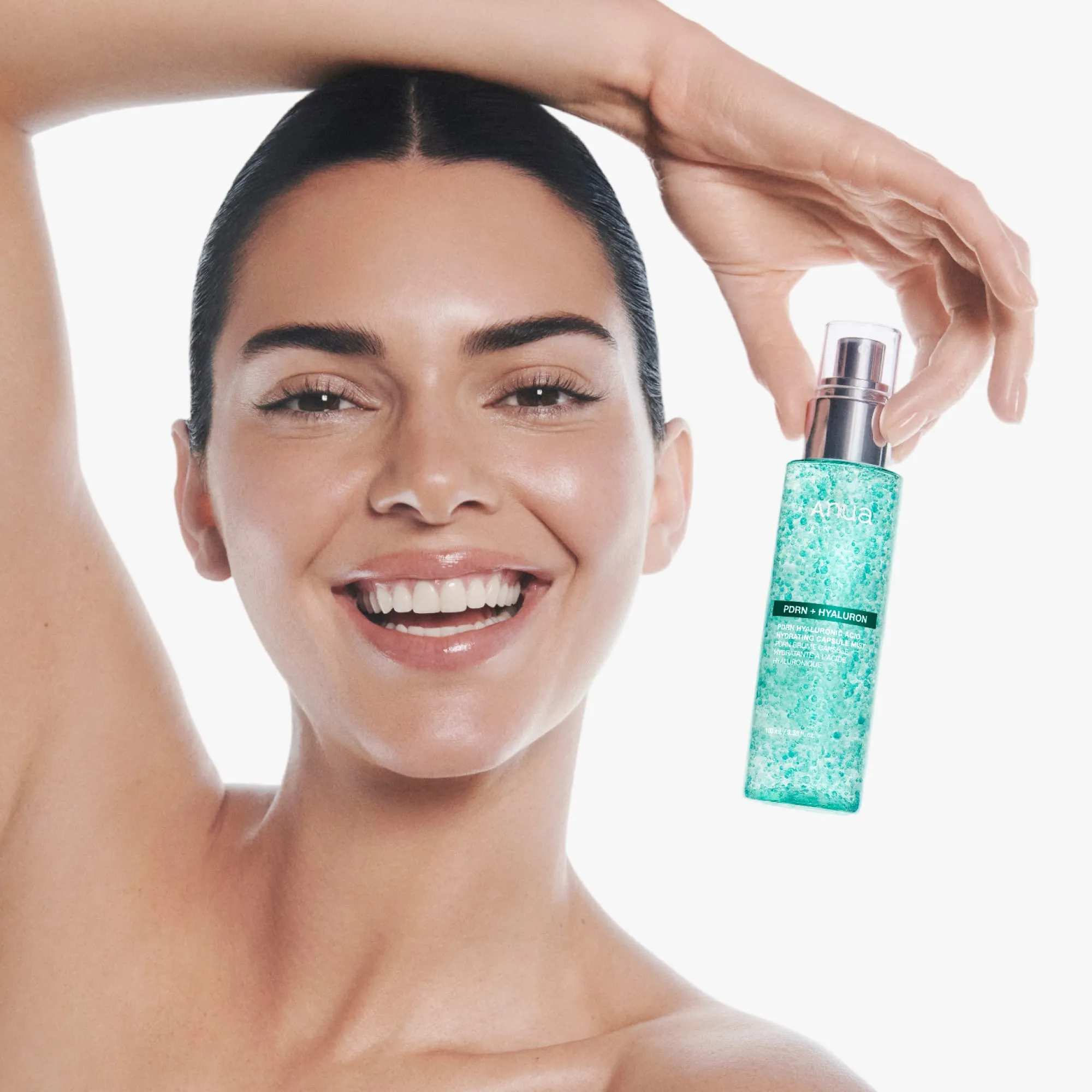
PDRN Collagen Glow Facial Serum Spray
A Hydra-Glow Capsule Mist infused with PDRN and hyaluronic acid. With 2,000ppm of PDRN, it helps support radiance and firmness.
A simple comparison can help you choose the first product to add:
| Need | Better first choice | Why it fits |
|---|---|---|
| Dryness after cleansing | PDRN Hyaluronic Acid 100 Moisturizing Cream | Moisturizer format helps seal water and comfort the barrier |
| Dullness during the day | PDRN Collagen Glow Facial Serum Spray | Mist format refreshes glow and can fit into a daily routine |
| Early firmness routine | Both together | Spray adds a PDRN prep layer, cream locks in moisture |
| Minimal routine | Start with the cream | Mature, dry skin usually benefits most from the final moisturizing step |
How should you layer PDRN with other anti-aging ingredients?
Pair PDRN with brightening actives only if your barrier tolerates them.
A mature skin routine should be consistent before it becomes complex. The goal is to keep the skin barrier calm enough that you can repeat the routine morning and evening without stinging, peeling, or tightness.
- Cleanse skin gently.
- Apply a PDRN serum spray.
- Add a compatible active if needed, such as vitamin C for tone or niacinamide for uneven-looking complexion.
- Seal with a moisturizing cream to support moisture retention.
Ingredient pairing can be useful when aging concerns overlap with dullness or uneven tone. Research summaries report that combining PDRN with vitamin C and niacinamide supports a reduction in melanin synthesis (SeoulCeuticals). For skin that is reactive, introduce one active at a time and separate stronger exfoliants from retinoids until you know your tolerance.
If breakouts and texture are also part of your routine decisions, avoid treating mature skin as if it can tolerate every active at once. The comparison of azelaic acid vs salicylic acid for acne-prone skin can help you choose a targeted acne or redness step without overcrowding your PDRN routine.
Build a PDRN routine for firmer-looking skin
Start with the Anua PDRN steps that match your main concern: serum spray for glow, cream for moisture, or both for a simple morning and evening routine.
FAQS