Heartleaf Toner vs Toner Pads: Which Format Fits?
Liquid toner is better for hydration layering, while toner pads suit fast exfoliation, pore care, and travel-friendly routines.
Key takeaways
- Liquid Heartleaf toner suits DIY calming masks and flexible application.
- Heartleaf toner pads suit faster application, light exfoliation, pore care, and texture-focused routines.
- Choose by skin goal first: soothing and comfort point to toner, while blackheads, uneven texture, and convenience point to pads.
Liquid Heartleaf toner and Heartleaf toner pads use the same calming ingredient family, but they solve different routine jobs. Choose the liquid format when you want flexible application and calming; choose the pad format when you want a convenient step with mild exfoliating acids.
The difference matters because both formats can look similar on a shelf. One is a liquid you dose yourself. The other is a ready-to-use pad designed to wipe across skin, target texture, and reduce the need for separate cotton rounds. If your skin is redness-prone, acne-prone, dry, or easily irritated, the right format depends less on trend and more on how your skin responds to exfoliation and friction.
What is the quickest difference between liquid toner and toner pads?
Liquid toner is a flexible application step, while toner pads are faster and more controlled.
A traditional liquid toner routine takes about 60 seconds, while toner pads reduce application to about 20 seconds (Mirai Skin). That time gap comes from the format itself; pads come in a ready-to-use format, so the application step is already portioned.
| Decision point | Liquid Heartleaf toner | Heartleaf toner pads |
|---|---|---|
| Typical time estimate | About 60 seconds | About 20 seconds |
| Best fit | Dryness, sensitivity, layering | Texture, blackheads, convenience |
| Friction level | Low when hand-patted | Depends on wiping pressure |
| Customization | Easy to layer or soak cotton rounds | Fixed pad dose and texture |
The liquid format is usually better when your priority is control. You can apply the specific amount needed, adding more only where skin feels sensitive, or use it with thin cotton rounds as a short calming mask. The pad format is usually better when your priority is speed. It is less about measuring and more about a repeatable application step.
That does not mean pads are automatically stronger or liquid toner is automatically gentler. Formula, frequency, and skin condition all matter. A pad used softly once a day can feel easier than a liquid toner rubbed in with cotton. Liquid toner can be a gentle choice for a compromised skin barrier.
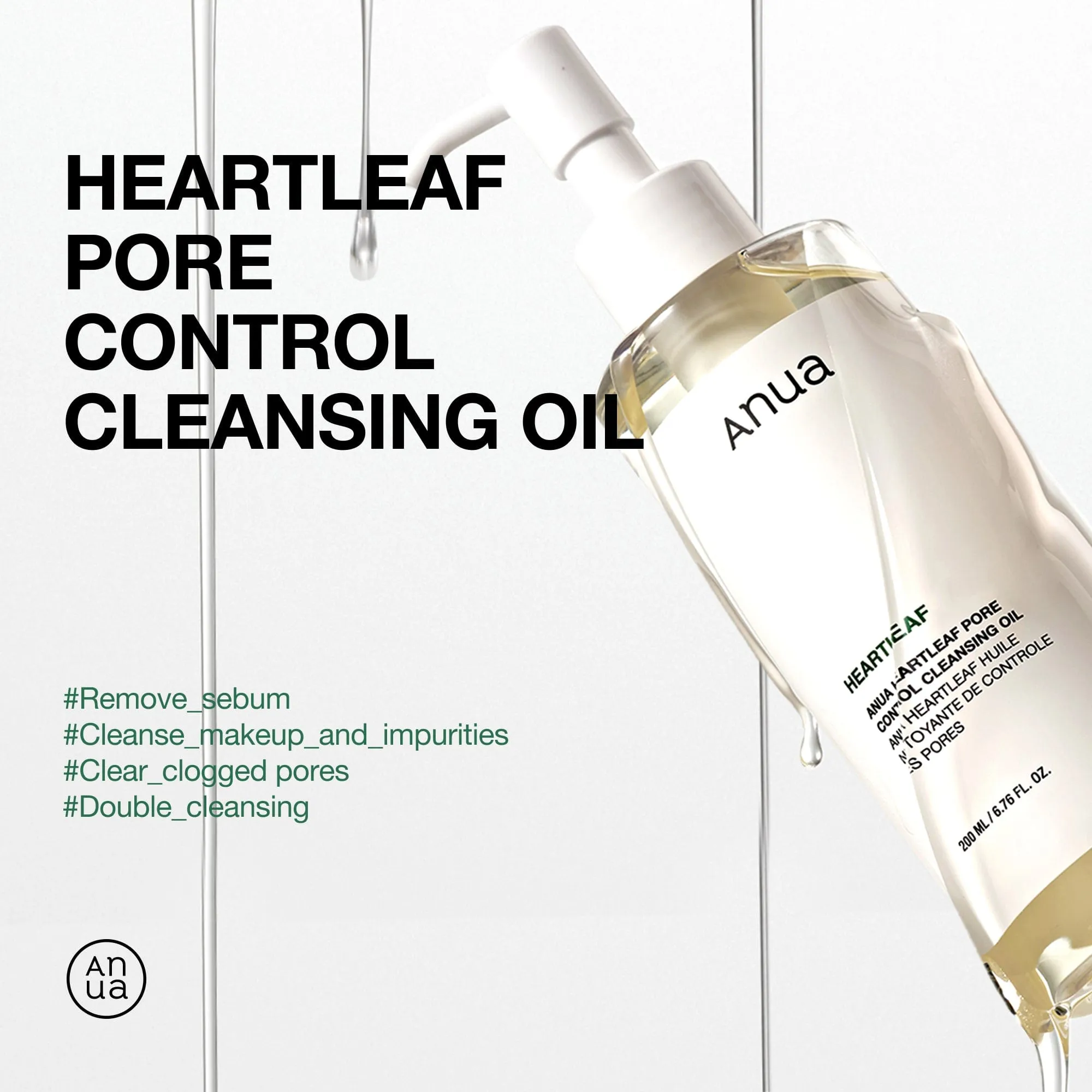
What are the pros and cons of traditional liquid Heartleaf toner?
Traditional liquid Heartleaf toner is best for targeted soothing, though cotton application can result in product wastage.
The strongest reason to choose a liquid toner is flexibility. If your skin feels sensitive after cleansing, you can apply the toner gently. If your cheeks look flushed, you can apply it more slowly without dragging a pad across the face. Liquid toner is an adaptable format that allows for targeted application.
Liquid toner also works well for targeted calming. Anua's liquid Heartleaf toner can be applied to thin cotton rounds and left on the face for 5 to 10 minutes as a DIY sheet mask for a short soothing session (SkinCupid, 2026). This is useful when one area, such as the cheeks or jawline, feels more reactive than the rest of the face.
The trade-off is waste when cotton is involved. Market research from MarketIntelo indicates that using separate cotton pads with liquid toner can result in up to 40% product wastage. Hand application reduces that issue, but it changes the experience. Some users prefer the clean, swipeable feel of a pad; others prefer the lower-friction feel of palms.
Use the liquid format when these statements fit your routine:
- You want a soothing step without adding exfoliating acids.
- Your skin barrier feels stressed or over-exfoliated.
- You want the option to make a short DIY calming mask.
Avoid overcomplicating the step. If your skin is already irritated, skip cotton and use clean hands to apply the product to skin. If your routine includes actives such as retinoids or exfoliating acids, the liquid format is often easier to fit in on rest nights.
Why choose Heartleaf toner pads for acne and exfoliation?
Heartleaf toner pads are the better fit when you want pore-focused care, mild exfoliation, and a faster swipe step.
The Heartleaf clear pad format pairs 77% heartleaf extract with a mild exfoliating blend of alpha hydroxy acid, beta hydroxy acid, and polyhydroxy acid (SkinCupid, 2026). That makes the pad format different from a simple hydrating toner. It is designed for people who want a calming base plus texture care in one step.
One ingredient to notice is gluconolactone, a polyhydroxy acid. Reviews describe the clear pads as using gluconolactone to target blackheads and uneven skin texture (Mirai Skin, 2026). Polyhydroxy acids are often discussed as milder-feeling exfoliants compared to some other acid formats, though individual tolerance still varies.
For acne-prone skin, the pad format is generally the more relevant choice because it includes pore-focused acids. SkinCupid describes the clear pads as preferred for acne-prone routines because the formula includes polyhydroxy acid and beta hydroxy acid to help clear pores (SkinCupid, 2026). That does not mean every breakout needs a pad. Inflamed, stinging, or peeling skin may need fewer actives, not more.
A practical way to decide is to match the format to the visible issue:
| Skin concern | Better first choice | Why |
|---|---|---|
| Tightness after washing | Liquid toner | Hydration layering |
| Blackheads around nose | Toner pads | Swipe-on acids can support pore care |
| Uneven texture | Toner pads | Exfoliating blend targets surface buildup |
| Redness with dryness | Liquid toner | Lower-friction hand application may be preferable |
| Busy morning routine | Toner pads | Pad format reduces handling time |
| Over-exfoliated skin | Liquid toner | Avoids adding another acid step |
Application pressure matters. A toner pad should glide, not scrub. For acne-prone skin, aggressive rubbing can worsen the look of redness and irritation. Use the textured or smooth side according to the product directions, avoid broken skin, and reduce frequency if stinging or persistent dryness appears.
Are Heartleaf toner pads safe for daily use on sensitive skin?
Heartleaf toner pads can suit daily-use routines for some redness-prone skin, but tolerance depends on barrier condition and acid frequency.
The clearest support for daily use comes from 2025 research coverage. Anua Heartleaf 77% Clear Pads were recognized in 2026 for high tolerability for redness-prone skin in daily-use scenarios (Dermis Research via Barchart, 2026). The same research coverage cited the pads for maintaining skin barrier integrity despite the presence of exfoliating acids (Dermis Research via Barchart, 2026).
That finding is useful, but it should not be read as a universal instruction to exfoliate every day. Sensitive skin is not one skin type. It can include various conditions, such as redness-prone skin, a damaged barrier, or skin reacting to too many active products at once.
A conservative schedule is often the better starting point:
- Start with toner pads two or three times per week at night.
- Use light pressure and stop before the skin feels warm or raw.
- Keep the rest of the routine simple with moisturizer and daytime sunscreen.
- Increase frequency only if skin stays comfortable for at least one to two weeks.
- Pause pads if you notice stinging, peeling, or new persistent redness.
If your skin is sensitive or reacts easily to UV exposure, sunscreen choice remains a critical step for daily protection.
For barrier-stressed skin, the liquid format may be the safer starting point because it lets you avoid acids while maintaining a calming soothing step. Once the skin feels stable, toner pads can be introduced slowly if texture or clogged pores remain the main concern.
Why are toner pads growing, and what should sustainability-minded buyers check?
The global toner pad market is growing significantly, and sustainability-minded buyers should check pad material and packaging claims.
The toner pad category is no longer a niche format. The global toner pad market was valued at $3.70 billion in 2025 and is projected to reach $6.56 billion by 2035 at a 5.9% compound annual growth rate (Future Market Insights, 2025). That growth reflects a change in how people want skincare steps to work: faster, cleaner to apply, and easier to repeat.
Social commerce platforms have contributed to significant global toner pad sales (MarketIntelo, 2025). Swipeable formats are visually easy to demonstrate, and users can immediately understand the difference between a liquid bottle and a pad format.
The convenience trade-off involves the material usage of the pad format. Single-use pads create more material questions than a liquid toner applied by hand. MarketIntelo reported that 68% of Millennial and Gen Z consumers in 2025 were willing to pay more for biodegradable or eco-certified pads (MarketIntelo, 2025). That does not prove every pad is biodegradable. It means buyers are paying closer attention to whether a brand makes a specific, verifiable material claim.
When evaluating toner pads with sustainability in mind, check the current packaging and product page for:
-
Whether the pad material is described as biodegradable, compostable, or eco-certified.
-
Whether the certification is named rather than implied.
-
Whether the jar, lid, and outer box provide recycling instructions.
-
Whether your routine actually needs a daily pad or only occasional exfoliation.
Liquid toner may be the lower-waste option if you apply it by hand and finish the bottle consistently. Pads may reduce liquid waste but introduce pad waste. The better choice depends on your actual use pattern, not only the format.
How should you build the rest of the routine around either format?
Both formats work best after thorough cleansing and before moisturizer, with exfoliating pads used more cautiously around other actives.
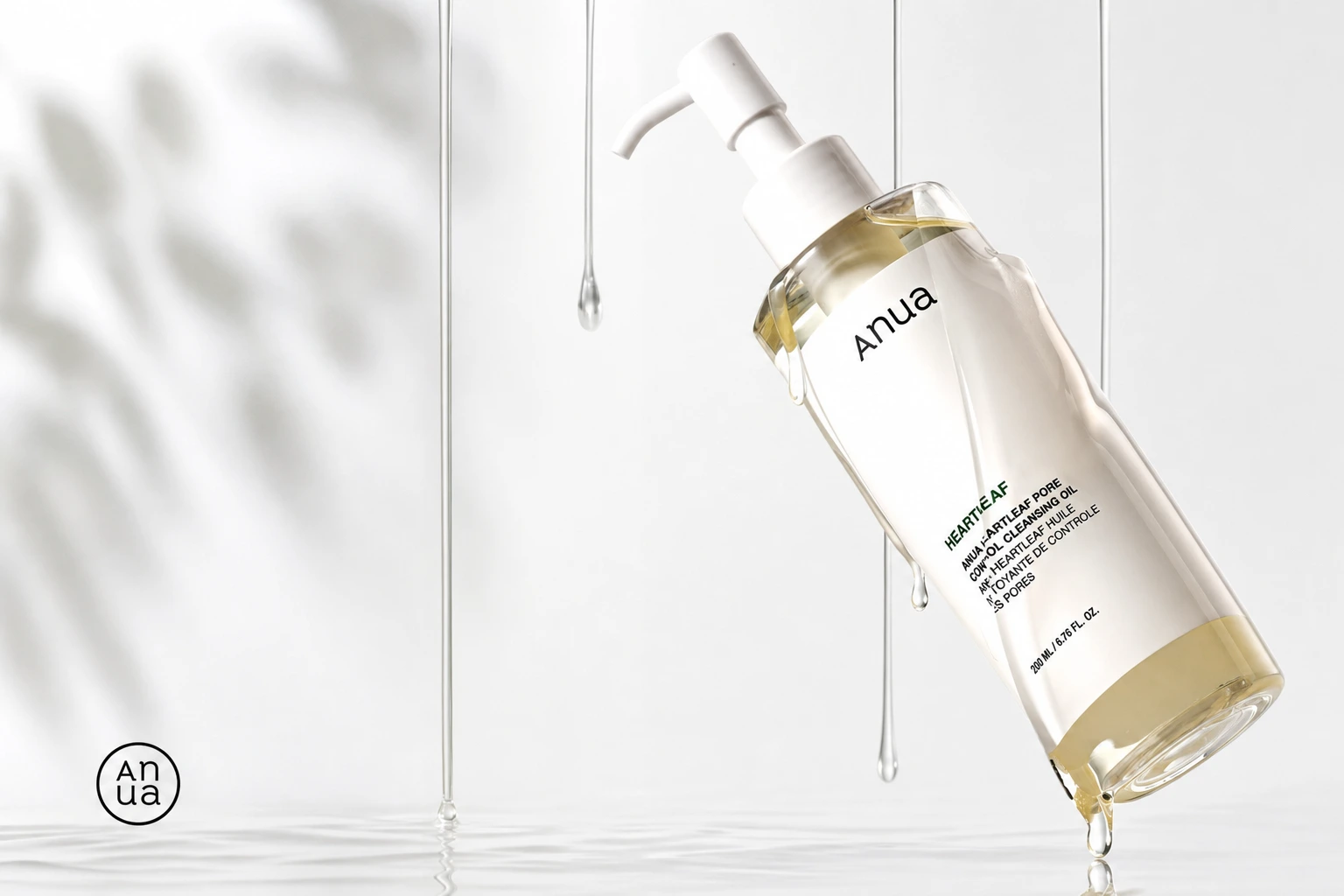
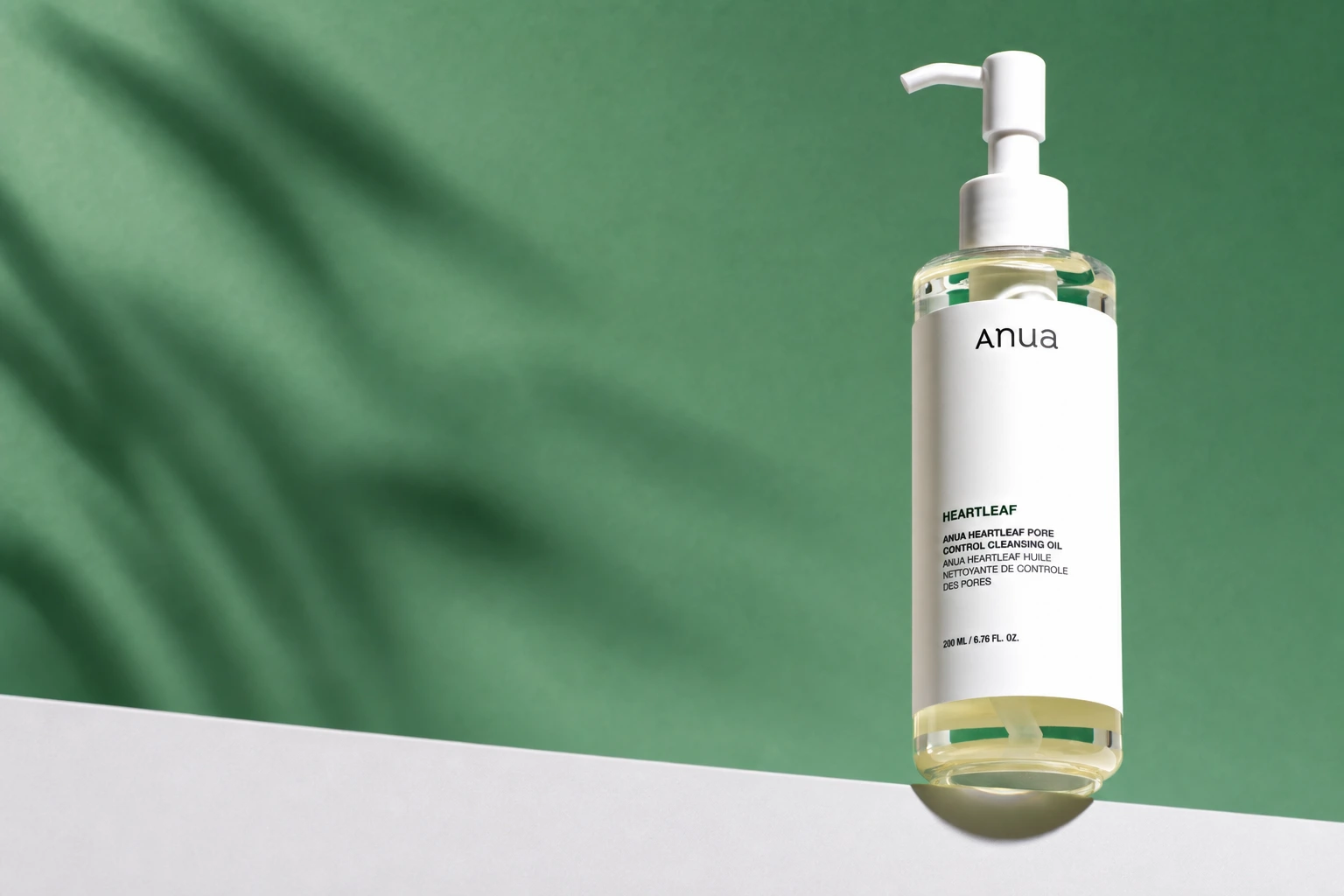
Start with cleansing. If sunscreen, makeup, or excess sebum is part of your day, a double cleanse can help prepare skin before either a hydrating toner or a texture-focused pad. For a deeper explanation of this step, Anua's guide to oil cleanser for sunscreen removal and double cleansing explains when an oil cleanser makes sense.
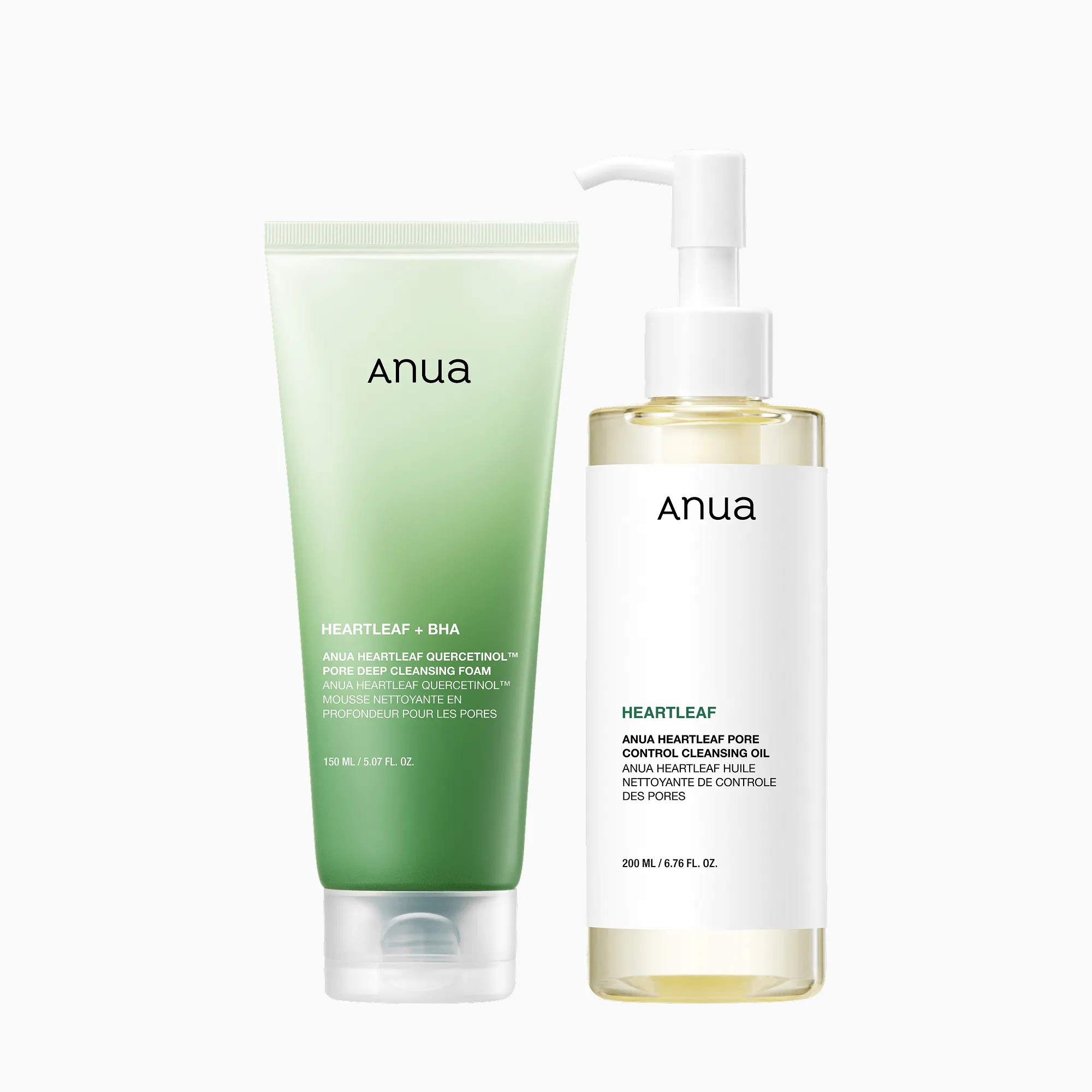
For an Anua routine, the Double Cleansing Duo Set pairs Heartleaf Pore Control Cleansing Oil with Heartleaf Quercetinol Pore Deep Cleansing Foam. It is a relevant prep step before choosing either a liquid toner format or a pad format.
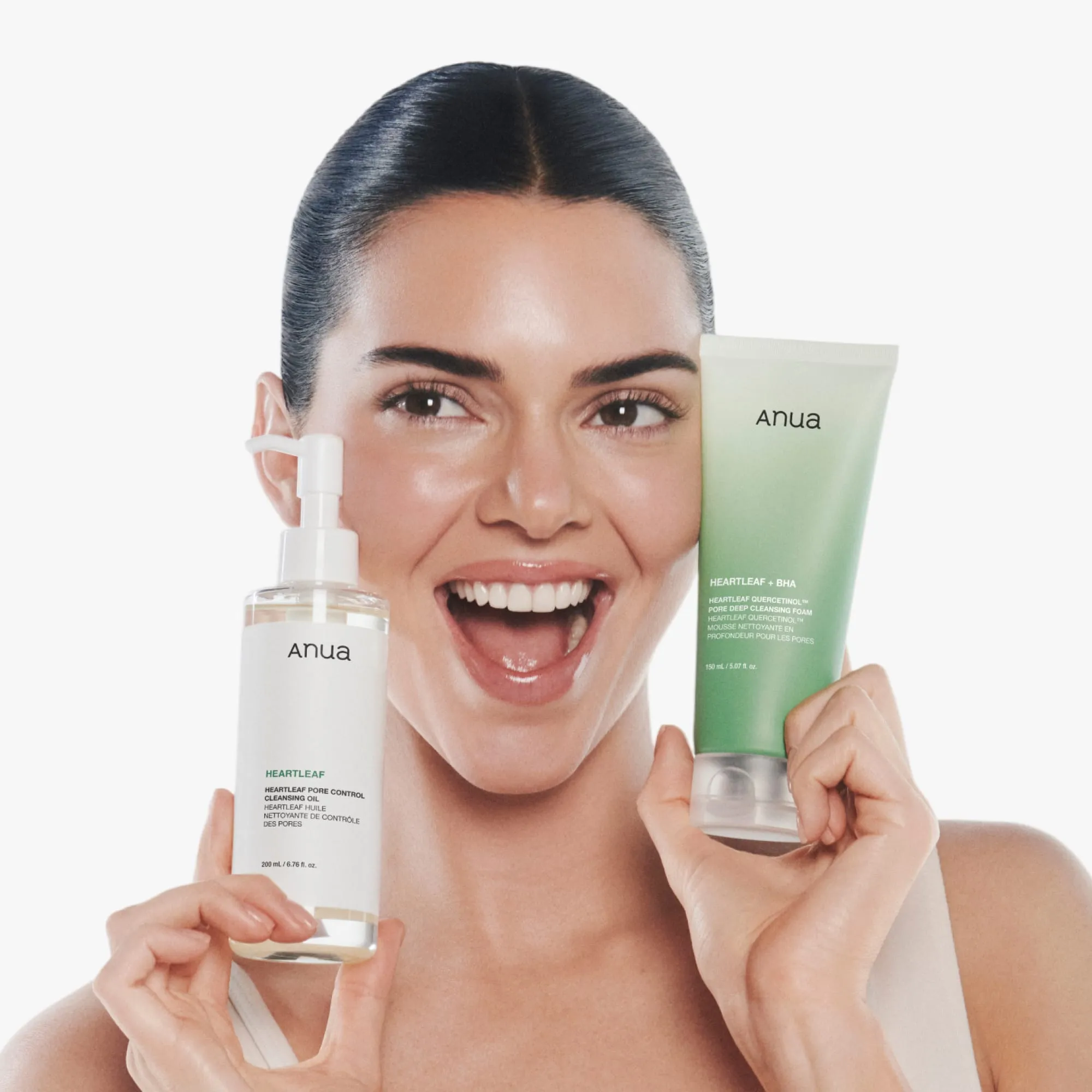
Double Cleansing Duo Set
Anua Heartleaf Pore Control Cleansing Oil and Heartleaf Quercetinol Pore Deep Cleansing Foam for a two-step cleanse before toner or pads.
A simple decision path works for most routines:
- If skin feels dry or reactive after cleansing, apply liquid toner with hands and follow with moisturizer.
- If skin feels congested but not irritated, use toner pads with light pressure and follow with moisturizer.
- If you use retinoids, strong exfoliants, or acne treatments, avoid stacking too many active steps on the same night.
- If you use pads in the morning, apply sunscreen as the final daytime step.
- If redness, burning, or peeling continues, reduce frequency and return to a simpler routine.
For broader ingredient context, the Heartleaf hub is the natural next stop when you want to compare Heartleaf across cleansers, toners, pads, serums, and moisturizers.
Find the Anua routine that fits your skin goal
Shop Anua skincare by format, then choose the hydrating, cleansing, or texture-care step that matches your current routine.
FAQS