Cleansing Oil for Heavy Makeup and Waterproof Mascara
Oil cleansing removes waterproof foundation faster than micellar water and helps dissolve mascara, lash glue, SPF, and stage makeup.
Key Takeaway
- Oil-based cleansing formulations remove 97.3% of waterproof foundation within 60 seconds, compared with 73.8% for micellar water.
- Heartleaf Pore Control Cleansing Oil is an option for clearing pores and managing oily skin.
- Oil cleansers offer an alternative approach to help lift makeup.
Oil-based cleansing is the better first step when makeup is waterproof, waxy, glued on, or layered over SPF. It loosens heavy pigments before water touches skin.
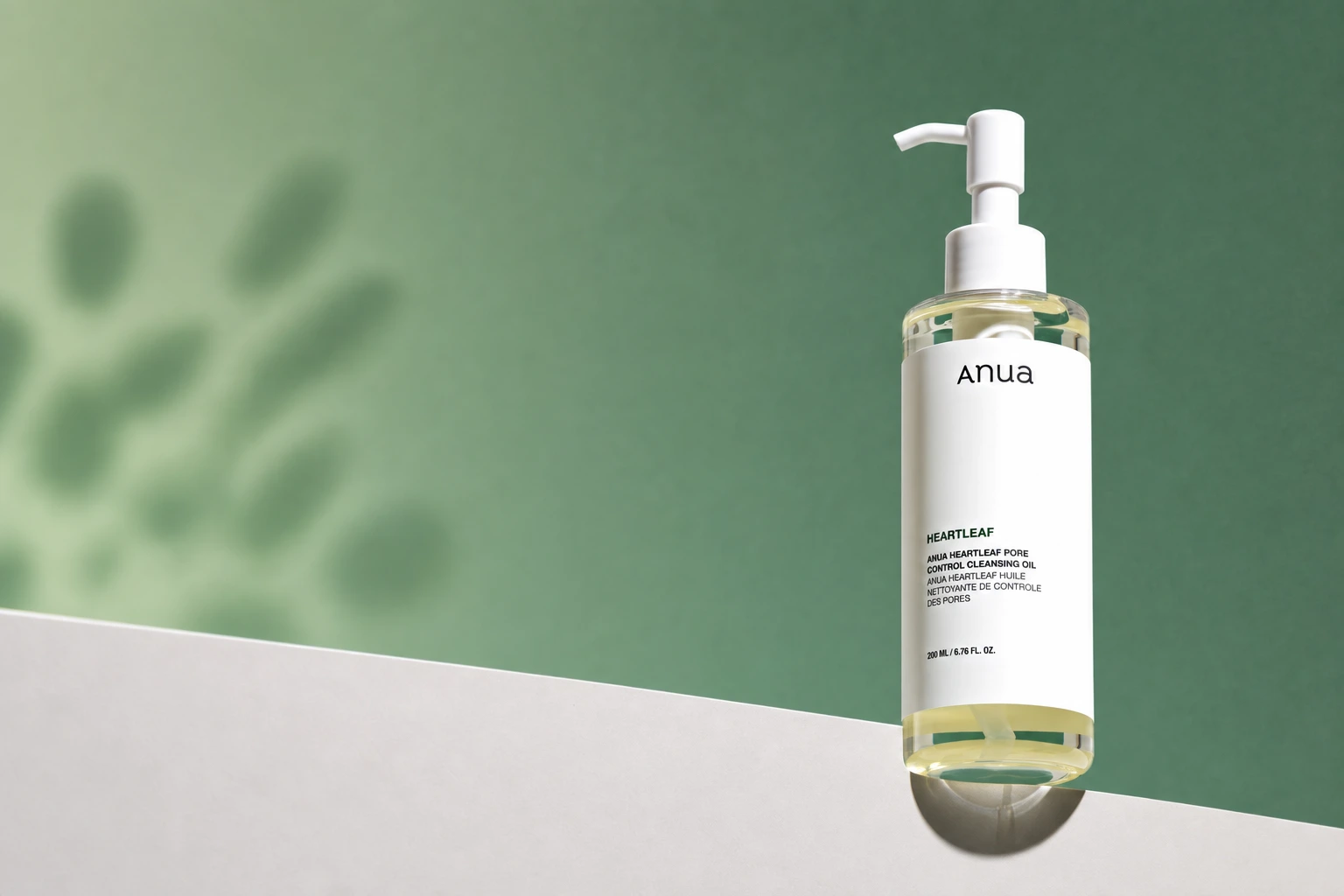
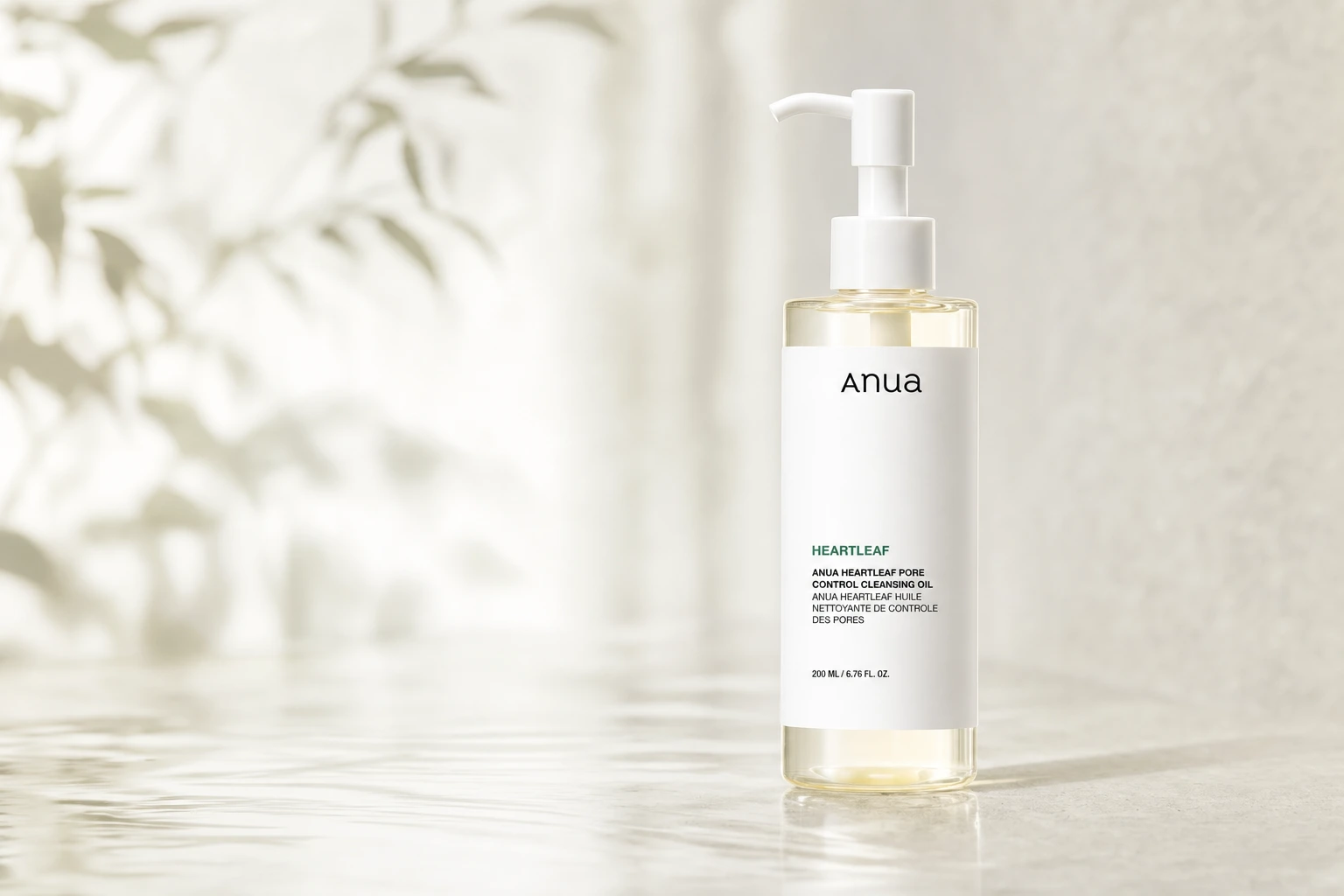
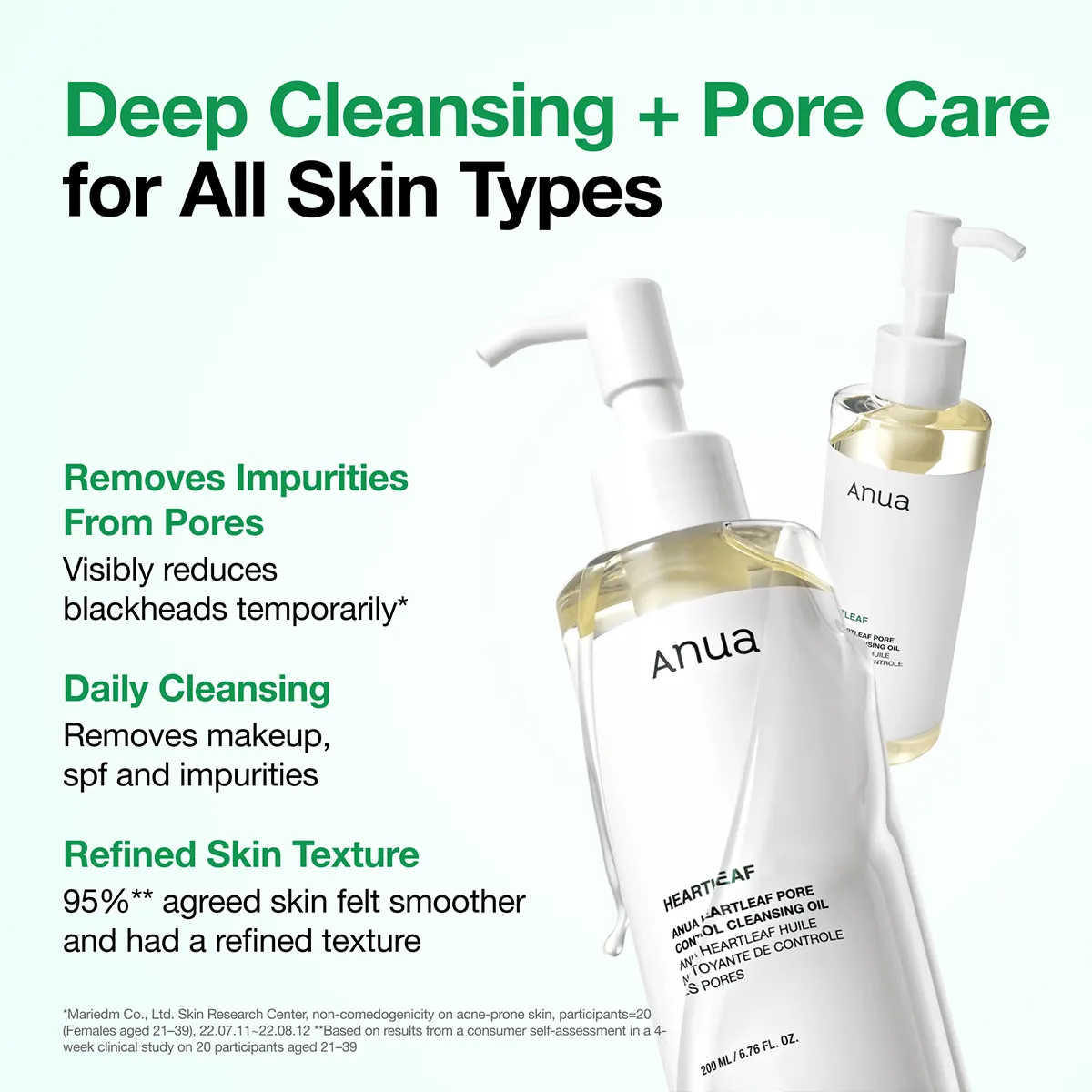
For a heavy-makeup routine, Heartleaf Pore Control Cleansing Oil is the product to reach for when cleansing water leaves residue around the lash line, hairline, or pores. It is a rinse-off oil that turns milky with water, so the dissolved makeup can be rinsed away instead of smeared around the face. InStyle ranked it as a 2026 pick for sebum control in acne-prone skin and described it as a budget pick, with current Anua pricing handled here as USD 22 (InStyle, 2026).
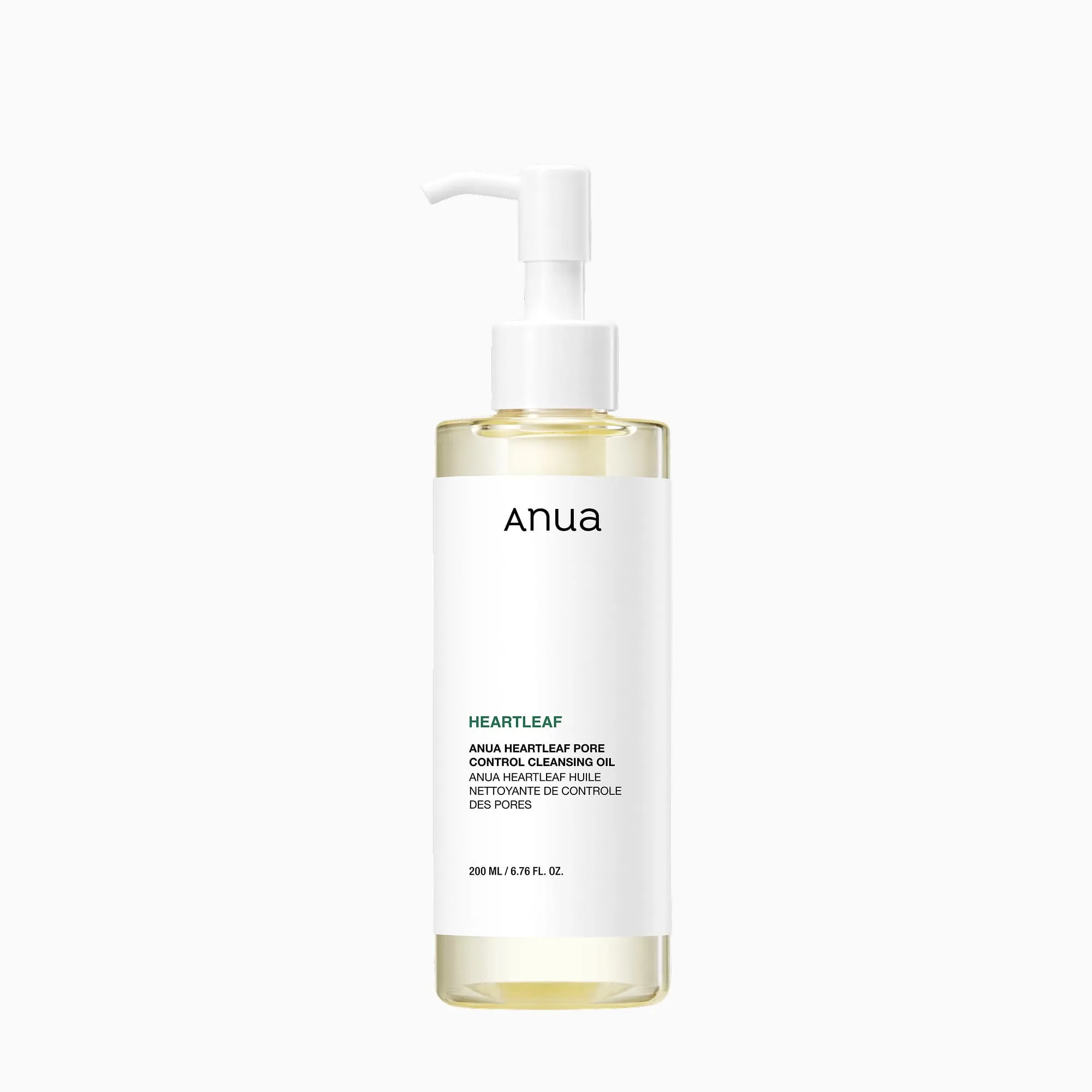
Heartleaf Pore Control Cleansing Oil
A rinse-off cleansing oil for waterproof makeup, SPF, sebum, and pore-focused first cleansing.
Why is oil cleansing essential for heavy makeup?
Oil cleansing is often chosen for heavy makeup.
According to a Dataintelo report, oil-based cleansing formulations removed 97.3% of waterproof foundation in 60-second testing, while micellar water removed 73.8% (Dataintelo). That gap matters most when the face has several resistant layers, such as full-coverage foundation, waterproof concealer, cream contour, setting spray, sunscreen, and powder.
Micellar water can be useful for light makeup. A report by Dataintelo states that micellar water fails to remove approximately 26% of waterproof pigments during cleansing (Dataintelo). On skin, leftover makeup may show up as shadows under the eyes or foundation along the jaw.
An oil cleanser changes the order of removal. You massage oil onto skin first. This contact gives the cleanser time to loosen makeup, and then water helps rinse the residue away.
If your makeup sits on top of daily SPF, treat cleansing as the first step in skin care rather than a makeup-only task. A full cleanse helps products come off cleanly before your next routine, especially if you use mineral or water-resistant formulas.
How can cleansing oils fit into a routine?
The table below outlines general tips for approaching different makeup types.
| Makeup or residue type | Challenge | Cleansing tip | Use note |
|---|---|---|---|
| Thick makeup | Can be difficult to wash off | Oil cleansers are often used as a first step | Massage gently for the full 60 seconds |
| Base makeup | Often requires thorough cleansing | An oil cleanse can be a useful first step | Focus on the nose, hairline, jaw, and areas with primer |
| Eye makeup | Delicate area | Cleansers provide a gentle option | Use a ring finger and small circular motions |
| False lashes | Care is needed around the eyes | Oil-based removers are required for professional lash glue | Be patient and avoid pulling on lashes |
How does cleansing oil help with eye makeup?
Taking a gentle approach is often better than scrubbing.
Many users seek gentle options for the delicate skin around the eyes to avoid using excessive force.
When using a cleansing oil on closed eyes, keep pressure light. Massage gently in small motions instead of dragging downward. If makeup is still present, repeat the cleansing step rather than pulling at the lashes.
Water helps rinse the residue away after massaging.
How does oil cleansing fit into a skincare routine?
Heavy makeup often leads people to over-cleanse. An oil cleanser can help consolidate the removal process.
Using a gentle cleanser can help support your skin routine. That does not mean every skin type should skip a second cleanser. It means the first cleanse should focus on removing makeup without forcing you to scrub.
For dry, tight, or barrier-stressed skin, choose your full routine carefully after cleansing. Avoid stacking multiple active products immediately after an aggressive makeup-removal session.
Which cleansing oil fits your routine?
For oily skin, finding a cleanser that avoids leaving heavy residue is often a priority. Some heavy balms or rich oils may leave the face feeling coated.
How should you remove stage makeup and lash glue in 60 seconds?
Apply cleansing oil to dry skin, spend extra time at the lash line, massage for 60 seconds, then emulsify until milky before rinsing.
- Start with dry hands and a dry face. Pump Heartleaf Pore Control Cleansing Oil into your palms before any water touches the skin.
- Press the oil over your base makeup first. Work across the forehead, cheeks, nose, chin, jaw, and hairline so foundation and SPF begin loosening evenly.
- Move to waterproof mascara and lash glue. With closed eyes, use your ring finger to massage the lash line for about 30 seconds, keeping pressure light.
- Complete a full 60-second face massage. Spend the final seconds on high-residue zones, such as around the nose, under the lower lashes, and along the jaw.
- Add lukewarm water and emulsify. Massage until the oil turns milky, then rinse thoroughly so dissolved makeup does not remain as a film.
- Follow with a gentle second cleanser if your skin likes double cleansing. Keep the second cleanse brief, especially if your skin feels dry or sensitized.
This method is especially useful for stage makeup because it gives resistant layers time to break apart before the rinse. It also reduces the temptation to pick at glue or scrape mascara from the lashes. If you use intensive treatment products after cleansing, such as growth-factor or repair-focused serums, check compatibility and layering order first. Anua's PDRN serum concentration guide covers safe layering rules for treatment steps after cleansing.
Why are high-emulsification formulas becoming popular?
High-emulsification cleansing oils are growing because users want waterproof-makeup removal without a greasy finish after rinsing.
Traditional cleansing oils can remove heavy makeup, but many users dislike the leftover slick feeling. The newer direction is lighter oils, gel-oil textures, and formulas that turn milky quickly with water. Dataintelo reports that gel-based and high-emulsification oil formulas are growing at a 14.6% CAGR (Dataintelo, 2025).
That trend lines up with the way people actually describe their cleansing needs. They want something strong enough for waterproof mascara, lash glue, sunscreen, and stage makeup, but they do not want their skin to feel coated afterward. Heartleaf Pore Control Cleansing Oil fits that use case because the key step is visible: once water is added, the texture turns milky and rinses away with the makeup it has dissolved.
A clean rinse also makes the rest of the routine easier. Toners, serums, moisturizers, and barrier-care products should go onto skin that is free of makeup film. If residue remains, the next steps can feel uneven or heavy, especially around the T-zone.
Melt off waterproof makeup before your second cleanse
Use a dry-face oil cleanse first when your routine includes full-coverage foundation, waterproof mascara, lash glue, SPF, or stage makeup.
FAQS