Post-Acne Mark Care During Active Breakouts
Care for post-acne marks during breakouts with targeted spot care, Heartleaf support, gentle layering, and daily sunscreen.
Key takeaways
- Treating marks while still breaking out works best when you calm the skin, target clogged pores, and protect the barrier together.
- Gentle acids, Heartleaf, niacinamide, and sunscreen play different roles in supporting acne-prone skin.
- Avoid stacking too many actives at once, especially ingredient pairs that can reduce each other’s effect.
Treating acne marks during active breakouts works best when inflammation, clogged pores, and barrier stress are managed together. A good routine does not wait until every blemish is gone. It uses low-irritation steps that help current spots calm down while reducing the chance that discoloration looks darker or lasts longer.
For breakout-prone skin, the goal is not to peel aggressively. The goal is to lower inflammation, use targeted exfoliation where it belongs, keep the moisture barrier comfortable, and apply visible-light-aware sun protection every morning. If congestion is part of the pattern, a broader non-comedogenic routine for closed comedones can support the same approach.
What are post-acne marks during active breakouts?
Post-inflammatory hyperpigmentation can follow acne.
Post-inflammatory hyperpigmentation can be especially stubborn for many acne-prone routines, particularly when breakouts continue to trigger new marks. The practical takeaway is simple: managing breakouts and protecting the skin early can help reduce the chance that new discoloration looks darker or lasts longer.
If cleansing leaves your skin tight before any treatment step, simplify the base routine first. A gentle beginner Korean double cleansing routine can help remove sunscreen and makeup without making active spots feel more reactive.
How can active breakouts be targeted before they leave marks?
Active breakouts can be targeted early to help manage the skin before they leave long-lasting marks.
The useful spot strategy is precise. Instead of spreading strong actives across already-sensitive areas, use a localized format on the raised or tender blemish and keep the surrounding skin hydrated. This is where patches, barrier creams, and calming botanical ingredients can fit into the same routine.
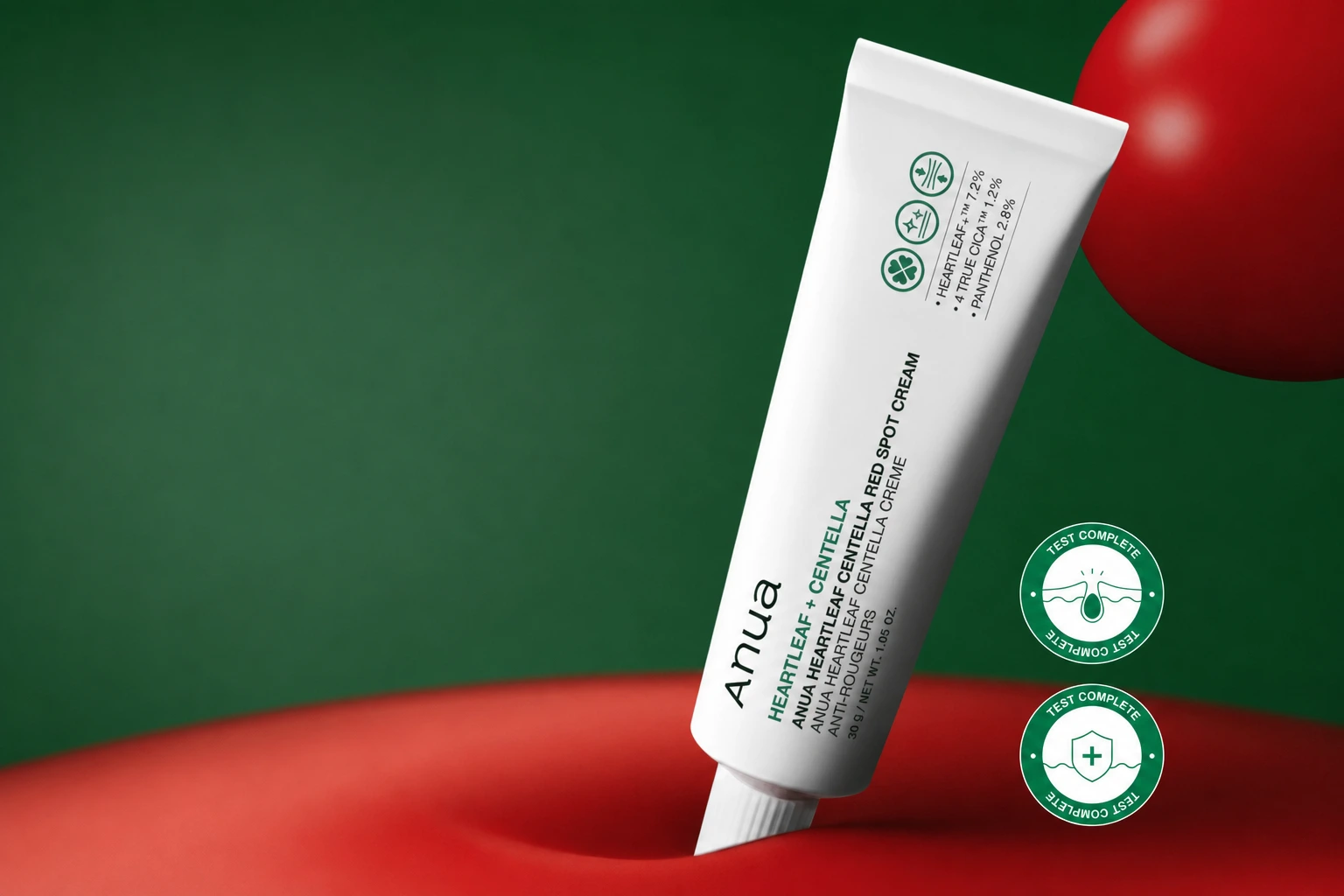
Heartleaf, also known as Houttuynia cordata, is relevant because breakout-prone skin often needs comfort support around active spots. Keep this step cosmetic: soothe the look of redness and reduce routine friction rather than treating it as acne medication.
For raised, active spots, Triple Acid Spot Care Microdart Patch uses over 200 microdarts to deliver active ingredients and a 0.3mm slim-fit design for secure adhesion (Anua US Official, 2026). That makes it a better fit for targeted care than applying an acid serum over every inflamed area.
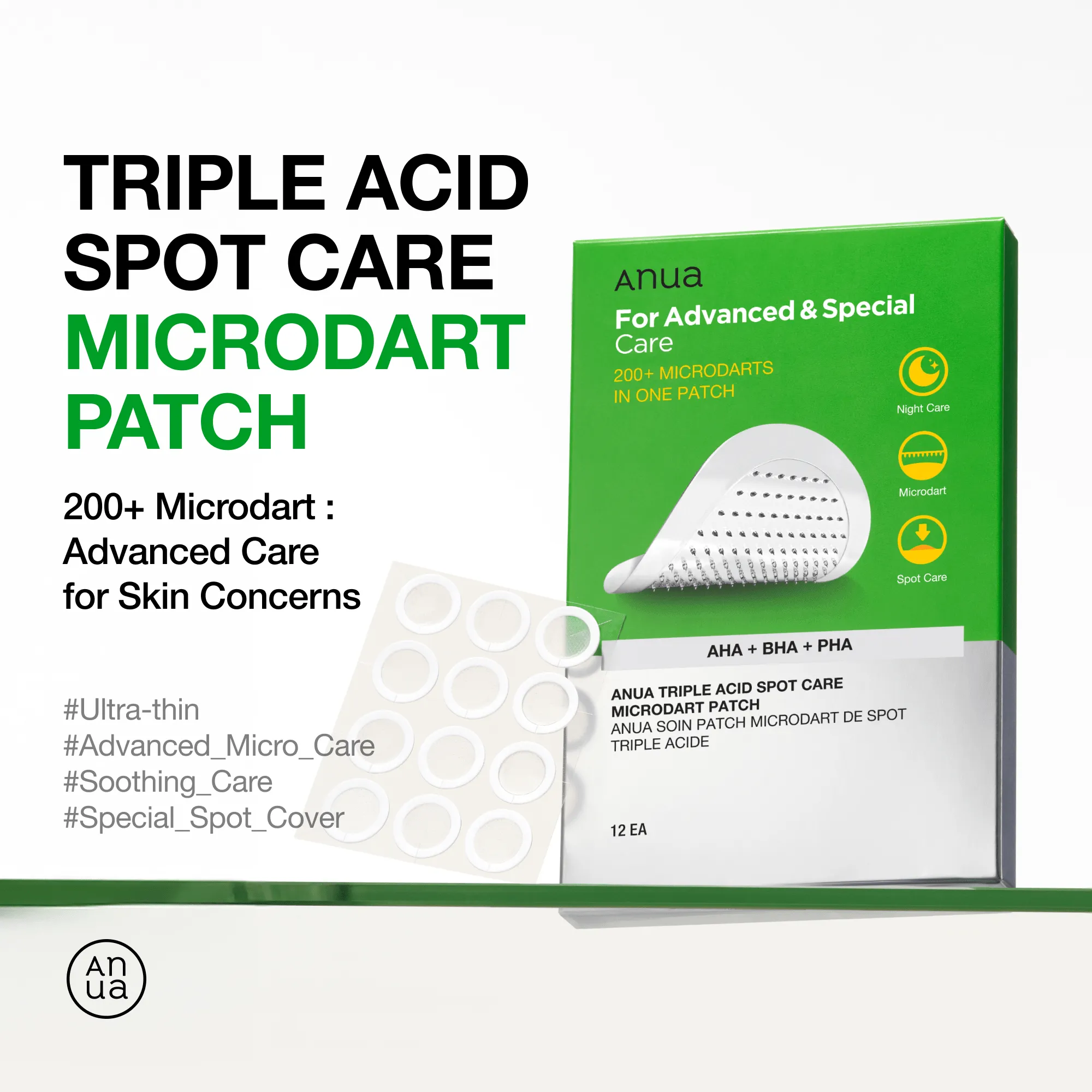
Triple Acid Spot Care Microdart Patch is listed at USD 15 and is most useful when you want localized care for a visible concern area rather than a full-face exfoliation step.
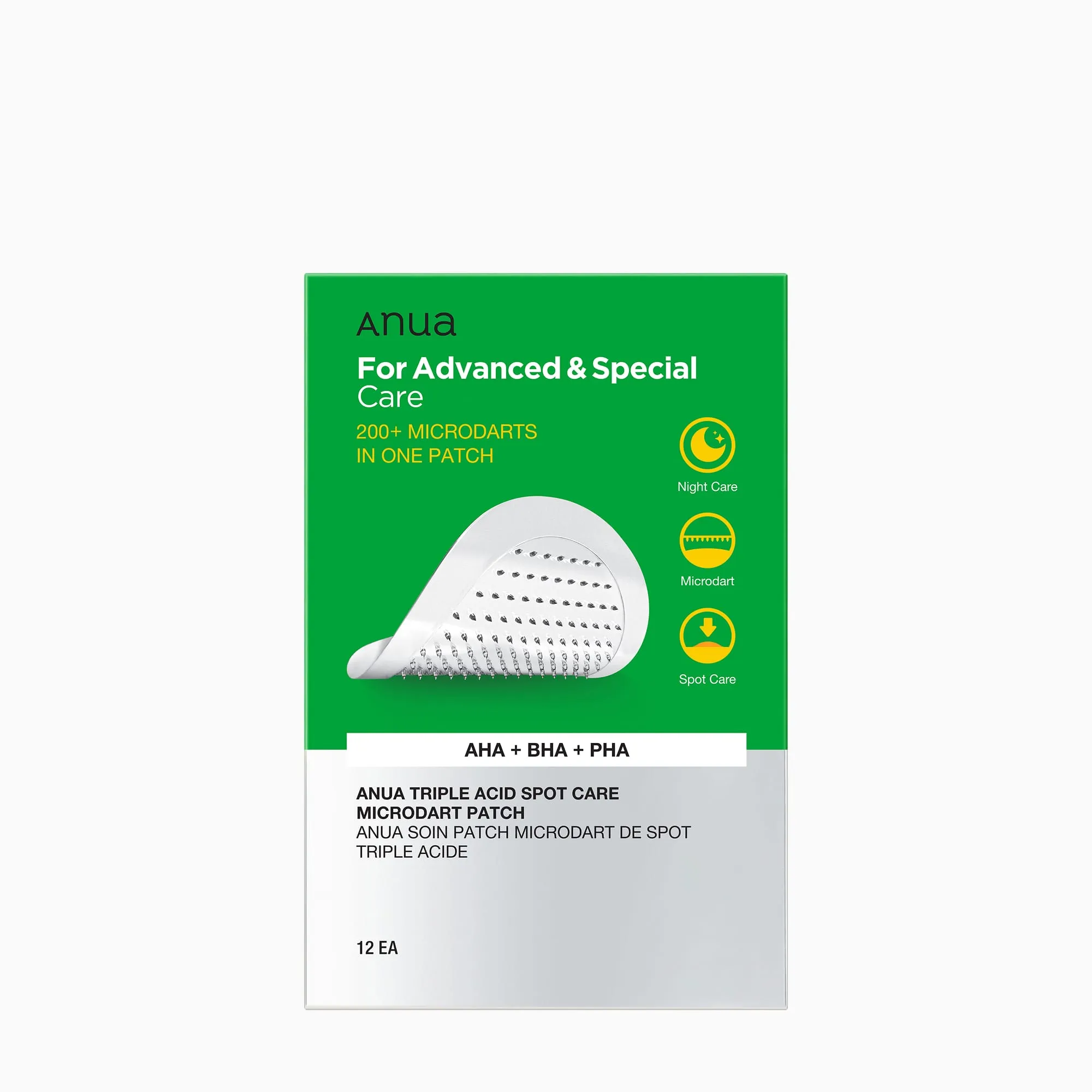
Triple Acid Spot Care Microdart Patch
Targets active, raised spots with microdart delivery and spot coverage.
Use a spot patch on clean, dry skin. After removing it, return to a calm routine rather than immediately adding another exfoliating product on the same area.
What exfoliation fits when skin is sensitized?
When the skin is sensitized, the better direction is usually controlled, low-irritation exfoliation rather than frequent strong peels or multiple acid layers.
For sensitive skin, a combination of gentle acids like mandelic acid, salicylic acid, and gluconolactone can support exfoliation.
Exfoliation should never be the only step. If the skin feels sensitized, pause full-face acids and focus on a simple routine of cleansing, moisture, and sunscreen until the skin feels comfortable again.
How should you combine acne and brightening ingredients?
Active ingredients are easier to tolerate in a simple order: address the active spot, avoid stacking multiple strong treatments, then support the barrier.
Layering is where many breakout routines fail. A product may be helpful on its own, but the wrong pairing can increase irritation or make an ingredient less useful. During active breakouts, fewer well-chosen steps usually beat a long routine with overlapping actives.
Niacinamide is one of the more compatible support ingredients for appearance-focused routines because it can support the barrier and the look of uneven tone. Vitamin C, benzoyl peroxide, retinoids, and exfoliating acids need more care when skin is actively irritated, so avoid introducing several at once.
A simple ingredient map can prevent avoidable irritation:
| If you are using | Pairing guidance | Practical routine choice |
|---|---|---|
| Benzoyl peroxide | Can be drying or irritating when layered with many actives | Keep it separate from new brightening steps if skin feels stressed |
| Niacinamide | Often fits appearance-focused support routines | Use as a support step when skin is oily but reactive |
| Salicylic acid | Can help clogged-looking pores when tolerated | Keep frequency low if skin stings or flakes |
What routine supports marks, breakouts, and the skin barrier?
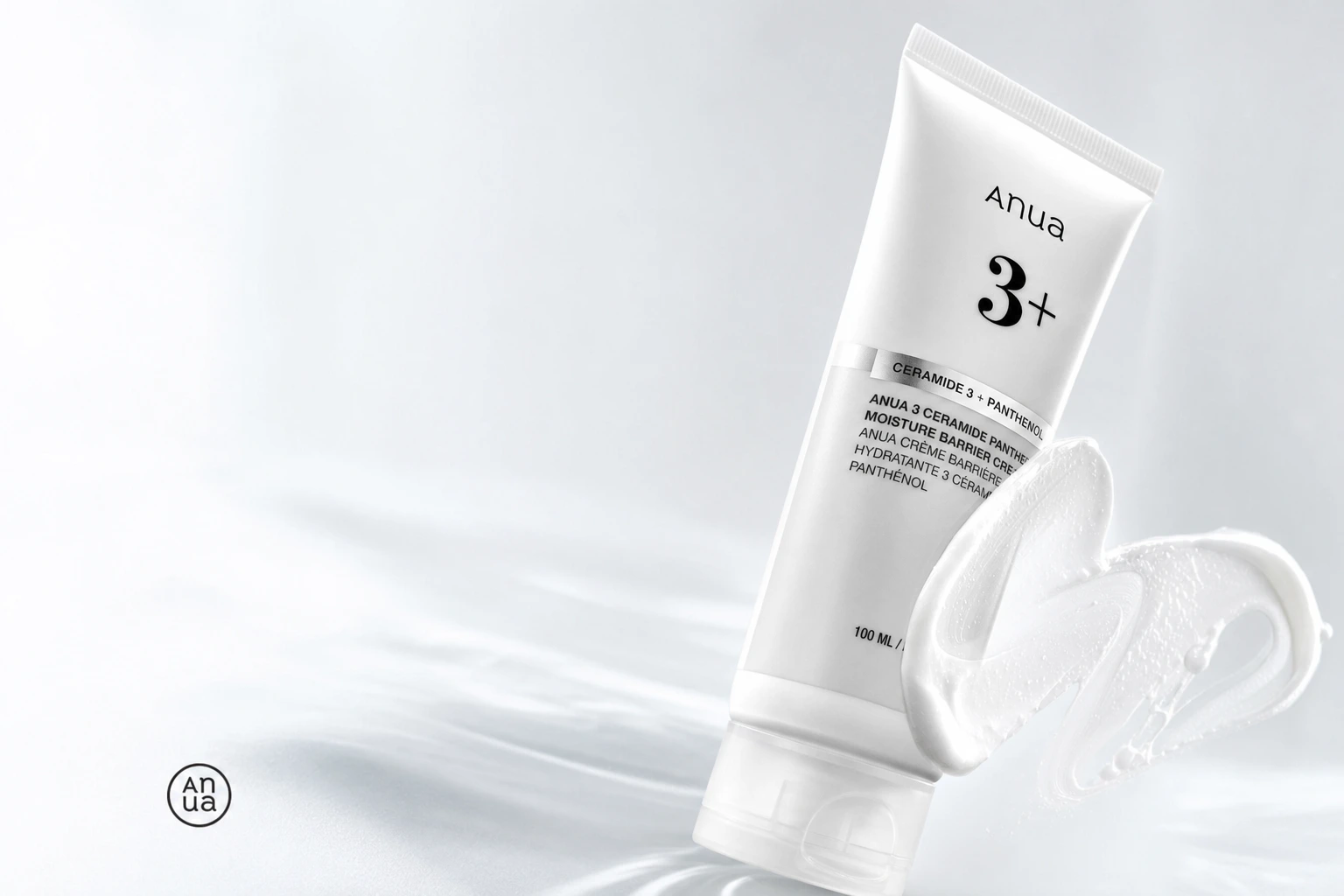
A simple daily routine pairs targeted spot care, soothing support, and daily sunscreen.
The most dependable routine is short enough to repeat. It should cleanse without stripping, treat active spots, support the barrier, and protect the skin. If you add actives, add them one at a time so you can tell what your skin tolerates.
- Cleanse gently, especially at night, to remove daily residue without scrubbing the skin.
- Use targeted skincare options on areas of concern rather than over-exfoliating the whole face.
- Support the surrounding skin with a simple routine built around calming ingredients.
- Apply sunscreen every morning to reduce the chance that visible marks look darker.
Breakout Care Duo includes azelaic acid, Centella asiatica, and Heartleaf extract as key components (Anua US Official). That ingredient mix fits users who want blemish support without treating the whole face as if it needs aggressive resurfacing.
Breakout Care Duo is listed at USD 42 and is the better fit when your main concern is recurring redness, post-blemish marks, and sensitivity rather than one isolated bump.
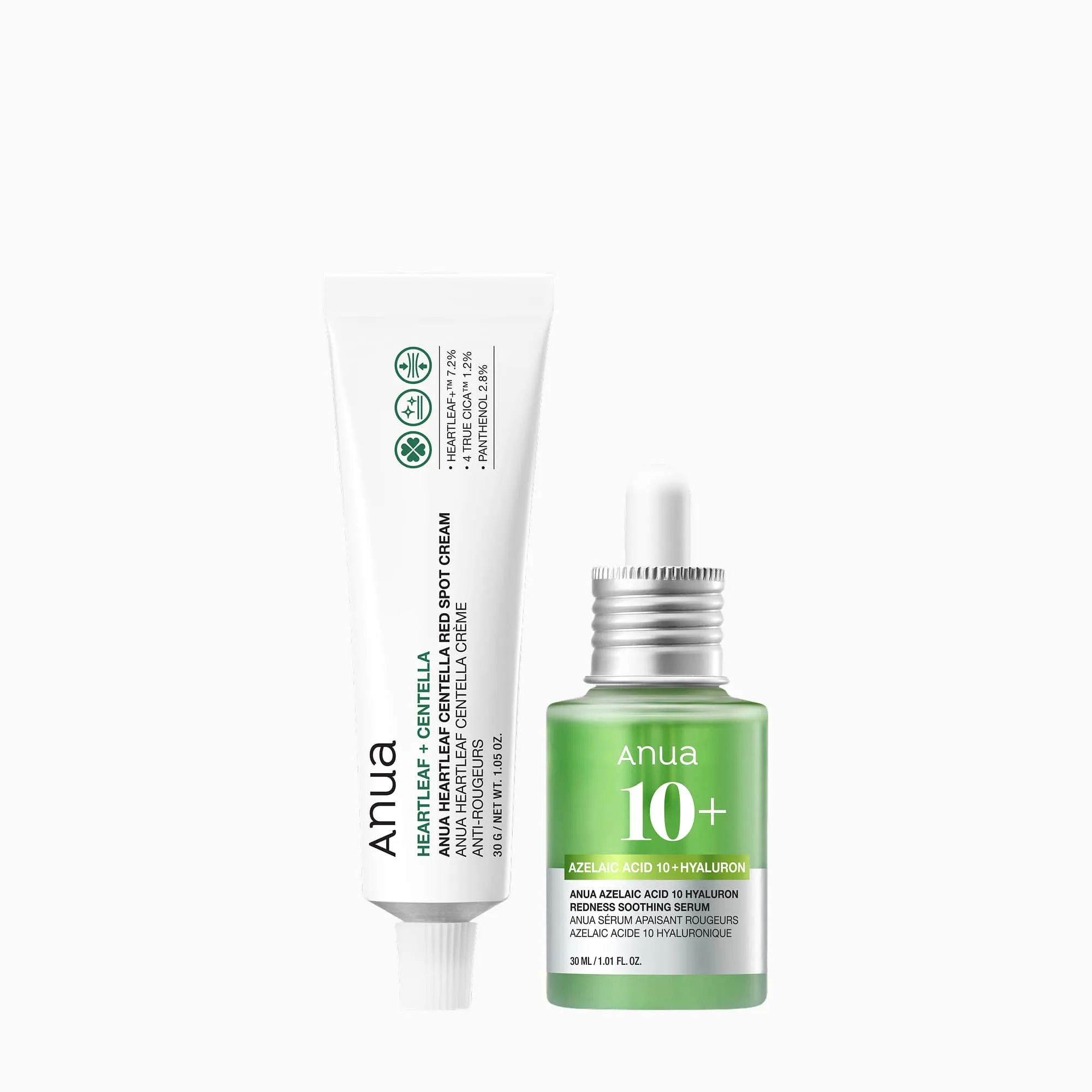
Breakout Care Duo
Supports sensitive or troubled skin with azelaic acid, Heartleaf, Centella asiatica, and hyaluronic acid.
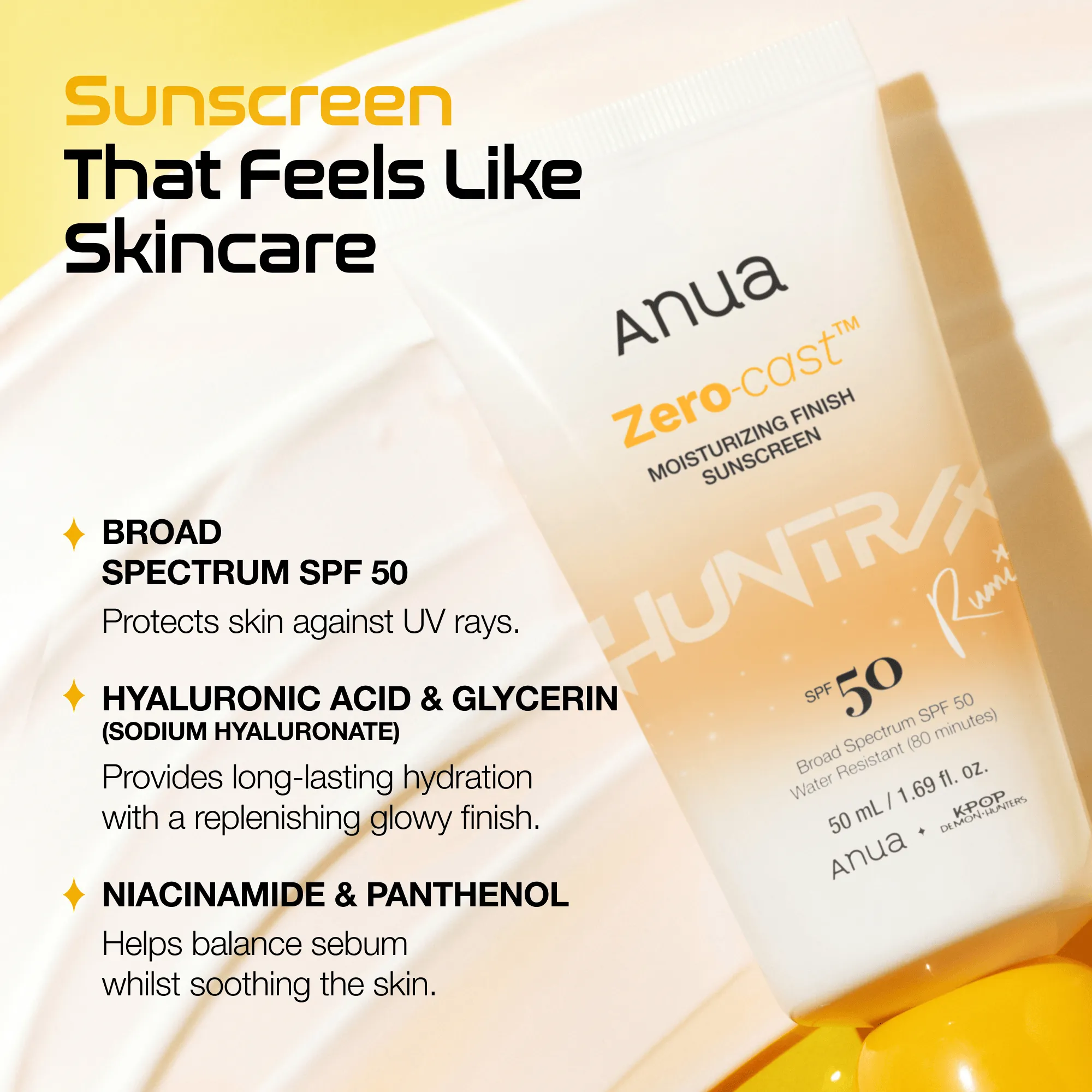
Sunscreen is not optional for post-inflammatory hyperpigmentation routines. UV exposure can make visible marks harder to judge and may make discoloration look darker, especially when marks are already brown, gray-brown, or slow to soften.
A routine can look like this:
| Time | Step | Why it matters |
|---|---|---|
| Morning | Gentle cleanse or rinse | Keeps skin comfortable before treatment and sunscreen |
| Morning | Barrier-support serum or cream | Reduces dryness that can make acne care harder to tolerate |
| Morning | Sunscreen | Helps reduce the chance that visible marks look darker |
| Evening | Cleanse thoroughly | Removes sunscreen and daily residue before spot care |
| Evening | Targeted patch or treatment | Focuses actives on the concern area instead of the whole face |
| Evening | Moisturizer | Helps the barrier recover while blemishes heal |
For most users, the winning pattern is consistency rather than intensity. Treat the active blemish, support the skin around it, and protect the mark every day it is visible.
Build a calmer blemish routine
Shop Anua skincare designed for sensitive or troubled skin, then keep your routine simple enough to use consistently.
FAQS