Gentle Exfoliating Cleanser for Clogged Pores
Clogged pores respond best to daily sebum removal plus LHA or rice enzyme exfoliation 1 to 3 times weekly, not harsh daily scrubbing.
Key takeaways
- A barrier-supportive routine with scheduled exfoliation is often preferred over rough scrubbing every day.
- Use Heartleaf Pore Control Cleansing Oil daily at night, then rotate Heartleaf LHA Moisture Peeling Gel or Rice Enzyme Brightening Cleansing Powder 1 to 3 times weekly.
- Sensitive cheeks need zonal use: focus exfoliating steps on the T-zone, keep contact time shorter on reactive areas, and rinse thoroughly.
Why does a gentle exfoliating cleanser work better for clogged pores than daily scrubbing?
Clogged pores respond best to a measured schedule: daily oil-based sebum removal, plus mild exfoliation 1 to 3 times weekly.
The goal is to gently address pore concerns without overworking the skin barrier. A rough scrub can make skin feel instantly smoother, but it can also leave sensitive cheek areas looking flushed or tight.
Consumer behavior is moving in the same direction. According to Business Research Insights, 68% of U.S. adults include exfoliation in their regular skincare routines, and 67% of skincare consumers seek mild formulas suitable for frequent use. The same report notes that 32% of skincare consumers identify as having sensitive skin, while 62% actively avoid harsh sulfates in products.
For an acne-prone T-zone with more reactive cheeks, that points to a simple rule: cleanse daily, exfoliate selectively. A daily pore routine can start with a basic oil cleanse. Treatment steps can then rotate between mild LHA or rice enzyme options.
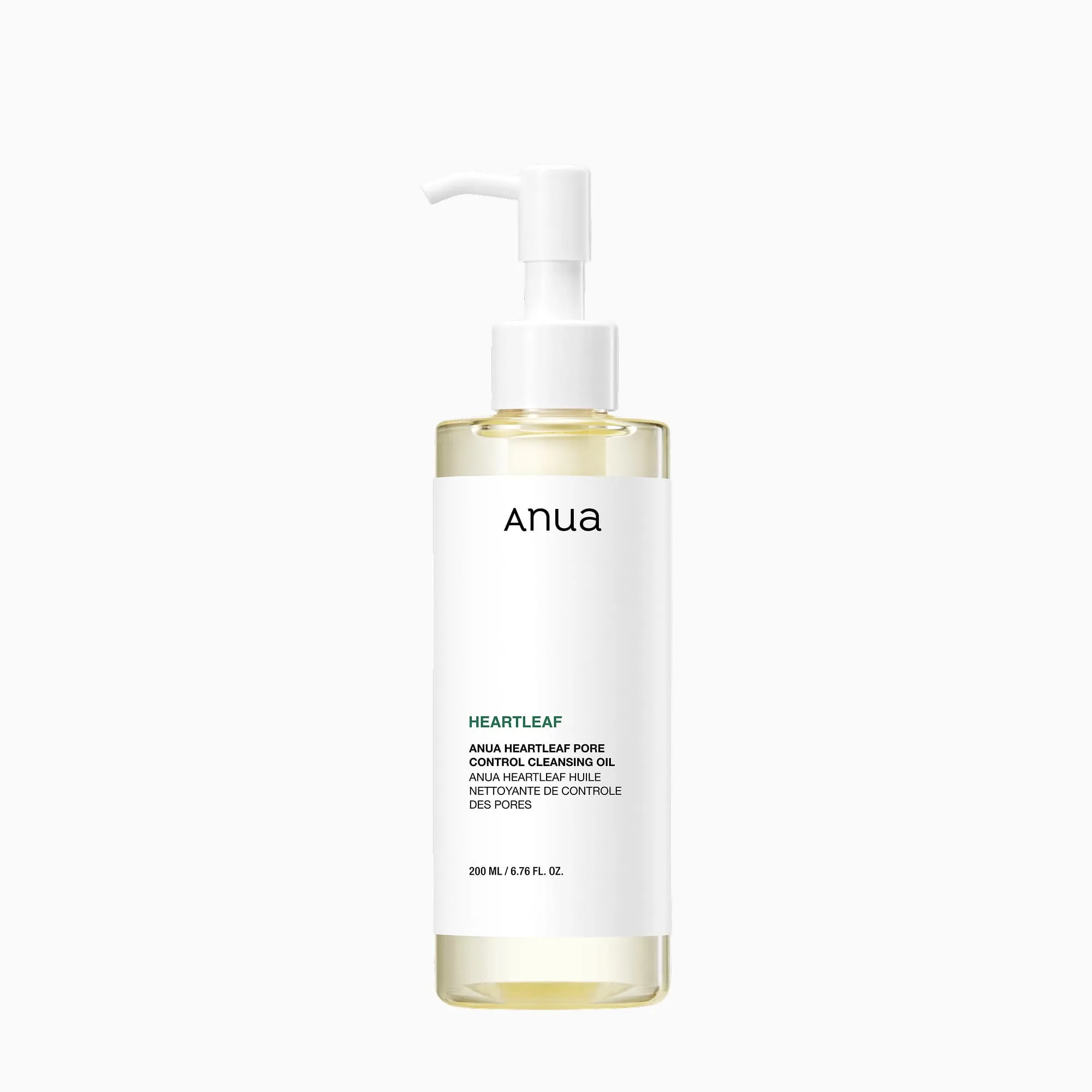
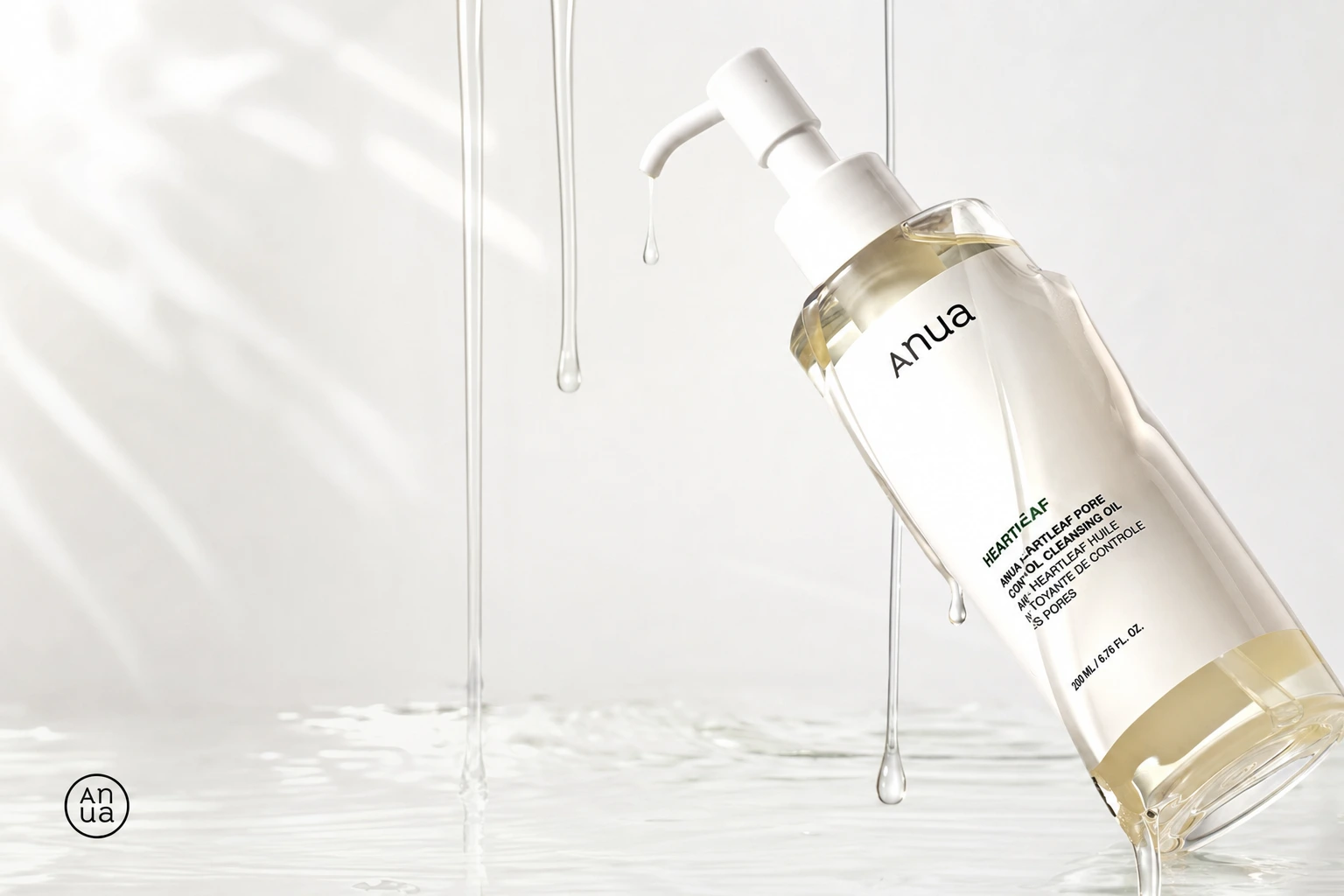
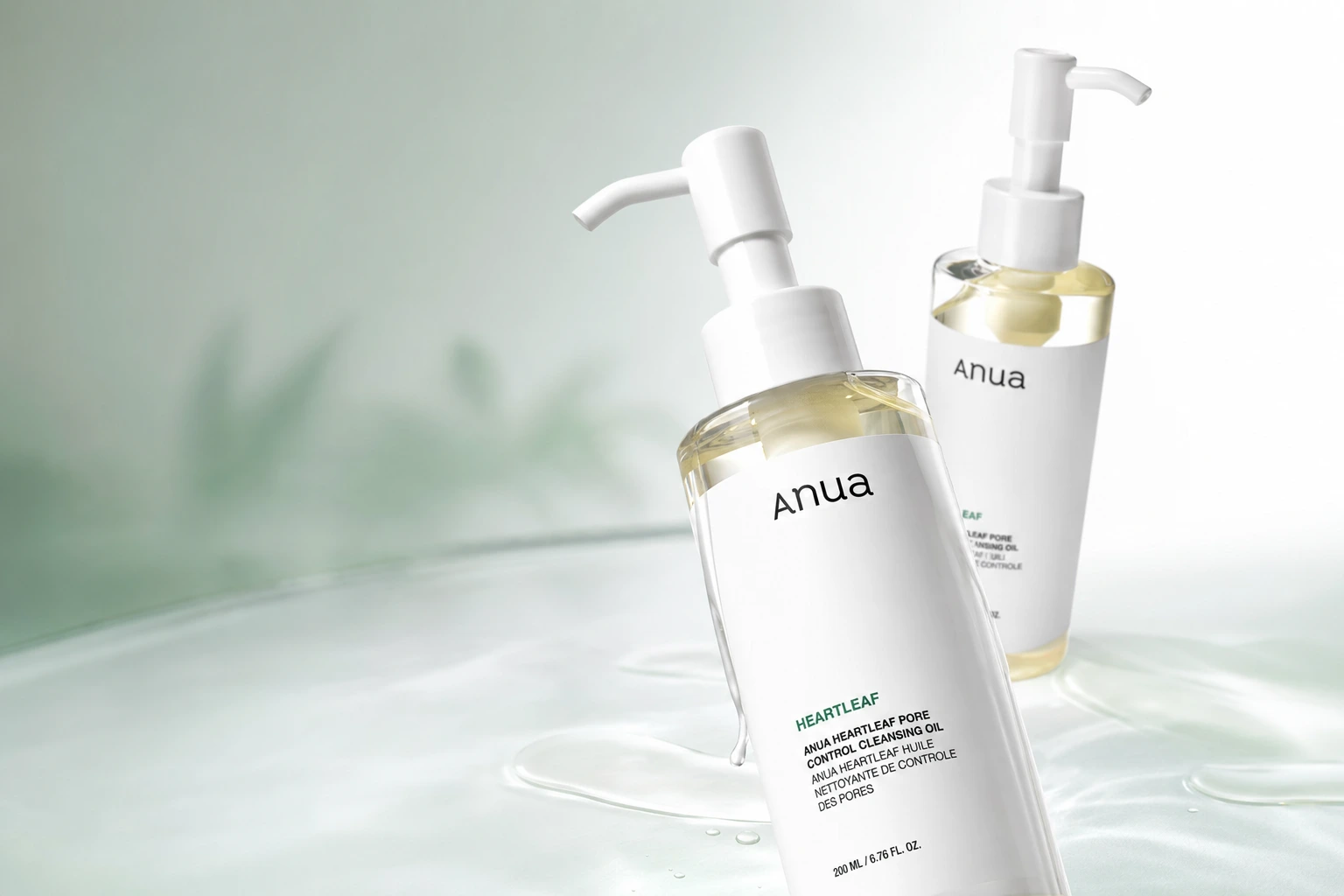
Heartleaf Pore Control Cleansing Oil
Daily evening oil cleansing helps dissolve sebum, sunscreen, and makeup residue before weekly exfoliation steps.
Which cleanser should you use for clogged pores, blackheads, or bumpy texture?
Choose a cleanser type that aligns with your specific routine steps.
Each product has a different job. Treating them as interchangeable can lead to over-cleansing, especially when the T-zone feels clogged but the cheeks sting easily. The better approach is to match the texture and frequency to the concern you see most often.
An oil cleanse is often used as a daily baseline. Use it when your main concern is blackheads or congestion that worsens by the end of the day.
LHA is the targeted choice when pores feel clogged even after regular cleansing. It is an option to consider for your routine.
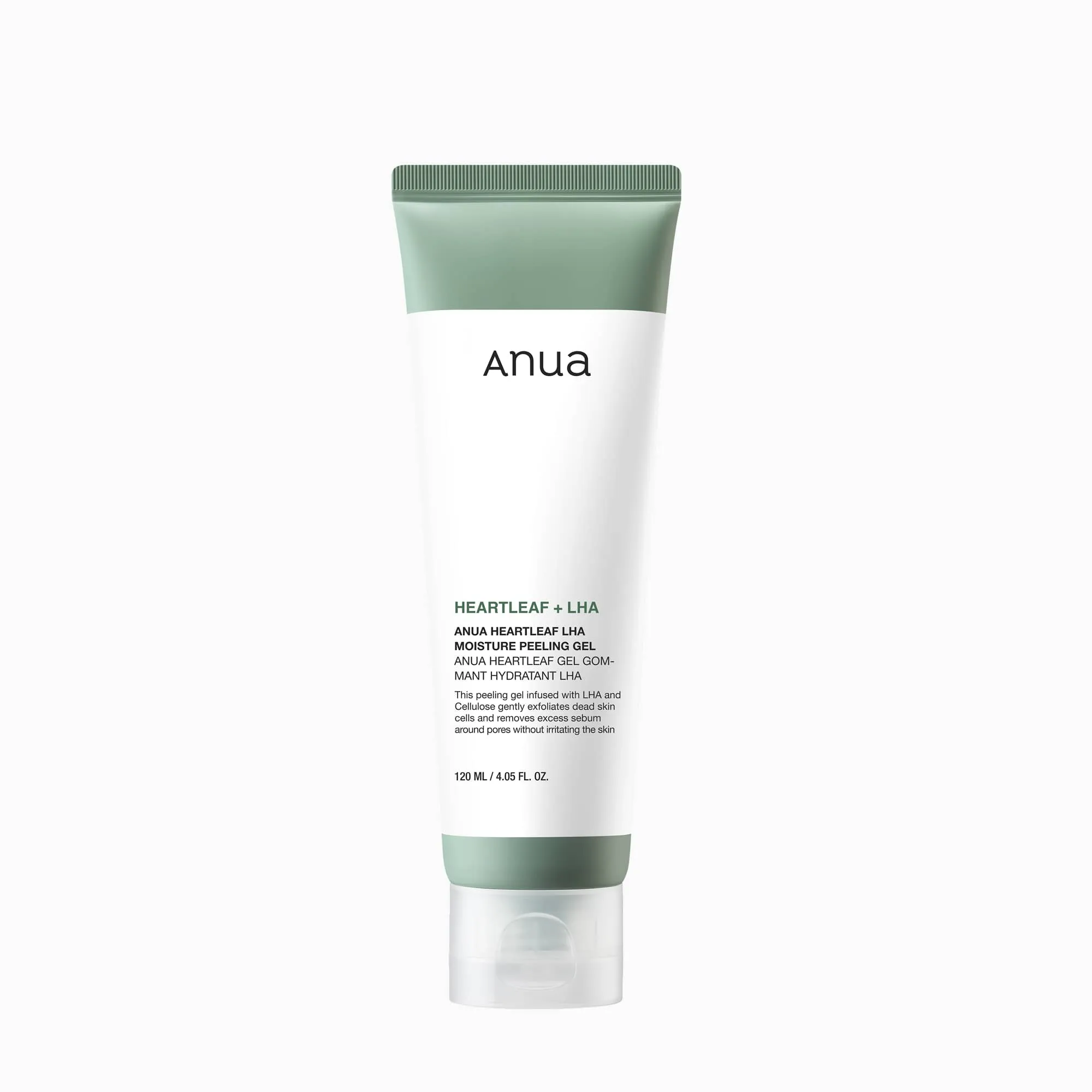
Heartleaf LHA Moisture Peeling Gel
Use on treatment nights when congested pores need a wash-off LHA step instead of a rough scrub.
Rice enzyme powder is the texture-focused option. It is formulated to help skin look more radiant and balanced.
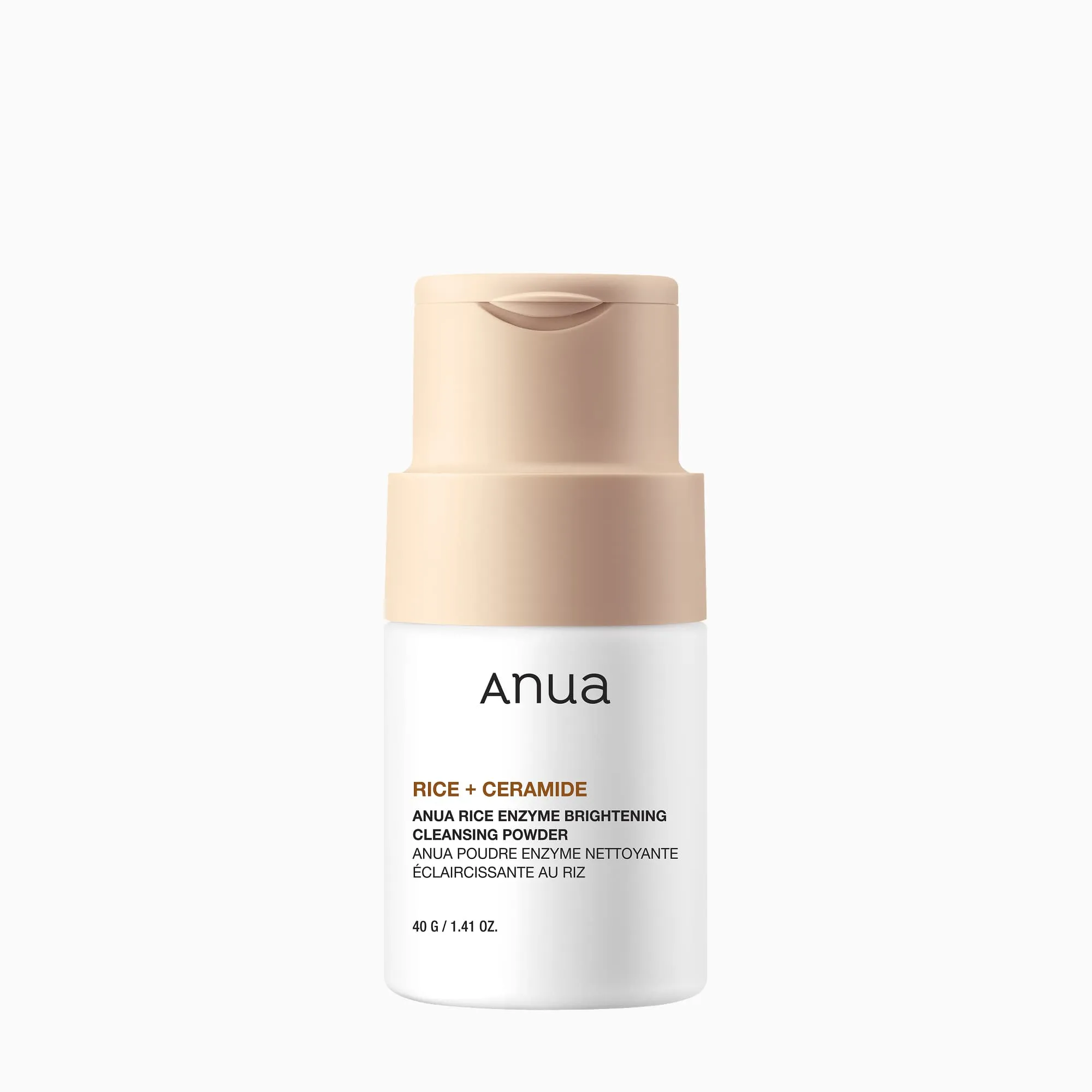
Rice Enzyme Brightening Cleansing Powder
Use as a rotating cleanser when skin looks dull or feels uneven, especially on rough T-zone texture.
How do milder alternatives help clogged pores without the harsh feel of stronger exfoliants?
Milder alternatives are often used by those seeking an option other than harsh microbeads.
Gentler options matter for pore care routines because many sensitive-skin users avoid harsher scrubs. Choosing a milder formulation is one way to adjust your cleansing approach.
Gentle peeling products belong on treatment nights, not every cleanse by default. Use it when the skin feels congested, when small bumps are concentrated around the nose and chin, or when a traditional scrub has previously left the cheeks red.
If your routine already includes active serums, keep the exfoliating cleanser schedule conservative. For example, anyone layering age-support or renewal ingredients can avoid unnecessary overlap by separating exfoliation nights from retinoid-focused nights. You can find more examples of routine planning in how to layer niacinamide and retinol over 40.
What do rice enzymes add for rough or bumpy skin texture?
Rice-based powders provide an alternative option for addressing rough texture and dullness.
A soft cleansing experience is useful when skin feels uneven but does not tolerate grainy scrubs well. Rice-based powders create a physical-but-soft cleansing experience that aims to give the skin a smoother feel.
A recent shift supports a broader move away from hard scrub particles and toward lower-friction textures like rice powder.
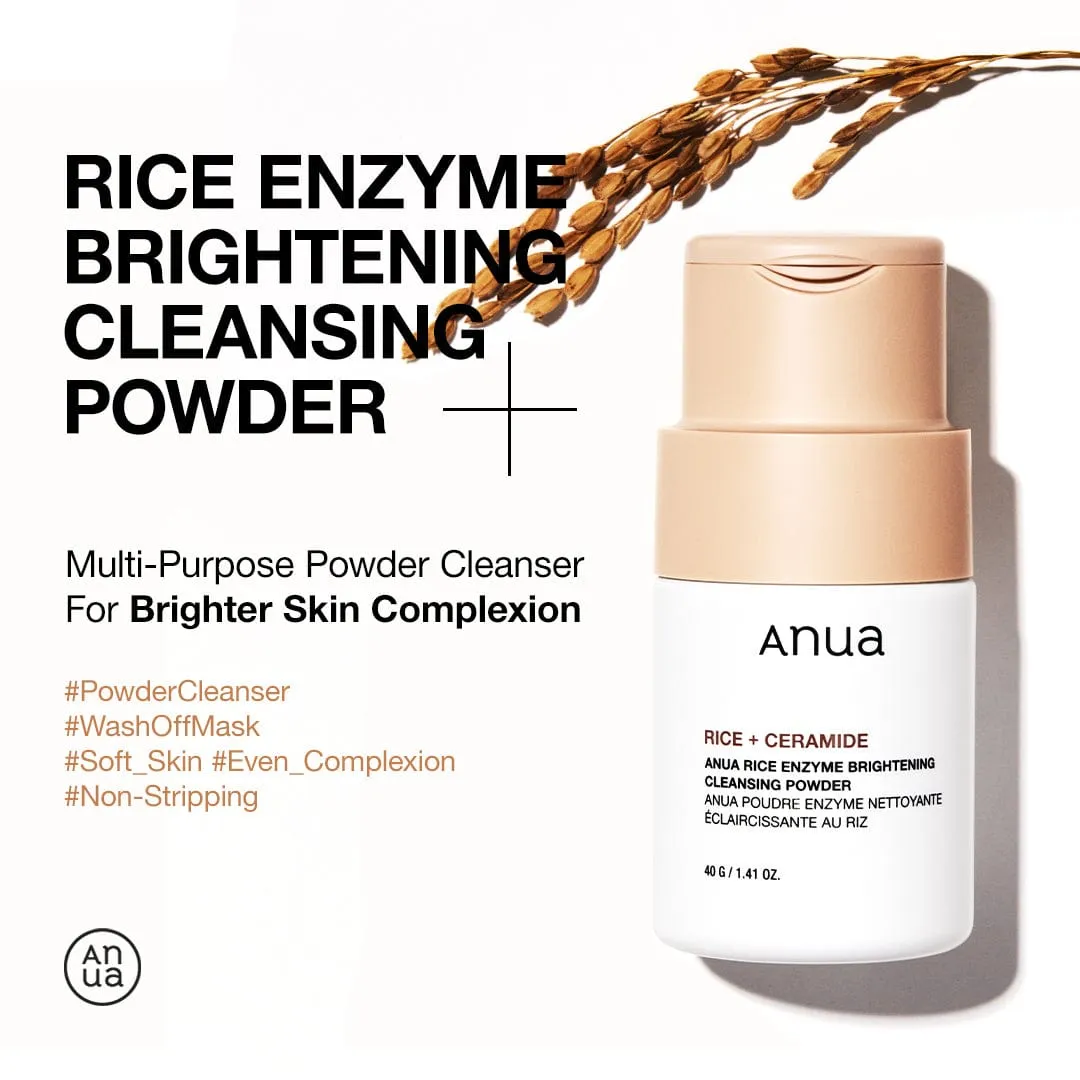
Rice Enzyme Brightening Cleansing Powder fits the rough-texture use case because it changes from powder to foam. Use it on the areas that feel bumpy or look dull, then rinse clean. If cheeks are reactive, keep the massage light and shorter there.
Do not stack Rice Enzyme Brightening Cleansing Powder and Heartleaf LHA Moisture Peeling Gel in the same routine. Alternating them is more barrier-friendly than layering them back-to-back.
How should you build a routine for blackheads and congested skin?
Use oil cleansing daily at night, then rotate LHA or rice enzyme exfoliation on separate treatment days.
A pore routine works best when each step has a clear role. Daily cleansing removes the buildup that can darken or congest pores. Weekly exfoliation helps loosen dead skin that traps that buildup. Recovery nights give the barrier time to stay comfortable.
- In the morning, use a gentle non-exfoliating cleanse if needed, then apply moisturizer and sunscreen.
- At night, use Heartleaf Pore Control Cleansing Oil to dissolve sebum, sunscreen, and makeup residue.
- On 1 to 3 nights each week, choose one exfoliating treatment: Heartleaf LHA Moisture Peeling Gel for congestion or Rice Enzyme Brightening Cleansing Powder for rough texture.
- Rinse thoroughly with lukewarm water so exfoliating residue does not remain on the skin.
- Follow with a barrier-supportive moisturizer and avoid adding another exfoliating acid in the same routine.
The key is rotation. If Monday is an LHA night, make Tuesday a basic cleanse-and-moisturize night. If Thursday is a rice enzyme night, avoid adding Heartleaf LHA Moisture Peeling Gel afterward. Beauty market reporting for 2026 frames the shift as regenerative and barrier-supportive rather than aggressive (Beauty Independent, 2026).
Residue matters, too. Leaving exfoliating residue on skin can turn active ingredient stacks into irritants rather than helpful treatment steps, so wash-off timing and thorough rinsing are part of the routine, not an afterthought (Beauty Independent, 2026).
If your skin is barrier-stressed, add sunscreen carefully the next morning. For sunscreen selection after exfoliation nights, see sensitive skin sunscreen for barrier-stressed skin.
How do you treat a bumpy T-zone without irritating sensitive cheeks?
Use zonal application: concentrate exfoliating cleanser on the forehead, nose, and chin while limiting cheek contact.
Combination skin is the most common reason a pore routine goes wrong. The T-zone may need more cleansing support, while cheeks may need less friction, less contact time, and fewer active steps. Applying the same pressure and timing everywhere can leave pores under-treated in one area and the barrier overworked in another.
A practical zonal method looks like this:
- Apply Heartleaf Pore Control Cleansing Oil across the face at night, with extra attention to the nose and chin where sebum buildup is visible.
- Use Heartleaf LHA Moisture Peeling Gel mainly on congested areas when bumps feel deeper or pores look clogged.
- Use Rice Enzyme Brightening Cleansing Powder mainly when the skin surface feels rough or looks dull.
- Keep cheek massage short if those areas flush easily.
- Rinse with lukewarm water until the product is fully removed.
For sensitive cheeks, short-contact use is often the deciding factor. The research plan supports limiting massage on reactive cheek areas to under 15 seconds, while allowing 30 to 60 seconds on the T-zone. This gives the more congested area enough contact without making the cheeks carry the full exfoliating load.
If your routine includes additional skin-renewal ingredients, avoid piling them onto the same night. The same caution applies to advanced actives such as PDRN, retinoids, and exfoliating acids. If you use repair-focused serums, review safe sequencing in the PDRN serum concentration guide and safe layering rules.
Build a gentler pore-clearing cleanse routine
Choose a daily oil cleanser for buildup, then rotate one exfoliating cleanser on treatment nights so clogged pores get care without daily scrubbing.
FAQS