Niacinamide Serum for Combination Dehydrated Skin
Combination dehydrated skin often suits one brightening serum with niacinamide, TXA, hydration, moisturizer, and daily SPF support.
Key takeaways
- Combination dehydrated skin often needs one targeted serum plus cushioning hydration.
- A targeted serum combining niacinamide and tranexamic acid can address tone concerns while keeping the routine simple.
- Breastfeeding users are advised to avoid retinoids.
What makes combination and dehydrated skin difficult to treat?
Combination dehydrated skin has oil in the T-zone and water loss on the surface, so harsh brightening can feel tight fast.
That split is the reason a routine can look confusing. The forehead, nose, and chin may still clog or shine, while the cheeks feel papery after cleansing, air conditioning, long flights, or winter heat. Adding more exfoliating acids may make the surface look smoother for a few days, but it can also increase the stripped feeling that makes dehydrated skin harder to manage.
A better decision point is simple: treat the visible tone concern with one focused serum, then support the skin with hydration, moisturizer, and sunscreen. For this skin pattern, the goal is not to dry out the oily areas. The goal is to reduce the look of dark marks while helping the skin feel balanced enough to stay consistent.
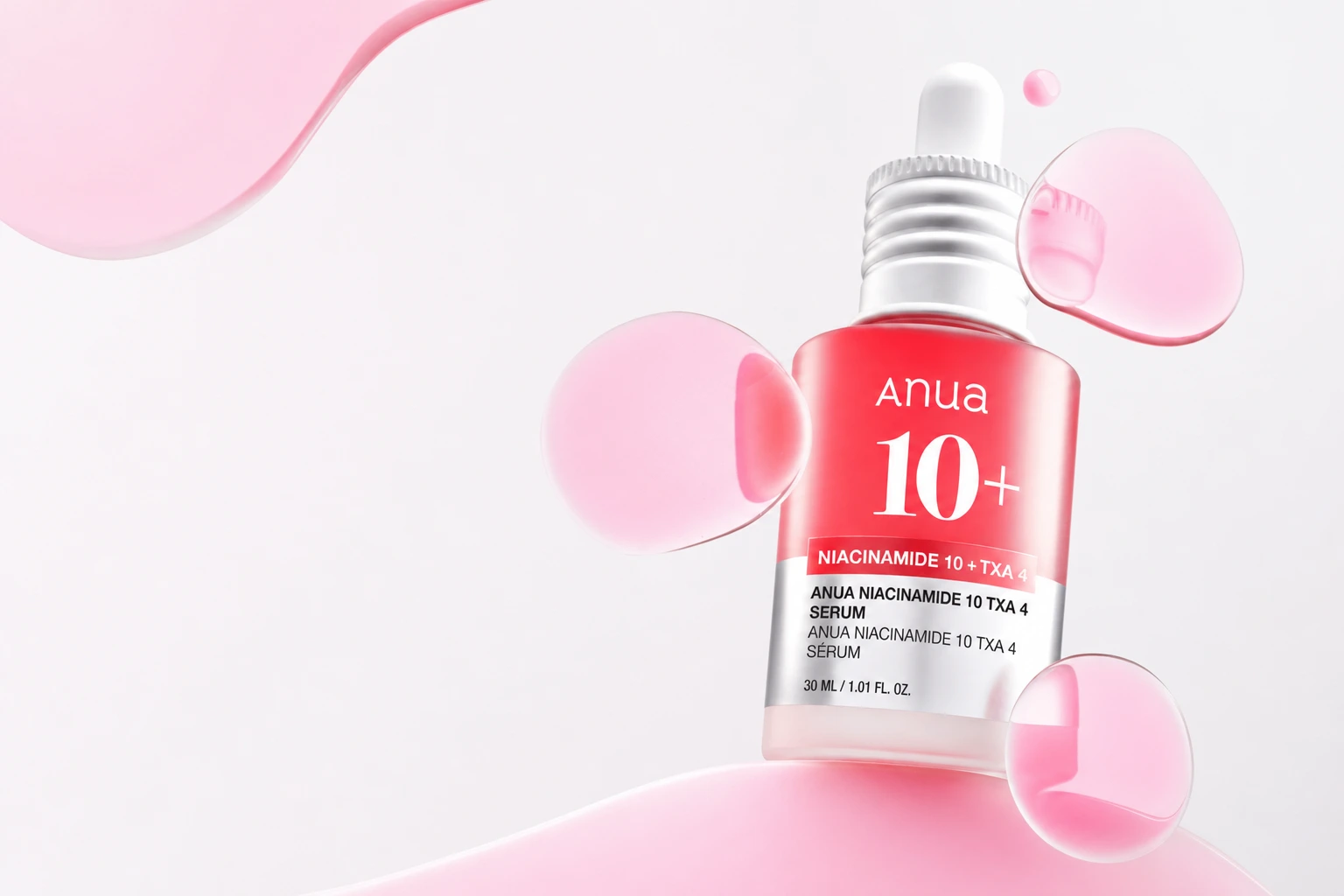
Niacinamide 10 TXA 4 Serum for Brightening and Dark Spots is a strong fit for that one-serum approach because it combines 10% niacinamide and 4% tranexamic acid in a 30 ml serum priced at USD 24. It is designed for skin that wants a more radiant, balanced look without building a long brightening routine.
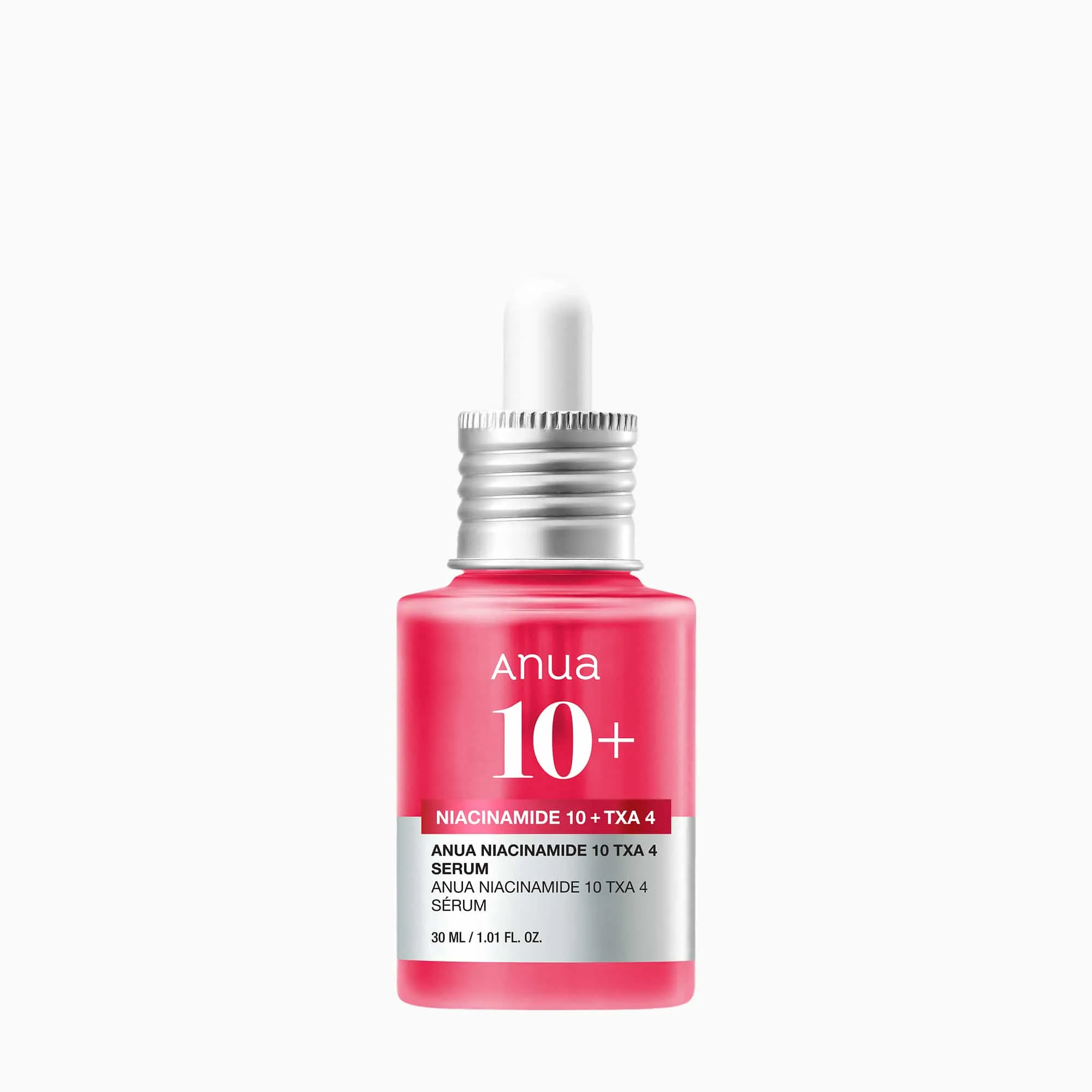
Niacinamide 10 TXA 4 Serum for Brightening and Dark Spots
A 30 ml serum formulated with 10% Niacinamide and 4% TXA, designed to look more radiant and balanced.
For a broader routine built around the same brightening pair, the Niacinamide and TXA Dark Spot Routine Guide explains how to layer brightening actives with daily sunscreen.
Why is niacinamide useful for dehydrated combination skin?
Niacinamide is useful for dehydrated combination skin because it supports tone, oil balance, and barrier comfort in one step.
Niacinamide, also called vitamin B3, is often chosen for combination skin because it does not work like a peeling acid. It can fit into a morning or evening routine without requiring a recovery day in the way stronger exfoliation sometimes does. That matters when the skin is oily in some areas but easily tight or sensitized in others.
For visible post-inflammatory hyperpigmentation, niacinamide is valued because it helps address uneven tone while remaining compatible with barrier-first routines. For the T-zone, it is commonly used in formulas intended to make skin look more balanced. For dehydrated areas, it is helpful because it can be paired with humectants and moisturizers instead of forcing the user into a dry, matte finish.
The practical routine is short:
- Cleanse without leaving the skin squeaky or tight.
- Apply Niacinamide 10 TXA 4 Serum for Brightening and Dark Spots to dry or slightly damp skin.
- Follow with a lightweight moisturizer that cushions the cheeks without smothering the T-zone.
- Use sunscreen every morning, because brightening routines lose impact when new UV-triggered marks keep forming.
If your skin also flushes, feels reactive, or needs a calming layer, Anua’s heartleaf-focused routines may be relevant. The Anua Heartleaf 77 Line Guide for Calm, Clear Skin is a useful next read for building a calmer base before adding stronger tone-focused steps.
How do niacinamide and tranexamic acid target dark spots?
Niacinamide and tranexamic acid are useful for reducing pigment intensity and treating melasma-prone skin.
The main value of pairing niacinamide with tranexamic acid is that dark spots rarely have only one cause. Post-blemish marks, sun exposure, hormonal shifts, and visible redness can overlap on the same face. A single serum that addresses tone from more than one pathway can be easier to tolerate than stacking several aggressive brighteners.
The research report behind this page highlights several useful anchors. A 2025 clinical study reported a 66.72% reduction in melasma severity scores over three months for tranexamic acid and niacinamide treatment (Nature, 2025). Anua clinical data also reports that an eight-week tranexamic acid and niacinamide regimen showed a 13% reduction in pigment intensity and a 6% reduction in overall spot size (Anua Clinical Data).
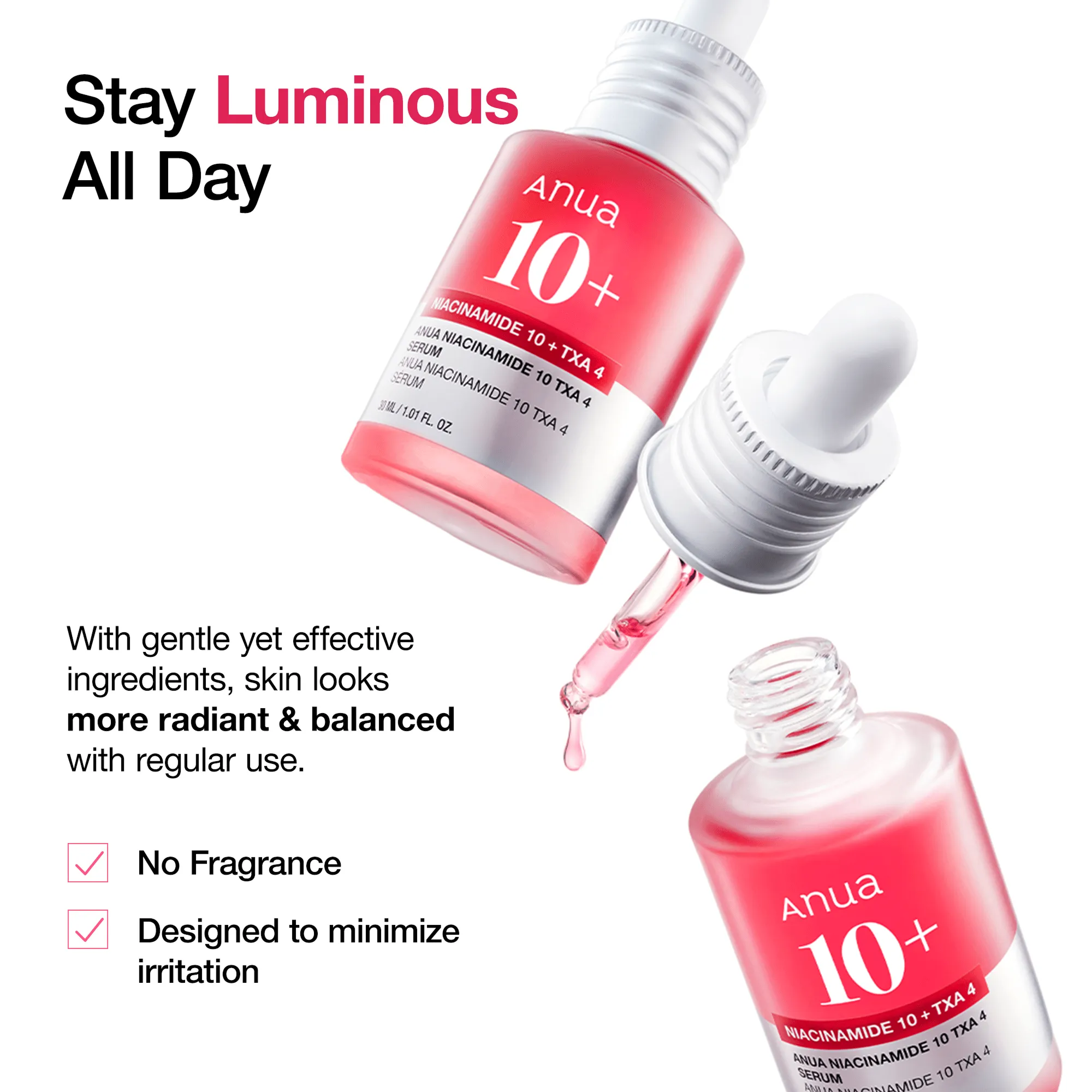
Tranexamic acid is especially relevant for stubborn discoloration and melasma-prone skin. The same 2025 Nature study found that 2% tranexamic acid niosomal formulations outperformed conventional delivery systems, which supports the importance of formulation design rather than concentration alone (Nature, 2025).
Here is the plain-language way to choose the formula:
| Skin concern | What the serum should do | Why this matters for combination dehydrated skin |
|---|---|---|
| Post-blemish marks | Support a more even-looking tone | Avoids relying only on frequent exfoliation |
| Melasma-prone discoloration | Include a targeted brightening ingredient such as tranexamic acid | Helps address stubborn tone concerns without a harsh peel routine |
| Oily T-zone | Keep texture lightweight | Makes daily use more realistic under moisturizer and SPF |
| Tight cheeks | Layer under hydrating products | Keeps the routine from feeling stripped |
A targeted niacinamide and TXA serum sits in that middle ground: targeted enough for dark spots, but simple enough to use as the only treatment serum in a routine.
Is a niacinamide and TXA serum gentler than harsh brighteners?
A niacinamide and TXA serum can be gentler than harsh brighteners when the skin barrier is dry, reactive, or over-exfoliated.
Many everyday skincare users want a brightening path that feels more compatible with daily use and compromised skin. The research report notes that niacinamide had an 18% side effect rate compared with 29% for hydroquinone.
Tranexamic acid also has a topical safety distinction that matters for cautious users. Topical 3% tranexamic acid showed no detectable systemic absorption, which separates topical skincare use from risks associated with oral tranexamic acid.
That does not mean every user should apply every brightening product every day from the first night. For combination dehydrated skin, a conservative start is more comfortable:
- Use the serum once daily for the first week if your skin is easily tight.
- Avoid layering it on the same night as strong exfoliating acids until your skin’s response is clear.
- Pause after facial waxing, fresh peels, or procedures until the skin no longer feels raw or newly exposed.
- Keep moisturizer and sunscreen consistent.
The best brightening routine is the one the skin can repeat without feeling punished. If the skin stings often, flakes around the mouth, or gets shiny and tight at the same time, reduce the number of active products before changing the serum.
What is the best skincare routine for indoor AC dryness?
Indoor air conditioning can make combination skin feel contradictory. The nose may still look oily by noon, while the cheeks feel tight by 3 p.m. That does not automatically mean the skin needs a richer treatment serum. It often means the routine needs better water support and a moisturizer texture that does not clog the areas that already produce oil.
Use a simple approach when office air, travel, or seasonal heating makes skin feel dry on the surface:
- Cleanse gently.
- Apply a lightweight moisturizer.
- Focus hydration on dry areas.
The key is texture discipline.
Is niacinamide safe during breastfeeding and postpartum?
Topical niacinamide and tranexamic acid are considered appropriate for postpartum melasma, while retinoids should be avoided during breastfeeding.
Postpartum skin changes can be frustrating because pigment, dryness, sensitivity, and breakouts may appear together. The research report cites a 2025 dermatology consensus stating that topical niacinamide and tranexamic acid are appropriate for managing postpartum melasma, while retinoids should be avoided during breastfeeding (Springer, 2025).
Melasma is also strongly influenced by factors beyond skincare. A 2025 Nature paper cited in the research report states that melasma affects approximately 98% of women and has a 53% correlation with family history (Nature, 2025). That means a serum can be part of a plan, but it should not be framed as the only factor.
A conservative postpartum routine can look like this:
- Gentle cleanser, or just a rinse in the morning if skin is very dry.
- Niacinamide 10 TXA 4 Serum for Brightening and Dark Spots once daily to start.
- Moisturizer focused on comfort and barrier support.
- Daily sunscreen, especially for melasma-prone areas.
- No retinoids while breastfeeding unless a clinician gives individualized guidance.
Ask a clinician before using brightening actives if you have a complicated pregnancy or postpartum medical history, are using prescription pigment treatments, have a history of clotting disorders, or are treating severe melasma. If you suspect a product is fake or diverted, do not use it on sensitive postpartum skin. Anua’s guide on how to spot fake Anua products before you buy explains what to check before applying a new product.
Build a simple tone-focused routine
Choose one targeted serum, keep hydration steady, and protect the result with daily sunscreen. Browse Anua skincare if you want a routine that stays easy to repeat.
FAQS