Non-Comedogenic Routine for Closed Comedones
Closed comedones often respond best to a light K-beauty routine with azelaic acid, breathable hydration, and daily SPF 50.
Why is the "non-comedogenic" label only a starting point?
A non-comedogenic label is useful, but it is not a guarantee because the claim lacks standardized human testing and oversight.
For closed comedones, the label should help you narrow options, not make the decision for you. A 2025 clinical review found that “non-comedogenic” claims still lack standardized human-based testing and government oversight (ScienceDirect, 2025). That matters because closed comedones are not only about whether one ingredient appears on a pore-clogging list. Texture, residue, film formation, and how many layers you apply can all change how a formula behaves on your skin.
Toner pads can be helpful when they are used for gentle exfoliation or quick hydration, but they are optional. If a pad leaves a sticky film, sits under sunscreen, or makes you add more moisturizer to offset dryness, it may raise the total occlusive load of the routine.
The better test is simple: after ten minutes, does your skin feel hydrated but mobile, or does it feel coated? A non-comedogenic Korean toner pad for closed comedones should feel fast-absorbing, low-residue, and easy to layer under sunscreen. If it does not, skip it and keep the routine focused on cleanse, treatment, light hydration, and sun protection.
Older comedogenicity methods also explain why shoppers get conflicting answers. The 2025 review notes that historical rabbit ear assays are now considered inconsistent, while human testing is the more reliable way to assess comedogenicity (ScienceDirect, 2025). That is why a “comedogenic ingredient score” should be treated as a screening clue, not as a final verdict.
If your skin is also red, reactive, or breakout-prone around the jawline, keep soothing steps light.
How do skincare formulations actually clog pores?
A formula can feel elegant on the hand and still be too heavy when layered with sunscreen, makeup, sweat, or a sleeping mask. The risk is not only an individual ingredient. A 2021 safety assessment found that non-comedogenic ingredients may form comedogenic substances during emulsification, which means manufacturing and finished formula behavior matter (PMC, 2021).
For clogged-prone skin, the most useful routine question is not “Is this ingredient bad?” It is “How does this product dry down after everything else I use?” A watery toner, a serum, a cream, and sunscreen may each look reasonable alone. Together, they can trap heat, sebum, and debris, especially in humid weather or under masks.
In clinical testing, octyl palmitate is used as a benchmark positive control, and it induced an average 365.4% increase in microcomedone formation in Asian subjects over four weeks (PMC, 2021). That does not mean every ester is equally risky. It does mean that very rich, slippery, long-wearing textures deserve more scrutiny if your bumps are mostly closed comedones rather than inflamed pimples.
Propolis is a good example of why context matters. Is propolis comedogenic? Usually, propolis itself is not automatically pore-clogging for most users. The concern is format. A lightweight propolis ampoule may sit well on oily-congested skin, while a waxy balm with propolis can feel too occlusive for the same person. If you are testing propolis, choose the lightest texture first and avoid adding it on the same week as a new sunscreen or exfoliating pad.
Use this patch-test sequence for any new product on comedone-prone skin:
- Apply the new product to one congestion-prone area for three nights.
- Keep cleanser, moisturizer, and sunscreen unchanged during the test.
- Watch for new uniform bumps, not only redness or stinging.
- If bumps appear, stop the newest product first before changing the whole routine.
Why do finished products matter more than single ingredients?
Finished formulas can behave differently than raw ingredients, so a single ingredient score should never be the whole decision.
A 2021 trial found that finished products containing lanolin produced less than a 50% increase in microcomedones, and finished products containing tocopheryl acetate also produced less than a 50% increase (PMC, 2021). Those results challenge the habit of rejecting a product only because one historically feared ingredient appears on the label.
The same logic applies to sunscreen searches such as “Beauty of Joseon Relief Sun ingredients isohexadecane.” A formula with a non-greasy finish may be easier for closed comedones than a thicker cream that leaves residue, even if both contain ingredients that look acceptable on paper.
| Screening clue | What it usually means | What to do if you get closed comedones |
|---|---|---|
| Fast-dry toner or mist | Low residue hydration | Use before treatment or sunscreen, but skip if tackiness remains |
| Waxy propolis balm | Propolis plus occlusive texture | Choose ampoule textures if you want to test propolis |
This is also where “non-comedogenic Korean skincare” needs a more practical definition. A routine is non-comedogenic in real life when it stays breathable after every layer is applied. The label on one product cannot offset a heavy cleanser residue, a rich cream, a greasy SPF, and a sleeping pack used together.
How do you build a K-beauty routine for closed comedones?
Closed comedones usually do best with a short routine: gentle cleansing, targeted serum, light hydration, and daily SPF 50.
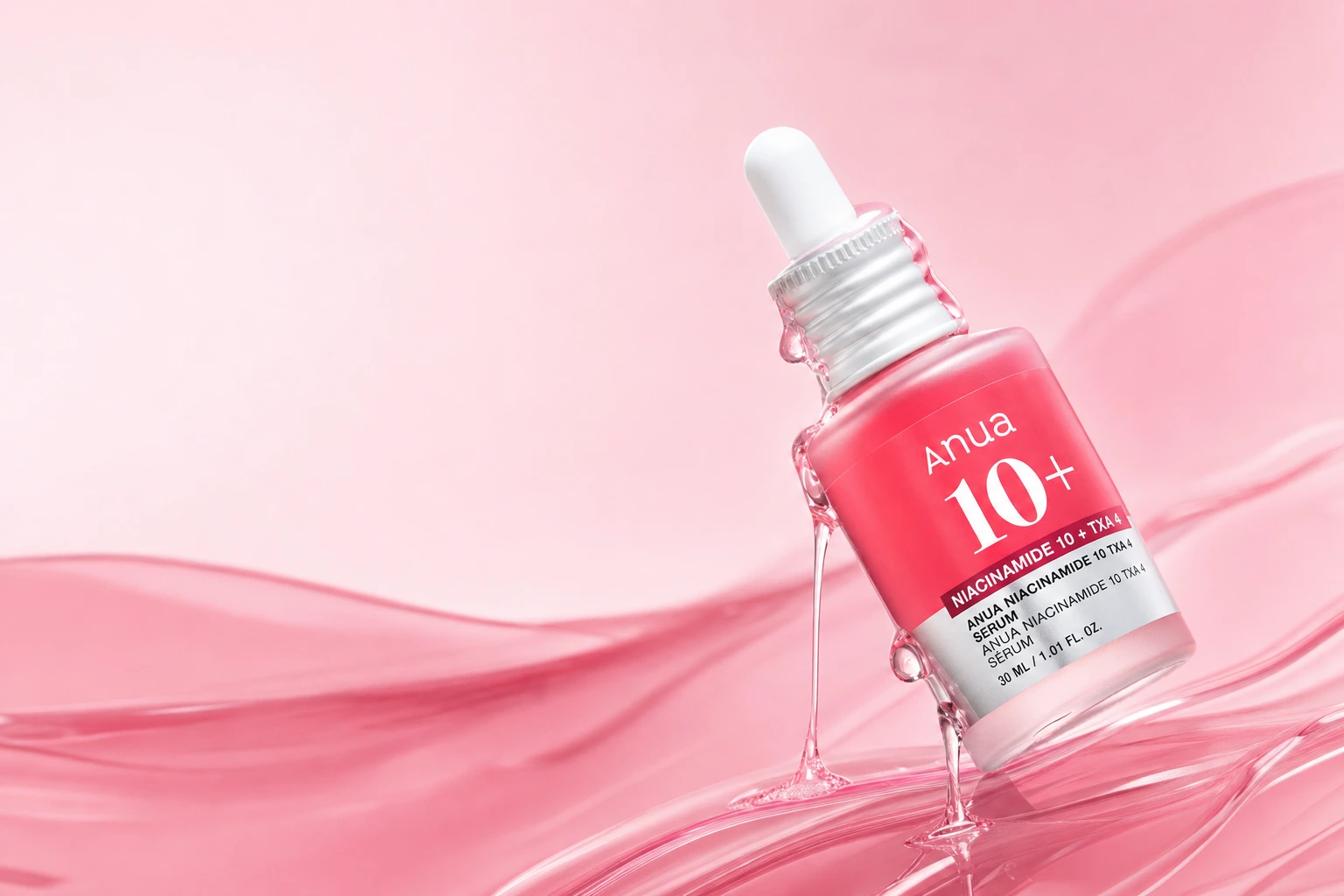
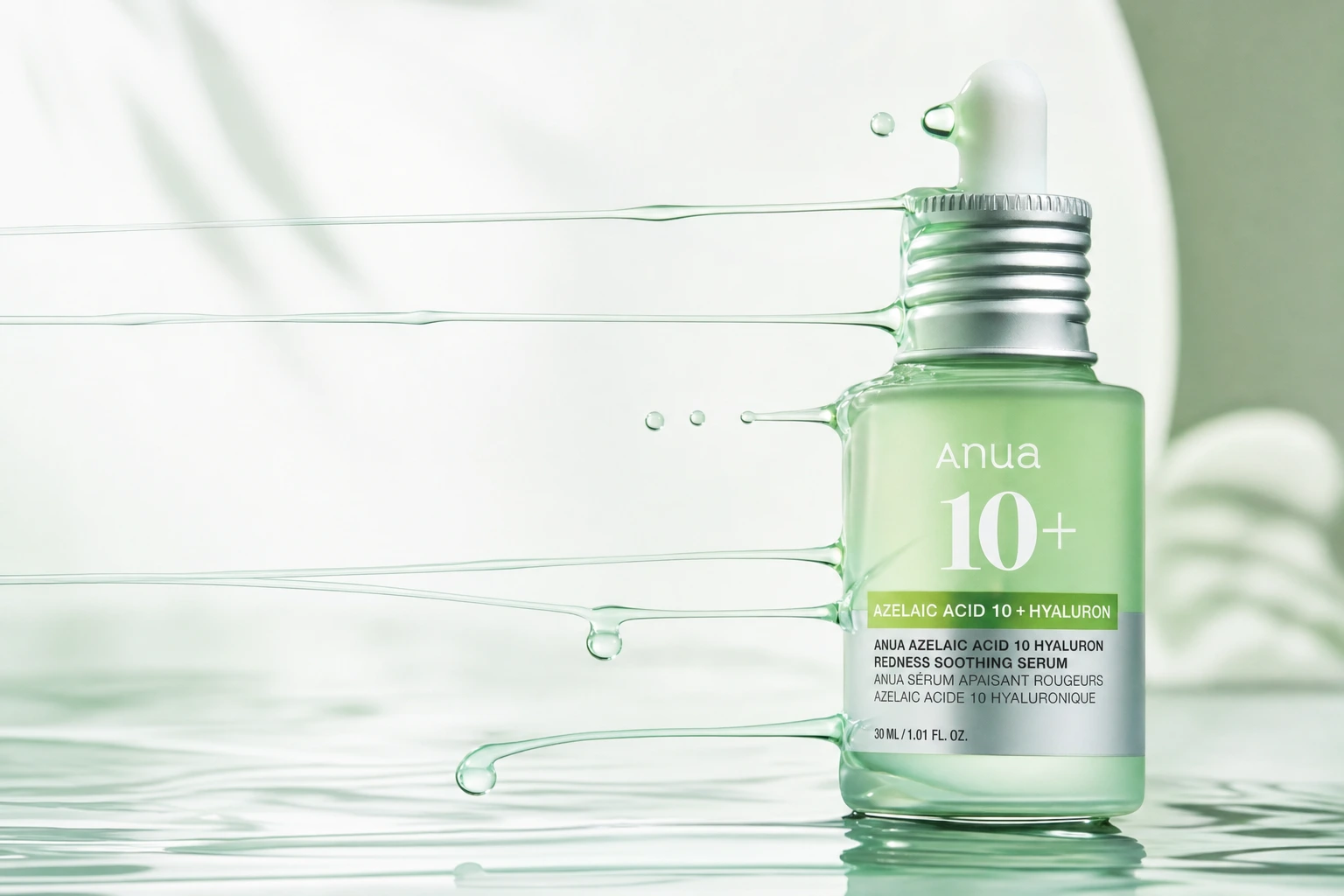
A strong closed comedone skincare routine is built around consistency and low residue. Start with a gentle cleanser, then add one treatment step. For redness, visible congestion, and troubled areas, Anua Azelaic Acid 10 Serum is the most relevant Anua treatment step because it combines azelaic acid with hyaluron in a lightweight serum format.
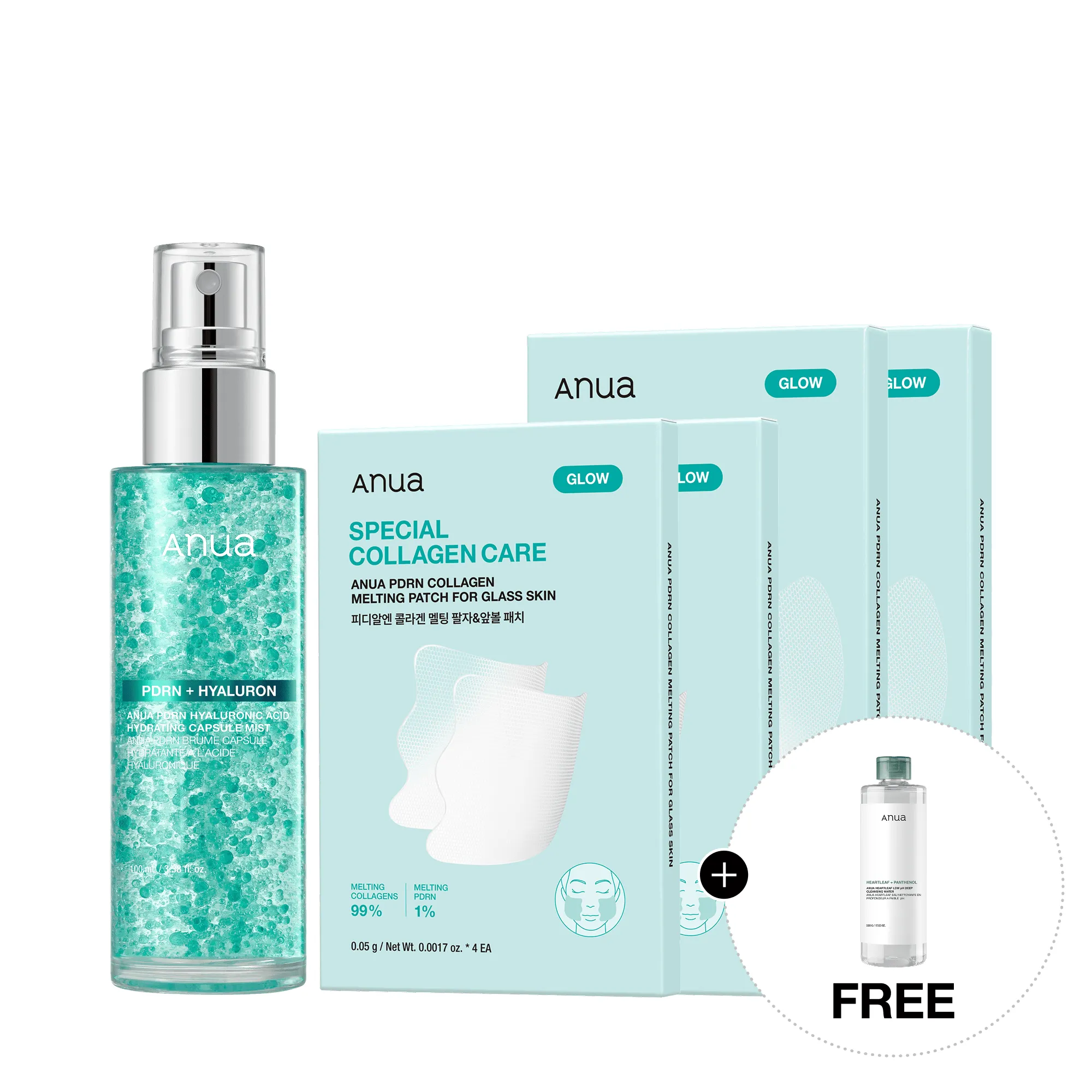
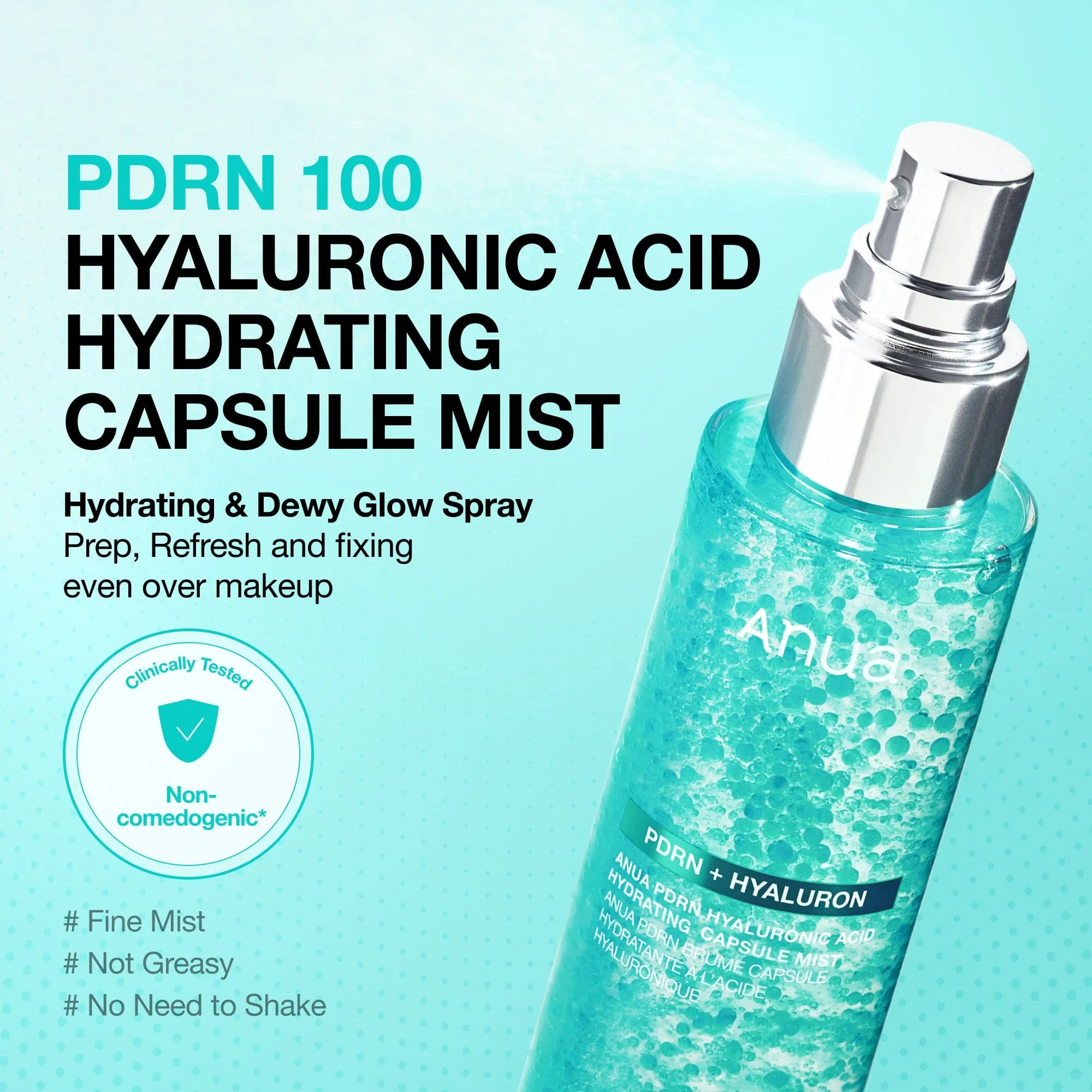
Hydration should support the barrier without turning the routine heavy. PDRN Collagen Glow Facial Serum Spray is formulated as a spray. For many people with closed comedones, a spray or watery layer is easier to manage than several cream-textured serums.
Daily sunscreen is still an important step. Anua Zero-cast Sunscreen provides broad-spectrum SPF 50 protection and is formulated to leave no greasy residue, which makes it a logical sunscreen choice for acne-prone skin that dislikes heavy finishes.
Here is a simple routine builder for clogged-prone skin:
| Time | Step | Product type | Closed comedone note |
|---|---|---|---|
| Morning | Cleanse | Water rinse or gentle water-based cleanser | Avoid stripping if your skin feels tight |
| Morning | Hydrate | PDRN Collagen Glow Facial Serum Spray | Use one light layer instead of multiple essences |
| Morning | Treat | Anua Azelaic Acid 10 Serum | Apply a thin layer to congested or red-prone areas |
| Morning | Protect | Anua Zero-cast Sunscreen | Choose a non-greasy finish that you can wear daily |
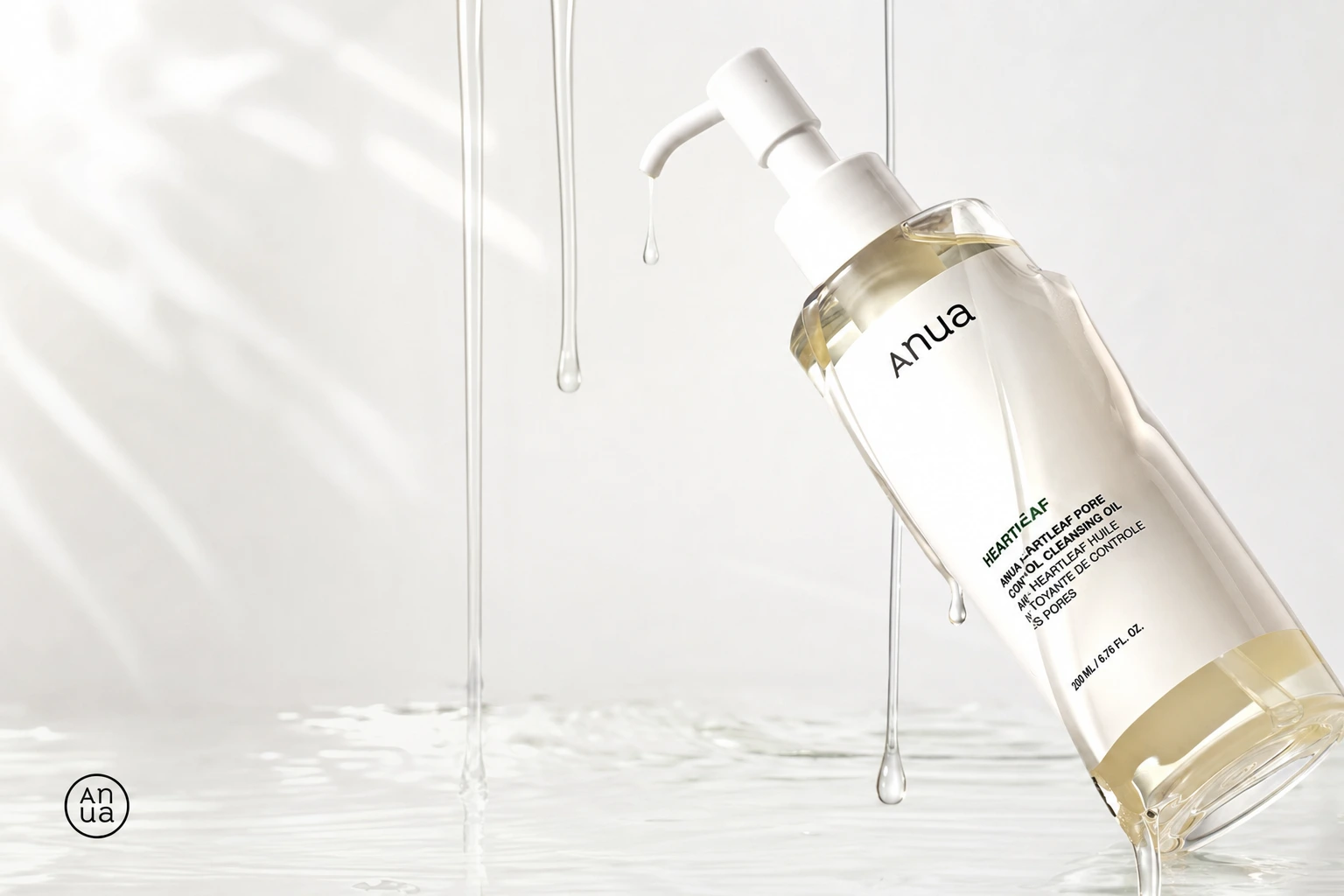
| Evening | Cleanse | Lightweight oil cleanse if wearing sunscreen, then gentle cleanser | Rinse thoroughly so cleanser residue does not linger |
| Evening | Optional exfoliation | Non-comedogenic toner pad two to three times weekly | Skip if bumps increase or skin feels coated |
| Evening | Hydrate | Mist or light cream | Stop before the skin feels sealed under a film |
| Evening | Spot treat | Anua Azelaic Acid 10 Serum | Use consistently rather than adding several new actives |
If you are buying Anua for the first time, use official channels and check packaging carefully. The fake Anua product guide shows what to verify before applying a new product to breakout-prone skin.
Build a lighter routine for clogged-prone skin
Choose breathable Anua products for treatment, hydration, and SPF without adding unnecessary layers to a closed comedone routine.
FAQS