Niacinamide vs Retinol for Anti-Aging and Glow
Niacinamide supports hydration and tone, while retinol targets fine lines over time. Compare benefits, irritation risk, timelines, and Anua picks.
Key takeaways
- Niacinamide is the easier daily choice for glow and hydration, with one study showing hydration gains in three weeks.
- Retinol is the stronger long-term choice for fine lines and firmness, but it benefits from dry-skin application.
- Many routines can use both ingredients: niacinamide can be applied before retinol to help manage early dryness and flaking.
Niacinamide is usually the better first pick for radiance and tolerance, while retinol is better for visible aging concerns that need time. If your main goal is dullness, uneven tone, or oil balance, start with niacinamide. If your main goal is fine lines, rough texture, or firmer-looking skin, build a careful retinol routine.
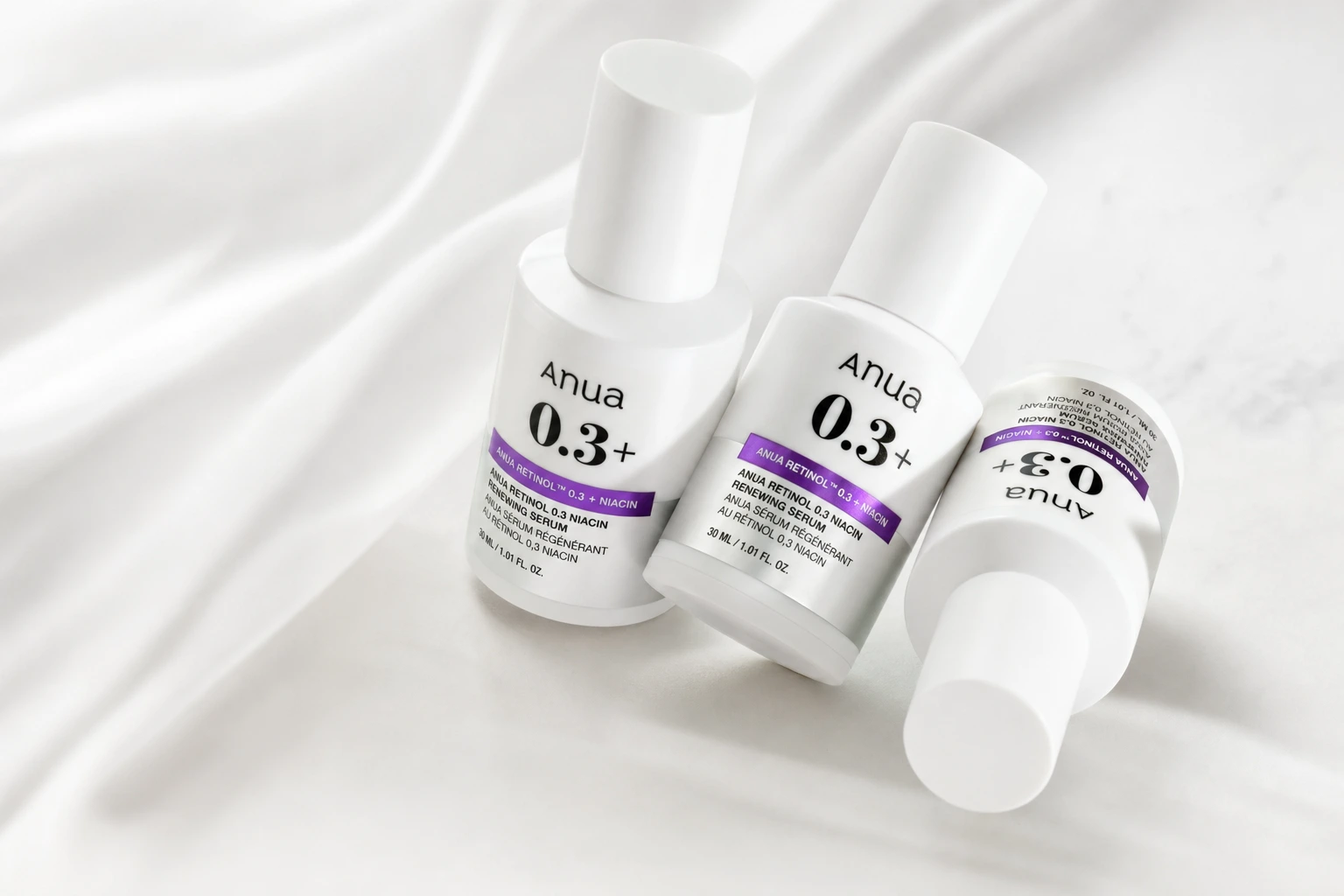
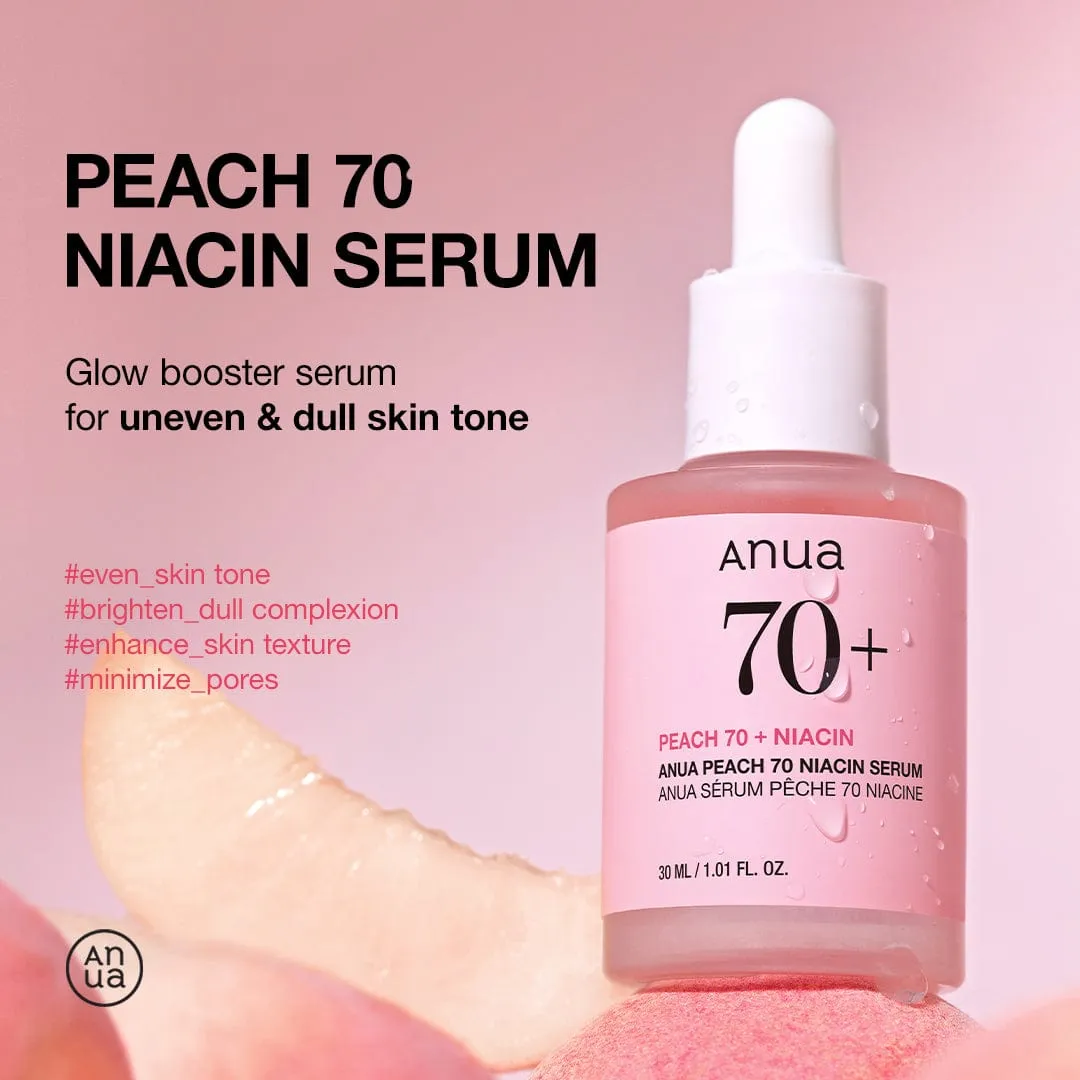
For Anua shoppers, the practical choice is simple: Peach 70% Niacinamide Serum fits a brightening and glass-skin routine, while Nano Retinol™ 0.3% + Niacin Renewing Serum fits a nighttime age-defying routine. If your skin is easily irritated, pair any active routine with a gentle cleanser, such as the approach explained in Daily Face Wash for Easily Irritated Skin.
The Anti-Aging Power of Retinol
Retinol is the stronger choice for fine lines and firmness over a consistent routine.
Retinol is used in skincare to improve the look of fine lines, with visible improvements typically appearing after 8 to 12 weeks of consistent use (Remedy's Nutrition, 2026).
That timeline matters because many people quit retinol too early. The visible payoff comes later, after the skin has adjusted to regular use.
Formulation also changes the experience. Encapsulated and nano retinol formats can reduce irritation compared with older cream formats, with reported irritation reductions of up to 50% (Remedy's Nutrition, 2026). The same source notes that encapsulated retinol in the 0.025% to 0.05% range may deliver age-related benefits with less irritation than standard formats (Remedy's Nutrition, 2026).
For safety context, the European Union has capped over-the-counter facial retinol concentration at 0.3% (European Commission, 2026). That makes concentration a useful screening point, especially for shoppers who want a night serum that feels active but still sits within modern cosmetic limits.
How Niacinamide Restores and Hydrates Skin
Niacinamide is the better daily active for hydration, visible radiance, oil balance, and tone support with low irritation risk.
Niacinamide is a multitasking ingredient that can easily fit into a daily routine.
Niacinamide can improve skin hydration levels from 32.15 to 39.09 in a period of three weeks (MDPI, 2025). In the same study, 81.2% of participants saw reduced discoloration within 21 days of consistent niacinamide use (MDPI, 2025).
Concentration is where many routines get too aggressive. A niacinamide concentration between 2% and 5% is considered ideal for results without risking stinging (Skinatwork). Higher percentages are not automatically better if your skin barrier is already stressed.
For stubborn dark spots, niacinamide may work better as part of a targeted tone routine rather than as a single-active solution. Practitioner notes in the research report suggest that 10% niacinamide combined with 4% tranexamic acid can be more effective for dark spots than niacinamide alone (Gloarabia, 2026).
Can You Use Niacinamide and Retinol Together?
Niacinamide and retinol can share a routine, but niacinamide does not automatically erase retinol redness for every user.
Yes, many people can use both ingredients. The better question is how to place them. A simple approach is niacinamide in the morning and retinol at night. If your skin is already used to both, you can also use niacinamide before retinol in an evening routine.
The limit is worth stating clearly. A study published in the Journal of Cosmetic Dermatology in 2024 found that 3% niacinamide did not significantly reduce acute retinol-induced redness in short-term tests (Journal of Cosmetic Dermatology, 2024). That means niacinamide should not be treated as a guaranteed redness shield.
There is still a practical reason to pair them. Applying a niacinamide product with a concentration of 4% to 5% approximately 20 minutes before retinol can help mitigate initial dryness and flaking (Remedy's Nutrition, 2026).
Use this decision rule:
- Choose niacinamide alone if your skin feels tight, looks dull, or reacts easily to new products.
- Choose retinol alone if your skin already tolerates actives and your main concern is fine lines or texture.
- Use both if you want glow support in the daytime and a firmer-looking skin routine at night.
- Pause retinol and simplify the routine if burning, persistent redness, or peeling develops.
Best Practices for Application and Managing Irritation
Retinol works best on fully dry skin, introduced so the skin can pass through its adjustment phase with less avoidable irritation.
The most common retinol mistake is applying it too quickly after cleansing. Applying retinol to damp skin can increase penetration and raise irritation risk (Remedy's Nutrition, 2026). Dermatological protocols recommend waiting at least 20 minutes after cleansing before applying retinol (Remedy's Nutrition, 2026).
The early adjustment period is called retinization. It commonly lasts 2 to 6 weeks while the skin adapts (Remedy's Nutrition, 2026).
- Cleanse with a gentle face wash and rinse well.
- Wait at least 20 minutes so the skin is fully dry.
- Apply your retinol product.
- Monitor skin during the 2 to 6 week retinization period, reducing frequency if redness or flaking becomes uncomfortable.
For flaking that comes from over-exfoliation rather than retinol, compare gentler options in Glow Pad vs Peeling Gel for Flaky Sensitive Skin. Keeping exfoliation separate from retinol nights is often the cleaner starting point for reactive skin.
Which Anua Serum Should You Choose?
Choose the peach niacinamide serum for glow and the nano retinol serum for firmer-looking skin and fine-line care.
Anua has two relevant serum paths for this comparison. Peach 70% Niacinamide Serum is the better fit when the goal is radiance, uneven-looking tone, and a glass-skin finish. Nano Retinol™ 0.3% + Niacin Renewing Serum is the better fit when the goal is firmer-looking skin and smoother-looking fine lines.
| Decision point | Peach 70% Niacinamide Serum | Nano Retinol™ 0.3% + Niacin Renewing Serum |
|---|---|---|
| Main goal | Radiance, glow, uneven-looking tone | Firmer-looking skin, fine-line care, smoother texture |
| Ingredient focus | Peach and niacinamide | Nano retinol, niacinamide, and peptides |
| Routine placement | Morning or evening | Evening |
| Tolerance profile | Easier starting point for most routines | Needs gradual use and dry-skin application |
| Current price | USD 22 | USD 25 |
If you are choosing one, match the active to the job. Pick Peach 70% Niacinamide Serum if you want hydration, glow, and tone support with a lower irritation risk.
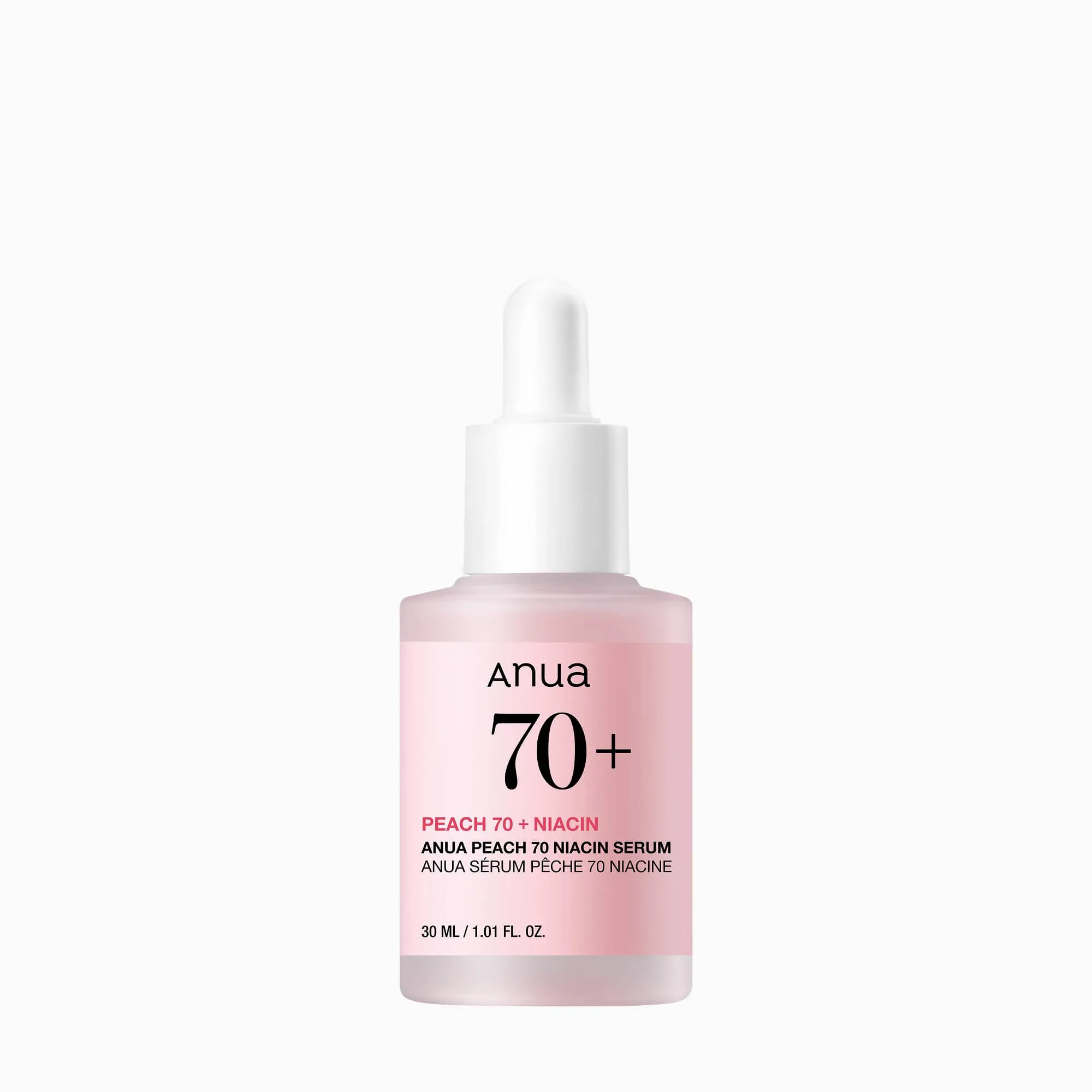
Peach 70% Niacinamide Serum
A glow-focused serum for uneven-looking tone, dullness, and a glass-skin routine.
Pick Nano Retinol™ 0.3% + Niacin Renewing Serum if you want a nighttime serum for firmer-looking skin and visible fine-line care.
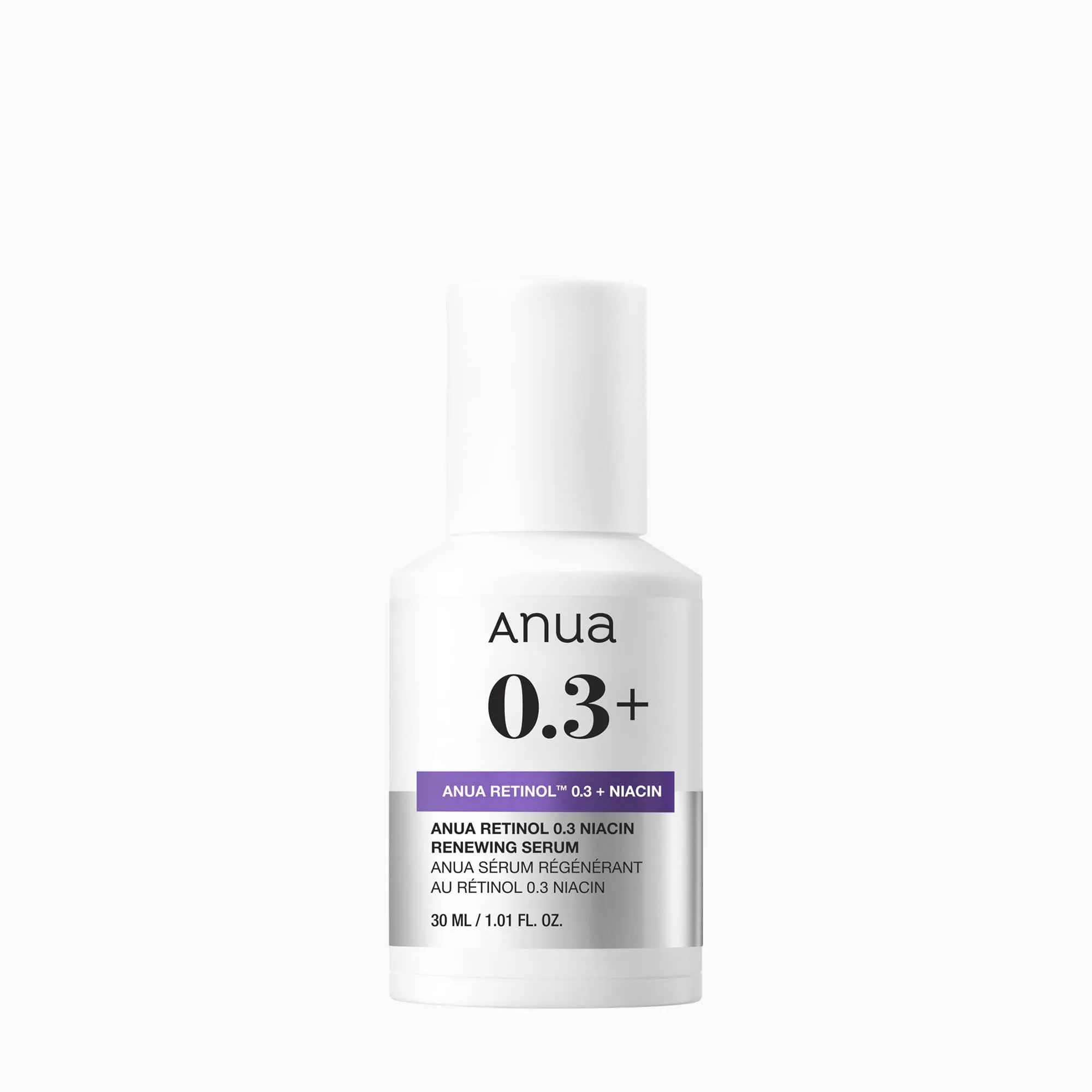
Nano Retinol™ 0.3% + Niacin Renewing Serum
A nighttime age-defying serum with retinol, niacinamide, and peptides for smoother-looking skin.
If you want both, keep the routine simple: Peach 70% Niacinamide Serum in the morning, Nano Retinol™ 0.3% + Niacin Renewing Serum at night, moisturizer after retinol, and sunscreen every morning.
Build a routine around the active your skin needs
Choose glow support, fine-line care, or both with Anua serums designed for clear skin goals and daily routines.
FAQS