Topical PDRN vs Injections: Skin Results Compared
Topical PDRN is used for daily revitalization, while injections are professional treatments that require clinical consultation.
What is PDRN in skincare?
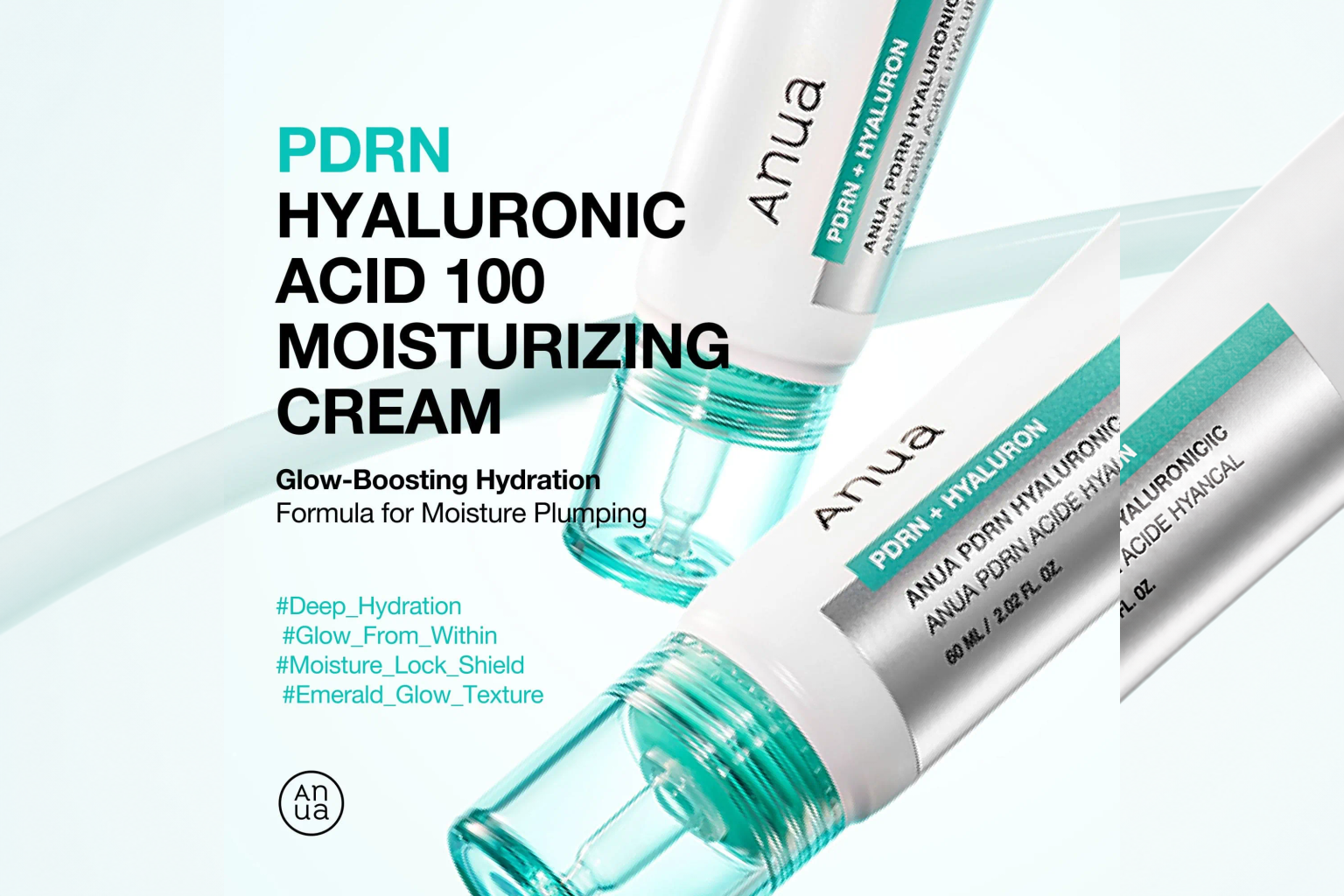
PDRN is a salmon DNA-derived skin care ingredient studied for repair signaling, collagen support, and inflammation control.
Polydeoxyribonucleotide, shortened to PDRN, is a DNA fragment derived from salmon sperm. In cosmetic skin care, the appeal is not volume filling. The interest is repair signaling, barrier support, and a smoother look over repeated use.
A 2025 review described two different cellular effects. PDRN can activate the ERK signaling pathway in fibroblasts, which is associated with collagen production, while inhibiting the same pathway in keratinocytes to help reduce inflammation (ResearchGate, 2025).
That dual behavior explains why PDRN appears in both clinical aesthetics and topical Korean skin care. Injections are used in offices where a professional places the material into the skin. Topical formulas stay in the daily routine lane, where texture, hydration, and barrier comfort matter more than dramatic structural change.
PDRN is also different from long-chain polynucleotide fillers. PDRN is commonly discussed for repair and skin quality, while polynucleotide fillers are used more for structural volume and broader remodeling goals. The two ingredient families may sound similar, but the treatment expectation is not the same.
How do topical PDRN and injections differ for skin?
Topical PDRN is used for surface-level support, while injections are used for improvements in skin elasticity.
The most practical difference is the method of application. Topical PDRN is applied to the skin surface. In contrast, injections involve different delivery protocols and cost structures.
| Comparison point | Topical PDRN | PDRN injections |
|---|---|---|
| Main use case | Surface-level support | Targeted skin treatment |
| Delivery | Topical application | Clinical injection |
| Target | Surface-level support | Targeted elasticity goals |
| Cost pattern | Product pricing | Service pricing |
| Downtime | Typically none | Procedure-dependent |
| Routine fit | Topical application | Assessment required |
| Best starting point | Support goals | Assessment |
Topical PDRN is effective compared with injections only when the goal is realistic. If the question is “Can topical PDRN replace an in-office injectable procedure?”, the answer is no. If the question is “Can topical PDRN be worth using for daily skin quality?”, the available evidence and product formats support a yes.
The comparison becomes clearer when you match the method to the problem. A person with dull, dehydrated, crepey-feeling skin may prefer a mist or cream because the routine can be repeated daily. A person seeking deeper remodeling around scars or more advanced elasticity loss should speak with a qualified medical provider about procedure-based options.
What should you know about PDRN injections?
PDRN injections involve a delivery method distinct from topical products. While topical applications are applied to the surface, injections are utilized to address specific skin health objectives.
Understanding the process and expectations for injectable PDRN is necessary to determine if this method aligns with individual skin health goals and the steps required for this type of care.
Is topical PDRN effective for topical use?
Topical PDRN is used for skin support. One advantage of topical application is the ability to include it in a skincare routine.
The effectiveness of topical products is often evaluated by changes in skin appearance over time. When selecting a formula, consider how it fits into your existing routine.
What should you not layer with PDRN?
Considerations for routine layering may vary depending on the delivery method. It is important to consider how different delivery methods might interact with other skincare products.
For topical use, monitor how your skin responds when combining PDRN with other ingredients. If irritation occurs or if you are using multiple potent actives, consider seeking guidance to ensure the routine is suitable for your skin type.
How do you layer PDRN with other moisturizers?
Topical PDRN can be incorporated into a nighttime routine to support skin revitalization. Using it at night allows the focus to remain on skin comfort.
When layering PDRN with other products, such as ceramide-based moisturizers, consider the texture of each formula. Ceramides can help provide a barrier-supportive seal, which may be beneficial if the skin feels dry or easily irritated.
If you are using professional PDRN treatments, consult your provider about the best way to incorporate other moisturizers or active ingredients into your routine. This ensures that your care aligns with your professional skin health plan.
What is needle-free PDRN delivery?
Needle-free PDRN delivery uses clinical devices to improve penetration without traditional intradermal injections.
Needle-free delivery sits between home skin care and classic injection treatment. It is not the same as applying a cream at home, because a provider may use devices that alter penetration. It is also not the same as intradermal injection, because it avoids a needle-based placement method.
Skin Spa New York describes needle-free infusion as a PDRN delivery option using electroporation or ultrasound technology (Skin Spa New York, 2026). These methods are designed to help ingredients move beyond what a standard surface application can do.
This category is useful for people who want a professional treatment but are hesitant about injections. The tradeoff is that results, protocols, and claims depend heavily on the device, clinic, treatment plan, and product used. A consultation should clarify whether the service is cosmetic facial care, microneedling-assisted delivery, electroporation, ultrasound infusion, or an injectable procedure.
Needle-free does not automatically mean risk-free. Any treatment that changes skin permeability can make the barrier more reactive for a short period, especially if strong acids, retinoids, fragrance-heavy products, or aggressive exfoliation are used too soon afterward.
Who should avoid PDRN?
People with fish allergies should avoid PDRN products or consult a physician before using topical or clinical forms.
The most direct contraindication comes from the ingredient origin. PDRN is derived from salmon DNA, so individuals with fish allergy should avoid these products or consult a physician before use (Natural Image Skin Center, 2025).
Caution is also reasonable if your skin barrier is actively compromised. Burning, open irritation, recent aggressive exfoliation, and post-procedure redness are reasons to simplify the routine before adding new active skin care. If you are pregnant, breastfeeding, immunocompromised, or under dermatologic treatment, ask a qualified clinician before using procedure-based PDRN.
For topical use, patch testing is a practical first step. Apply a small amount to a low-visibility area, then watch for itching, swelling, persistent redness, or rash. If the product feels comfortable, introduce it slowly before moving to twice-daily use.
Anua’s PDRN options are best understood as cosmetic skin care for hydration, glow, and barrier-friendly routines. They are not medical treatments, and they should not be used as replacements for professional evaluation when the concern is scarring, persistent inflammation, or a diagnosed skin condition.
Explore PDRN for skin support
Consider topical PDRN as part of your skincare routine. Monitor your skin's response when introducing new products.
FAQS