Tranexamic Acid vs Hydroquinone for Post-Acne Marks
Tranexamic acid is often gentler for daily PIH care, while hydroquinone is better reserved for supervised stubborn discoloration.
What are tranexamic acid and hydroquinone?
Hydroquinone has faced increasing regulatory scrutiny in recent years.
Hydroquinone works differently than many brightening alternatives, and its availability is subject to regulatory restrictions. In recent years, FDA-related restrictions have contributed to reduced over-the-counter hydroquinone availability in the United States, according to Salisbury Plastic Surgery.
For post-acne marks, the practical distinction is not simply strength. It is routine fit. TXA is better suited to a steady daily brightening routine, especially when the skin barrier is reactive after breakouts. Hydroquinone sits closer to a treatment decision, especially for deeper, persistent discoloration or cases where pigment is not improving with consistent skincare.
Which works better for fading post-acne marks?
Topical 3-5% tranexamic acid can perform similarly to 3-4% hydroquinone for hyperpigmentation, with a gentler daily-use profile.
A clinical review on tranexamic acid for hyperpigmentation disorders reported that topical 3-5% TXA achieved a 25-30% reduction in Melasma Area and Severity Index scores and showed efficacy comparable to 3-4% hydroquinone (PMC). MASI is a measure used to evaluate the severity of melasma in clinical studies.
For acne-prone skin, the better question is often: which ingredient can be used consistently without triggering more inflammation? New breakouts, redness, stinging, or barrier disruption can create more marks. A product that is slightly slower but easier to tolerate may be the stronger long-term choice.
| Comparison point | Tranexamic acid | Hydroquinone |
|---|---|---|
| Typical role | Support for melasma and hyperpigmentation | Strong depigmenting route for stubborn discoloration |
| Research comparison | 3-5% TXA shown comparable to 3-4% hydroquinone in cited hyperpigmentation review | 3-4% hydroquinone used as the benchmark comparator |
| Routine fit | Can be paired with niacinamide for improved efficacy | Often better managed with professional guidance |
| Skin-of-color consideration | Useful when irritation avoidance is a priority | Irritation can be a concern |
| When to escalate | If marks do not improve after consistent use and sunscreen | If discoloration is persistent, widespread, or recurring |
Which is safer for skin of color and sensitive skin?
Topical 3-5% tranexamic acid has fewer reported adverse reactions, such as erythema, compared to hydroquinone.
Tolerability is a core part of any discoloration plan. In the cited hyperpigmentation review, topical 3-5% TXA demonstrated a more favorable safety profile compared with hydroquinone (PMC).
Because of these differences in safety, hydroquinone is often approached with more caution than alternatives like tranexamic acid.
Clinical reviews support the use of topical TXA for improving the appearance of uneven skin tone.
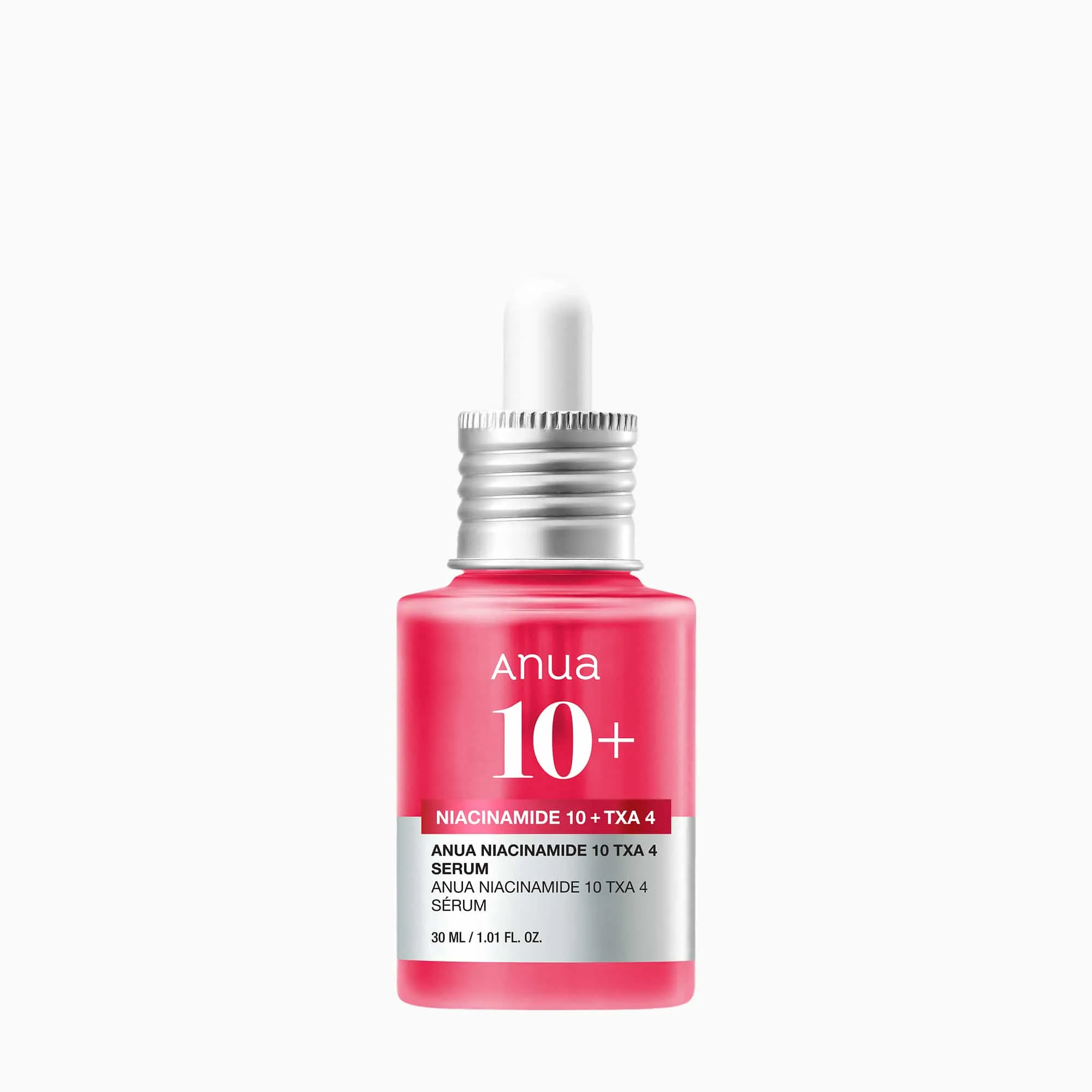
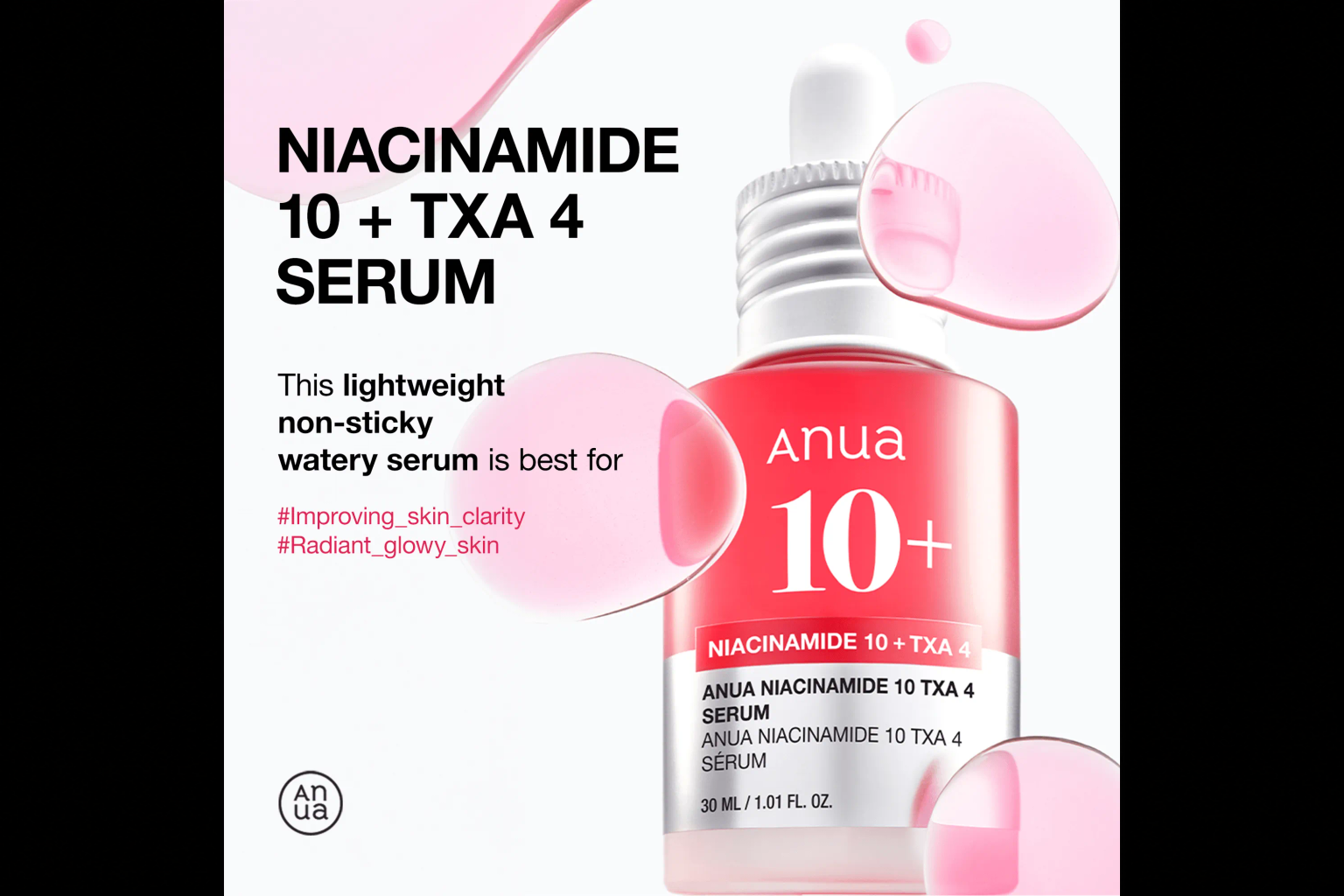
Niacinamide 10 TXA 4 Serum for Brightening and Dark Spots
A serum formulated with 10% Niacinamide and 4% TXA, designed to look more radiant and balanced.
How long does tranexamic acid take to work on PIH?
Tranexamic acid usually needs 8-12 weeks of consistent use before visible changes in hyperpigmentation become easier to judge.
According to research reports, visible results from TXA typically appear between 8 and 12 weeks of consistent use, and about 42% of patients achieve a 25-50% reduction in pigmentation severity within six months (Salisbury Plastic Surgery).
For post-acne marks, judging too early can lead to unnecessary product switching. A practical evaluation window looks like this:
- Use the same TXA serum for at least 8 weeks unless irritation occurs.
- Compare photos taken in the same lighting every 2-4 weeks instead of checking the mirror daily.
- Reassess at 12 weeks if marks are unchanged, spreading, or accompanied by active concerns.
A cosmetic brightening serum may be used by those looking to address the appearance of visible discoloration.
Can azelaic acid, vitamin C, and retinol fit into the same PIH routine?
Azelaic acid is an ingredient used for addressing skin discoloration.
Azelaic acid is often used to address post-inflammatory hyperpigmentation. A review found that 5% tranexamic acid has efficacy comparable to 20% azelaic acid cream for hyperpigmentation, with tranexamic acid demonstrating better safety and tolerability during the first month of treatment (PMC).
If the skin stings or flushes, it is best to separate actives rather than forcing them into the same application window.
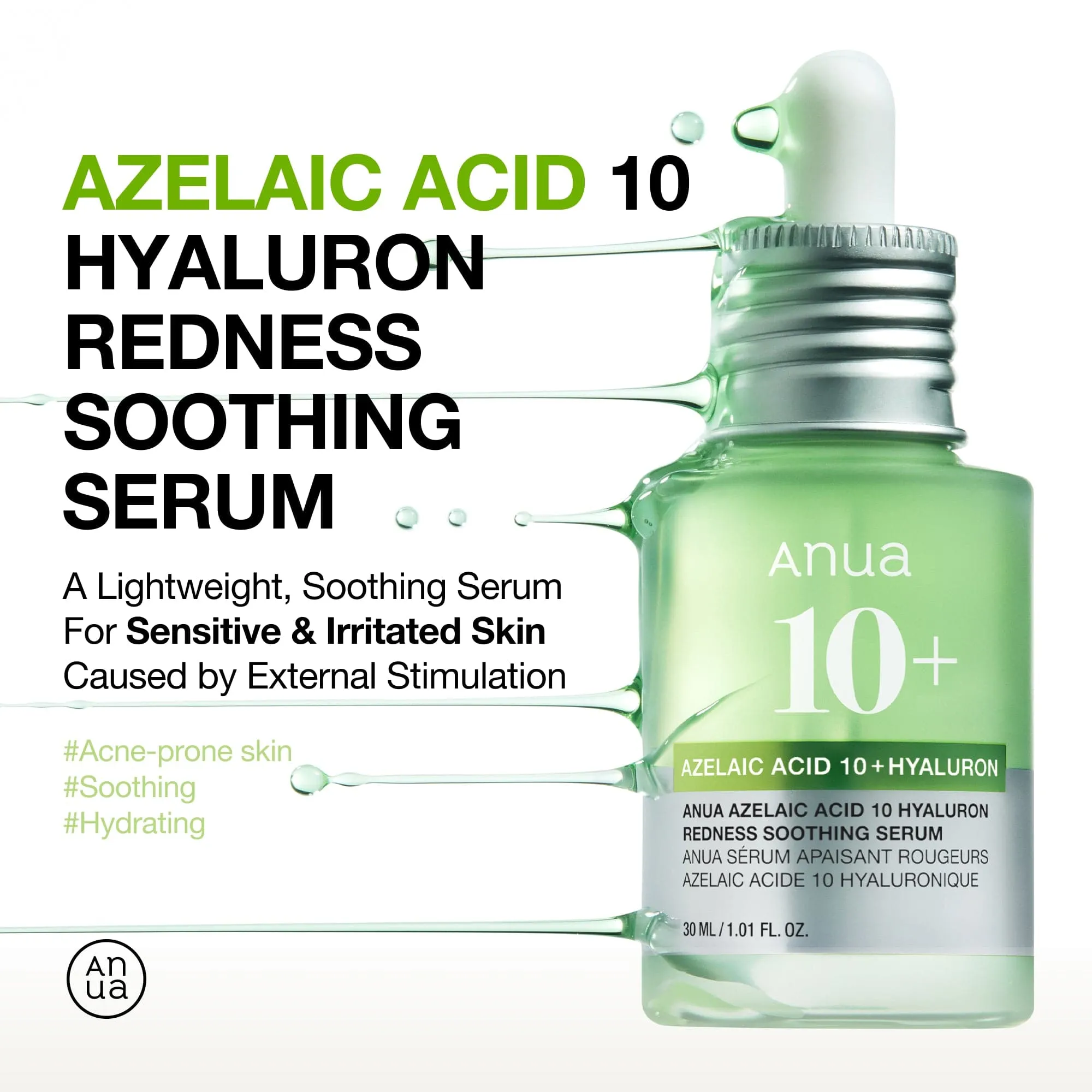
Anua’s option for these concerns is the Azelaic Acid 10 Hyaluron Serum, which is formulated with 10% azelaic acid and hydrating ingredients.
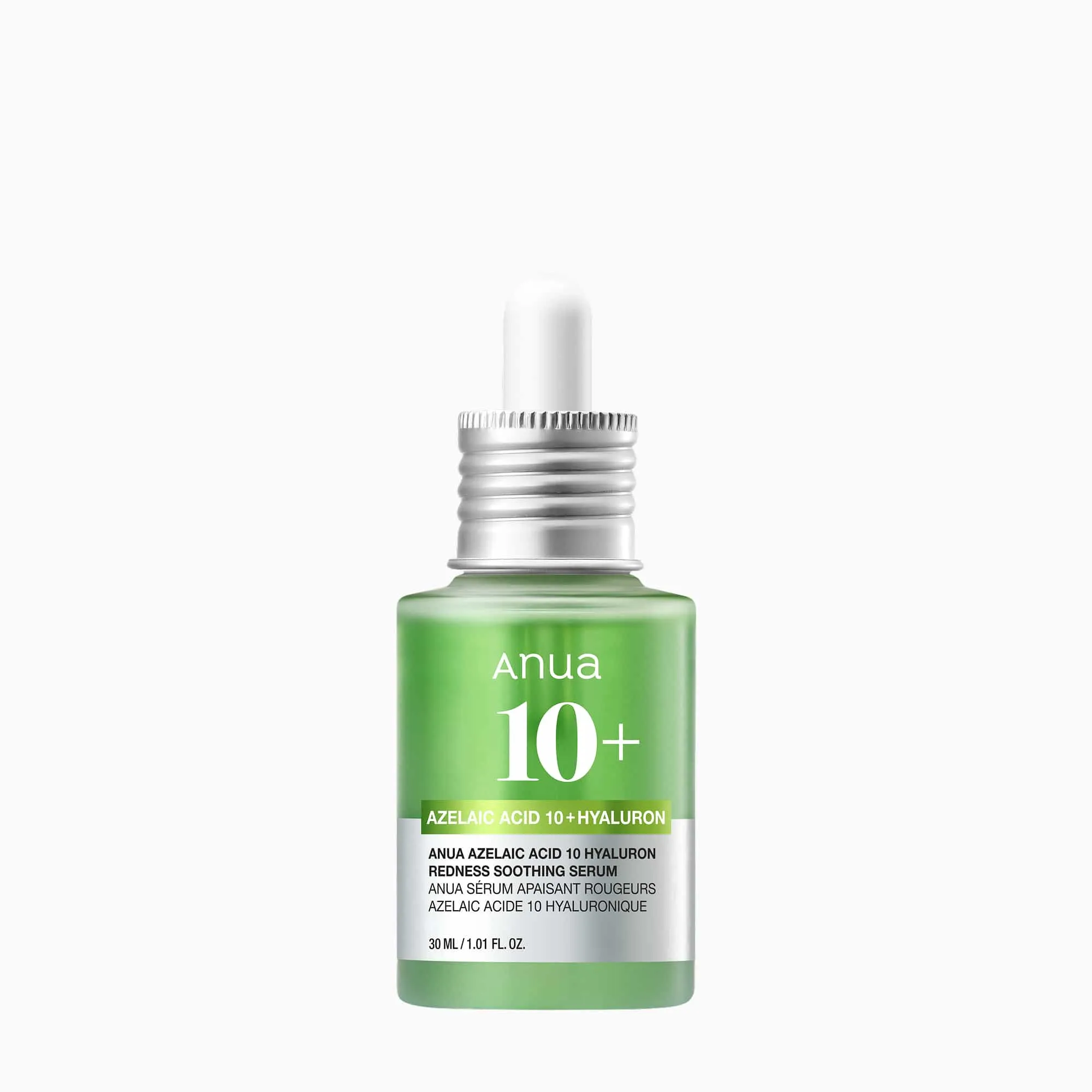
Azelaic Acid 10 Hyaluron Redness Soothing Serum
A lightweight serum formulated with hydrating ingredients, suitable for sensitive skin, designed for troubled areas.
What is the best serum to pair with Haruharu Wonder sunscreen?
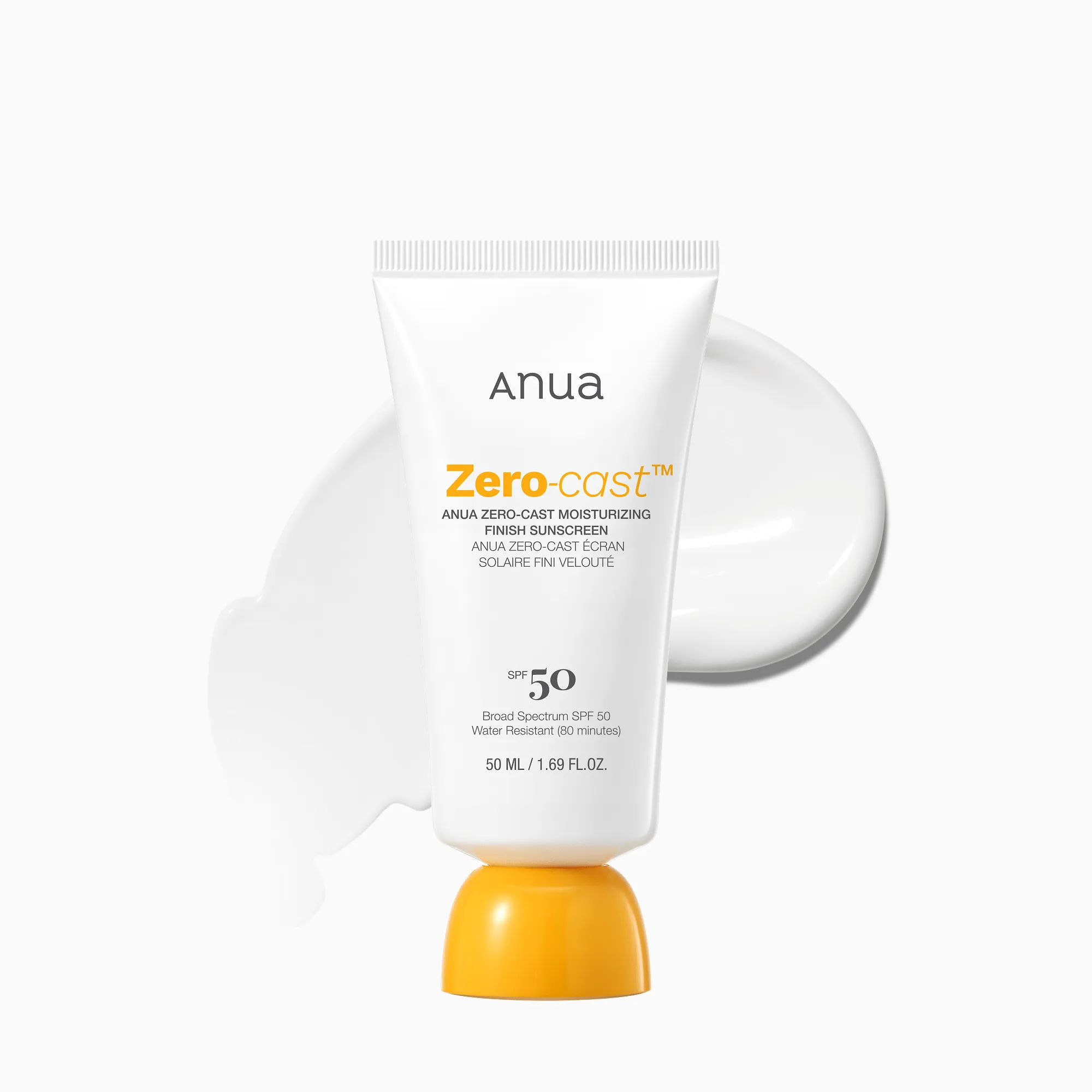
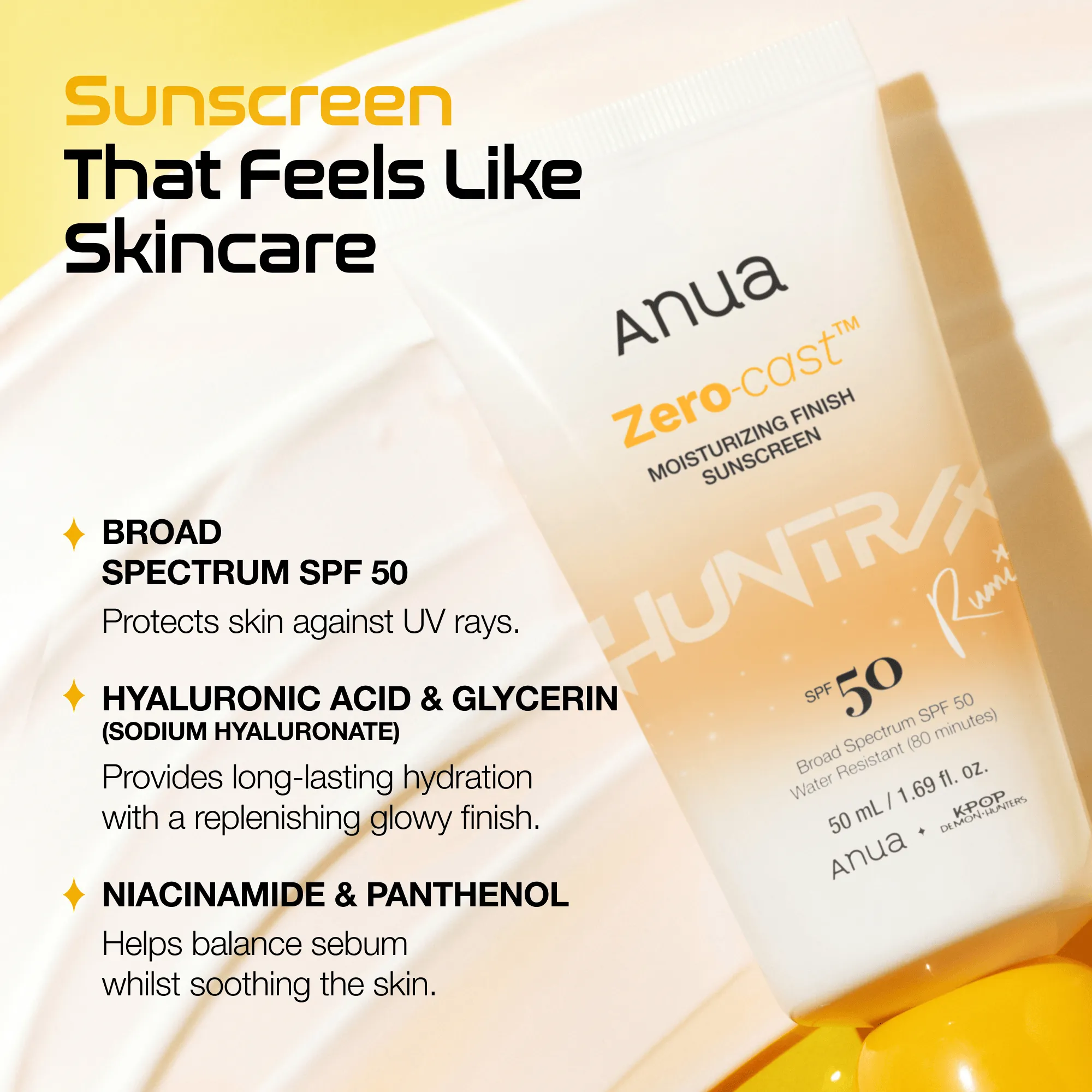
A TXA or niacinamide serum is the better pairing under Haruharu Wonder sunscreen when the morning goal is brighter-looking PIH.
Haruharu Wonder sunscreens are often chosen for moisture-rich daily wear, so the serum underneath should be thin, non-heavy, and easy to layer. A watery TXA and niacinamide serum fits that role better than a thick cream when the goal is post-acne discoloration support without pilling.
For a brightening-focused morning stack, use Niacinamide 10 TXA 4 Serum for Brightening and Dark Spots after cleansing and before moisturizer or sunscreen. Let the serum settle, then apply sunscreen generously. If your marks are paired with troubled areas, alternate with Azelaic Acid 10 Hyaluron Serum on mornings when the skin feels more reactive.
A simple sunscreen pairing routine:
- Morning for brown post-acne marks: cleanse, Niacinamide 10 TXA 4 Serum for Brightening and Dark Spots, moisturizer if needed, sunscreen.
- Morning for troubled areas: cleanse, Azelaic Acid 10 Hyaluron Serum, moisturizer if needed, sunscreen.
- Night for texture and acne marks: gentle cleanse, retinol if tolerated, moisturizer, with azelaic acid on alternate nights if needed.
How do over-the-counter TXA serums compare with alternatives?
Over-the-counter TXA serums differ by concentration, supporting ingredients, price, and whether they target dark spots alone or acne-prone sensitivity.
The current TXA serum market includes a wide range of percentages and price points. NBC News lists Naturium’s 5% tranexamic acid serum at $20.00 and Minimalist’s 3% tranexamic acid serum at $11.99 (NBC News, 2026). Anua sits at USD 24 with a 4% TXA and 10% niacinamide formula, making the distinction less about the highest TXA percentage and more about a multi-ingredient pigment routine.
| Product or active route | Best fit | Key distinction | Price cited in research |
|---|---|---|---|
| Niacinamide 10 TXA 4 Serum for Brightening and Dark Spots | Dark spots, PIH, uneven tone | 10% niacinamide plus 4% TXA | USD 24 |
| Azelaic Acid 10 Hyaluron Serum | Troubled areas, sensitive skin | 10% azelaic acid plus hydrating support | USD 24 |
| Naturium 5% TXA serum | TXA-focused discoloration routine | Higher listed TXA percentage | $20.00 |
| Minimalist 3% TXA serum | Lower-cost TXA routine | Lower listed TXA percentage | $11.99 |
| Hydroquinone | Stubborn discoloration | Stronger depigmenting route, better supervised | Not specified in report |
For many post-acne marks, a daily routine built around TXA, niacinamide, azelaic acid when needed, and sunscreen is a sensible first step. If pigment is severe, sudden, spreading, or unchanged after a consistent trial, professional evaluation is the safer next move.
Build a gentler dark spot routine
Choose a daily serum that fits your main concern: TXA plus niacinamide for visible post-acne marks, or azelaic acid for redness and troubled areas.
FAQS