Post-Acne Brown Marks: Fading Timeline and Routine
Brown acne marks can look softer over time with sunscreen, low-irritation care, niacinamide, and TXA.
Post-inflammatory hyperpigmentation is a brown or black color mark left after acne inflammation, not a textural scar. A useful routine pairs daily sun protection with pigment-focused ingredients such as niacinamide and tranexamic acid, then gives the skin enough consistent time to show a visible change.
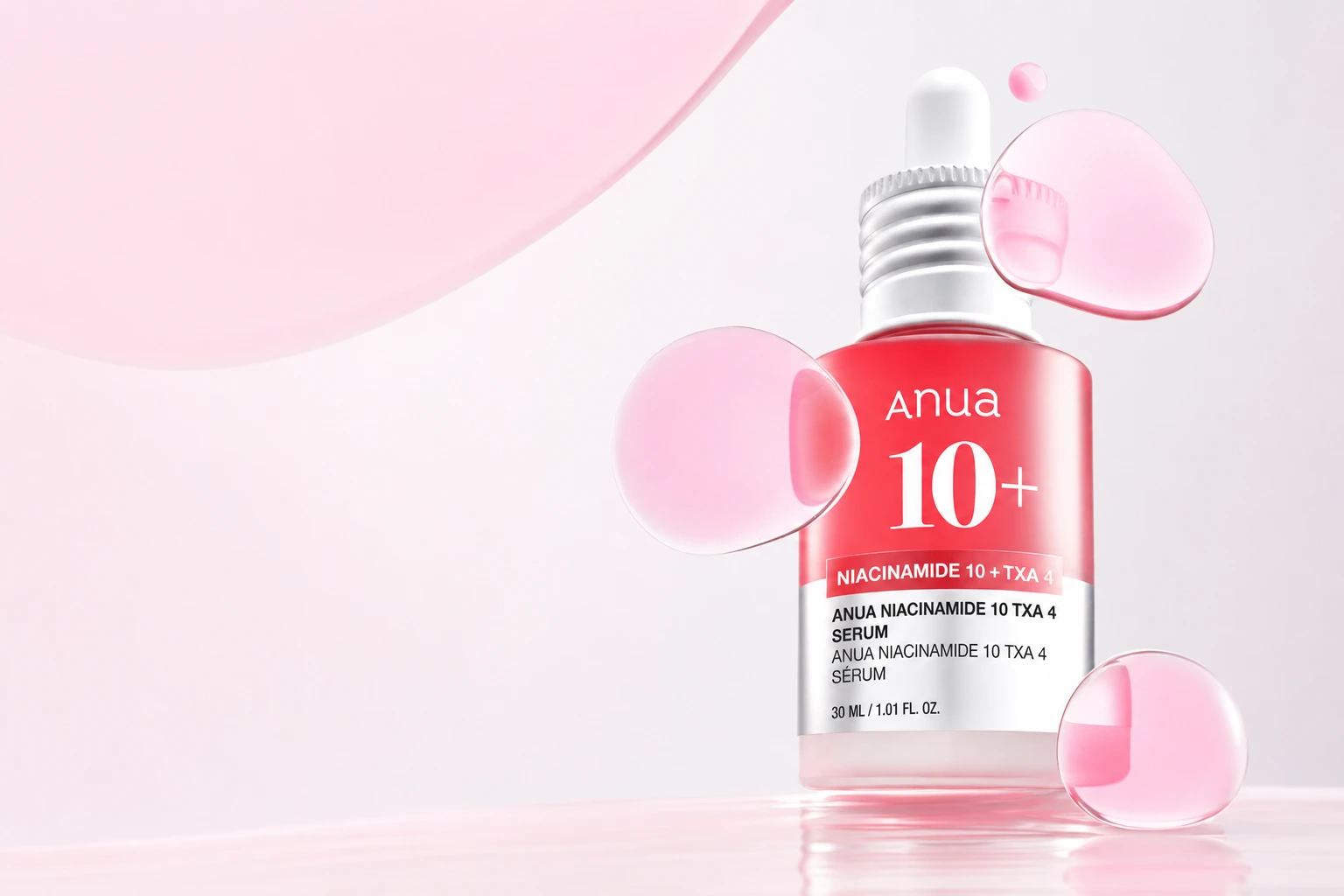
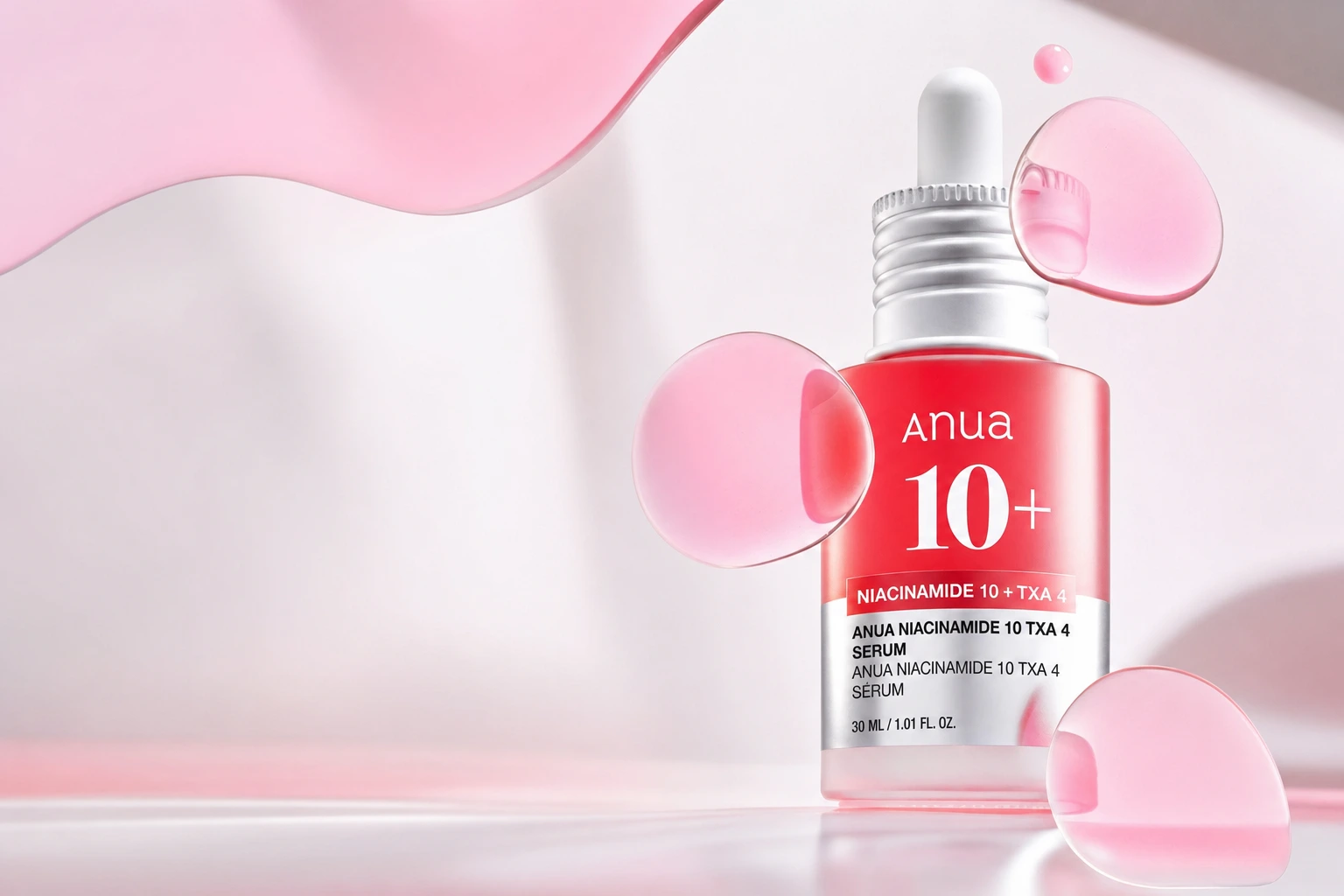
For Anua, the most direct product match is Niacinamide 10 TXA 4 Serum for Brightening and Dark Spots, which combines niacinamide, tranexamic acid, ceramides, and hyaluronic acid to target the look of uneven tone while keeping skin comfortable. If breakouts are still active or clogged pores are part of the same concern, pair this approach with a non-heavy cleansing and moisturizing plan, such as a non-comedogenic routine for closed comedones.
What are post-acne brown marks?
Brown marks on the skin are surface-level discolorations that can change in appearance over time.
Since this cycle takes several weeks, a daily routine is recommended when addressing the appearance of these marks.
How are different post-acne marks addressed?
Different types of post-acne marks call for different routine focuses. Brown marks are usually addressed with brightening care, while reddish marks typically benefit more from soothing barrier support.
| Mark type | Common look | Routine focus |
|---|---|---|
| Brown marks | Dark or brown spots | Brightening care, daily SPF, consistent routine |
| Red marks | Pink or reddish spots | Barrier support, soothing care, sun protection |
| Textured marks | Indented or uneven skin | Professional care, texture-focused treatments |
A quick visual check helps. If the mark looks brown in daylight, a brightening routine may fit. If it looks pink or red, focus on soothing hydration and barrier support.
Niacinamide can be helpful in a routine for both because it supports the skin barrier and can reduce the look of uneven tone. Tranexamic acid is often used when the primary concern is the appearance of brown pigment rather than temporary redness.
How long does it take for brown acne marks to improve?
Addressing brown acne marks is a gradual process that requires daily consistency.
Rather than expecting rapid overnight changes, a multi-week plan allows the skin surface time to update and reveal a more even tone. Initial progress in tone and brightness can typically be evaluated after a few weeks of regular use.
| Timeframe | What to expect | What to do |
|---|---|---|
| Early weeks | Skin may look more hydrated, but old spots may still look similar | Keep the routine low-irritation and use sunscreen every morning |
| Mid-way | Surface discoloration may begin to show initial improvement | Compare photos in the same lighting instead of judging day to day |
| Later weeks | Fading is easier to evaluate with consistent care | Continue if marks are improving, adjust if irritation or new breakouts appear |
Ongoing breakouts can also slow progress because new spots can form as old ones begin to clear. If clogged bumps are still forming, review your cleansing routine first. A simple beginner Korean double cleansing routine can help remove sunscreen and makeup without pushing the routine into harsh scrubbing.
How do niacinamide and tranexamic acid fit into a routine?
Using niacinamide and tranexamic acid together is a common approach in daily skincare.
When applying products containing tranexamic acid, giving the formula sufficient time to absorb can help it sit comfortably on the skin. Proper absorption is helpful when layering multiple steps in a daily routine.
Using a single, well-formulated product simplifies this process by applying both ingredients in one step. For brown marks, a steady and comfortable daily routine is key to supporting a more even-looking skin tone.
Which Anua products fit a brown mark routine?
Anua’s brown mark routine centers on niacinamide and tranexamic acid, with pads, toner, serum, and a duo for different intensity levels.
The most focused single product is Niacinamide 10 TXA 4 Serum for Brightening and Dark Spots. It is built for the look of break out prone marks and uneven tone, with ceramides and hyaluronic acid included for a more comfortable feel.
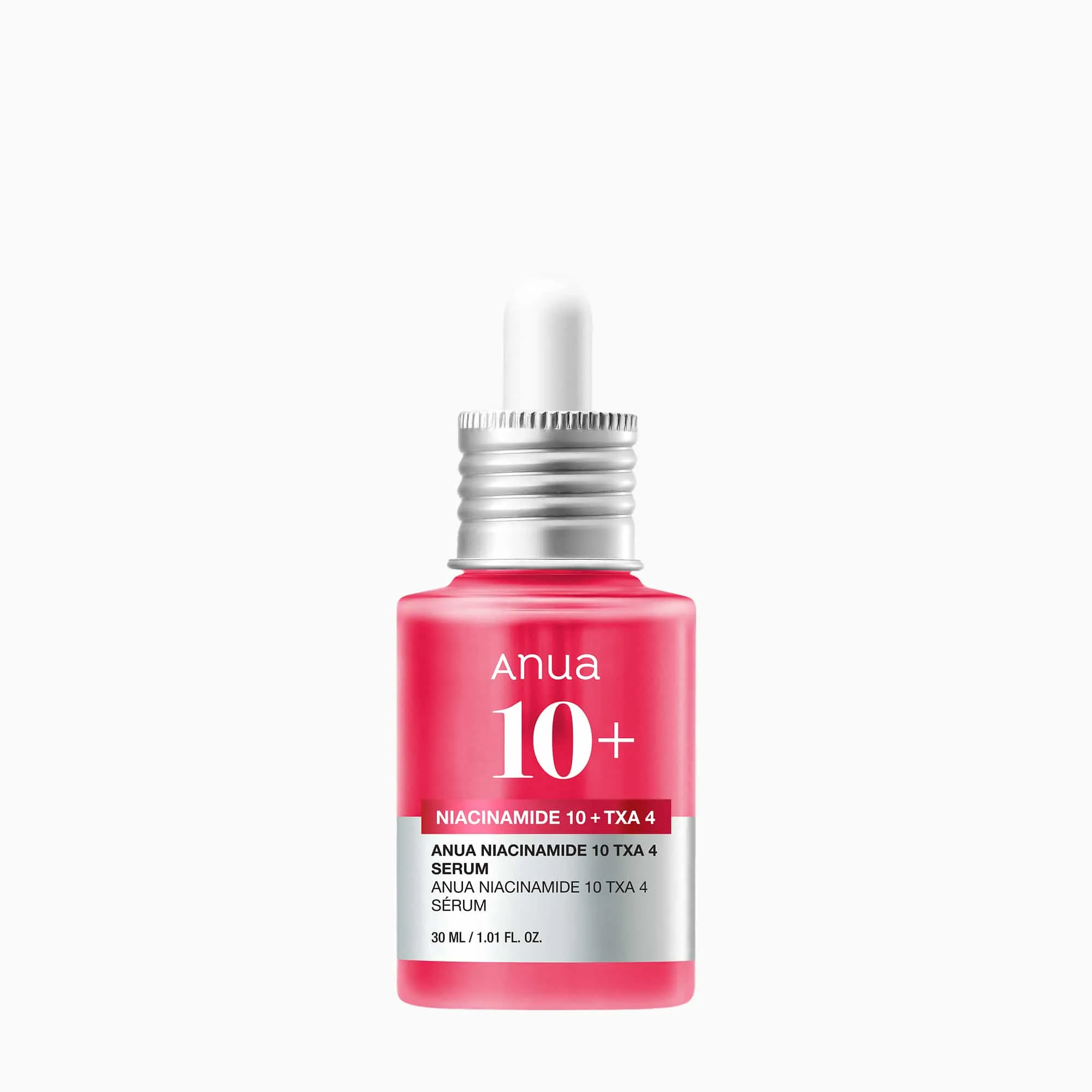
Niacinamide 10 TXA 4 Serum for Brightening and Dark Spots
A pigment-focused serum for the look of post-acne brown marks, uneven tone, and dullness.
If you prefer a prep step before serum, Niacinamide Tranexamic Acid Brightening Booster Toner is the lighter first layer. It is designed to refresh dull-looking skin and prepare the routine from the toner step.
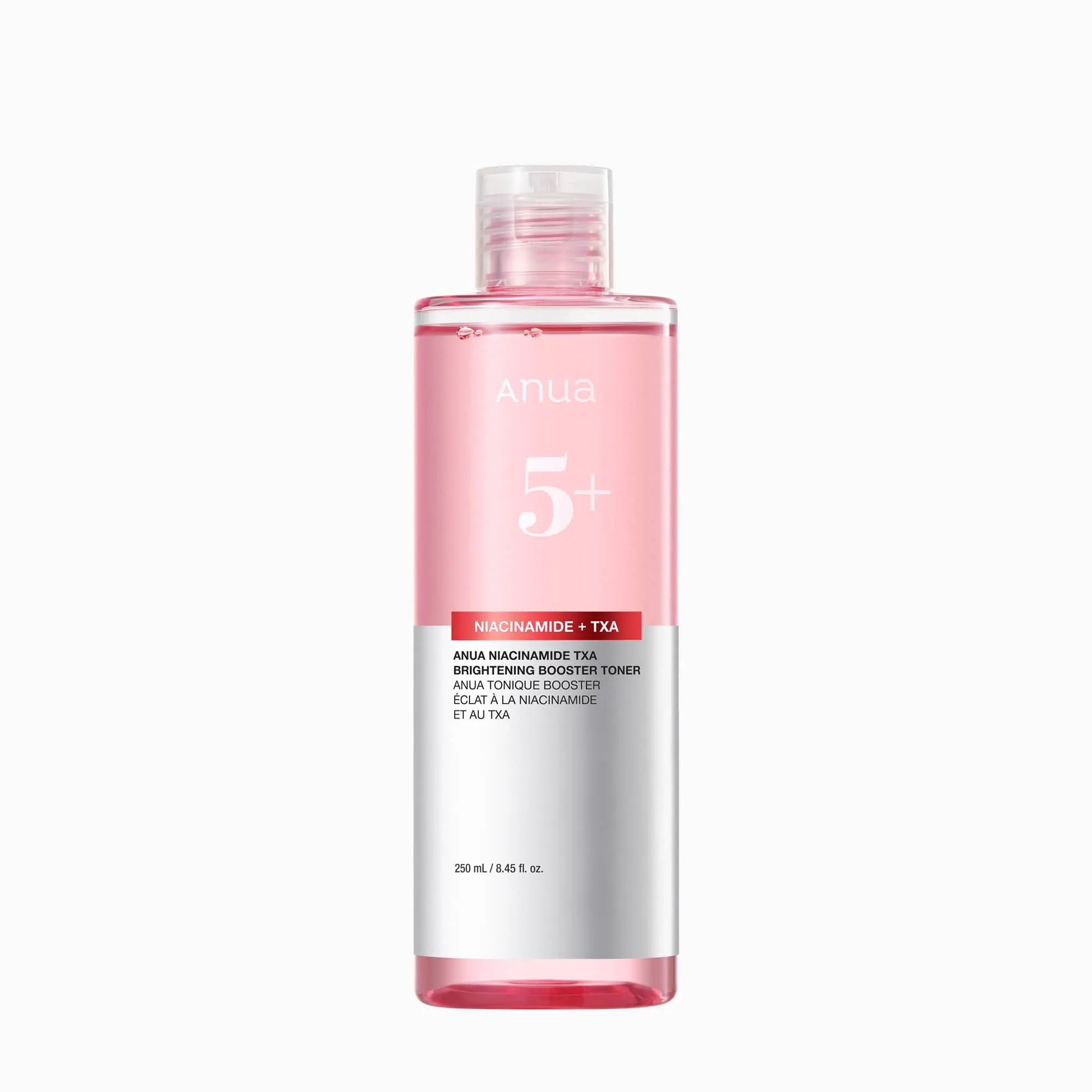
Niacinamide Tranexamic Acid Brightening Booster Toner
A lightweight prep toner for dull-looking skin before targeted serum care.
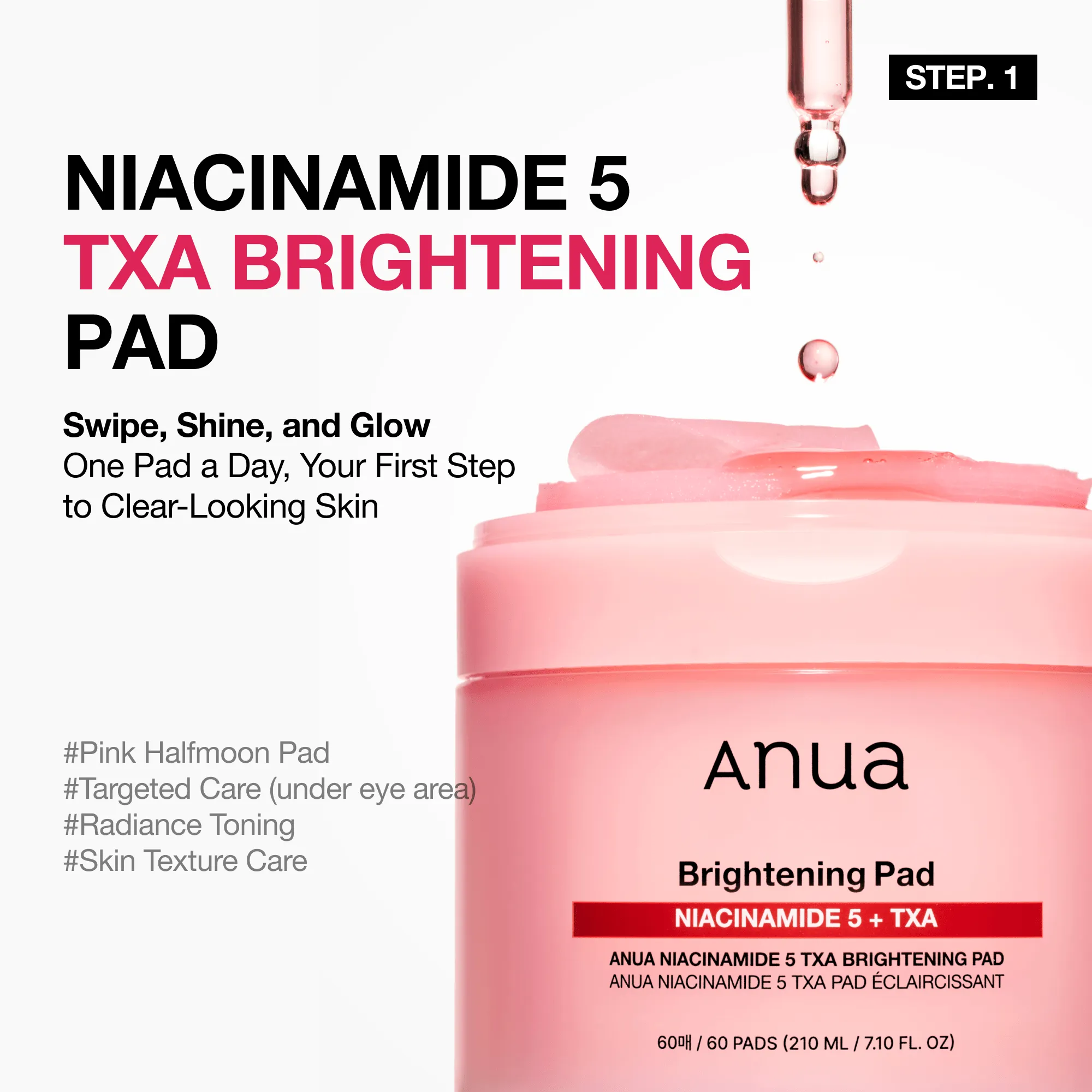
For cheek and under-eye-adjacent discoloration, Niacinamide 5 TXA Brightening Pad gives a lower niacinamide level and targeted pad format for the half-moon zone from under the eyes to the cheeks.
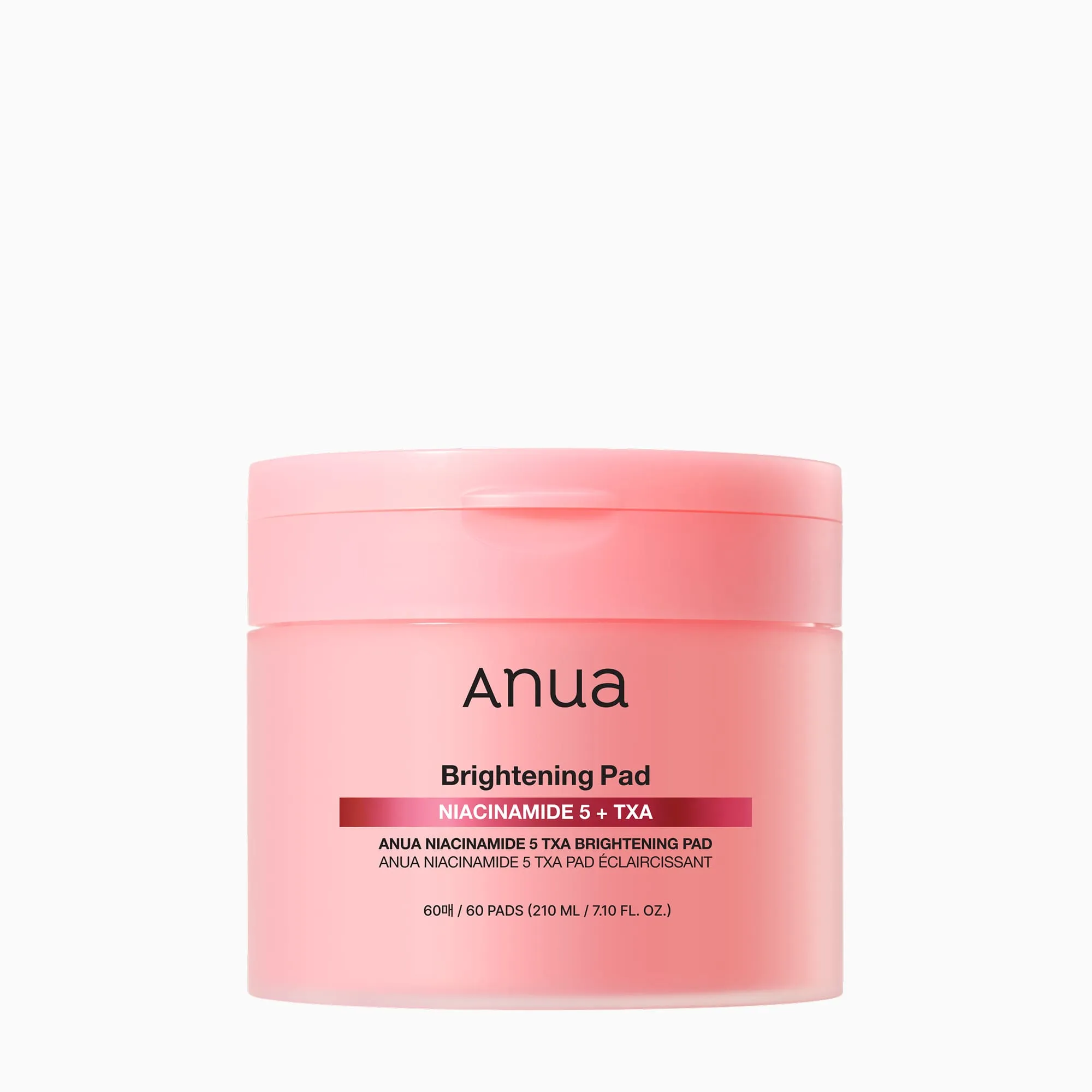
Niacinamide 5 TXA Brightening Pad
A targeted brightening pad for the half-moon zone where dryness and discoloration can show together.
For a paired approach, Dark Spot Prep & Boost Duo combines prep and serum care for a more structured routine.
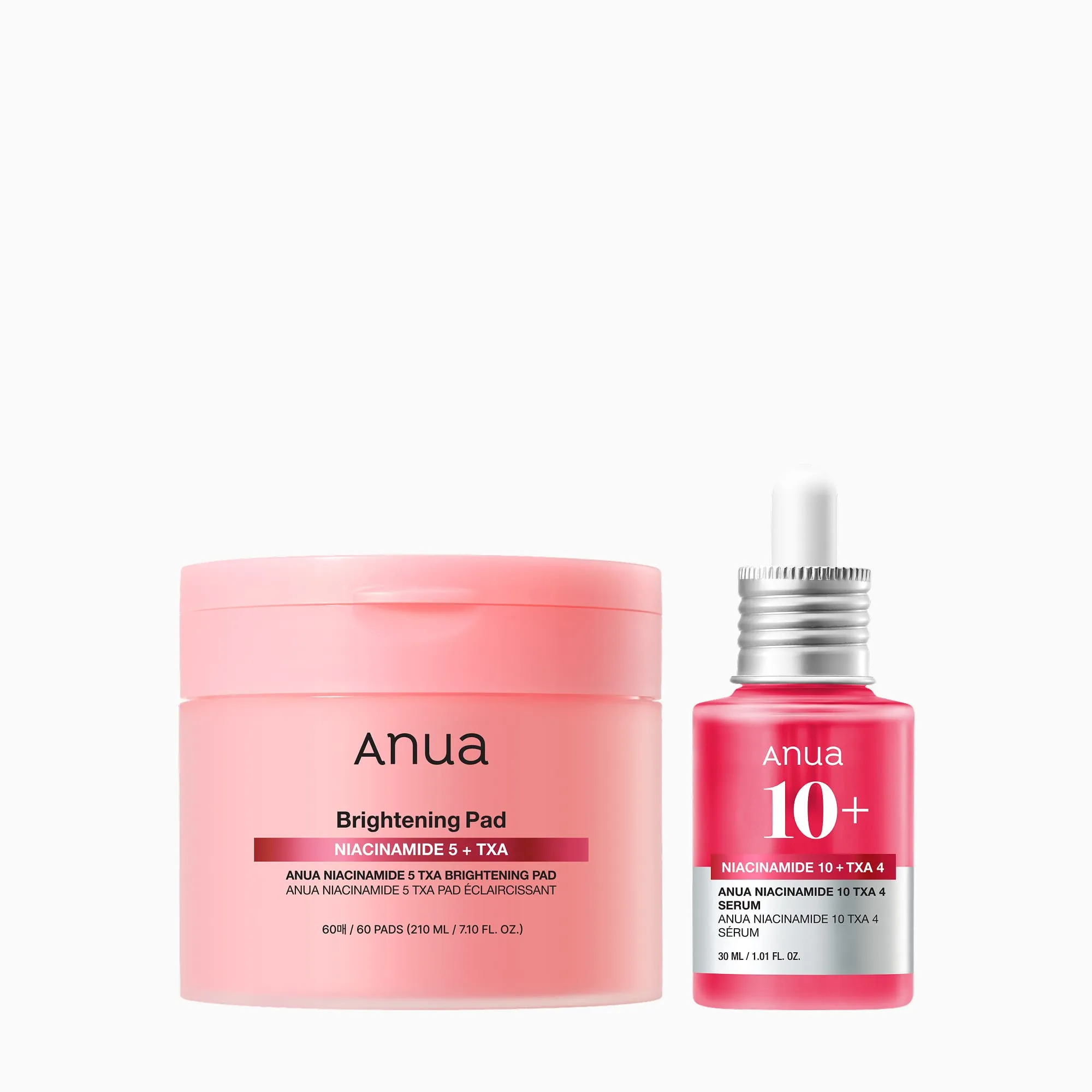
Dark Spot Prep & Boost Duo
A two-step option for regular brightening care and a more balanced-looking complexion over time.
| Routine need | Product fit | Why it fits |
|---|---|---|
| Stubborn-looking brown marks | Niacinamide 10 TXA 4 Serum for Brightening and Dark Spots | Most concentrated pigment-focused Anua option listed here |
| Dullness plus routine prep | Niacinamide Tranexamic Acid Brightening Booster Toner | Lightweight first layer before serum or moisturizer |
| Half-moon zone care | Niacinamide 5 TXA Brightening Pad | Pad format for cheek and under-eye-adjacent areas |
| Simple paired routine | Dark Spot Prep & Boost Duo | Combines prep and targeted brightening steps |
How should you build your dark spot fading routine?
A brown mark fading routine should cleanse gently, apply pigment-focused care, moisturize, and protect with daily sunscreen.
- Cleanse without scrubbing. Use a gentle cleanser at night, especially if you wear sunscreen or makeup.
- Apply a prep layer if you use one. Pat Niacinamide Tranexamic Acid Brightening Booster Toner onto clean skin.
- Target the marks. Apply a thin layer of Niacinamide 10 TXA 4 Serum for Brightening and Dark Spots, focusing on uneven-looking areas rather than over-applying.
- Let the serum settle. Some general guidance suggests letting targeted serums settle before applying heavier moisturizers, although comfort and consistency matter more than a rigid timer.
- Seal with moisturizer. Choose a barrier-supporting moisturizer, especially if your skin is dry or easily irritated.
- Use sunscreen every morning. UV exposure can darken existing pigment and make fading harder to judge.
The routine should feel sustainable. If your skin stings, flakes, or becomes tight, reduce frequency before adding more actives. A calm barrier is part of a fading plan because irritation can trigger more discoloration, especially in skin that is prone to PIH.
Avoid stacking multiple strong exfoliants on the same night as a new brightening serum. If you already use retinoids, acids, or acne treatments, introduce Niacinamide 10 TXA 4 Serum for Brightening and Dark Spots slowly so you can tell whether your skin tolerates the combination.
What results should you track over time?
Track color depth, spot edges, and new breakout frequency because visible improvement is harder to judge if new pigment marks keep replacing old ones.
Track progress periodically by taking photos in the same room, angle, and lighting. Day-to-day mirror checks can make progress look inconsistent because skin redness, dryness, sleep, and lighting all change how pigment appears.
Use three simple markers:
- Color intensity: Does the mark look less brown or less gray-brown?
- Border softness: Are the edges less sharp against surrounding skin?
- New marks: Are fresh breakouts creating new brown spots?
If color looks softer but new marks keep appearing, the brightening step may be helping tone while the breakout-control side of the routine still needs attention. If the color is unchanged after several weeks and sunscreen use has been consistent, the pigment may be deeper, older, or better suited for professional guidance.
Build a routine for the look of brown marks
Choose Anua brightening products with niacinamide and tranexamic acid, then give your skin a consistent multi-week window to show visible change.
FAQS