Post-Acne Brown Marks: How to Soften Hyperpigmentation
Brown post-acne marks are PIH, not red PIE. Use pigment-focused care, daily broad-spectrum sunscreen, and consistency to soften their look.
Post-acne brown marks look softer when your routine does two things at once: slows extra visible pigment activity and protects skin from UV-triggered darkening. The right plan starts by confirming that the mark is brown post-inflammatory hyperpigmentation, not a red vascular mark, then pairing brightening actives with sunscreen and barrier support.
How do you identify post-acne marks: PIH vs. PIE?
Brown or black marks that do not turn white when pressed are usually PIH, while red or pink marks that blanch are usually PIE.
This distinction matters for identifying the mark type:
| Mark type | Common color | Press test | Type |
|---|---|---|---|
| PIH | Brown, black | Usually does not blanch | Hyperpigmentation |
| PIE | Red, pink, purple | Often blanches | Vascular-looking redness |
If you still have active clogged pores or repeated breakouts, pair brightening care with a routine that reduces new congestion.
Which ingredients help soften the look of hyperpigmentation?
Tranexamic acid is commonly used in cosmetic routines for the look of hyperpigmentation, especially when the concern is flat brown discoloration rather than active redness.
Which topical care and serums fit brown post-acne marks?
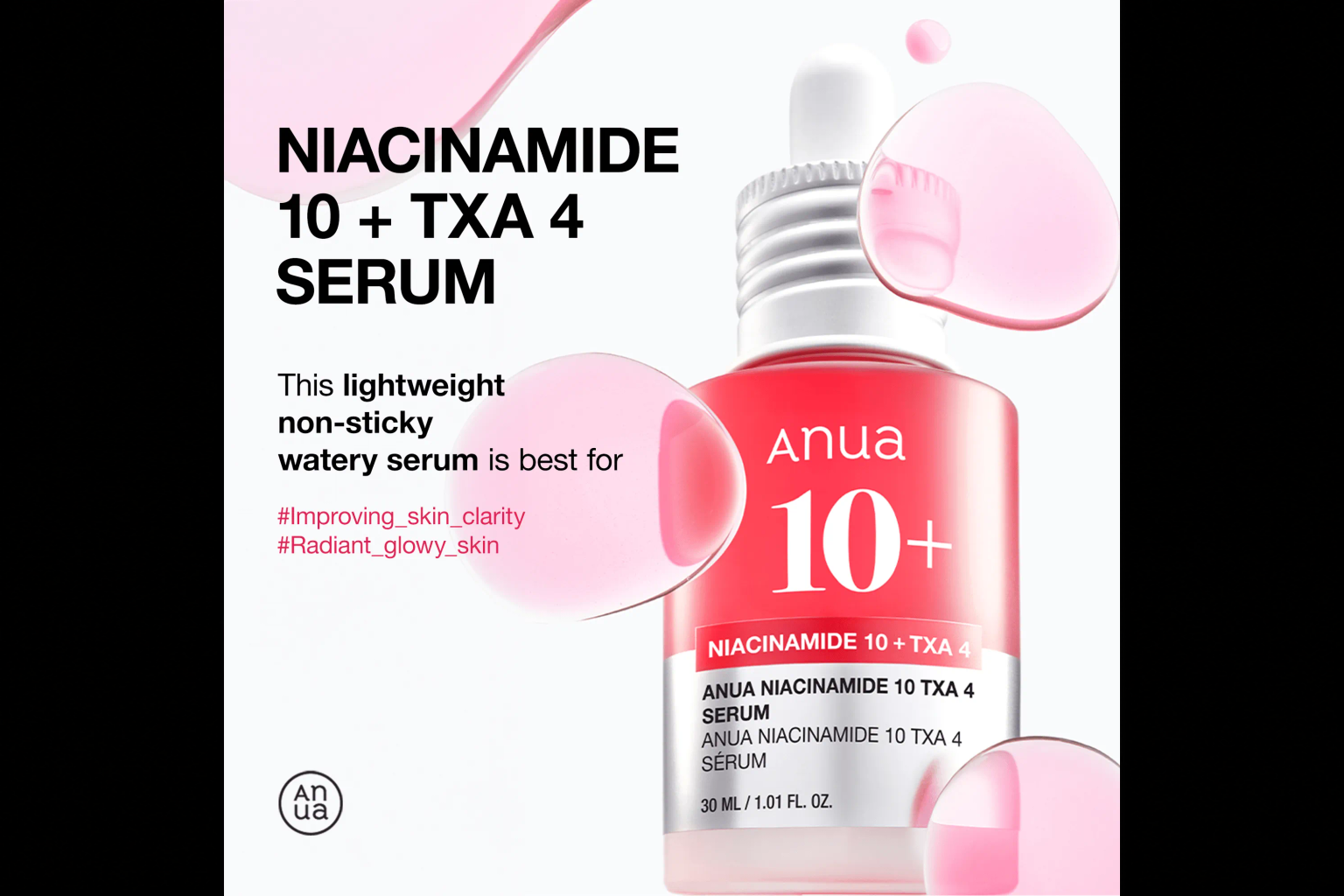
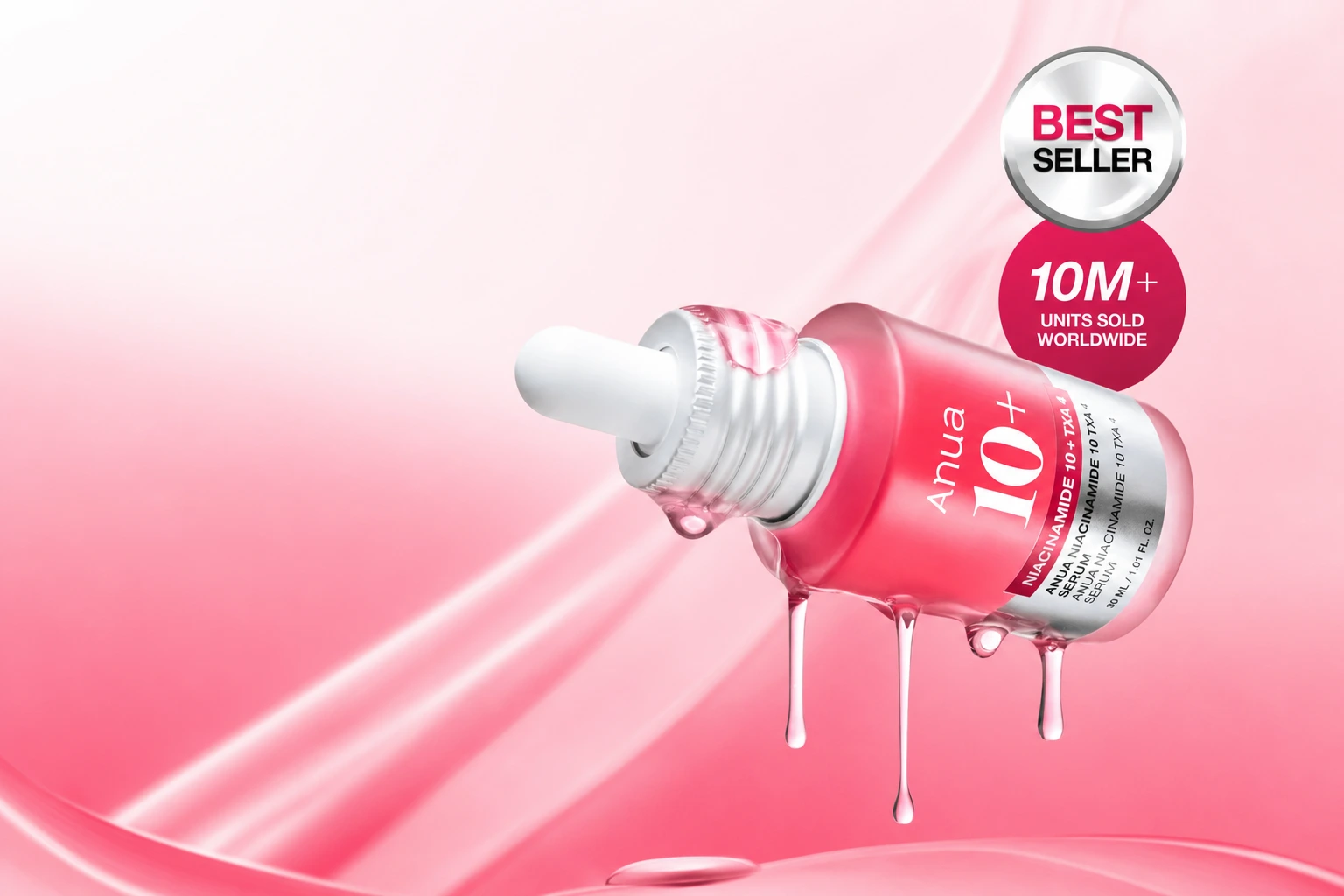
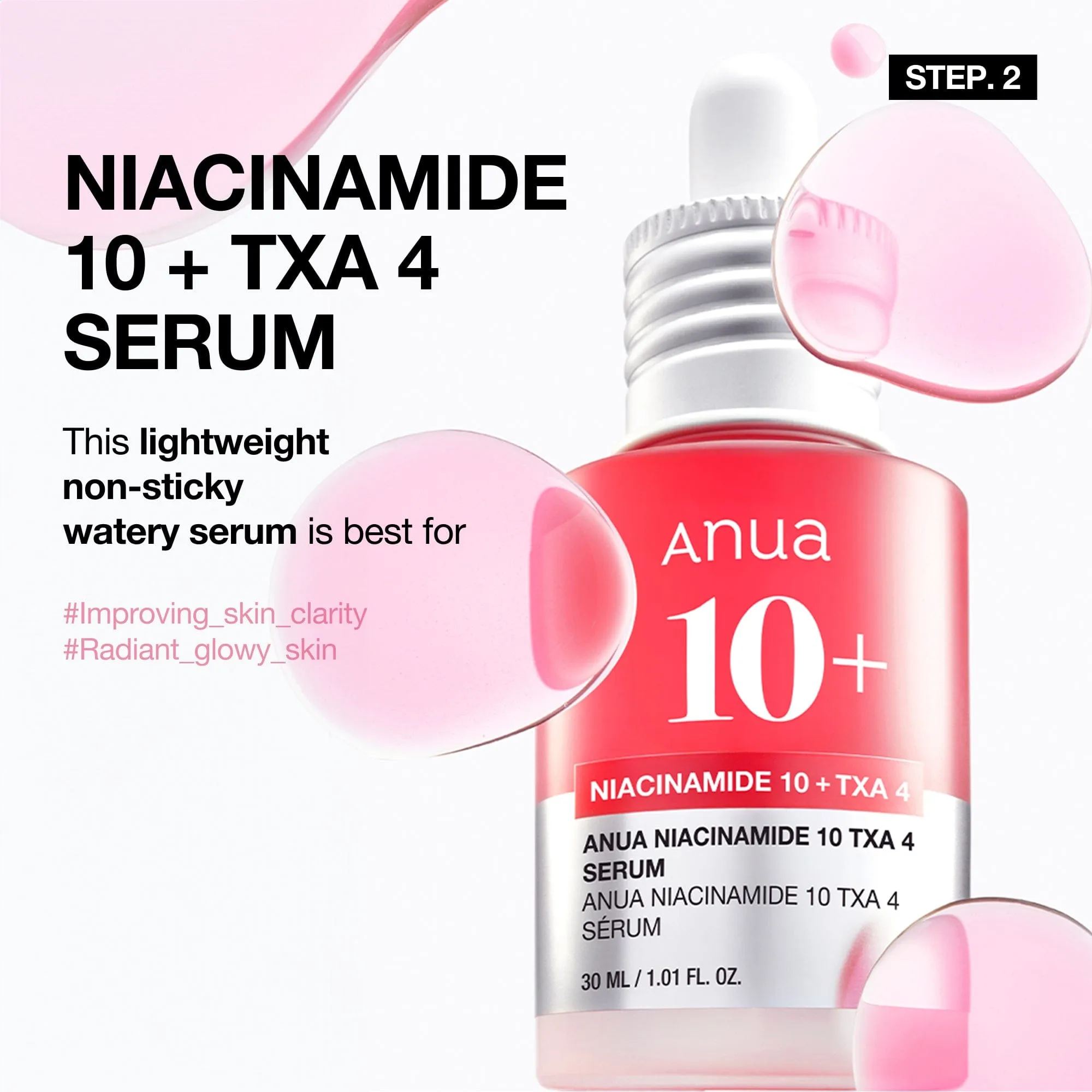
Anua's Niacinamide 10 TXA 4 Serum combines pigment-targeting actives with hydration and barrier support.
For concentrated spot-focused care, Niacinamide 10 TXA 4 Serum for Brightening and Dark Spots combines 10% niacinamide with 4% tranexamic acid. The formula also includes ceramides and hyaluronic acid, which help keep skin feeling comfortable and moisturized while active brightening ingredients are in the routine (Anua, 2026). Its current price is USD 24.
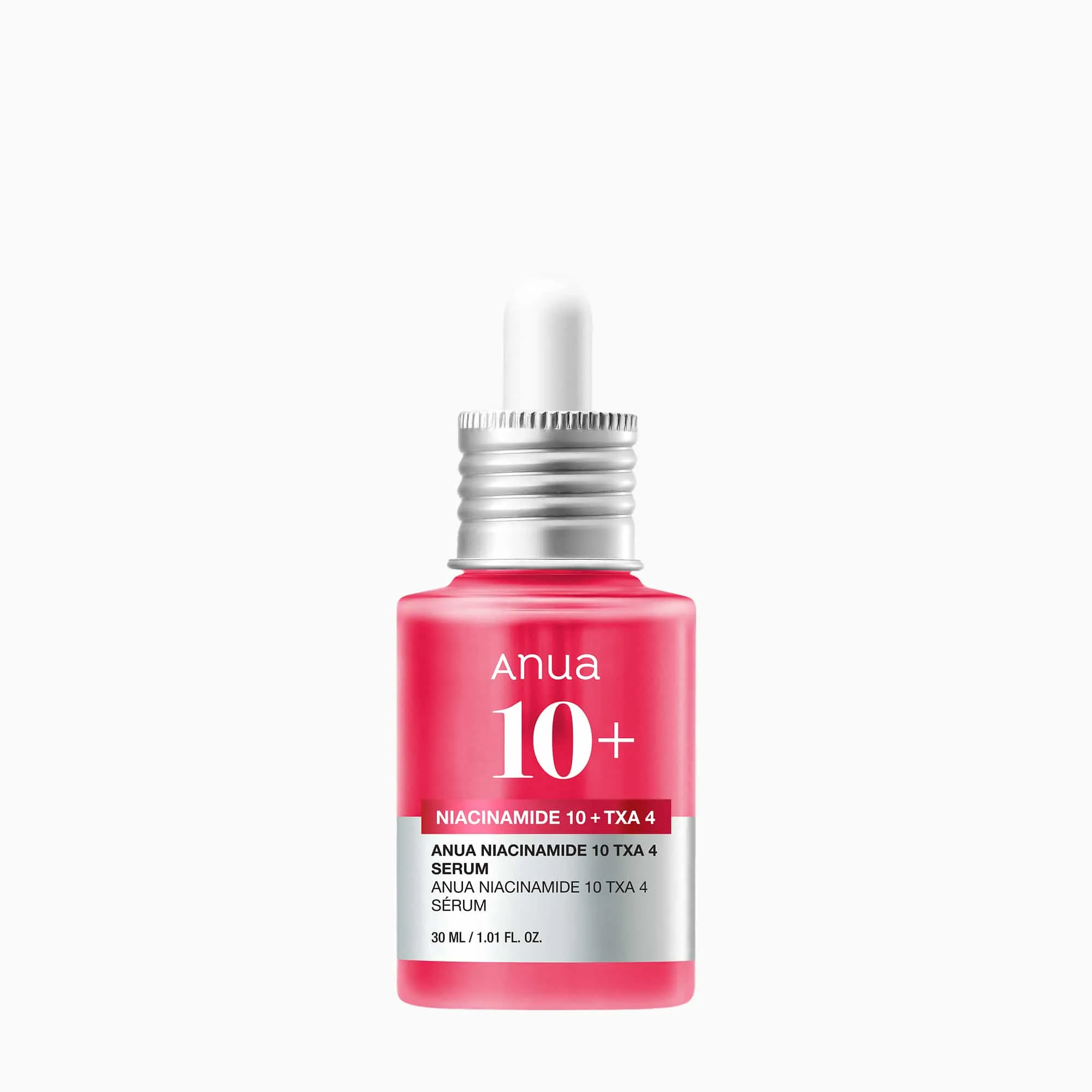
Niacinamide 10 TXA 4 Serum for Brightening and Dark Spots
A concentrated serum for the appearance of post-breakout brown marks and uneven-looking tone.
A brightening routine should also start with a clean base. If sunscreen, makeup, or excess sebum sits on the skin, a gentle cleansing sequence can make the rest of the routine feel more consistent.
Why do sunscreen and patience matter for fading dark spots?
Daily broad-spectrum sunscreen is essential because UV exposure can regenerate pigment, which may affect the look of uneven tone.
- Cleanse thoroughly at night, especially if you wear sunscreen or makeup.
- Apply a brightening step such as Niacinamide TXA Serum to areas with visible brown marks.
- Moisturize when your skin feels tight, dry, or more reactive than usual.
- Apply broad-spectrum sunscreen every morning and reapply during extended sun exposure.
- Review progress over several weeks instead of judging the routine after a few days.
If your mark is changing shape, appears suddenly without acne or irritation, bleeds, itches, or does not resemble typical PIH, ask a licensed clinician before caring for it as a cosmetic dark spot.
How should you choose an Anua dark spot routine?
Choose products based on your mark color, tolerance, and routine format.
If your main concern is scattered brown post-breakout marks, Niacinamide 10 TXA 4 Serum for Brightening and Dark Spots is a direct option because it combines niacinamide and tranexamic acid in a serum format.
If you are also building a routine for mature skin concerns, keep brightening actives separate from any new intensive anti-aging step at first. Anua’s PDRN skincare guide can help you think through where repair-focused products belong without overloading your routine.
Build a brightening routine around your brown marks
Start with the Anua products that match your mark type and routine format, then keep sunscreen consistent so progress has a chance to show.
FAQS