Non-Stripping Face Wash for Dry, Sensitive Skin
Dry, sensitive skin needs a low-pH, low-foam cleanse, under 60 seconds of rubbing, and fast barrier support after washing.
Dry skin often feels worse after cleansing because the wash removes more than sunscreen, makeup, sweat, and sebum. It can also disturb the surface lipids that help the moisture barrier feel calm. For a non-stripping face wash for dry skin, the better decision signal is not “how clean does it feel in the first minute?” It is “does my skin still feel flexible 10 minutes later?”
As of 2026, the U.S. skincare market is valued at an estimated $37.97 billion, and 61% of consumers report daily facial product use (Grand View Research, 2026). That daily-use reality matters for dry and sensitive skin. A cleanser that feels only slightly too harsh can become a repeated barrier stressor when used every morning or night.
Why does dry skin feel tight after washing?
Post-wash tightness can signal lipid stripping and barrier disruption, especially when skin feels stretched, shiny, or uncomfortable after cleansing.
A tight after-wash feel is often mistaken for a deeper clean. For dry or reactive skin, it is usually a reason to simplify.
This is where the 2026 “skinimalism” shift is useful, not as a trend label but as a practical routine filter. Beauty Independent described skinimalism as replacing complex 10-step routines with multifunctional products that prioritize long-term barrier health (Beauty Independent). For dry skin, that means fewer cleansing passes, fewer friction-heavy steps, and fewer chances to leave the face exposed before moisturizing.
A dry-skin cleanser should pass three comfort checks:
- The skin does not feel squeaky, stretched, or shiny after rinsing.
- The cleanser removes daily debris without requiring repeated rubbing.
- The next moisturizer spreads comfortably instead of stinging or sitting on top of tight skin.
What makes a cleanser truly non-stripping?
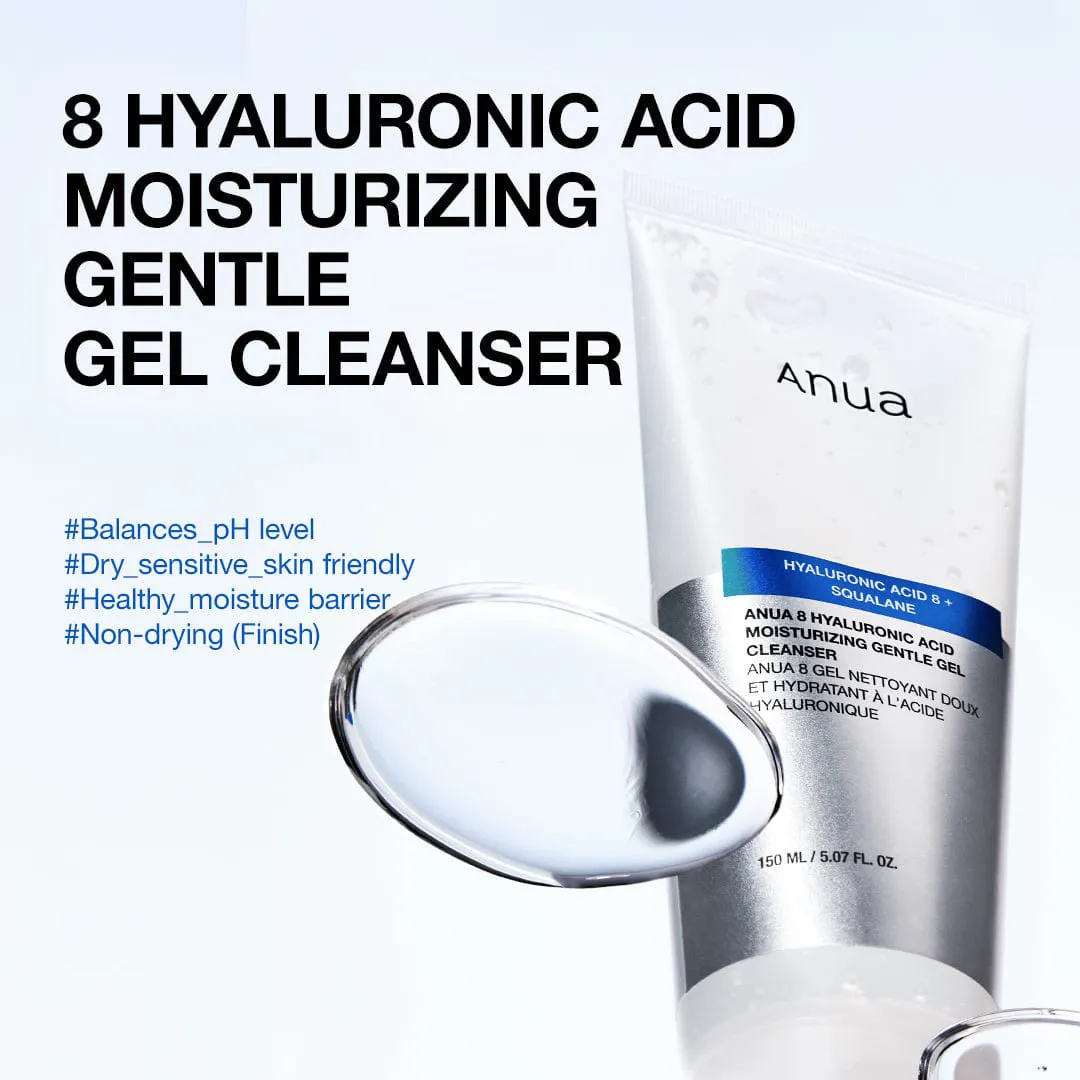
A non-stripping cleanser matches the skin's natural pH to prevent stripping essential lipids without leaving a tight, over-cleansed finish.
The skin's natural pH is approximately 5.5. Matching this pH helps prevent stripping essential lipids, which is important since sensitive skin can feel worse after washing (dr.SK Skincare).
For a gentle everyday cleanser for sensitive skin, look for the formulation signals that matter in use:
- A pH around 5.5, so the cleanser matches the skin’s natural surface environment.
- Low foam or cushiony gel texture, so cleansing does not depend on a squeaky finish.
- Minimal rubbing required, especially around the cheeks, nose folds, and jawline.
- No tight after-feel, because comfort after rinsing is part of the product’s performance.
Which ingredients help dry skin feel comfortable after cleansing?
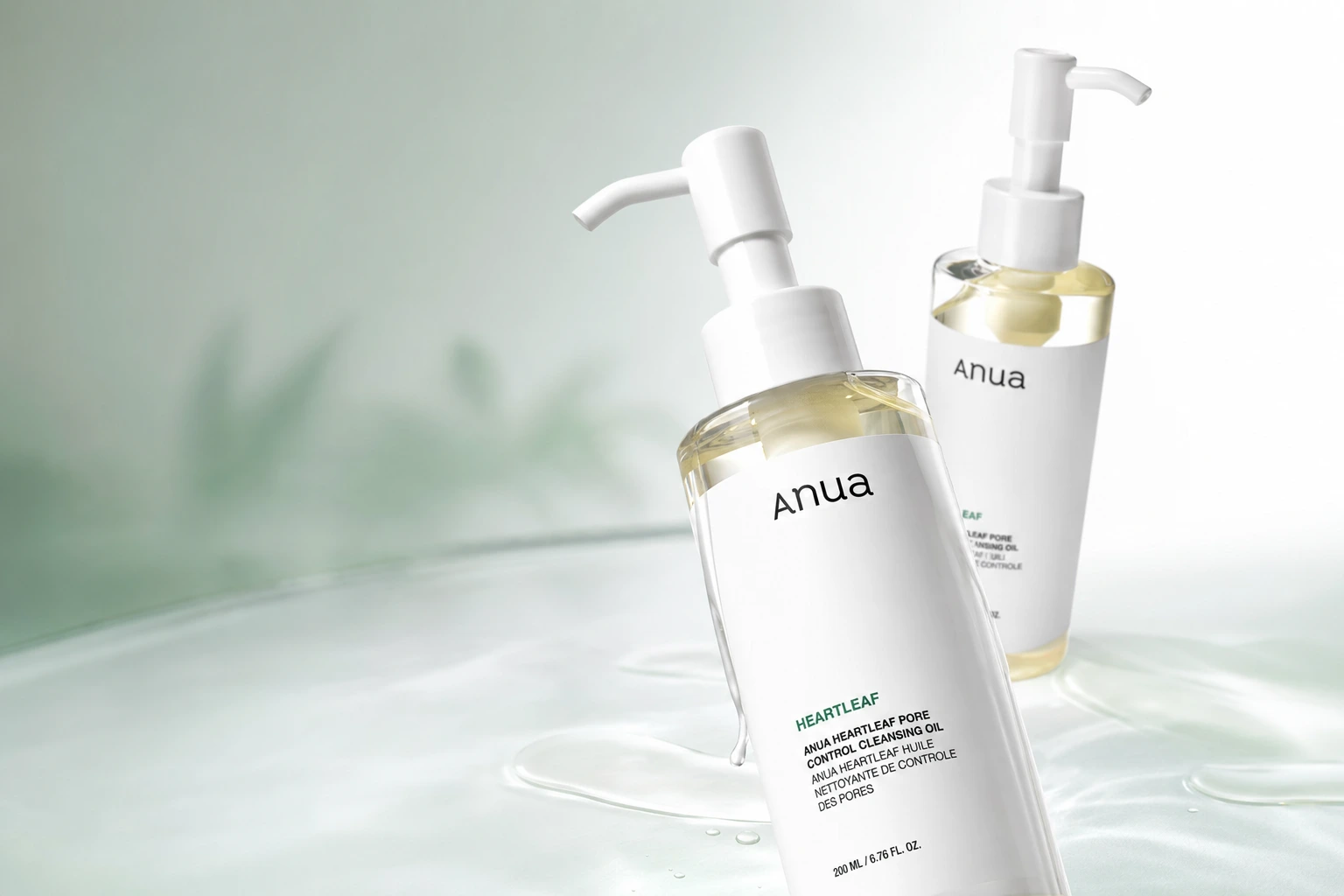
Heartleaf can support dry skin by combining hydration and calming care.
Heartleaf is especially relevant for skin that is dry yet reactive. Heartleaf extract has been clinically shown to increase skin moisture content by 1.4 to 2.0-fold, and consistent use can result in a 4.6-fold reduction in sebum levels after 8 weeks (MDPI). That combination is important because some dry-sensitive skin also feels congested or oily in certain zones. The goal is balance, not aggressive degreasing.
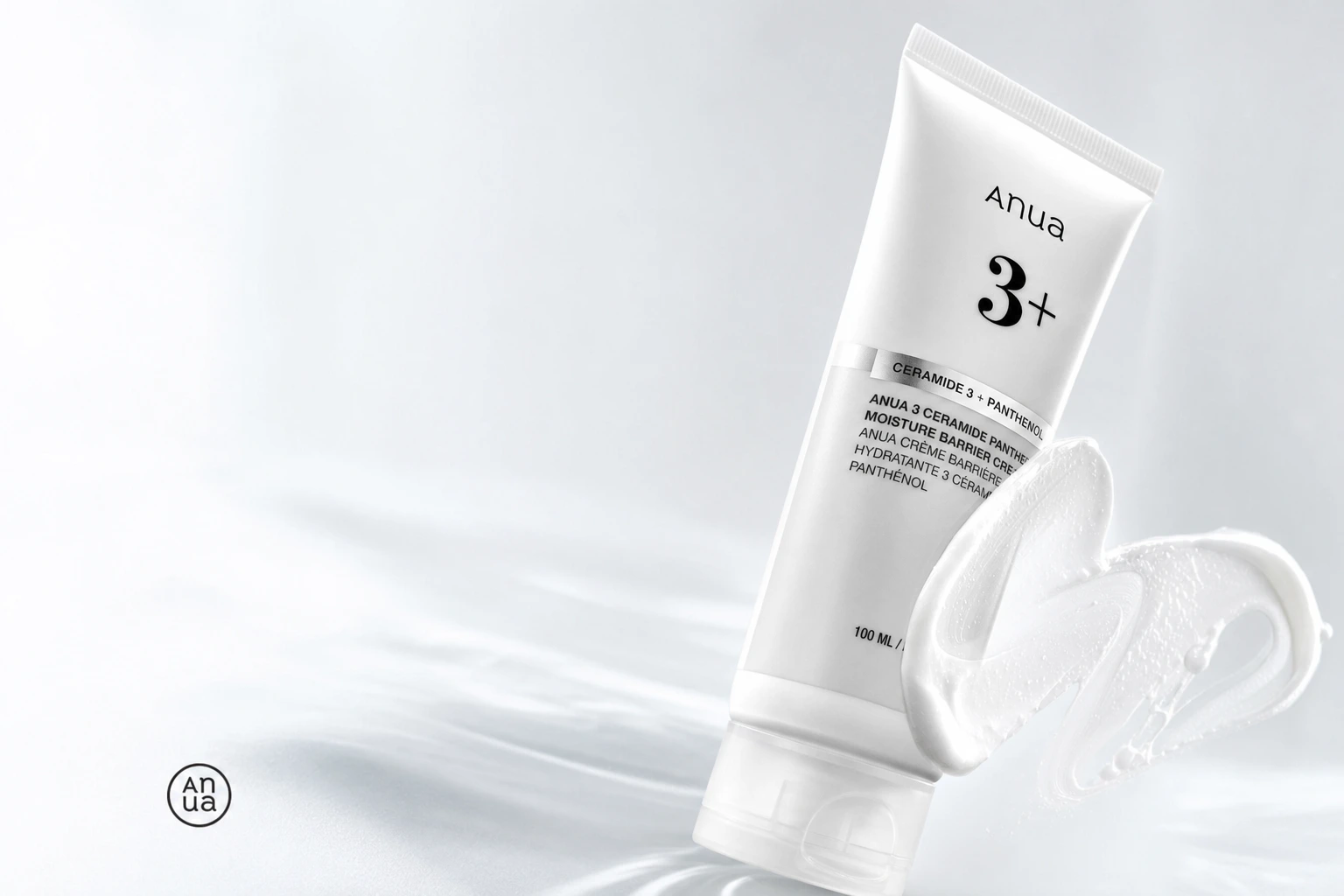
A barrier-support finish is important because a face wash cannot do the whole job of barrier support by itself. A gentle cleanse reduces new stress. A barrier-focused cream helps reduce the exposed, tight feeling that can follow cleansing, especially during cold weather, indoor heating, retinoid use, or frequent sunscreen removal.
If your routine also includes active ingredients, build the barrier step first. For example, people layering retinoids can use a gentler cleansing rhythm before following an active routine like the one covered in How to Layer Niacinamide and Retinol Over 40. If you use advanced repair serums, keep the post-cleanse step calm and avoid stacking too many potentially irritating products at once. The PDRN Serum Concentration Guide and Safe Layering Rules is a useful next read for that kind of routine planning.
How should you wash dry, sensitive skin in winter?
Winter dry skin usually needs cleansing titration: use less cleansing intensity in the morning and a full gentle cleanse at night.
The better rule for sensitive skin is to match cleansing intensity to what the skin actually needs that day.
- In the morning, check how your skin feels before washing. If it feels tight or raw, use a very brief lukewarm rinse instead of a full cleanse.
- At night, use a gentle cleanser to remove daily oil residue, sunscreen, pollution, and buildup without chasing a squeaky finish.
- Keep water lukewarm. According to dr.SK Skincare, hot water can strip natural oils and worsen barrier damage in sensitive skin (dr.SK Skincare).
- Pat dry instead of rubbing with a towel, then apply moisturizer while skin is still freshly cleansed.
A gentle face wash for dry irritated skin in winter should feel uneventful. No sting, no squeak, no need to cleanse twice unless sunscreen or makeup requires it. If your cheeks feel tight before the cleanser even touches your skin, a cleansing water may be enough in the morning.
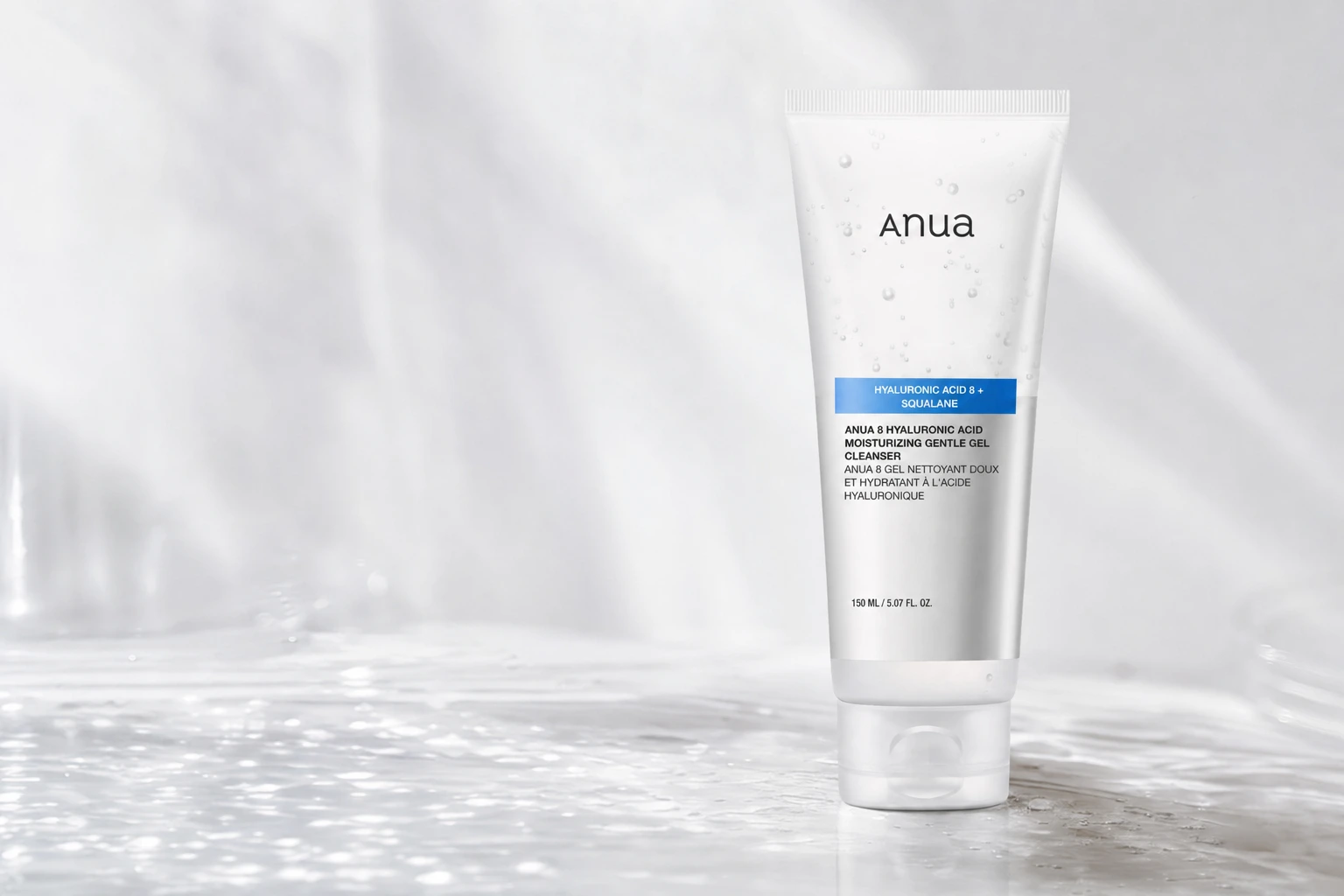
At night, a gel cleanser makes more sense because the skin has collected more debris. Even then, dry skin does not need long massage. Use fingertips, spread the cleanser lightly, focus on sunscreen-heavy areas, and rinse before the skin starts to feel squeaky.
If sunscreen tends to irritate your dry skin, pair this cleansing rhythm with a barrier-conscious daytime product.
How can sensitive skin stay comfortable with an everyday cleanser?
Applying moisturizer within 60 seconds of patting the face dry helps lock in hydration from the wash.
This habit is a simple way to make the routine more predictable for dry-sensitive skin. It is about closing the gap between rinse-off and barrier support.
Use this routine when your skin is dry, flushed, tight, or easily irritated:
- Use lukewarm water only.
- Pat dry with a soft towel. Do not drag the towel across the cheeks or around the nose.
- Apply moisturizer within 60 seconds of patting dry to help lock in hydration from the wash (dr.SK Skincare).
- Keep actives away from freshly irritated areas until the skin feels comfortable again.
The most important habit is to judge the cleanser by the next 10 minutes, not the first rinse. If skin feels smooth but tight, reduce cleansing time or switch to cleansing water in the morning. If skin feels comfortable but not fully clean at night, keep the gel cleanser but remove sunscreen and makeup in a slower pass.
Build a low-friction cleansing routine
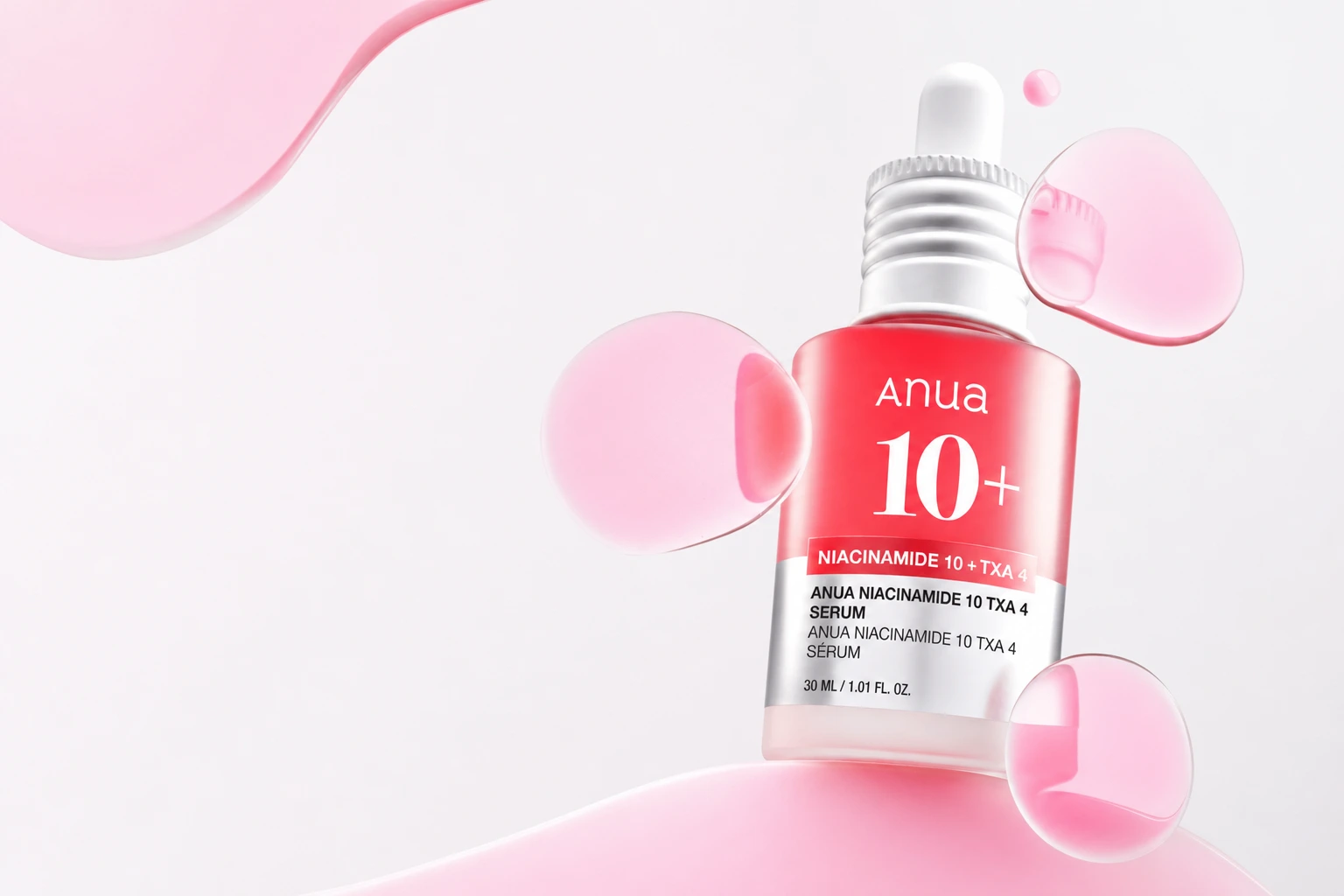
Shop Anua cleansing and barrier-support products that fit dry, sensitive skin routines, including hydrating gel cleanser, low-pH cleansing water, and calming cream.
FAQS