Korean Skincare for Teen Combo Acne-Prone Skin
A simple teen K-beauty routine can stay at 3 steps: gentle cleansing, lightweight hydration, and daily SPF 50 for combo acne-prone skin.
Why should teens avoid complex skincare routines?
Complex skincare routines are associated with irritant eczema and dermatitis, while high-strength retinoids and daily sheet masks carry their own risks.
As of 2026, the median age for starting a skincare routine is 15.5 years, and dermatologists are watching that shift closely. In a 2026 dermatologist survey, 91.6% expressed concern about multi-step skincare trends for adolescents, and dermatologists have identified an 88.1% incidence rate of irritant eczema and dermatitis associated with complex skincare routines (CCID, 2026).
A teen may respond to skin concerns by using a foaming cleanser twice, adding an exfoliating toner, applying a sheet mask, and then skipping moisturizer because the face feels greasy. That pattern can leave the barrier tight, shiny, and more reactive.
Only 12.5% of dermatologists recommend skincare routines with more than four steps (CCID, 2026). For beginners, that supports a practical boundary: cleanse, hydrate, protect in the morning, then cleanse, hydrate, and spot treat only when needed at night.
Daily sheet masks are also a weak starting point for combo acne-prone skin. The research report notes that daily use of sheet masks can over-hydrate the stratum corneum and may contribute to clogged pores. High-strength retinoids carry a risk of skincare-induced dermatitis, which has been reported by 88.1% of doctors (CCID, 2026).
What does the science say about a minimal 3-step acne regimen?
A consistent 3-step acne regimen can reduce visible inflammation faster than a trend-heavy routine when used twice daily.
A clinical article indexed by PMC / NIH reported that a twice-daily, 3-step over-the-counter acne regimen produced a significant reduction in inflamed skin by week 2 and significant improvement in skin condition within 6 weeks (PMC / NIH, 2017). The same research source reported 90% improvement in acne-prone subjects within 6 weeks (PMC / NIH, 2017).
The takeaway is not that every teen needs the same products. The useful lesson is that consistency beats product stacking. A routine with a gentle cleanser, a light hydration step, and sunscreen is easier to repeat during school, sports, homework, late nights, and travel.
For teen combination skin, the goal is to lower the number of decisions. If the routine has too many layers, it becomes hard to tell what caused stinging, clogged pores, or dryness. With three core steps, a teen can notice patterns faster:
- If the face feels tight after cleansing, the cleanser may be too stripping or used too often.
- If the T-zone gets oily by lunch, hydration may be too heavy or sunscreen may feel greasy.
- If new bumps appear after masking or exfoliating, the extra step should be paused before changing the whole routine.
Which K-beauty ingredients work best for teen combination skin?
Heartleaf and Centella are suitable options for oily and acne-prone skin types.
In fact, heartleaf and Centella are presented as better fits for oily and acne-prone skin types than richer ginseng or snail mucin formulas in the 2026 Anua and Beauty of Joseon comparison guide (Colorcity, 2026). That does not mean every rich product is bad. It means a teen starter routine should begin with lighter, calming textures before adding heavier creams.
A useful way to choose is to sort products into three buckets:
| Action | What to choose | Why to consider this approach |
|---|---|---|
| Start | Gentle cleanser, lightweight hydration, heartleaf or Centella-style calming ingredients | Heartleaf and Centella are noted as suitable fits for oily and acne-prone skin. |
| Delay | The 7 skin method, exfoliating toners, strong retinoids, multiple serums | Avoiding complex routines helps minimize the risk of irritant eczema. |
| Skip at first | Heavy mature-skin creams, daily sheet masks, product changes every few days | Daily sheet mask use can over-hydrate the stratum corneum and may contribute to clogged pores. |
Beauty of Joseon can be beginner friendly for some skin types, but the comparison guide flags that its Dynasty Cream is designed for dry or mature skin (Colorcity, 2026). Teens with an oily T-zone should be cautious with rich creams, especially if they already get clogged pores around the nose, chin, or forehead.
What should a teen K-beauty starter routine include?
A teen starter routine needs gentle cleansing, light hydration, and SPF 50, with double cleansing reserved for sunscreen days.
The routine should feel easy enough to repeat on a school night. For most teens with combination acne-prone skin, that means a short morning routine and a slightly more thorough night routine.
Morning routine
- Rinse with water or use a gentle cleanser if the face feels oily.
- Apply a light hydrating toner, gel, or serum.
- Finish with SPF 50 every morning.
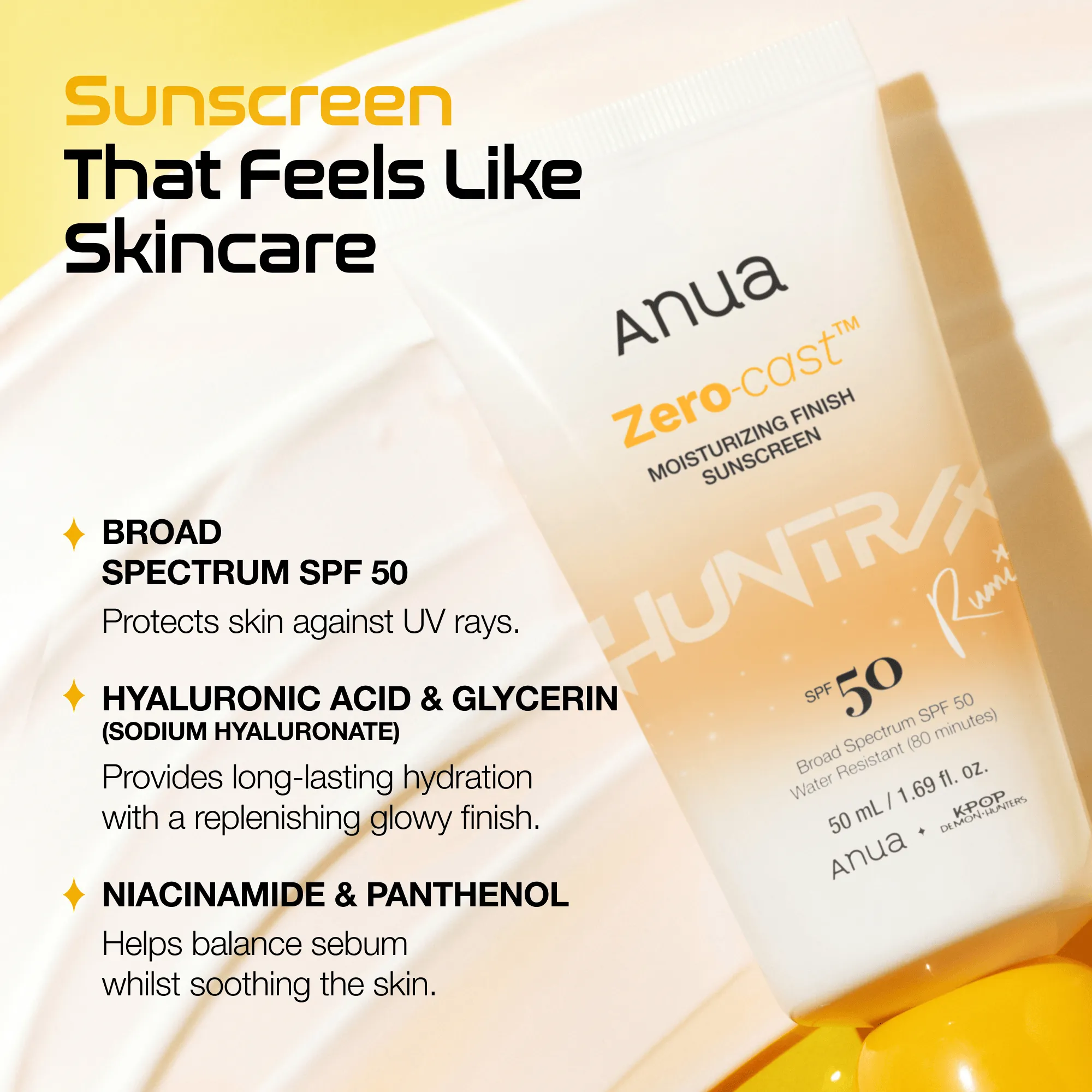
For sun protection, Zero-Cast Moisturizing Sunscreen SPF 50 is a practical starter option because it is priced at USD 18 and uses chemical UV filters, including Avobenzone 2.5% and Homosalate 7.0% (Anua US, 2026).
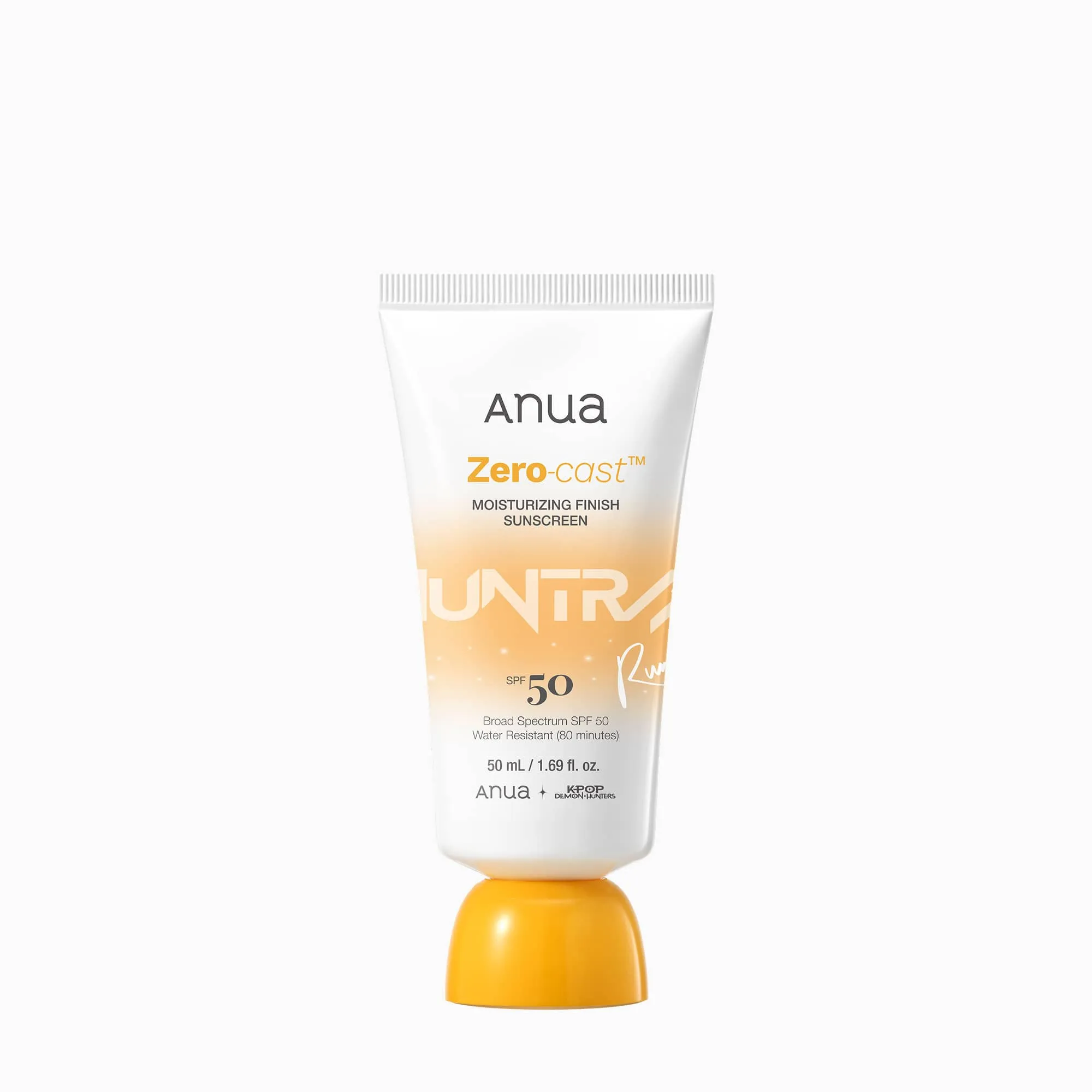
Zero-Cast Moisturizing Sunscreen SPF 50
SPF 50 sunscreen with Avobenzone 2.5%, Homosalate 7.0%, Octisalate 4.5%, and Octocrylene 5.0%.
Night routine
- Double cleanse when you wore sunscreen, makeup, or had a sweaty sports day.
- Apply a light hydration step.
- Use a spot treatment only where needed, preferably one recommended by a parent, clinician, or dermatologist.
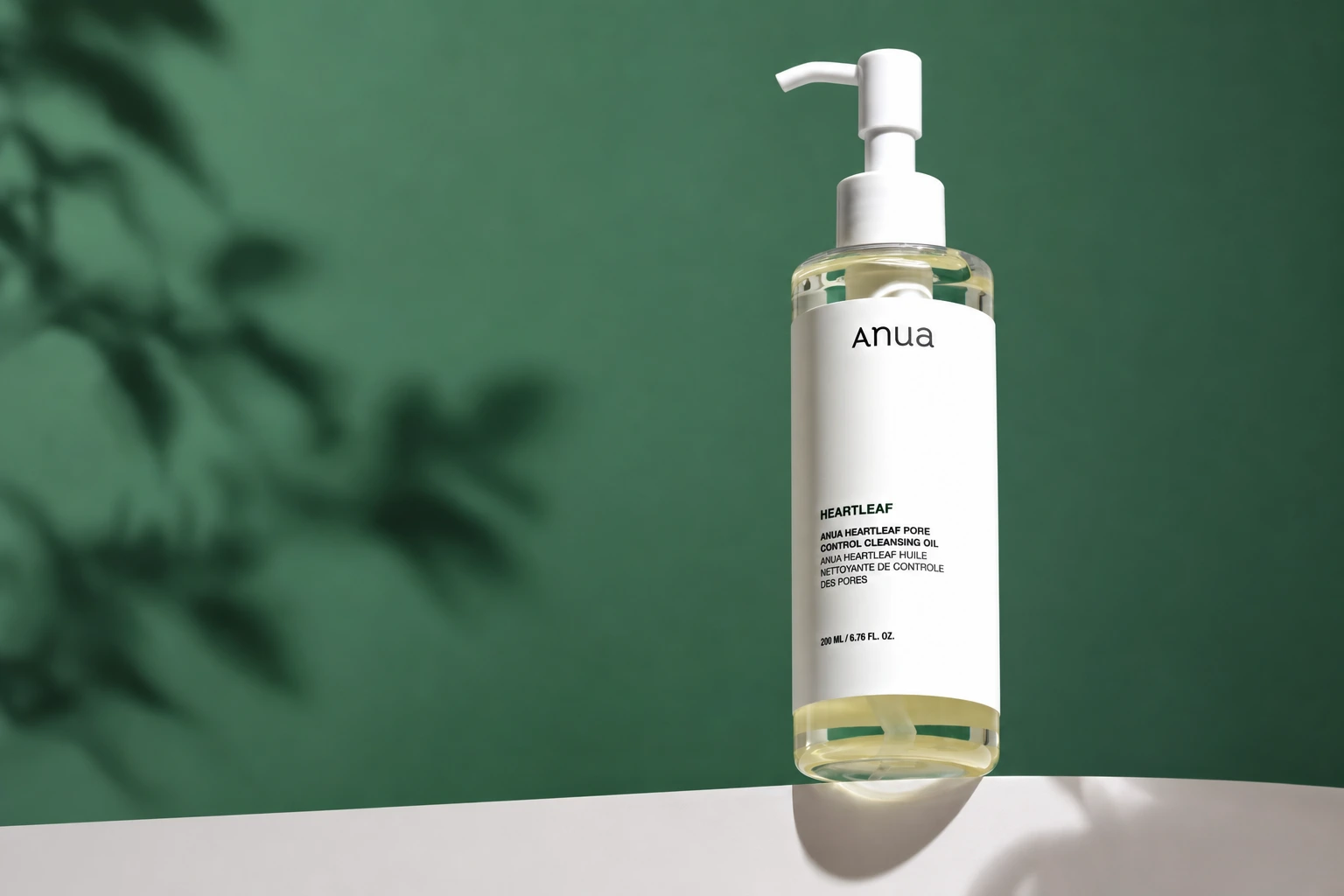
The Double Cleansing Duo Set includes Heartleaf Pore Control Cleansing Oil and Quercetinol Pore Deep Cleansing Foam, and the set is priced between USD 38 and USD 42 (Anua US, 2026). Providing both options together supports a thorough nighttime cleanse without asking a teen to build a larger routine.
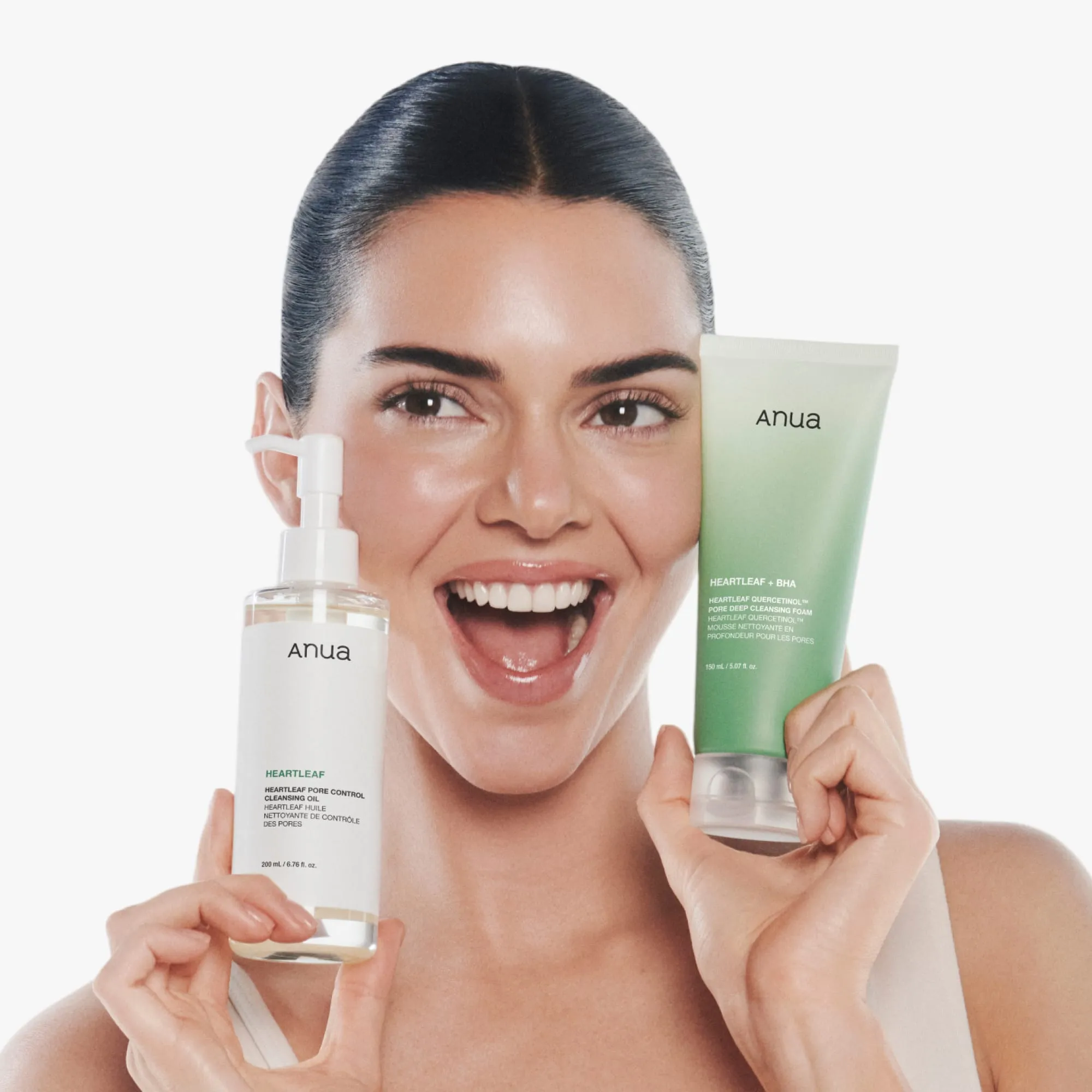
Double Cleansing Duo Set
Includes Anua Heartleaf Pore Control Cleansing Oil and Quercetinol Pore Deep Cleansing Foam for a simple night cleanse.
The 7 skin method is optional, not a requirement. It involves layering toner seven times to create a hydration shield as an alternative to heavy creams (Koreanskincare.nl, 2026). For a beginner, two to three light layers are usually more reasonable than seven. If cheeks feel comfortable and the T-zone looks shiny, stop layering instead of trying to finish all seven passes.
If you are buying Anua from a marketplace or reseller, use the fake Anua product buying guide before you add new products to a teen routine.
Is glass skin achievable for a beginner in 3 months?
Glass skin in 3 months means calmer texture and steadier hydration for beginners, not poreless skin or a filter-like finish.
A 90-day routine is long enough to judge whether the basics are working, but it should be measured by comfort and consistency. For teen acne-prone skin, the best signs are fewer angry-looking breakouts, less tightness after washing, and a smoother-looking surface under sunscreen.
| Timeline | What to focus on | Realistic expectation |
|---|---|---|
| Days 1 to 14 | Barrier comfort and routine consistency | The 3-step regimen research reported reduced inflamed skin by week 2 (PMC / NIH, 2017). |
| Days 30 to 45 | Fewer new clogs and better hydration | A twice-daily 3-step acne regimen showed significant improvement within 6 weeks (PMC / NIH, 2017). |
| Day 90 | Maintenance and texture refinement | Skin may look more even and reflective because hydration and SPF use are steady. |
This is where “glass skin” needs a teen-safe definition. Pores do not disappear. Acne-prone skin can still have hormonal breakouts. The realistic goal is skin that feels less irritated and looks more balanced in regular light.
If post-breakout marks become the bigger concern after acne calms, a separate pigment routine may help later. The Niacinamide and TXA Dark Spot Routine Guide is better saved for that later stage, after cleansing, hydration, and SPF already feel stable.
Build a teen routine that stays simple
Start with the basics that matter most for combination acne-prone skin: a night cleanse, light hydration, and daily SPF 50.
FAQS