How to Soften Brown Marks After Acne Clears
Post-acne brown marks are uneven-looking pigment left after visible irritation. Target PIH with niacinamide, TXA, sunscreen, and an 8-week tracking plan.
Key Takeaway
- Brown post-acne marks are usually better handled after active breakouts are calm.
- Niacinamide, tranexamic acid, moisturizer, and daily sunscreen form the core of a low-irritation fading routine.
- Track progress over several weeks in consistent lighting instead of judging the mark day to day.
Post-acne brown marks tend to look softer when active breakouts are quiet, pigment-focused care is consistent, and daily sunscreen helps reduce re-darkening triggers. The most practical routine pairs a concentrated brightening serum with barrier-supporting hydration and consistent photo tracking.
What are post-acne brown marks?
If active visible irritation is still present, addressing that first is a key part of post-inflammatory hyperpigmentation care. This helps separate the active-breakout care phase from the pigment-fading phase.
Which topical ingredients help soften the look of hyperpigmentation?
Niacinamide and tranexamic acid are two topical ingredients commonly used in routines for brown post-acne marks. They fit best when the mark is flat, brown, and no longer an actively inflamed blemish.
A practical ingredient map looks like this:
| Ingredient or routine step | Role in post-acne brown marks | Routine note |
|---|---|---|
| Niacinamide | Supports the look of a more even tone | Introduce gradually if your skin is sensitive |
| Tranexamic acid | Fits pigment-focused brightening routines | Works best with steady sunscreen use |
| Moisturizer | Keeps the barrier comfortable during active care | Reduce active frequency if skin stings or flakes |
| Daily sunscreen | Helps reduce UV-triggered darkening | Reapply during extended outdoor exposure |
For most at-home routines, the core decision is simpler than the ingredient market looks: choose a formula with effective brightening actives, keep the skin barrier calm, and avoid sun exposure that can deepen pigment.
How do you choose the right serum for brown marks?
Serums are a popular choice because they can deliver higher concentrations of actives in a lightweight format. This format matters for post-acne marks because consistency over weeks is key.
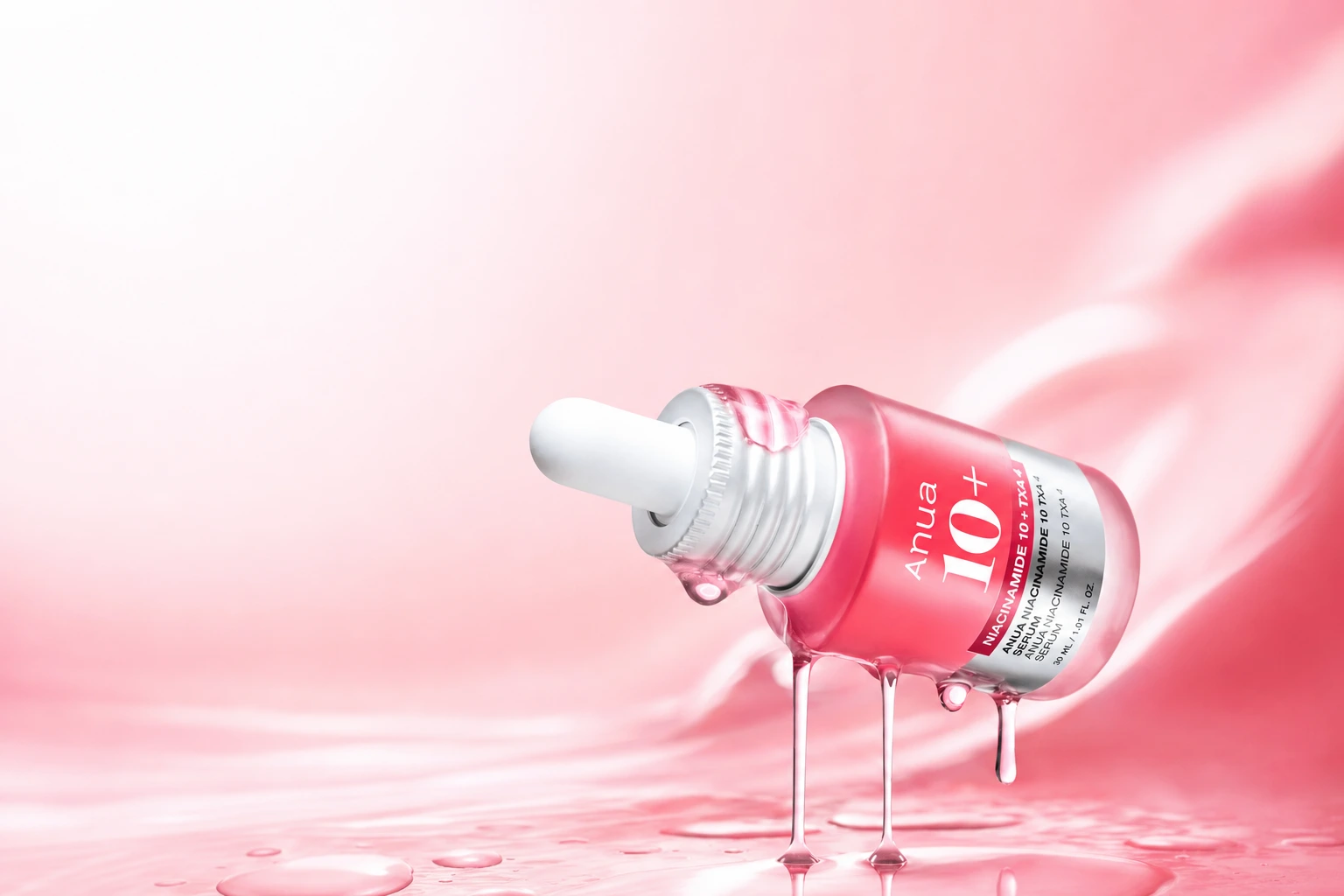
Anua's Niacinamide 10 TXA 4 Serum for Brightening and Dark Spots is the most direct match when leftover marks are flat and brown. It pairs niacinamide and tranexamic acid with ceramides and hyaluronic acid, which helps keep the routine comfortable during repeated use.
At USD 24, the formula is a focused option for people whose acne has cleared but whose brown marks remain visible.
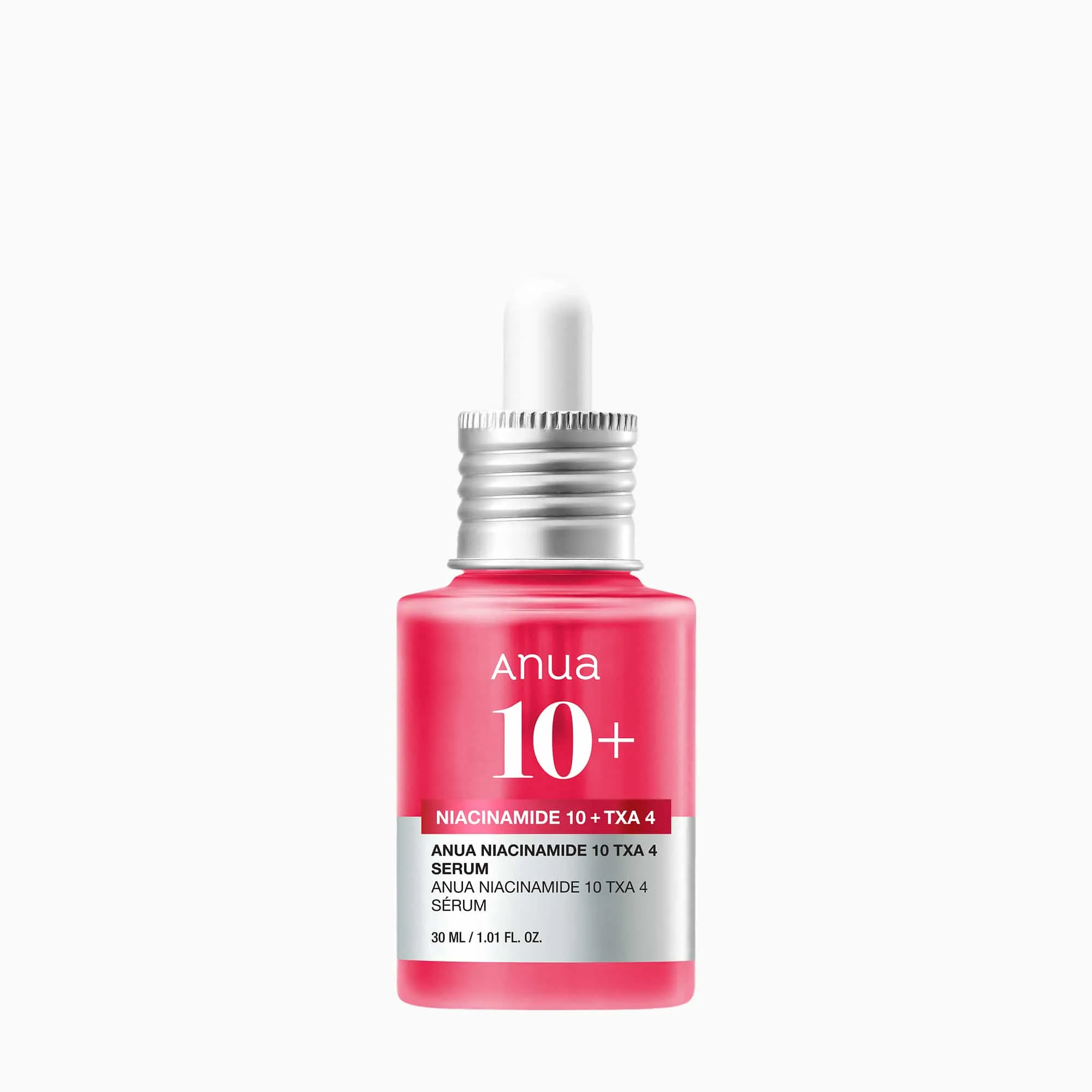
Niacinamide 10 TXA 4 Serum for Brightening and Dark Spots
A brightening serum with niacinamide, tranexamic acid, ceramides, and hyaluronic acid for the look of post-breakout uneven tone.
When choosing any serum for leftover acne marks, check three things before buying:
- The acne is mostly quiet, with no painful new breakouts in the same areas.
- The formula lists brightening actives at meaningful concentrations.
- The routine includes moisturizer or barrier-supporting ingredients.
A gentle cleanse also matters, especially if you wear sunscreen or makeup daily. If residue and sunscreen removal are part of the problem, a beginner Korean double cleansing routine can help keep cleansing thorough without making the skin feel stripped.
How long does it take to see visible results?
Post-inflammatory hyperpigmentation usually needs a multi-week routine, not a few applications.
- Confirm active acne is calm before making pigment fading the main goal.
- Apply the pigment-targeting serum consistently, following the product directions.
- Use moisturizer if the routine starts to feel tight or dry.
- Apply sunscreen every morning and reapply during extended outdoor exposure.
- Compare photos in the same light every few weeks instead of checking the mark daily.
Progress can look uneven. Some marks look softer at the edges first, while others soften in color before they shrink in size. If a mark becomes darker, itchy, raised, or painful, stop caring for it like ordinary post-acne pigment and seek professional guidance.
Build a routine for post-acne uneven tone
Pair a targeted serum with gentle cleansing, hydration, and daily sunscreen so brown marks are not repeatedly re-triggered by irritation or UV exposure.
FAQS