Heartleaf Benefits for Skin: Soothing, Acne and Hydration
Heartleaf helps calm sensitive skin, target acne bacteria, support hydration, and protect collagen with quercetin-rich plant compounds.
Key Takeaway
- Heartleaf, also called Houttuynia cordata, is used in skincare for calming irritation, supporting acne-prone skin, and helping maintain hydration.
- Research found heartleaf extract inhibited hyaluronidase activity by 98.72% and showed antibacterial activity against acne-causing bacteria at 2.47 mg/mL.
- Anua incorporates heartleaf into gentle daily routines designed for cleanser-first care and soothing support.
Heartleaf is a quercetin-rich botanical used to calm sensitive skin, support acne care, and help protect the moisture barrier. In skincare, the ingredient is most useful when your main concerns are redness, oily congestion, post-breakout irritation, or cleansing without a stripped finish.
For Anua, heartleaf fits the brand’s nature-led approach because it can sit inside daily routines rather than only occasional spot treatments. If you are building a heartleaf routine from the ground up, start with the Heartleaf ingredient hub, then choose cleansers, toner, moisturizer, and sunscreen based on your skin’s tolerance.
How does Heartleaf soothe inflammation and calm sensitive skin?
Heartleaf calms visible irritation by supplying quercetin, a flavonoid associated with lower inflammatory signaling in skin.
Quercetin is one reason heartleaf is often discussed for redness-prone and reactive skin. A Clinikally dermatological guide describes heartleaf extract as an ingredient used for inflammatory skin conditions such as rosacea and eczema, with quercetin helping suppress cellular inflammatory markers.
That does not mean every sensitive skin type will react the same way. A heartleaf product may be a good fit when your skin feels easily flushed after cleansing, becomes uncomfortable with high-strength actives, or needs a calming step after sunscreen removal. If your sensitivity is linked to rosacea, pair calming skincare with daily UV protection. Anua readers comparing options can also review sunscreen for rosacea-prone sensitive skin for sunscreen selection criteria.
The best way to introduce heartleaf is to treat it like any active botanical. Patch test first, use one new product at a time, and avoid stacking it with multiple exfoliating acids during the same adjustment week. While heartleaf is a botanical extract used for calming, it is important to monitor how it interacts with the rest of your routine.
How does Heartleaf fight acne and bacterial breakouts?
Heartleaf helps acne-prone skin by targeting Cutibacterium acnes while fitting sensitive routines that may not tolerate harsh actives.
Acne-prone skin often needs two things at once: fewer pore-clogging residues and less inflammatory stress. In antimicrobial testing, ethanolic heartleaf extract showed a minimum inhibitory concentration of 2.47 mg/mL against acne-causing bacteria, and researchers observed collapse of Cutibacterium acnes bacterial cells (MDPI, 2022).
That finding makes heartleaf especially relevant for people who want acne support but cannot tolerate aggressive routines. Its strongest everyday role is supportive: helping keep acne-prone skin calmer while cleansing, moisturizing, and sunscreen use remain consistent.
For breakouts driven by excess oil, sunscreen buildup, or makeup residue, cleanser choice matters.
People comparing acne ingredients may also wonder where heartleaf sits beside acids. Heartleaf is better understood as a calming, antibacterial-support ingredient within a broader acne routine. For acid selection, compare azelaic acid vs salicylic acid for acne-prone skin.
What are Heartleaf's anti-aging and antioxidant benefits?
Heartleaf supports aging-prone skin by helping defend collagen and elastin from enzyme activity and providing protection against oxidative stress.
The anti-aging case for heartleaf is not about a quick tightening effect. It is about protecting structures that influence how firm and resilient skin looks over time. In peer-reviewed testing, ethanolic heartleaf extract inhibited collagenase activity by 28.33% to 46.00% and elastase activity by 30.00% to 34.33% (MDPI, 2022).
When skincare discussions mention “firmness support,” heartleaf’s enzyme-inhibition activity provides a botanical basis for maintaining the appearance of skin elasticity. Heartleaf’s enzyme-inhibition activity gives it a practical role in prevention-focused routines, especially for people who want antioxidant support without adding a strong retinoid or acid every night.
Heartleaf is also used for antioxidant protection. Clinikally describes heartleaf as helping neutralize free radicals, which is why some users prefer it in morning routines under moisturizer and sunscreen.
Heartleaf can be integrated into morning routines for daily antioxidant support. At night, heartleaf can be paired with a cleanser-first routine, especially if skin feels irritated after removing makeup or SPF.
How does Heartleaf support deep skin hydration?
Heartleaf supports hydration by slowing hyaluronidase, the enzyme that breaks down skin’s natural hyaluronic acid stores.
Hydration is often discussed as if it only comes from humectants, but preserving existing hyaluronic acid also matters. In laboratory testing, heartleaf extract inhibited hyaluronidase activity by 98.72%, a mechanism that supports the skin’s ability to maintain hyaluronic-acid-related hydration (MDPI, 2022).
Hyaluronidase breaks down hyaluronic acid. When that breakdown is moderated, the skin is better positioned to hold water and maintain a more comfortable surface feel. This is why heartleaf is useful beyond acne care. It can also belong in routines for skin that is dehydrated or prone to surface irritation.
For best results, do not rely on heartleaf alone as your only hydration step. Pair it with a moisturizer that contains barrier-supporting emollients or occlusives, especially if your skin feels tight after cleansing. Heartleaf supports hydration, while a moisturizer helps reduce water loss from the surface.
Why do extraction potency and rising popularity matter?
Heartleaf extract potency depends on extraction method, and market data shows shoppers are moving toward heartleaf-based skincare.
Not all botanical extracts are identical. Extraction method changes the amount of active plant compounds that end up in the finished ingredient. Chemical analysis found ethanolic heartleaf extraction yielded 571.86 mg/g of flavonoids, compared with 104.94 mg/g in water-based extraction (MDPI, 2022).
That difference matters because flavonoids contribute to heartleaf’s biological profile. A formula with a higher-yield extract may provide a stronger botanical basis, although the finished product still depends on concentration, supporting ingredients, pH, texture, and how consistently the user applies it.
Heartleaf has also gained attention as shoppers look beyond Centella Asiatica. GreyB reported a market shift toward heartleaf due to antimicrobial properties, and heartleaf-based products saw a 2X increase in availability over an 18-month period ending in September 2025 (GreyB, 2026).
| Comparison point | Heartleaf | Centella Asiatica |
|---|---|---|
| Main skincare role | Antibacterial and acne-support | Established soothing benchmark |
| Research emphasis | Antibacterial activity, hyaluronidase inhibition, flavonoid yield | Frequently compared as the previous category standard |
| Market status | Increasing adoption in skincare formulations | Traditional choice for daily skin support |
This does not make one ingredient universally better. Heartleaf is a stronger fit when acne, oil, and redness overlap. Centella may still be preferred when the skin is mainly dry, raw, or barrier-compromised.
How should you use Heartleaf in a daily Anua routine?
A heartleaf routine works best when cleansing removes sunscreen, sebum, and residue before leave-on calming steps.
Start with the job your skin needs most. If your skin is acne-prone and oily, focus on residue removal and a non-stripping cleanse. If your skin is redness-prone, keep the routine shorter and avoid introducing several active treatments at once. If hydration is the concern, pair heartleaf with moisturizer rather than treating it as a standalone water source.
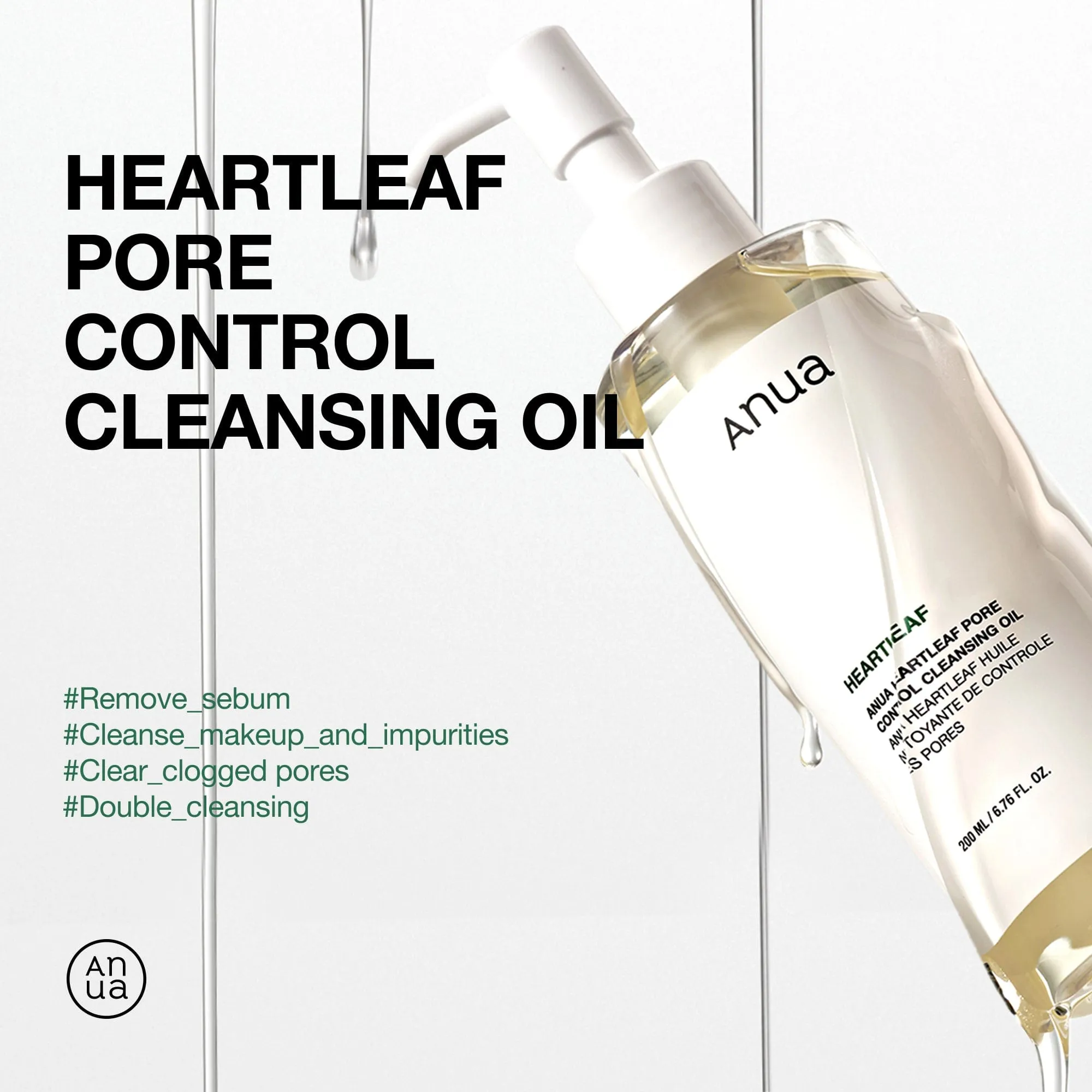
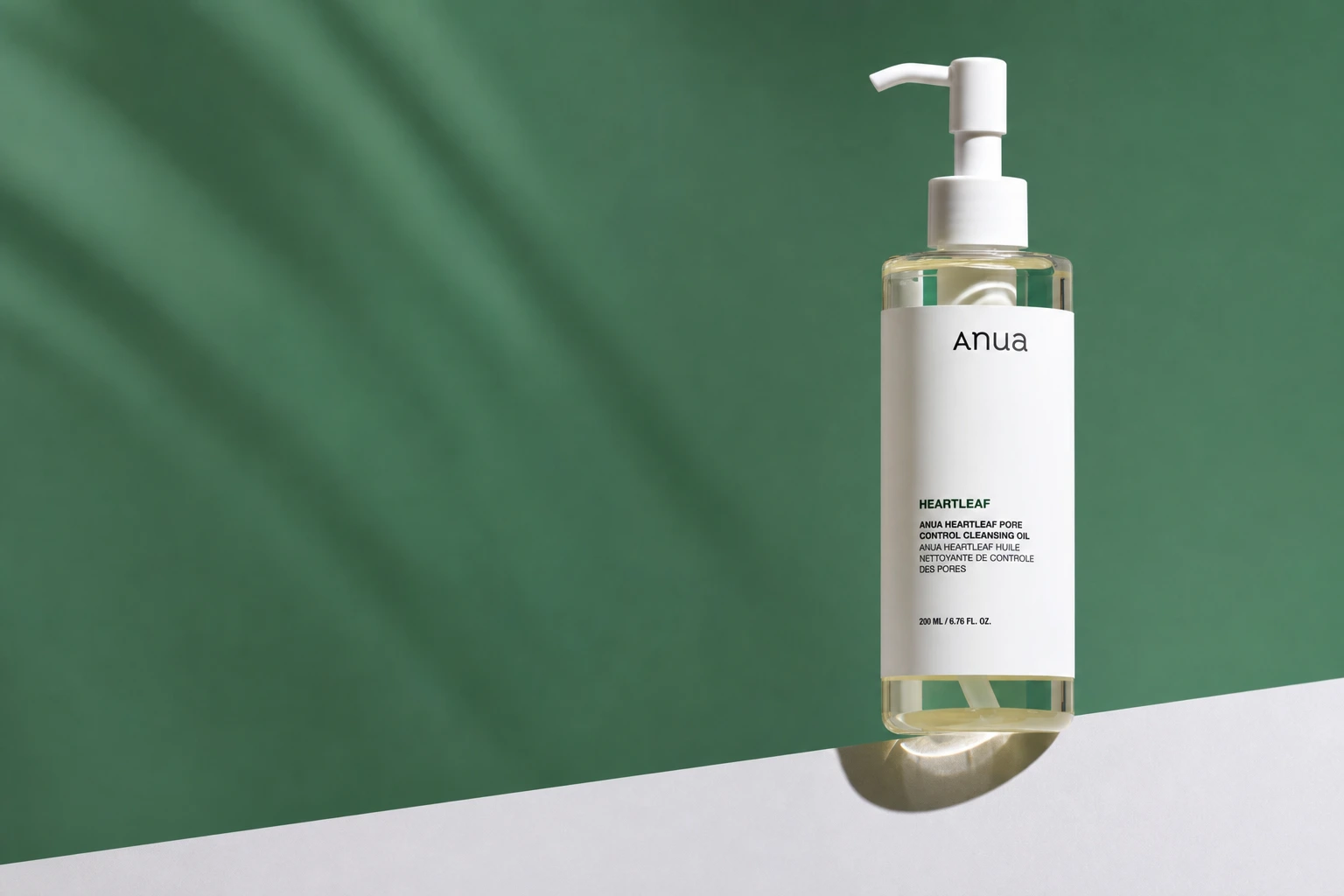
For a cleanser-first routine, the Double Cleansing Duo Set pairs an oil-based first cleanse with a water-based second cleanse for sunscreen, makeup, sebum, and residue removal.
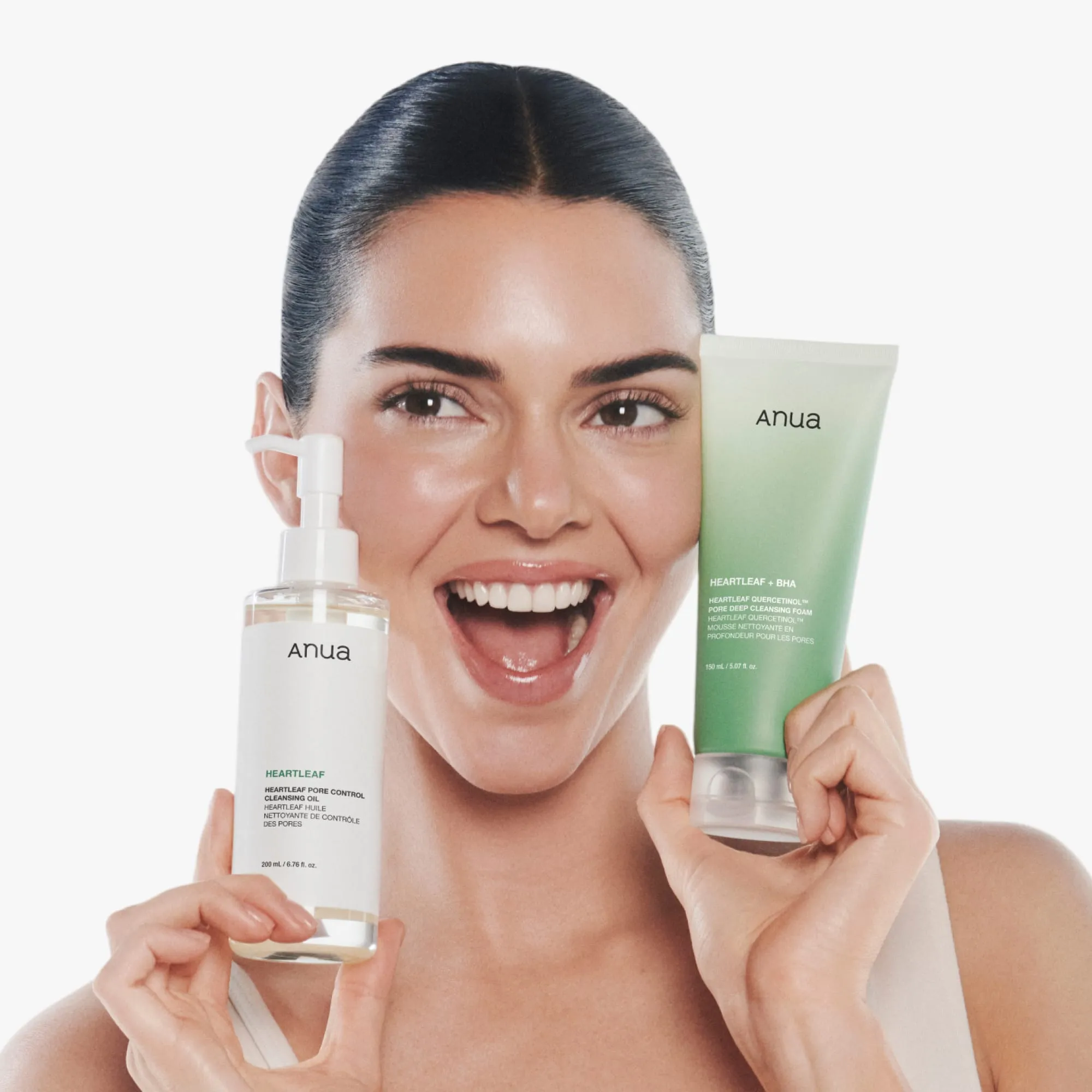
Double Cleansing Duo Set
A two-step cleansing set for oil-based impurities, sunscreen, makeup, and water-based residue.
Use the set in this order:
- Apply the oil cleanser to dry skin and massage around areas where sunscreen, makeup, and sebum collect.
- Rinse, then use the cleansing foam on damp skin to remove water-based residue.
- Follow with a calming toner or serum if your skin tolerates leave-on heartleaf products.
- Seal with moisturizer, then use sunscreen in the morning.
Daily use can be appropriate for many routines because the goal is cleansing and calming, not aggressive resurfacing. If you also use retinoids, benzoyl peroxide, exfoliating acids, or prescription acne care, introduce heartleaf products slowly and keep the rest of the routine stable for several days.
Build a calmer Heartleaf routine
Shop Anua skincare when you want a routine built around gentle cleansing, calming ingredients, and daily barrier support.
FAQS