Reactive Skin Calming Routine for Instant Stinging
Reactive skin routines work best with low-friction cleansing, Heartleaf toner, hydration, and fewer active steps while stinging settles.
Key takeaways
- Reactive skin stinging often feels worse with heat, friction, low-pH actives, and fragrance-heavy products.
- A calming routine should reduce friction first, then add hydrating soothing layers.
- Heartleaf toner and ampoule steps can support comfort when the routine needs fewer, softer layers.
Reactive skin needs fewer steps, softer application, and better trigger control. When a product stings on contact, the goal is not to add more actives. The first move is to stop the signals that keep the skin hot, tight, and uncomfortable.
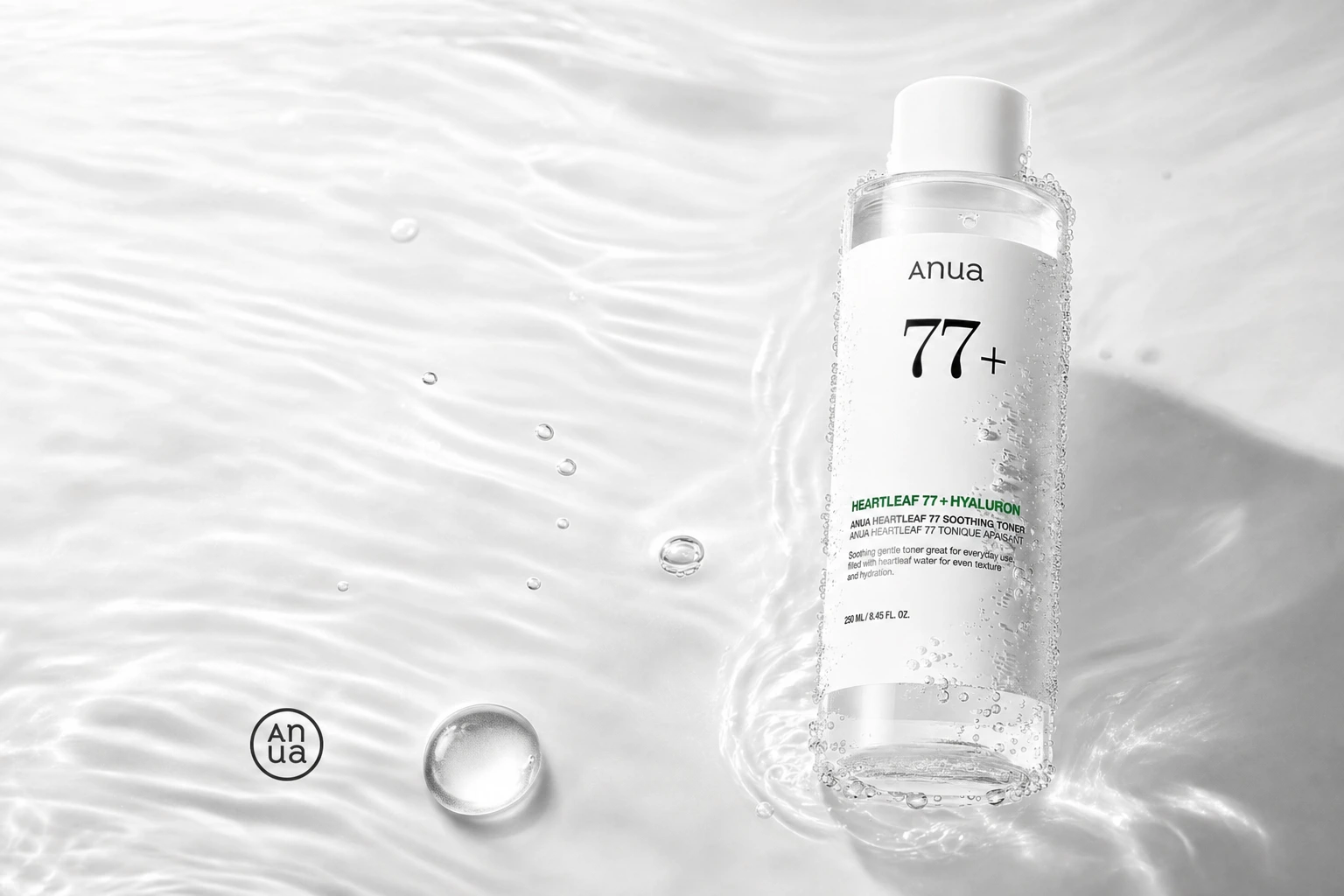
For Anua, the most relevant routine starts with Heartleaf, a plant-derived soothing ingredient used across the brand’s calming line. The Heartleaf 77 Soothing Toner is designed to calm irritation and moisturize the skin, while the Heartleaf 80% Moisture Soothing Ampoule adds a concentrated hydration layer for dry, sensitive-feeling skin.
What causes reactive skin to sting so quickly?
Reactive skin sensations often feel worse when the skin is exposed to heat, low-pH actives, fragrance-heavy products, or repeated rubbing.
Sensitive-skin research often discusses TRPV1 channels as one pathway involved in stinging, burning, and heat-like sensations (PMC, 2019).
That does not always mean the product is unsafe. It can mean the skin surface is less tolerant at that moment.
Factors that can trigger TRPV1 channels in the skin include:
- Heat
- Low pH levels
- High concentrations of denatured alcohol
- High concentrations of volatile fragrances
During a flare, the practical rule is simple: remove heat, remove friction, and pause strong sensorial ingredients.
What are the golden rules for a calming skincare regimen?
During a flare, keep the routine short and avoid unnecessary friction. Sensitive-skin guidance commonly emphasizes gentle handling and avoiding avoidable irritants.
Dermatological guidance recommends avoiding cotton pads to prevent micro-friction (Actas Dermo-Sifiliográficas, 2019).
Use this structure when skin is actively stinging:
- Rinse gently, avoiding excessive heat or friction.
- Avoid using cotton pads to prevent micro-friction.
- Pat the face dry gently with a soft towel.
- Apply a soothing toner.
- Follow with a gentle moisturizer if needed.
If cleansing is part of the flare, simplify that step first to minimize rubbing and excessive friction.
Which ingredients can help a calmer-feeling routine?
Heartleaf, humectants, and lightweight moisturizers can help a routine feel calmer without adding many active steps.
When the primary concern is sharp stinging or burning after application, the first step is not a stronger active. It is a shorter routine that focuses on hydration, low friction, and products the skin already tolerates.
Anua's Heartleaf 77 Soothing Toner is built around 77% Heartleaf Water and a pH 5.5 positioning. The Heartleaf 80% Moisture Soothing Ampoule adds a concentrated Heartleaf hydration layer when skin feels dry, tight, or papery.
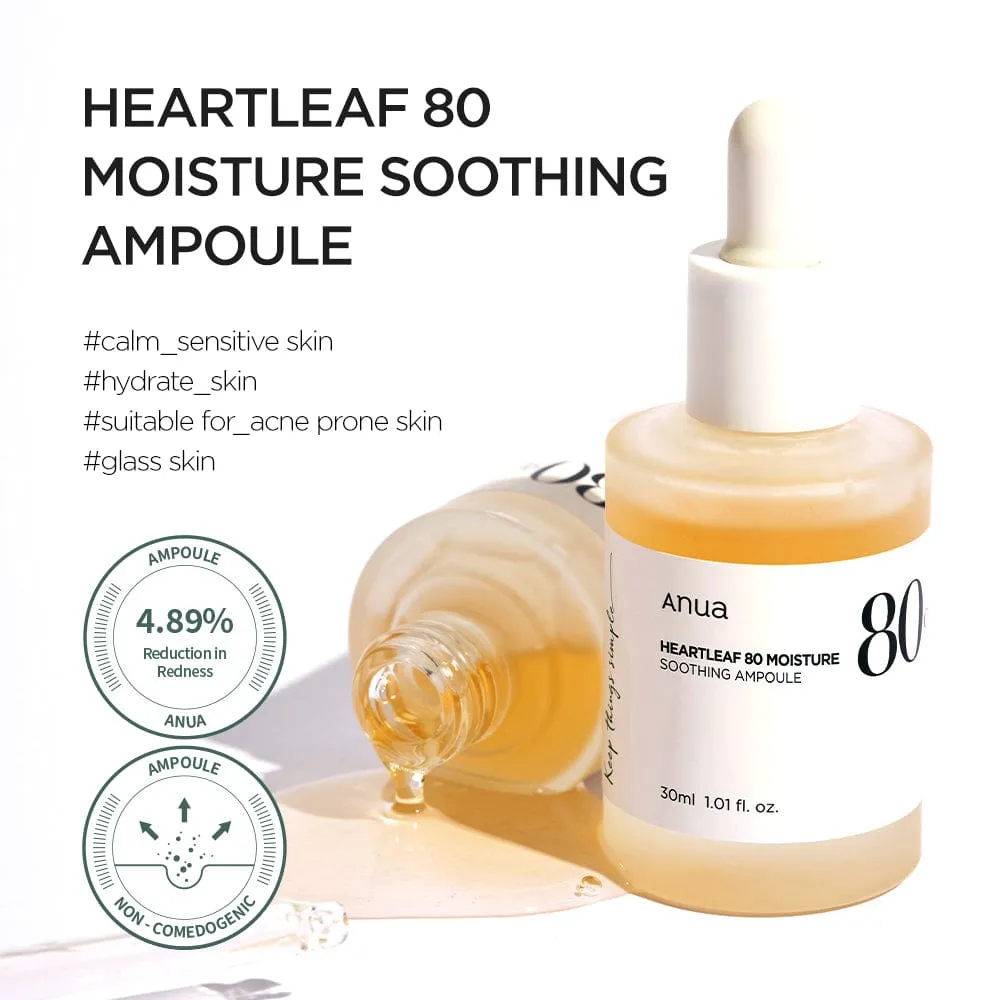
The Heartleaf 77 Soothing Toner can be incorporated as a hydrating step.
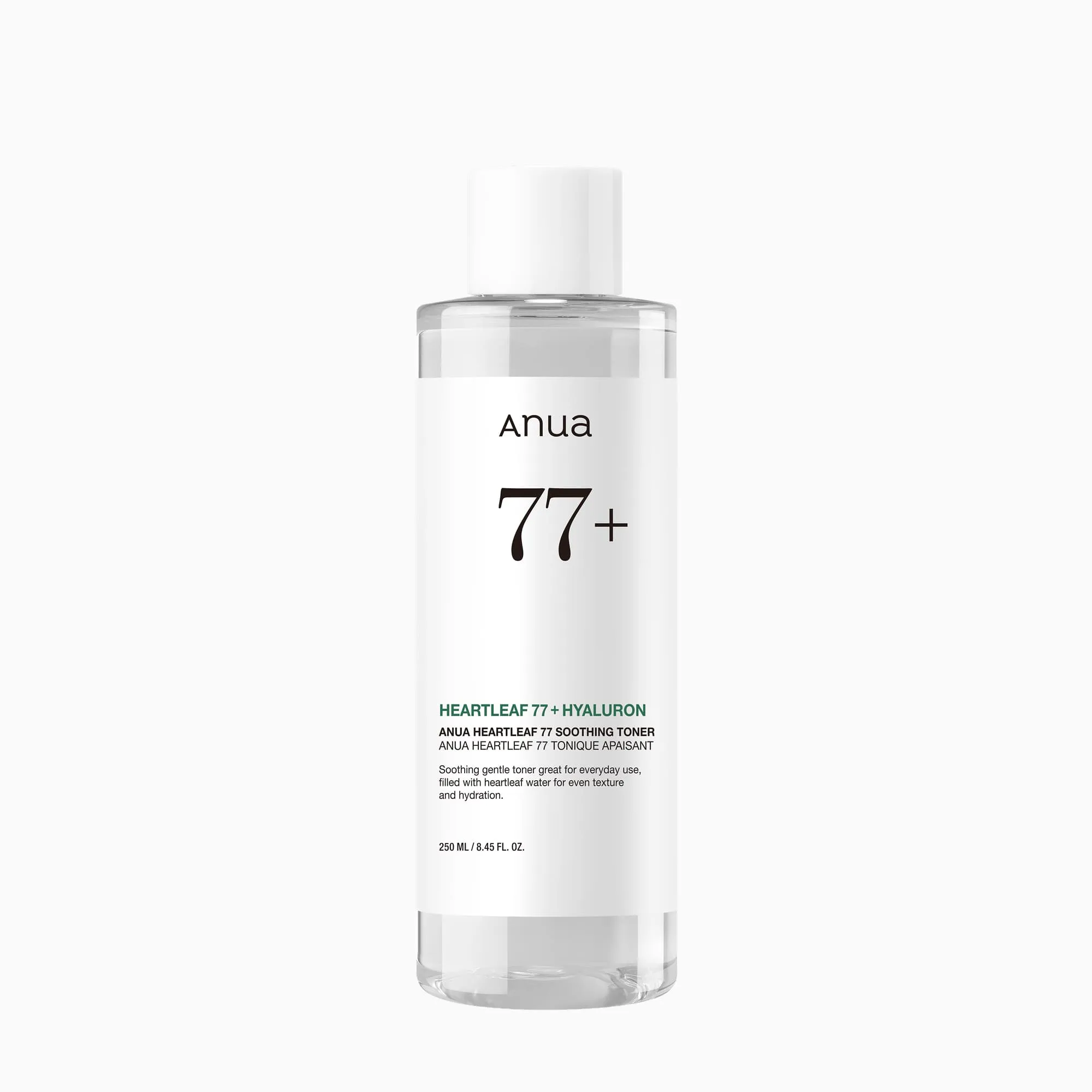
Heartleaf 77 Soothing Toner
A 77% Heartleaf Water toner for a watery, calming prep step in reactive-feeling routines.
For skin that feels dry, tight, or papery after the toner step, the Heartleaf 80% Moisture Soothing Ampoule is designed to hydrate and support a healthy-looking, radiant complexion.
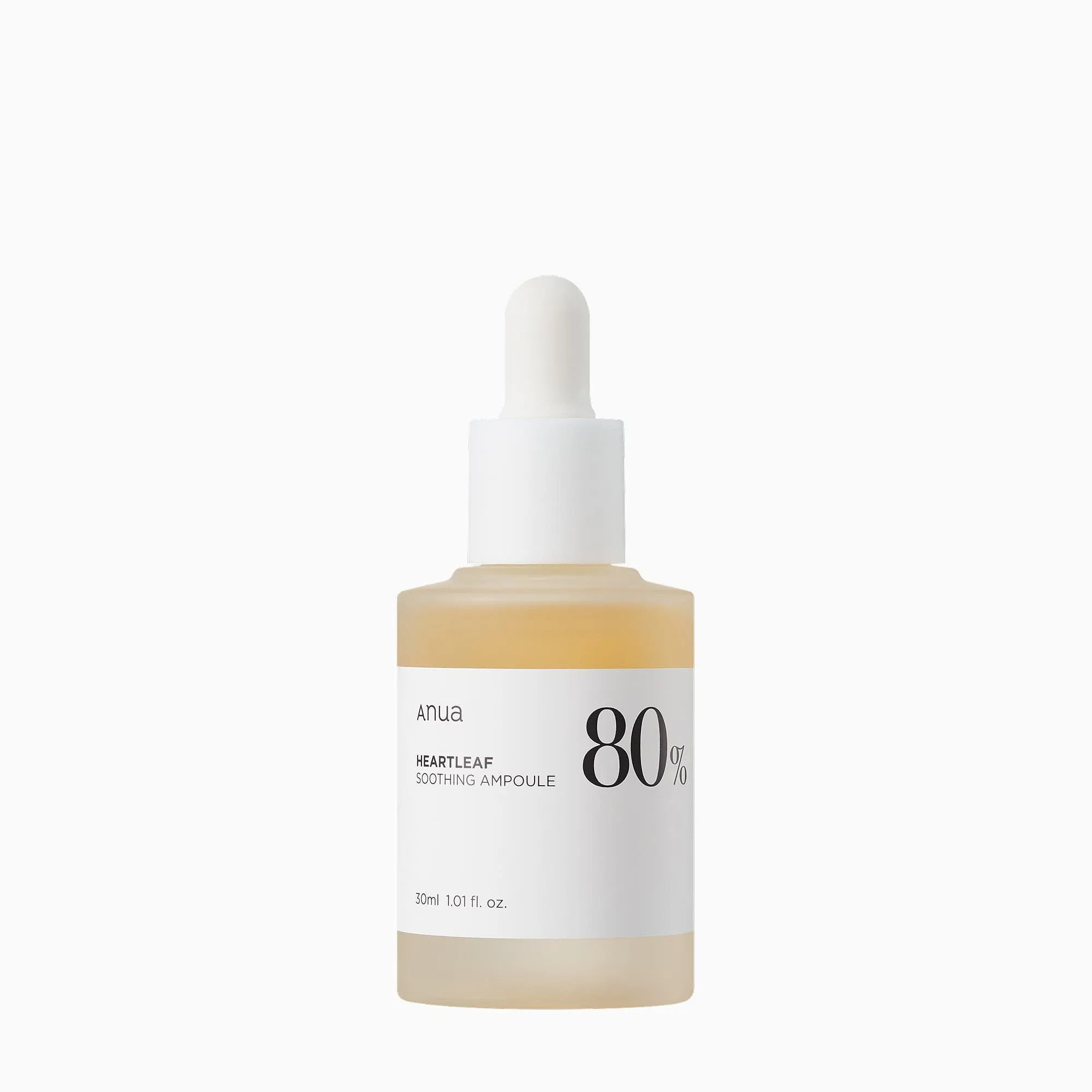
Heartleaf 80% Moisture Soothing Ampoule
A concentrated Heartleaf ampoule for dry, tight, or sensitive-feeling skin that needs a hydration layer.
Which ingredients and habits should you eliminate during a flare?
During a reactive flare, it is helpful to pause strong actives and sensorial products before adding new steps.
The most common mistake is treating stinging skin as if it needs more correction. Simplifying the routine can help minimize potential triggers while the skin recovers.
How do you build a calming routine with Anua Heartleaf?
A calming routine uses low-friction cleansing, palm-pressed Heartleaf toner, damp-skin ampoule, and targeted redness support only when skin can tolerate it.
The routine below is designed for moments when skin stings right after cleansing, feels hot under skincare, or turns visibly red from normal application. It keeps the number of leave-on steps low, because reactive skin often responds better to consistency than to constant product changes.
Morning routine for stinging skin
- Rinse or cleanse gently. If your skin did not produce heavy oil overnight, a water rinse may be enough.
- Press on the Heartleaf 77 Soothing Toner with clean palms. Do not swipe.
- Apply the Heartleaf 80% Moisture Soothing Ampoule while skin is slightly damp.
- Add a moisturizer if your skin feels tight.
- Use sunscreen if you will be exposed to daylight.
Night routine for reactive skin
- Remove sunscreen and makeup gently, using your hands rather than rough cloths or brushes.
- Cleanse only as long as needed to remove residue.
- Press in the Heartleaf 77 Soothing Toner.
- Layer the Heartleaf 80% Moisture Soothing Ampoule.
- Seal with a moisturizer if your skin loses water quickly overnight.
Cleansing matters, but leave-on calming steps often decide whether the skin feels comfortable after washing.
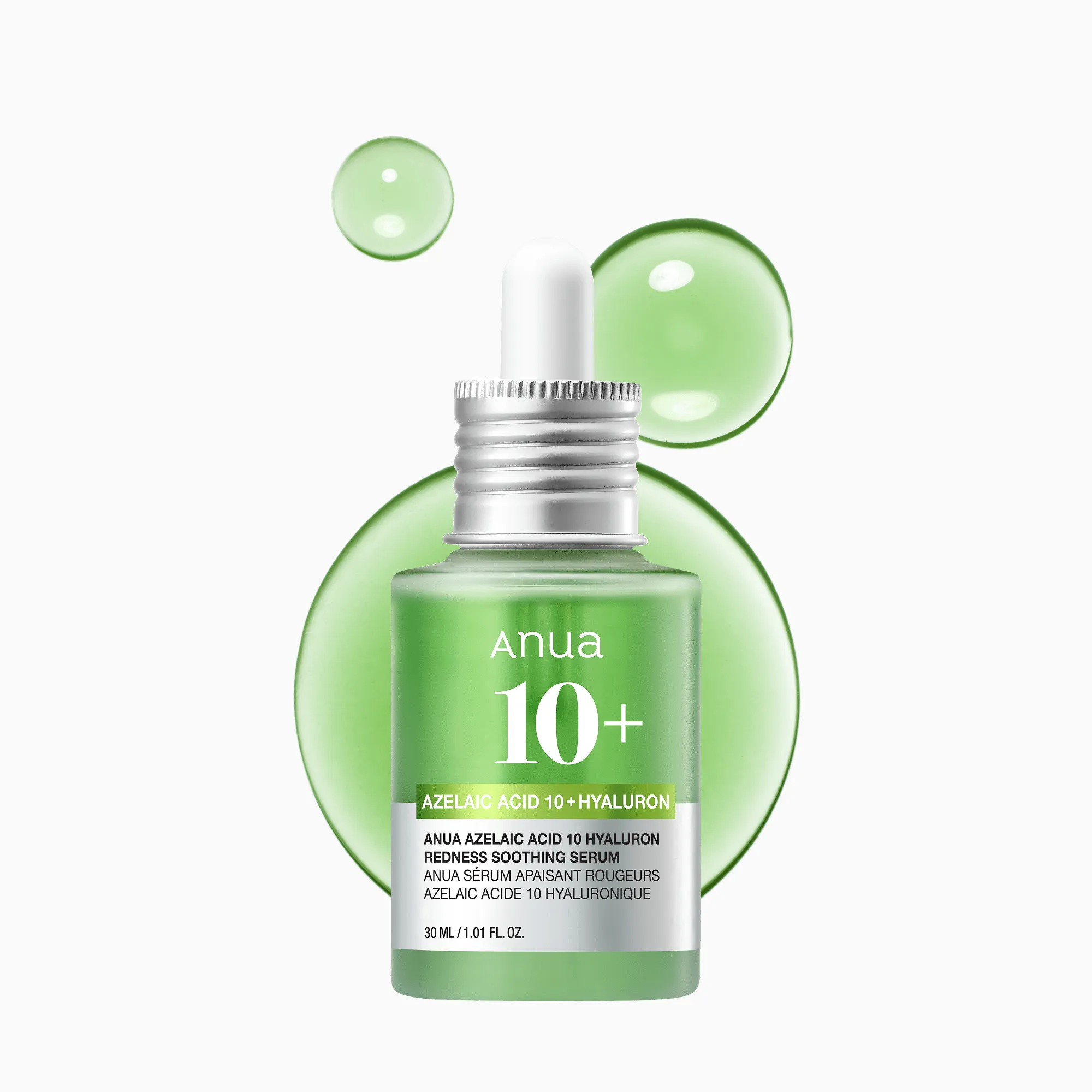
For visible redness and uneven texture in acne-prone skin, Anua’s Redness Soothing Duo pairs azelaic acid with Heartleaf. Use it as a targeted option when your main concern is redness plus texture, not during the sharpest stinging phase if your skin cannot tolerate actives yet.
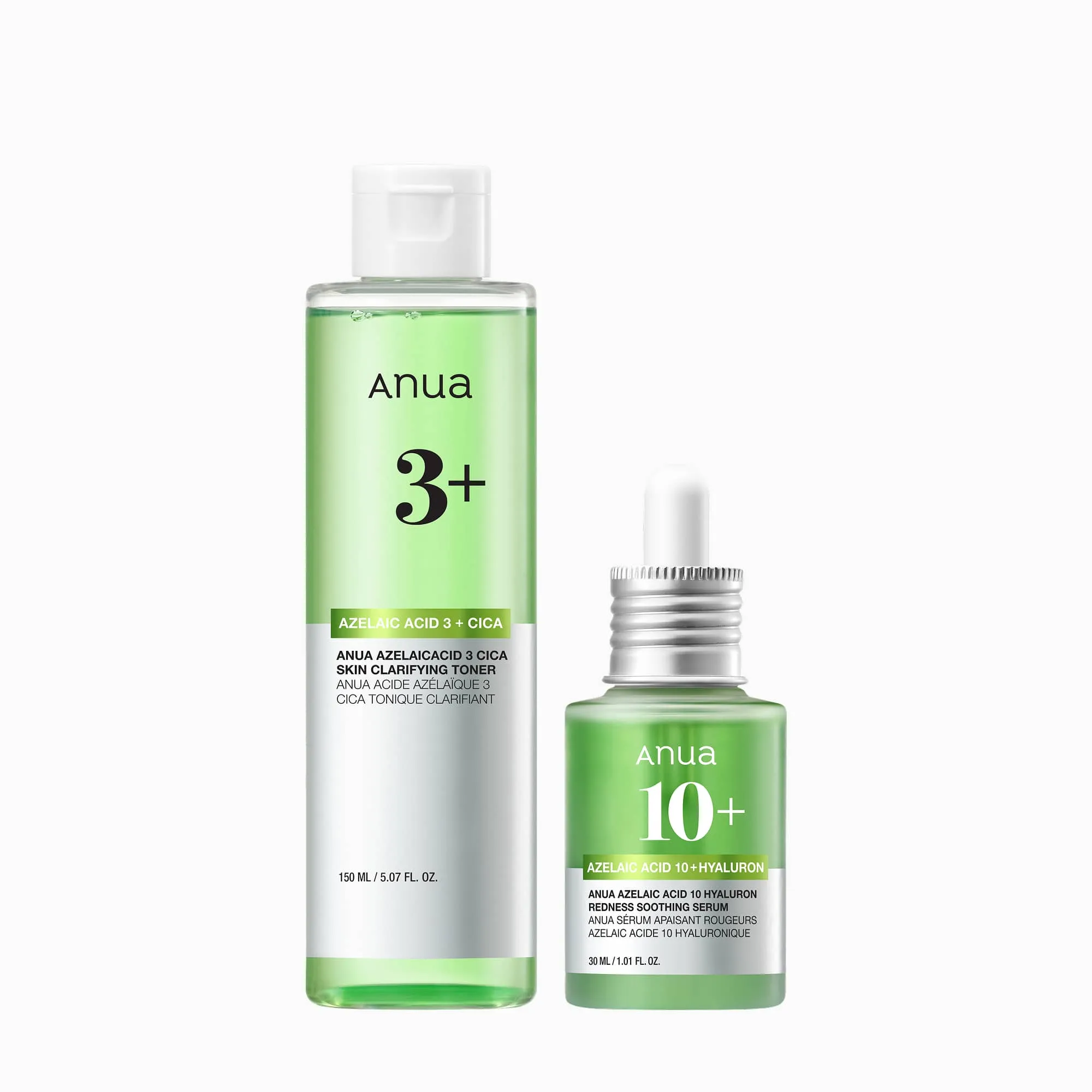
Redness Soothing Duo
A duo for visible redness, uneven-looking tone, texture, and hydration once skin can tolerate treatment steps.
How should you patch test gentle formulas on reactive skin?
Patch testing helps reactive skin avoid avoidable flare-ups, even when a formula is designed for sensitive-feeling routines.
A product can be gentle in design and still sting if your skin barrier is compromised. That is why the test should match the way reactive skin behaves: short contact first, small area first, and no new actives at the same time.
Use this simple patch-test method:
- Apply a small amount behind the ear or along the jawline.
- Wait 24 hours and check for stinging, burning, swelling, or persistent redness.
- If the first test is calm, apply the product to one small cheek area.
- Wait another day before using it on the full face.
- Introduce only one new product at a time so you can identify the trigger if discomfort appears.
For reactive skin, “gentle” should mean more than a soft texture. Look for a routine that avoids unnecessary friction, supports a pH-aware skin surface, and minimizes ingredients you already know can trigger heat or burning. If your skin also uses targeted treatments for aging, wrinkles, or barrier support, keep those separate from flare days. Ingredients such as PDRN can be part of a broader routine, but the PDRN for Wrinkles and Anti-Aging: A Korean Skincare Guide is a better reference once your skin is calm enough to tolerate treatment-focused steps.
Build a calmer routine before adding more actives
Reactive skin improves when the routine becomes quieter, more consistent, and easier for the barrier to tolerate.
If your skin stings as soon as skincare touches it, give it a shorter routine for several days: gentle cleansing, palm-pressed toner, hydration, and moisturizer. Once the stinging stops, reintroduce treatment products one at a time rather than rebuilding the whole routine in one night.
Find your Heartleaf calming routine
Shop Anua skincare designed for soothing, hydration, and a lower-friction daily routine for sensitive-feeling skin.
FAQS